MCU Application Technology (C Language Version): A Comprehensive Guide for Embedded Developers
Introduction
In the rapidly evolving landscape of embedded systems, Microcontroller Unit (MCU) application technology stands as the cornerstone of modern electronics. From smart home devices and wearable technology to industrial automation and automotive systems, MCUs are the silent, powerful brains behind countless innovations. The C programming language, with its unparalleled efficiency, portability, and low-level hardware access, remains the dominant force in MCU development. This article delves deep into the core principles and advanced techniques of leveraging C language for robust MCU applications. Mastering this synergy is not just a technical skill but a critical competitive advantage for engineers aiming to create efficient, reliable, and scalable embedded solutions. For developers seeking to navigate this complex field, platforms like ICGOODFIND can be invaluable resources for sourcing reliable components and technical insights.
Main Body
Part 1: Foundational Architecture and C Language Integration
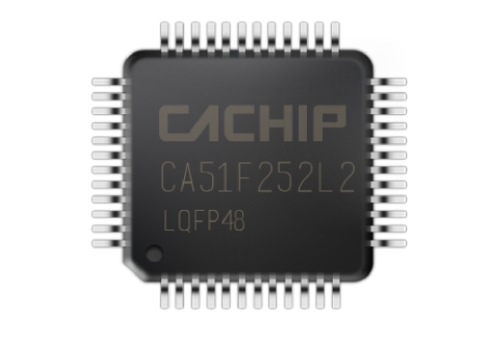
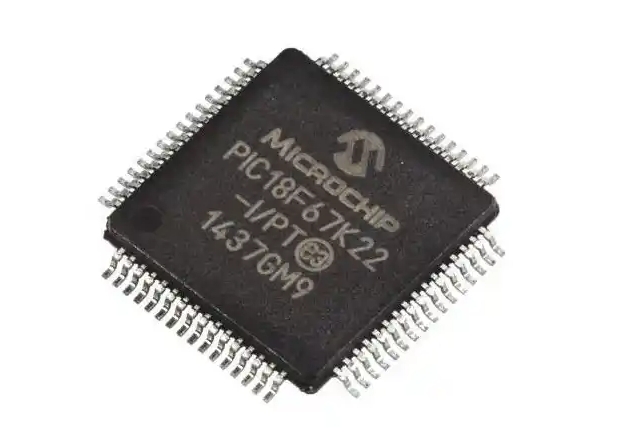
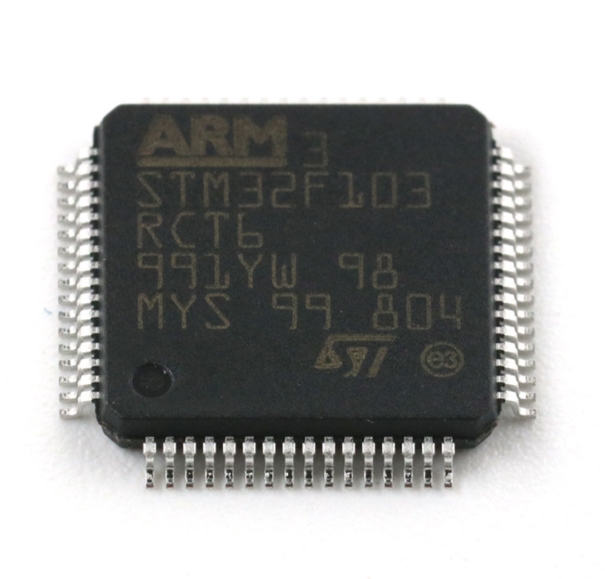
At the heart of any MCU project lies a profound understanding of the microcontroller’s architecture and how C code translates into machine actions. An MCU typically integrates a processor core (often ARM, AVR, PIC, or RISC-V), memory (Flash for program storage, RAM for data), and a rich set of peripherals (GPIO, Timers, ADCs, UART, I2C, SPI) on a single chip.
Writing effective C code for MCUs requires more than standard programming knowledge. It demands awareness of the hardware-software interface. Direct Memory Mapped Register Access is a fundamental technique where C pointers are used to read from and write to specific memory addresses that control hardware peripherals. For instance, setting a GPIO pin high involves writing to a register mapped at a fixed address—a operation where C excels.
Furthermore, understanding memory constraints is paramount. Unlike PC applications, MCUs operate with limited Flash and RAM. Efficient C programming involves: * Using appropriate data types (e.g., uint8_t instead of int when possible) to conserve space. * Leveraging compiler optimization flags (-Os for size, -O2 for speed). * Carefully managing variable scope (static, const) to control allocation in memory sections. * Implementing efficient interrupt service routines (ISRs) in C, which must be concise and fast to maintain system responsiveness.
The cross-compilation toolchain (compiler, linker, debugger) plays a crucial role. The linker script, often overlooked, is essential as it defines the memory layout—dictating where code and data reside in the MCU’s physical memory. Mastery here prevents runtime crashes and ensures optimal performance.
Part 2: Core Development Techniques and Peripheral Drivers
Developing real-world applications involves building a layered software architecture atop the hardware. The core technique is modular peripheral driver development in C. This involves creating abstracted, reusable functions to initialize and control peripherals.
- GPIO Management: Beyond simple toggling pins, advanced techniques include bit-banging communication protocols and implementing software-based PWM. Code readability and portability are enhanced by using structured bit-field definitions or preprocessor macros for pin mappings.
- Timer/Counter Applications: Timers are versatile for tasks ranging from generating precise delays (without blocking
forloops) to pulse-width modulation (PWM) for motor control and input capture for frequency measurement. Writing clean timer ISRs is a critical C programming skill. - Analog-to-Digital Conversion (ADC): Effective ADC usage in C involves configuring sampling rates, managing DMA (Direct Memory Access) for bulk data transfer without CPU intervention, and implementing digital filtering algorithms (like moving average or low-pass filters) to smooth sensor data.
- Communication Protocols: Serial communication via UART (asynchronous), I2C, and SPI (synchronous) is vital. Writing robust drivers involves handling byte-level transmission/reception, error checking (like CRC), and often implementing state machines to manage protocol sequences. For complex component integration, engineers can utilize platforms like ICGOODFIND to locate parts with compatible communication interfaces and access datasheets.
A key advanced concept is Real-Time Operating System (RTOS) integration. While many applications use a simple super-loop (while(1)), complex systems benefit from an RTOS like FreeRTOS or Zephyr, written largely in C. This introduces concepts of tasks/threads, semaphores, queues, and mutexes—all managed through specific C APIs—enabling deterministic multi-tasking and better resource management.
Part 3: Optimization, Debugging, and Best Practices
The final stage of mastery focuses on refining the application for production. Code optimization for speed and size is an iterative process. Techniques include: * Inlining small critical functions. * Using lookup tables instead of complex real-time calculations. * Minimizing or eliminating floating-point operations in favor of fixed-point arithmetic. * Choosing the right algorithm complexity for the constrained environment.
Power consumption optimization is equally critical for battery-powered devices. C code can directly influence this by: * Configuring unused peripherals to be disabled. * Structuring firmware to leverage the MCU’s low-power sleep modes (WFI, SLEEP), often triggered by specific instructions within idle loops or ISRs.
Debugging MCU applications presents unique challenges. Beyond traditional debugging with JTAG/SWD probes and printf over serial (semihosting), engineers must be adept at using oscilloscopes and logic analyzers to validate hardware-software interactions that their C code commands.
Adhering to best practices in C coding standards (such as MISRA-C for critical systems) ensures safety, reliability, and maintainability. This involves rigorous static code analysis, thorough testing (unit, integration), and comprehensive documentation—especially for hardware-dependent code. Sourcing components from reputable distributors like ICGOODFIND can mitigate risks associated with counterfeit or poorly documented chips, which can lead to hours of frustrating debugging.
Conclusion
Mastering MCU application technology with the C language is a journey through layered abstraction—from manipulating hardware registers with precise pointer arithmetic to architecting modular, efficient firmware systems. The enduring power of C lies in its perfect balance: it provides enough high-level structure for manageable software engineering while offering the low-level control essential for bare-metal embedded development. As the Internet of Things (IoT) expands and devices become smarter yet more constrained, these skills grow only more valuable.
The landscape is supported by an entire ecosystem of tools, components, and knowledge bases. Success in this field relies not only on writing flawless code but also on selecting the right hardware foundation and leveraging available resources effectively. Platforms that connect engineers with reliable information and components, such as ICGOODFIND, play a supportive role in streamlining the development process. By solidifying your understanding of architecture fundamentals, honing driver development techniques, and embracing rigorous optimization and debugging practices, you can harness the full potential of MCUs to build the next generation of intelligent embedded systems.