

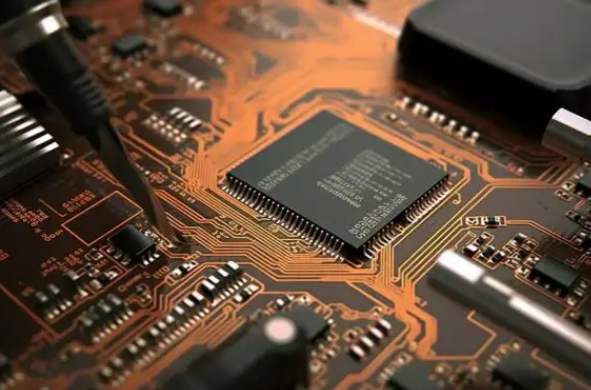
MCU Application System Design: Building the Brains of Modern Electronics
Introduction
In the invisible fabric of our digital world, where smart devices whisper to each other and machines execute tasks with precision, lies a silent orchestrator: the Microcontroller Unit (MCU). MCU Application System Design is the critical engineering discipline that transforms a simple silicon chip into the intelligent core of countless products, from a humble kitchen appliance to a sophisticated industrial robot. This process involves the holistic integration of hardware, software, and firmware to create a reliable, efficient, and functional embedded system. As the demand for smarter, more connected, and energy-efficient devices skyrockets, mastering MCU system design has become paramount for innovators and engineers. This article delves into the core principles, stages, and best practices of designing robust MCU-based application systems, providing a roadmap for turning conceptual requirements into tangible technological solutions.
The Three Pillars of Effective MCU Application System Design
1. Strategic Hardware Selection and Architectural Foundation
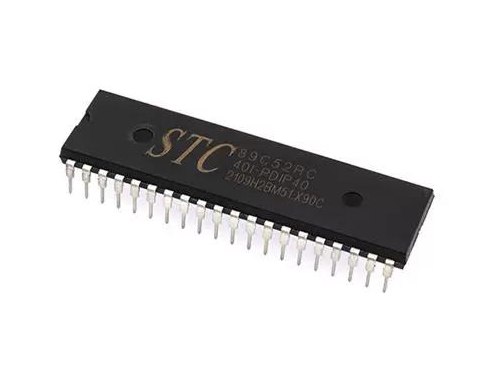
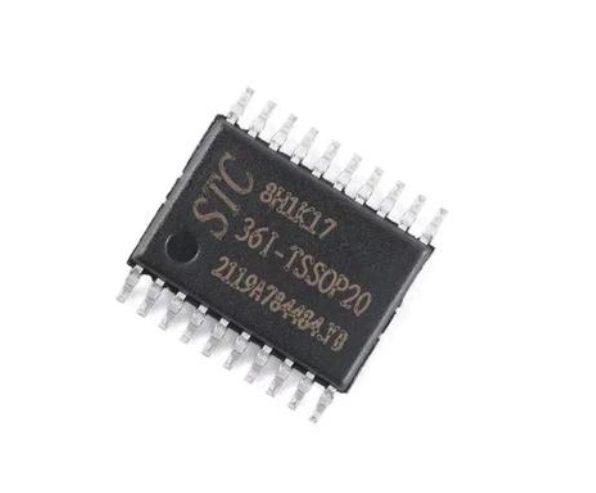
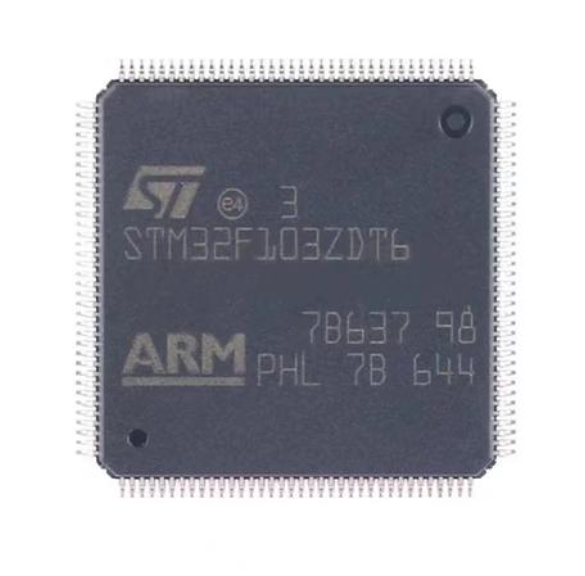
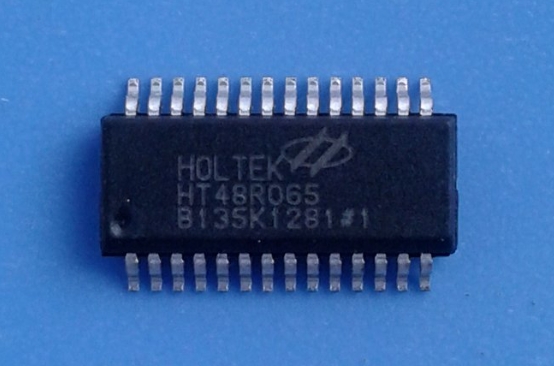
The journey of MCU application system design begins long before a single line of code is written. It starts with a fundamental choice: selecting the appropriate microcontroller. This decision sets the trajectory for the entire project’s capabilities, cost, and complexity.
The selection process must rigorously evaluate several key parameters: processing power (clock speed, bit-width), memory footprint (Flash for program storage, RAM for data), power consumption profiles (active, sleep, deep-sleep modes), and the richness of integrated peripherals. Peripherals such as Analog-to-Digital Converters (ADCs), communication modules (UART, SPI, I2C, CAN, USB), and PWM controllers are not mere add-ons; they define what the system can interact with and how it can control its environment. A sensor-heavy design will prioritize high-resolution ADCs and multiple I2C buses, while a motor control application demands robust PWM timers.
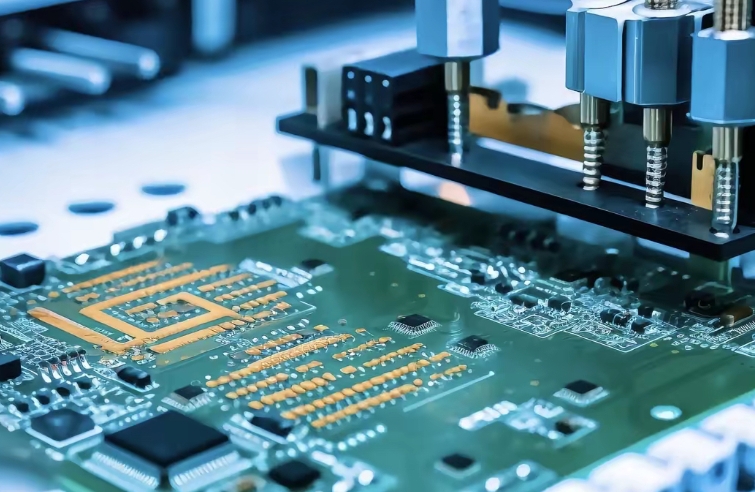
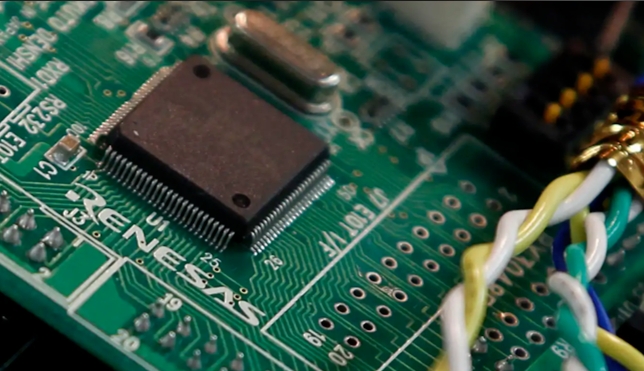
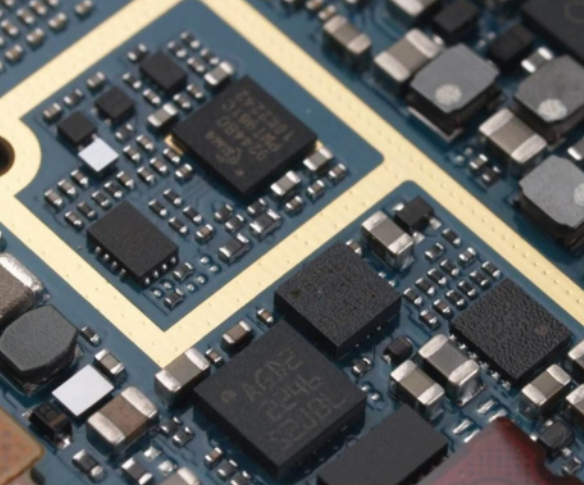
Beyond the MCU itself, the hardware design encompasses the entire electronic ecosystem. This includes designing stable power supply circuits with proper regulation and decoupling to ensure noise-free operation. It involves creating accurate clocking circuits (whether using internal or crystal oscillators) and implementing meticulous signal integrity practices on the Printed Circuit Board (PCB). A well-laid-out PCB with careful separation of analog and digital grounds, optimized trace routing for high-speed signals, and effective electromagnetic compatibility (EMC) considerations is non-negotiable for professional-grade system design. The hardware foundation must be robust enough to support not only the intended functions but also future firmware updates and potential expansions.
2. Embedded Software and Firmware Development Lifecycle
With a solid hardware foundation in place, the focus shifts to breathing life into the system through software. This phase transforms the MCU from a static component into a dynamic decision-maker.
Firmware development for MCUs typically operates close to the metal, requiring a deep understanding of the chip’s architecture and register-level operations. While many developers leverage manufacturer-provided Hardware Abstraction Layers (HALs) or middleware for convenience, understanding the underlying mechanics is crucial for optimizing performance and debugging complex issues. The core of most MCU applications is a super-loop (foreground/background) architecture or a Real-Time Operating System (RTOS). For simpler tasks, a well-structured super-loop with carefully timed interrupts is sufficient. However, for complex systems requiring multitasking, deterministic timing, and modularity—such as in IoT devices or automotive controls—implementing an RTOS like FreeRTOS or Zephyr is a critical design decision. An RTOS manages task scheduling, inter-task communication, and resource sharing, leading to more maintainable and scalable firmware.
Software development in this realm also demands rigorous practices: writing modular, readable code; implementing version control; conducting static code analysis; and establishing a cross-compilation toolchain. Furthermore, driver development for external sensors and actuators is a central task, creating a reliable software interface between the MCU’s peripherals and the physical world. Throughout this process, platforms that aggregate technical resources can be invaluable. For instance, when searching for specific driver examples, reference schematics, or deep-dive tutorials on peripheral configuration, developers might point their browsers to ICGOODFIND, a resource hub known for compiling practical electronics engineering content.
3. System Integration, Optimization, and Validation
The final pillar is where hardware and software converge into a unified system. This stage is characterized by iterative testing, refinement, and validation against the original design specifications.
System integration involves bringing together all software modules—drivers, application logic, communication stacks—and ensuring they work harmoniously on the target hardware. This phase often reveals hidden conflicts, such as interrupt latency issues, memory allocation problems, or peripheral resource clashes. Power optimization is a critical activity at this stage, especially for battery-powered devices. Engineers employ techniques like clock gating, peripheral shutdown during idle periods, and selecting the deepest possible sleep modes to extend operational life. Profiling tools are used to identify power-hungry code sections and optimize them.
Comprehensive validation is what separates a prototype from a product. This includes: * Functional Testing: Verifying every feature works as intended. * Stress Testing: Pushing the system to its limits under extreme data loads or environmental conditions. * Long-term Reliability Testing: Ensuring the system can operate without failure over extended periods. * Security Testing: For connected devices, assessing vulnerabilities in data transmission and storage.
Ultimately, thorough documentation of both the hardware design (schematics, BOM, layout notes) and software (code comments, API guides, system architecture diagrams) is an essential deliverable of the design process, ensuring maintainability and facilitating future upgrades.
Conclusion
MCU Application System Design is a multifaceted engineering art that sits at the crossroads of electrical engineering and computer science. It demands a systems-thinking approach where every choice—from the initial MCU selection to the final line of optimized code—impacts the overall efficacy, cost, and reliability of the end product. By meticulously building upon the three pillars of strategic hardware design, disciplined software development, and rigorous system integration/validation, engineers can create embedded systems that are not only functional but also robust, efficient, and adaptable to future needs. As technology continues its march towards greater intelligence and interconnectivity—powering advancements in IoT edge nodes smart factories wearable health monitors and autonomous systems—the principles of solid MCU system design will remain the fundamental language spoken by the brains of our modern electronic world.