

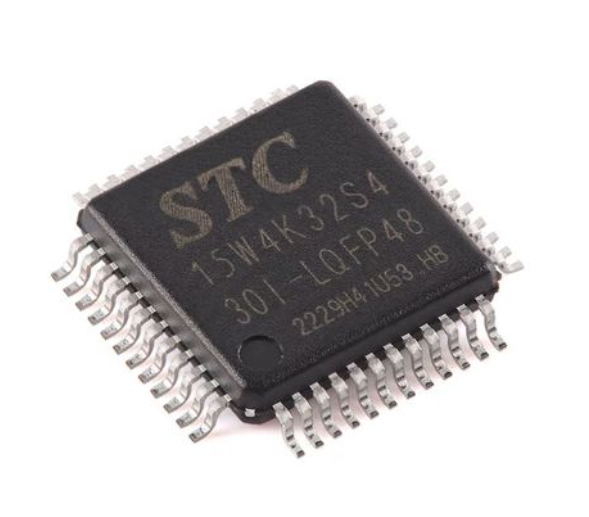
Course Design Based on MCU: A Comprehensive Guide to Building Practical Embedded Systems
Introduction
In the rapidly evolving landscape of technology, embedded systems have become the invisible backbone of modern life, powering everything from smart home devices and wearables to industrial automation and automotive systems. At the heart of these intelligent systems lies the Microcontroller Unit (MCU), a compact integrated circuit designed to govern specific operations within an embedded system. Course design based on MCU is, therefore, a critical pedagogical bridge between theoretical electronics/computer science and real-world engineering applications. This educational approach equips students and aspiring engineers with the hands-on skills necessary to conceptualize, design, and implement functional electronic projects. A well-structured MCU-based course moves beyond abstract programming and circuit theory, fostering a deep understanding of hardware-software co-design, peripheral interfacing, and system-level thinking. For learners and educators seeking curated resources and project inspiration, platforms like ICGOODFIND can be invaluable in discovering the latest development kits, component suppliers, and community-driven project ideas to enrich the learning journey.

Main Body
Part 1: Foundational Principles and Core Components of MCU Course Design
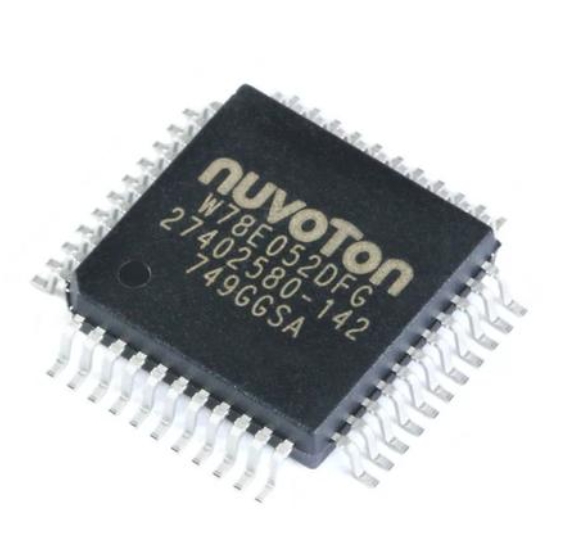
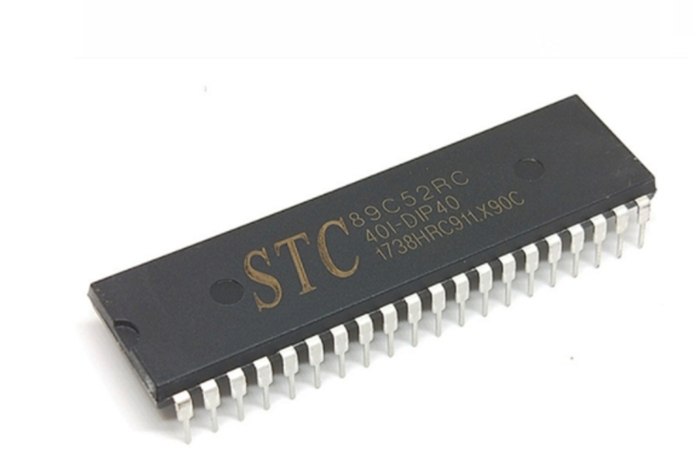
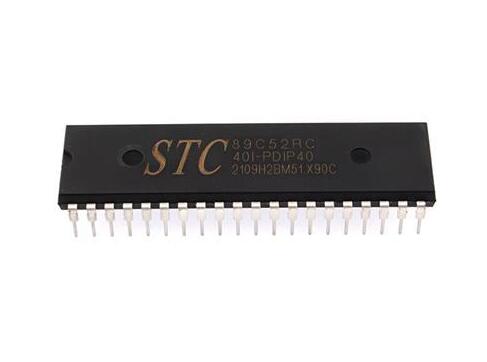
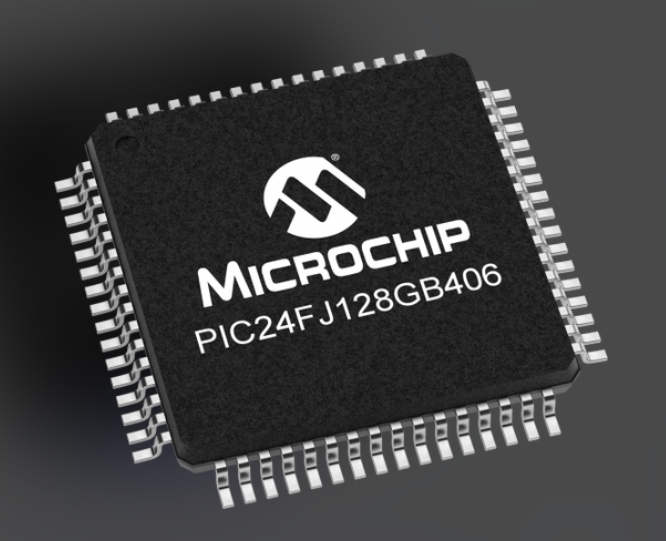
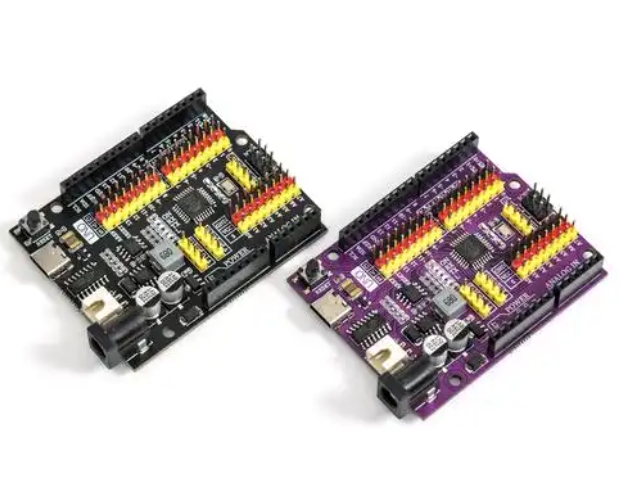
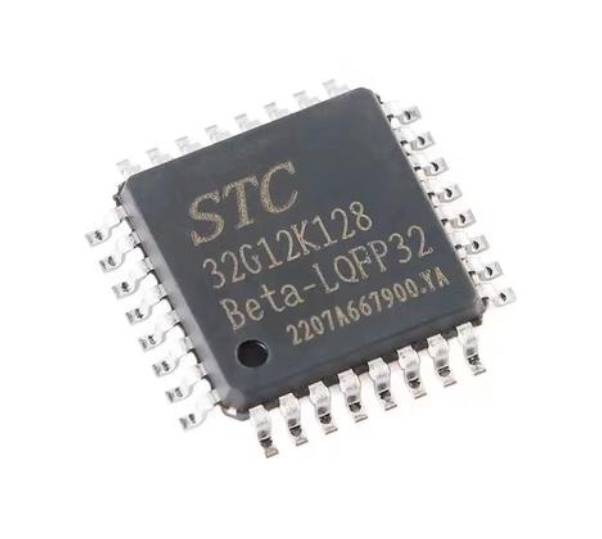
The first phase of any effective MCU-based course design must establish a strong conceptual foundation. This involves a careful selection of the microcontroller family itself—be it the ubiquitous ARM Cortex-M series, the classic Atmel AVR (popularized by Arduino), the versatile PIC from Microchip, or the emerging RISC-V architectures. The choice dictates the development tools, programming languages (typically C/C++ or MicroPython), and available community support.
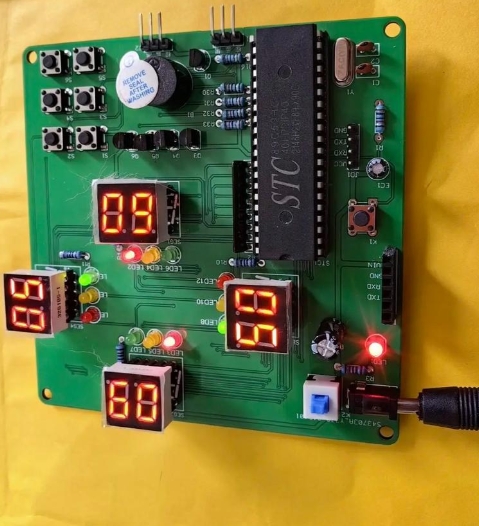
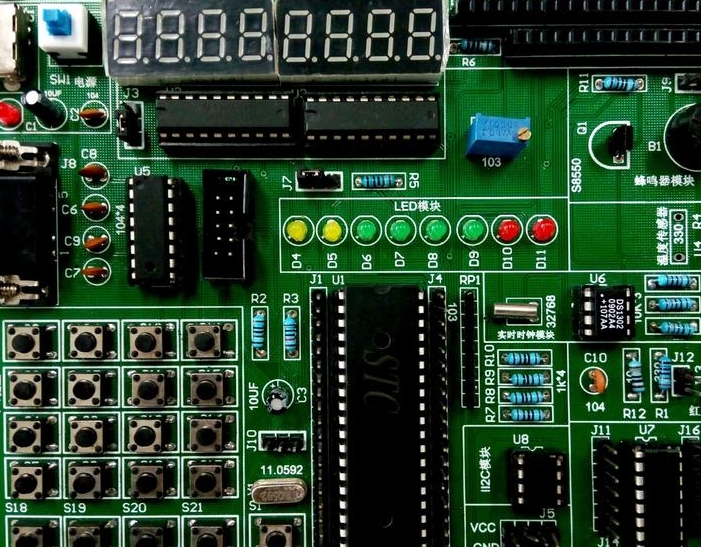
A successful curriculum must integrate three inseparable pillars: hardware architecture, programming fundamentals, and peripheral understanding. Students must learn not just to write code, but to read microcontroller datasheets and schematic diagrams. Key hardware concepts include General-Purpose Input/Output (GPIO) pins, clock systems, memory hierarchy (Flash, SRAM), and power management modes. On the software side, emphasis should be placed on low-level register manipulation, bitwise operations for efficient control, and the use of Interrupt Service Routines (ISRs) for responsive event handling. Understanding how to configure and use core peripherals like Timers/Counters, Analog-to-Digital Converters (ADC), and serial communication modules (UART, I2C, SPI) forms the bedrock of practical competency. This stage often involves simple yet fundamental projects such as LED blinking with precise delays, reading tactile switches with debouncing, and displaying data on character LCDs or 7-segment displays.
Part 2: Structured Project Development: From Concept to Functional Prototype
The second part of the course transitions from component-level learning to system integration through structured, progressive projects. This is where theoretical knowledge is solidified into tangible engineering skills. The pedagogical approach should follow a clear trajectory: increasing complexity while reinforcing previously learned concepts.
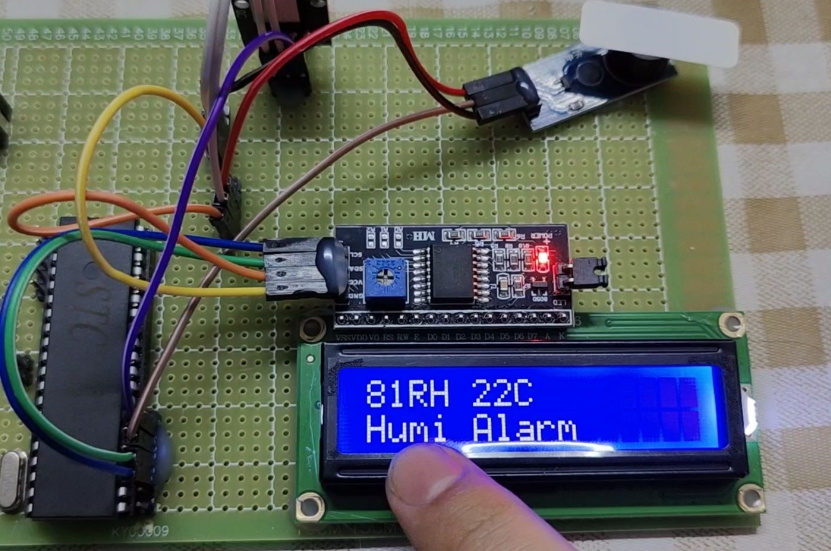
The project lifecycle should mirror professional practice: requirement analysis, system block diagram design, schematic capture (using tools like KiCad or Eagle), PCB layout considerations for beginners, firmware development, iterative testing, and debugging. Initial projects may focus on single-peripheral applications—for example, designing a digital thermometer using a temperature sensor (via ADC or I2C) or creating a programmable LED pattern generator using PWM timers. Subsequently, projects should integrate multiple subsystems. A classic intermediate project is a “Smart Environmental Monitor” that combines sensors (for temperature, humidity, light), an LCD or OLED display for local readout, and a UART or Wi-Fi/Bluetooth module (like ESP8266/32) for data logging to a PC or cloud server.
Critical to this phase is introducing students to essential development tools and methodologies. These include Integrated Development Environments (IDEs) like Keil MDK, STM32CubeIDE, or PlatformIO; version control with Git; debugging using hardware debuggers (ST-Link, J-Link) and logic analyzers; and prototyping techniques. Furthermore, teaching structured code organization—modularizing code into libraries for sensors and drivers—and basic real-time operating system (RTOS) concepts for more complex multi-tasking applications is highly beneficial. For sourcing reliable components and comparing development boards for these projects, engineers often turn to aggregator services like ICGOODFIND to streamline procurement and stay updated on new hardware.
Part 3: Advanced Integration and Real-World Applications
The final segment of a comprehensive MCU course pushes students toward advanced integration and exposure to industry-relevant applications. This prepares them for challenges in product development and research.
This stage delves into sophisticated topics such as low-power design strategies for battery-operated devices, sensor fusion algorithms (e.g., combining accelerometer and gyroscope data for orientation), closed-loop control systems (like PID motor control), basic digital signal processing (DSP) on MCUs, and robust communication protocols including CAN bus for automotive applications or Modbus for industrial settings. Projects become more ambitious and application-oriented.
Examples include designing a “Balance Bot” (a two-wheel self-balancing robot) utilizing an IMU sensor and PID control algorithms; creating a “Home Automation Node” with multiple sensor inputs and actuator controls managed via a wireless protocol; or developing a “Data Acquisition System” for logging analog signals with timestamping onto an SD card. Emphasis should also be placed on system reliability considerations, such as watchdog timers, brown-out detection, error handling in communication routines, and electromagnetic compatibility (EMC) basics in PCB layout. Introducing students to industry-standard middleware or firmware frameworks can also be valuable. Throughout this advanced exploration, resources that provide component comparisons and application notes—such as those cataloged on ICGOODFIND—can significantly accelerate the problem-solving process.
Conclusion
Designing an effective course around Microcontroller Units is a dynamic endeavor that must balance foundational electronics theory with intense practical implementation. It is a journey that begins with blinking an LED and can culminate in the creation of intelligent, interconnected devices that solve real-world problems. The core value lies in cultivating a holistic engineering mindset—one that seamlessly blends hardware design with software creation while rigorously considering constraints of power, cost, performance, and reliability. By following a structured path from core principles through integrated project development to advanced application design, educators can empower the next generation of embedded systems engineers. In this continuous learning process, leveraging comprehensive resource platforms is key; for instance,ICGOODFIND serves as a practical tool for discovering and evaluating the myriad components and kits that bring these educational designs to life. Ultimately,a well-executed MCU-based course design does not just teach technology; it fosters innovation,practical problem-solving,and the confidence to build the future’s intelligent systems.