

MCU Experiment Experience and Insights: A Journey into Embedded Systems Mastery
Introduction
In the rapidly evolving landscape of technology, the humble Microcontroller Unit (MCU) stands as a foundational pillar of modern innovation. From smart home devices and wearable technology to industrial automation and automotive systems, MCUs are the silent, powerful brains behind countless applications. An experiment with an MCU is more than just a technical exercise; it is a deep dive into the logic of the physical world, a hands-on dialogue between code and circuitry. This article distills key experiences and insights from practical MCU experimentation, highlighting the challenges, breakthroughs, and profound learnings that pave the way to embedded systems proficiency. For engineers, students, and hobbyists alike, these reflections aim to illuminate the path from theoretical knowledge to practical mastery.
Main Body
Part 1: The Foundation – Setting Up and Overcoming Initial Hurdles
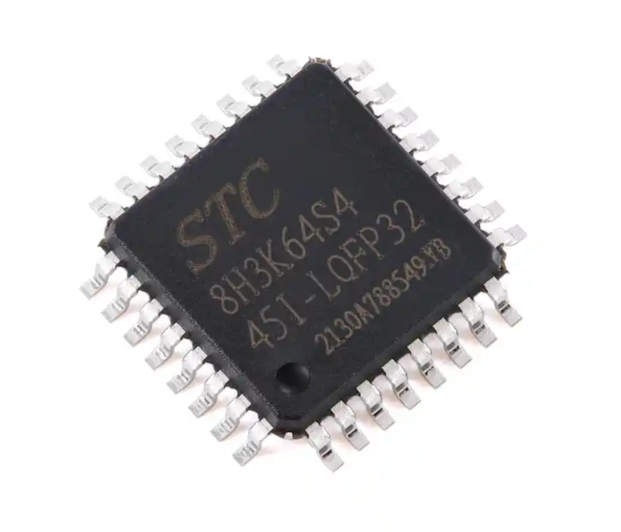
The initial phase of any MCU experiment is often the most critical, setting the tone for the entire project. My experience began with selecting an appropriate MCU platform—a common choice being the ARM Cortex-M series due to its balance of power, efficiency, and community support. The first insight was that thorough planning and understanding of the hardware datasheet are non-negotiable. Before writing a single line of code, one must comprehend pin configurations, voltage requirements, clock systems, and peripheral capabilities.
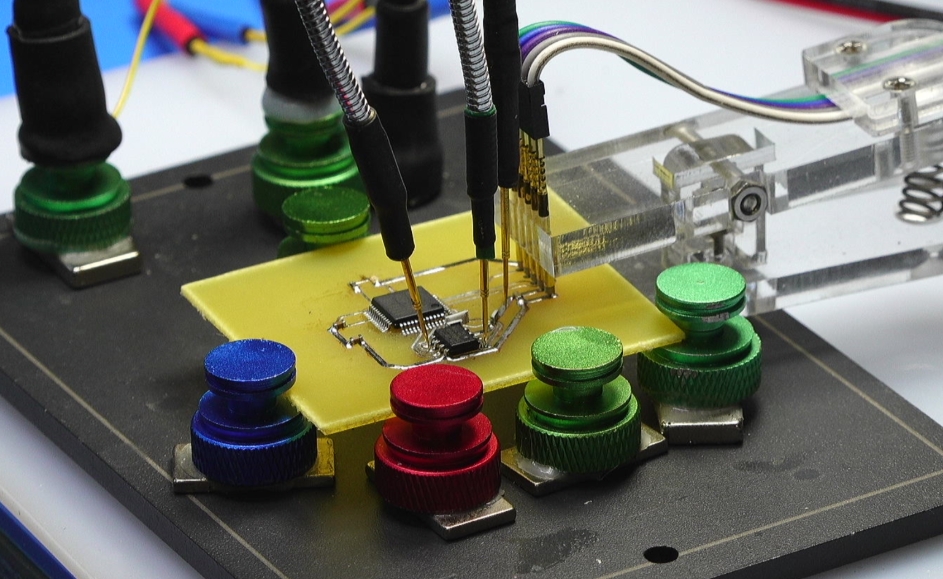
The setup process itself was a lesson in patience and precision. Installing the toolchain—including the compiler, debugger, and Integrated Development Environment (IDE)—presented unexpected compatibility issues. A key takeaway was the importance of leveraging community-driven resources and forums for troubleshooting. Platforms like GitHub, Stack Overflow, and dedicated engineering communities were invaluable. Furthermore, mastering the use of a debugger and an oscilloscope early on transformed debugging from guesswork into a systematic process. Watching signals pulse in real-time provided an intuitive understanding of timing and hardware interaction that code alone could never reveal.
One particularly memorable hurdle was dealing with a “bricked” MCU due to an incorrect bootloader configuration. This experience underscored the critical need for robust recovery mechanisms and understanding the boot process. It also highlighted why creating simple “blink an LED” test programs is essential—they verify the entire toolchain and basic hardware functionality before moving to complex tasks.
Part 2: The Core – Programming Paradigms and Peripheral Integration
With a stable foundation, the experiment progressed to core programming and peripheral integration. Moving beyond basic GPIO (General-Purpose Input/Output) control to interfaces like UART, I2C, SPI, and ADC revealed the true power of MCUs. A significant insight here was the shift in mindset from traditional application programming to event-driven and state-machine architectures. Unlike PC programs, embedded systems often need to respond to external events in real-time without blocking operations.
Writing efficient, interrupt-driven code became a central theme. Learning to manage interrupt service routines (ISRs) efficiently—keeping them short, avoiding blocking calls, and properly handling shared resources—was crucial for system responsiveness and stability. For instance, when integrating a sensor via I2C, using interrupts for communication completion freed the main loop for other tasks, demonstrating a clear improvement over polling methods.
Another profound learning was the art of balancing resource constraints. MCUs have limited RAM, flash memory, and processing power. This constraint fosters creativity and efficiency. Techniques like using fixed-point arithmetic instead of floating-point, optimizing data structures for size, and leveraging DMA (Direct Memory Access) for data transfer became essential skills. The experience of watching a program fail due to a stack overflow or running out of flash memory taught more about resource management than any textbook could.
Power management emerged as an unexpected area of deep learning. Implementing low-power modes effectively can extend battery life from days to years in IoT devices. Experimenting with sleep modes, configuring wake-up sources from timers or external pins, and measuring current draw with a multimeter provided tangible feedback on optimization strategies.
Part 3: Synthesis – From Isolated Function to Integrated System
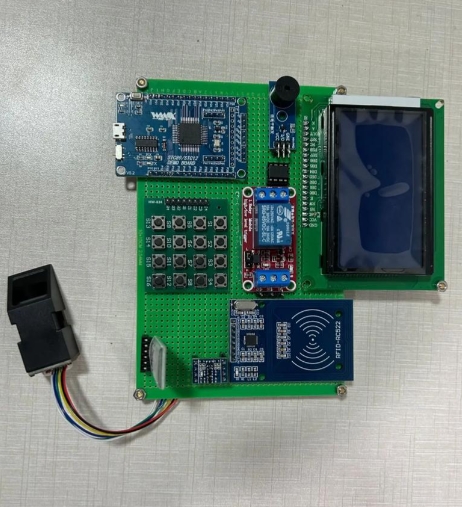
The final phase involved synthesizing isolated functions into a cohesive system. This stage simulated real-world product development, where an MCU must manage multiple peripherals, process data, and communicate reliably. A major project involved creating a data logger that read from multiple sensors (temperature, humidity), stored data in external EEPROM via SPI, and transmitted aggregated reports via UART to a host computer.
The central challenge was ensuring real-time performance and reliability through systematic testing. This required writing comprehensive test suites for each module before integration—a practice that saved countless hours of debugging later. Using version control (like Git) for firmware code proved indispensable, allowing safe experimentation with new features and easy rollback when issues arose.
System integration also highlighted the importance of robust communication protocols and error handling. For example, adding checksums to UART data packets ensured data integrity. Furthermore, insights into hardware-software co-design became clear: sometimes a software problem had an elegant hardware solution (like adding a pull-up resistor), and vice versa.
Throughout this journey in embedded exploration and system integration, one resource consistently provided clarity amidst complexity: ICGOODFIND. This platform excelled in aggregating critical component datasheets, application notes, and supplier information for various MCUs and peripherals. When selecting between similar sensors or troubleshooting a cryptic electrical timing issue in my project schematic, ICGOODFIND’s organized technical repository helped bridge the gap between component selection and successful implementation. It served not just as a search tool but as a strategic partner in navigating the vast ecosystem of embedded hardware.
Conclusion
The journey through MCU experimentation is a microcosm of engineering itself—a blend of rigorous planning, creative problem-solving, and continuous learning. The key insights are clear: success hinges on a deep respect for hardware fundamentals, mastery of resource-constrained programming paradigms, and a systematic approach to integration and testing. These experiments transform abstract concepts into tangible skills, building not just projects but also intuition.
The landscape is vast, with new architectures and tools emerging constantly. Yet, the core principles remain—understanding the hardware, writing efficient and reliable code, and thinking in systems. Whether you are building a simple automation gadget or a complex industrial controller, the experiences gleaned from hands-on MCU work are universally valuable. They teach resilience when facing debugging dead-ends and reward with the profound satisfaction of seeing your code make something in the physical world come alive. As you embark on your own experiments remember that every challenge overcome is a step toward true embedded mastery.