

MCU Application Design: The Engine of Modern Embedded Systems
Introduction
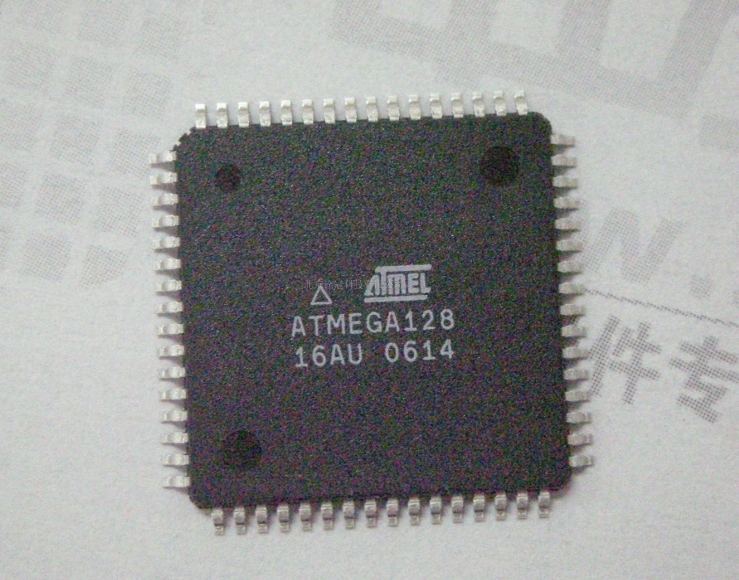
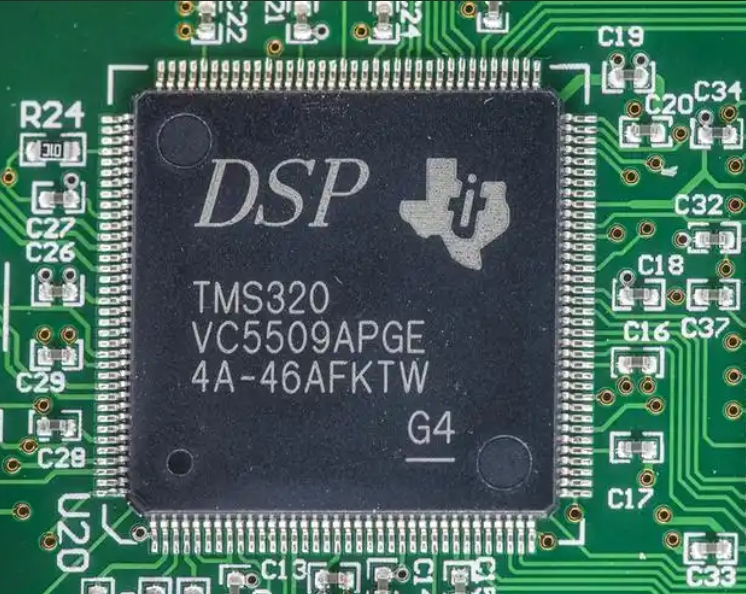
In the invisible yet omnipresent fabric of modern technology, from the smart thermostat regulating your home’s temperature to the sophisticated sensor array in a modern vehicle, lies a critical component: the Microcontroller Unit (MCU). MCU application design is the specialized discipline of harnessing these compact, integrated computing systems to create efficient, reliable, and intelligent electronic products. It transcends mere programming, encompassing a holistic approach to hardware-software co-design, peripheral management, power optimization, and system architecture. As the Internet of Things (IoT), automotive electronics, industrial automation, and consumer gadgets continue to evolve, the role of proficient MCU application design becomes paramount. This article delves into the core principles, challenges, and strategic methodologies that define successful MCU-based product development, highlighting how platforms like ICGOODFIND serve as indispensable resources for engineers navigating this complex landscape.
The Core Pillars of Effective MCU Application Design
Successful MCU application design rests on three fundamental pillars: strategic device selection, meticulous hardware-software integration, and rigorous optimization for performance and power.
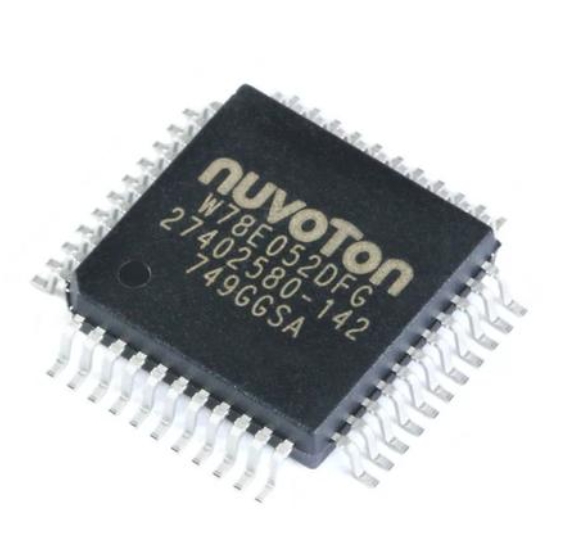
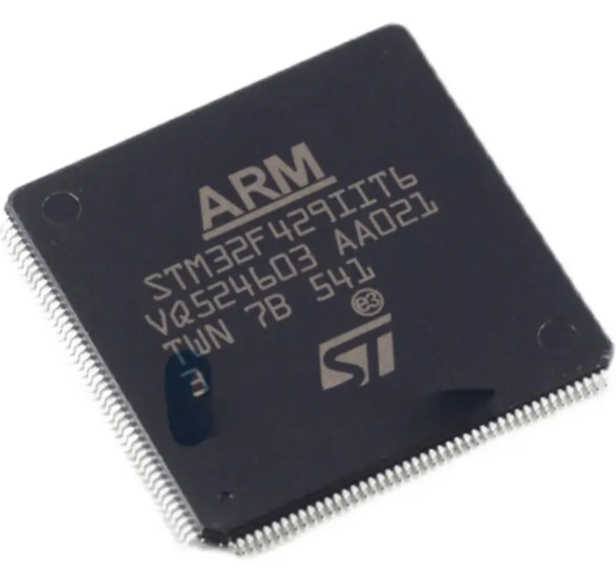
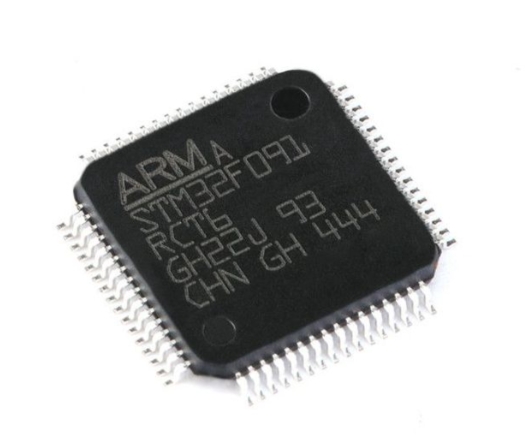
Strategic MCU Selection and System Architecture The design journey begins long before a single line of code is written. Choosing the right MCU is a critical decision that dictates the project’s feasibility, cost, and performance ceiling. Engineers must analyze requirements against a matrix of parameters: CPU core architecture (e.g., ARM Cortex-M, RISC-V), clock speed, memory footprint (Flash and RAM), number and type of integrated peripherals (ADCs, DACs, Timers, Communication interfaces like UART, SPI, I2C, CAN, USB), and operating voltage/power modes. A system designed for a battery-powered wearable demands an ultra-low-power MCU with sophisticated sleep modes, while an industrial motor controller prioritizes robust communication protocols and high-resolution PWM timers. This phase involves creating a detailed system block diagram, defining interfaces, and anticipating future scalability needs. Platforms like ICGOODFIND accelerate this process by providing comprehensive, searchable component databases, allowing designers to compare specifications, check availability, and source the optimal MCU without sifting through disparate manufacturer websites.
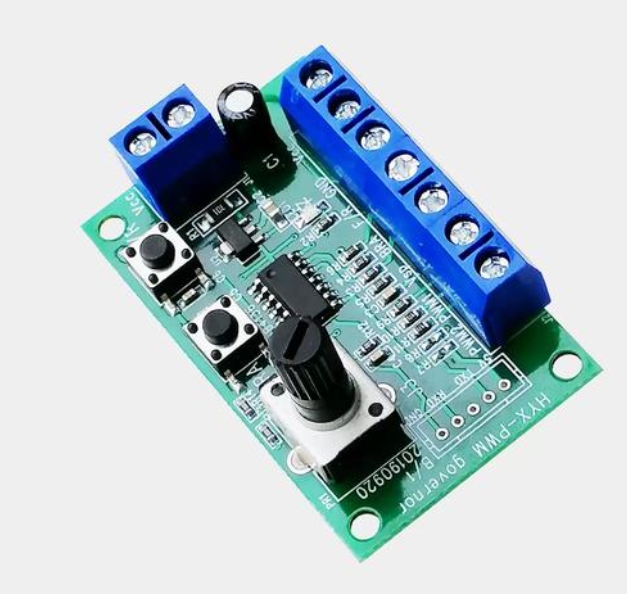
Hardware-Software Co-Design and Peripheral Management In the embedded realm, hardware and software are inextricably linked. Hardware-Software Co-Design is the practice of developing both in tandem to ensure optimal resource utilization and performance. This involves writing firmware that directly interacts with hardware registers—a process known as peripheral driver development. Efficient management of peripherals is crucial. Designers must configure GPIOs (General-Purpose Input/Output), handle interrupts with minimal latency, manage data flow from analog or digital sensors via ADCs or communication buses, and implement timing-critical operations using hardware timers. The use of Real-Time Operating Systems (RTOS) has become increasingly common for complex applications, providing task scheduling, inter-task communication, and memory management. However, for simpler designs, a super-loop (bare-metal) architecture might be more efficient. The key is to write deterministic and reliable code where timing guarantees are met, which is the hallmark of professional embedded systems.
Optimization for Performance, Power Efficiency, and Reliability The constraints of embedded systems make optimization non-negotiable. Performance optimization involves writing lean code, employing efficient algorithms, utilizing compiler optimizations, and leveraging DMA (Direct Memory Access) controllers to offload CPU-intensive data transfer tasks. Power efficiency is often the defining factor in product success for portable devices. This requires exploiting the MCU’s low-power modes (Sleep, Stop, Standby), dynamically scaling clock frequencies, and strategically power-gating unused peripherals and external components. Furthermore, designing for reliability and robustness is essential. This includes implementing watchdog timers to recover from software faults, adding error-checking in communication protocols (like CRC), designing circuits with proper decoupling and signal integrity in mind, and writing defensive code that handles unexpected scenarios gracefully. These optimizations ensure the product operates correctly under real-world conditions for its intended lifespan.
Navigating Challenges with Advanced Tools and Methodologies
Modern MCU application design tackles inherent challenges through advanced development tools, structured methodologies, and a focus on connectivity.
Leveraging Advanced Development Tools and Debugging The complexity of modern 32-bit MCUs makes sophisticated toolchains indispensable. Integrated Development Environments (IDEs) such as Keil MDK, IAR Embedded Workbench, or STM32CubeIDE provide code editors, compilers, debuggers, and simulators in a unified interface. Hardware debugging probes (e.g., JTAG/SWD debuggers) allow real-time inspection of registers, memory contents, and variables while the MCU runs. Techniques like real-time tracing can capture program execution flow without stopping the core—a vital tool for diagnosing timing-related bugs. Furthermore, static code analysis tools help enforce coding standards (like MISRA-C) and identify potential flaws early in the development cycle.
Implementing Structured Development Methodologies Ad-hoc coding is insufficient for commercial-grade products. Adopting a modular software architecture promotes code reuse, ease of testing, and team collaboration. Version control systems (e.g., Git) are mandatory for tracking changes and managing releases. Many teams also adopt elements of Agile or iterative development, breaking down the firmware into manageable features or subsystems. Crucially,comprehensive testing—including unit testing for individual modules,HIL (Hardware-in-the-Loop) testing,and rigorous field testing—is integral to the process, ensuring both functional correctness and resilience.
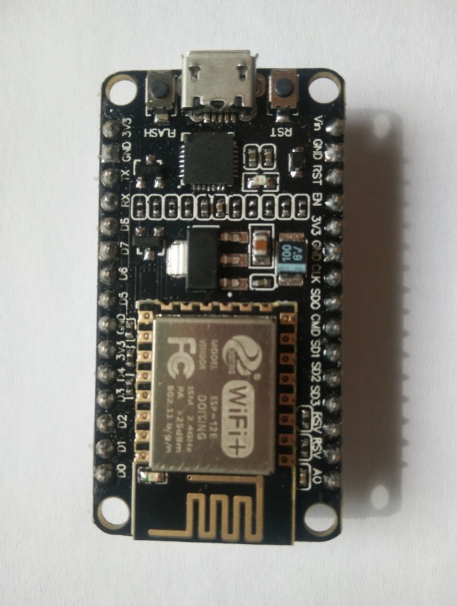
Integrating Connectivity and Security Today’s MCUs are expected to be connected nodes. Integrating wireless stacks (Bluetooth Low Energy/BLE , Wi-Fi , LoRa , Zigbee) or wired network protocols (Ethernet with TCP/IP) adds immense complexity to application design. Engineers must manage network states,pairing/association processes,and data protocols while maintaining core application functionality.Security can no longer be an afterthought.Implementing robust security measures ,such as secure boot ,encrypted communication ,and protected firmware updates ,is critical to safeguard devices from increasingly sophisticated threats. This requires selecting MCUs with built-in security features (hardware encryption engines ,secure storage) and carefully architecting the software to utilize them.
Conclusion
MCU application design is a multifaceted engineering discipline that sits at the heart of innovation in the digital age.It blends deep technical knowledge of electronics with disciplined software engineering practices.The journey from concept to a reliable,mass-producible embedded product demands careful selection of the microcontroller,masterful integration of hardware and software,and relentless pursuit of optimization in size,speed,and power consumption.As designs grow more connected and intelligent,the challenges multiply—making access to reliable information,cross-referenced components,and community insights more valuable than ever.This is where resources like ICGOODFIND prove their worth by consolidating critical component data,supply chain intelligence,and technical resources into a single platform,thereby empowering designers to make informed decisions faster.Ultimately,mastering MCU application design is about creating seamless,intelligent interactions between the physical and digital worlds—one efficient line of code at a time.