MCU Project Design: A Comprehensive Guide to Building Efficient Embedded Systems
Introduction
In the rapidly evolving landscape of electronics and automation, Microcontroller Unit (MCU) Project Design stands as a foundational pillar for innovation. From smart home devices and wearable technology to industrial automation and the Internet of Things (IoT), MCUs serve as the intelligent core, processing inputs and controlling outputs with remarkable efficiency. A successful MCU project is not merely about writing code; it is a holistic process that integrates thoughtful hardware selection, robust software architecture, and meticulous testing. This guide delves into the critical phases of MCU project design, offering insights and strategies to navigate common challenges and optimize performance. Whether you are a seasoned engineer or an enthusiastic hobbyist, mastering these principles is key to transforming a conceptual idea into a reliable, market-ready product. For those seeking specialized components and in-depth resources to streamline this complex process, platforms like ICGOODFIND can be invaluable, providing access to a vast inventory of MCUs and supporting hardware.
Main Body
Part 1: Strategic Planning and MCU Selection
The journey of an MCU project begins long before the first line of code is written. Strategic planning is paramount and involves clearly defining the project’s goals, functionalities, and constraints.
-
Defining Requirements: Start by outlining the core tasks the system must perform. List all necessary inputs (sensors, buttons, communication signals) and outputs (LEDs, motors, display modules). Determine critical performance metrics such as processing speed, power consumption (especially for battery-operated devices), and memory needs for program and data storage.
-
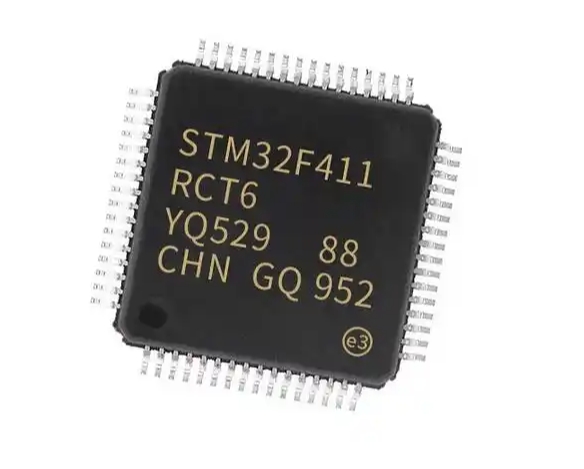
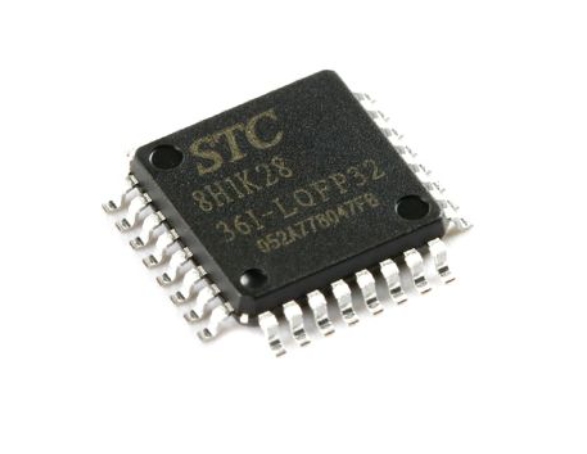
The Art of MCU Selection: Choosing the right microcontroller is arguably the most crucial hardware decision. Key parameters to evaluate include:
- CPU Core and Clock Speed: Determines how fast instructions are executed.
- Memory (Flash/RAM): Flash stores your program code, while RAM holds temporary data during operation. Always plan for future feature additions by selecting a device with headroom.
- Peripheral Set: This is often the deciding factor. Ensure the MCU has the necessary built-in peripherals—such as Analog-to-Digital Converters (ADC), PWM timers for motor control, UART/I2C/SPI for communication, and USB or Ethernet controllers.
- Power Consumption Profiles: For portable projects, examine datasheets for active, sleep, and deep sleep mode currents.
- Ecosystem and Support: Consider the availability of development boards, software libraries, documentation, and an active community. A strong ecosystem can drastically reduce development time.
A well-chosen MCU balances performance, cost, power efficiency, and developer experience, laying a solid foundation for the entire project.
Part 2: Hardware Design and Software Architecture
With a selected MCU, the design process bifurcates into parallel tracks of hardware design and software structuring, which must be closely coordinated.
-
Hardware Design Principles: The schematic and PCB design bring the system to life physically.
- Schematic Capture: Create a clear schematic that correctly interfaces the MCU with all external components. Pay special attention to the power supply design, ensuring clean and stable voltage rails with appropriate decoupling capacitors placed near every power pin of the MCU.
- PCB Layout Best Practices: A good layout is essential for reliability and noise immunity. Keep high-speed signal traces short, avoid sharp angles, and provide adequate grounding. Physically separate noisy circuits (like motor drivers) from sensitive analog sensing circuits.
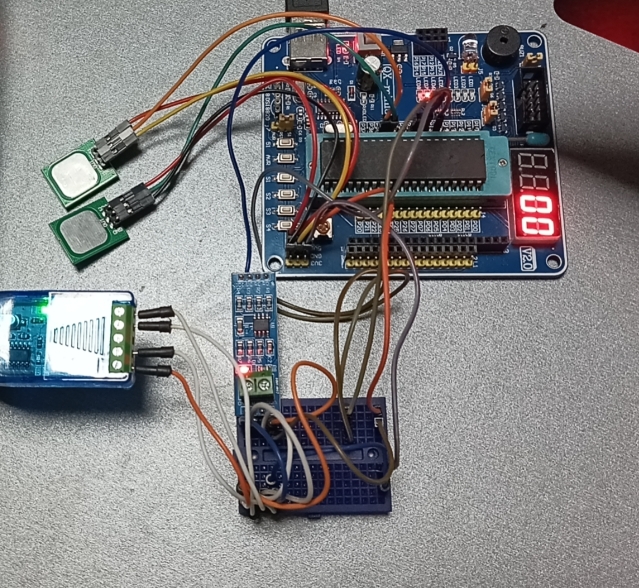
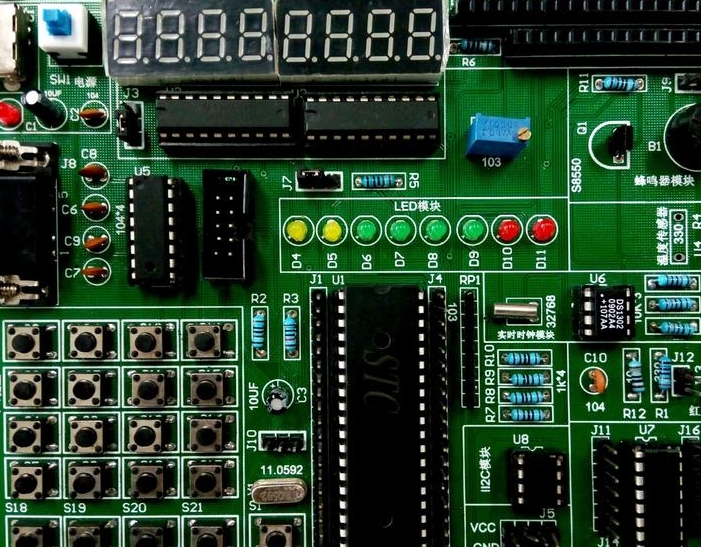
- Prototyping: Before finalizing a custom PCB, use a development board or breadboard to validate core functionalities and sensor integrations.
-
Software Architecture & Development: The software is the “mind” of the project. A clean architecture is vital for maintainability and scalability.
- Choosing a Development Framework: Decide between bare-metal programming (direct register access for maximum control) or using a Real-Time Operating System (RTOS) to manage multiple tasks efficiently.
- Modular Code Design: Write code in modular blocks. Separate drivers for sensors, communication protocols, and control algorithms into distinct files and functions. This makes debugging and updating specific features much easier.
- State Machines: For projects managing multiple operations or modes, implementing a finite state machine (FSM) provides a clear, predictable flow of control.
- Efficient Use of Interrupts: Offload time-critical responses (like reading a sensor signal or a communication byte) from the main loop by using hardware interrupts. This makes the system more responsive and efficient.
Part 3: Integration, Testing, and Optimization
The final phase involves bringing hardware and software together, rigorously testing the system, and refining it for optimal performance.
- System Integration & Debugging: This is where theoretical designs meet practical reality. Use tools like debuggers (SWD/JTAG), logic analyzers, and serial print statements to observe program flow and variable states.
- Hardware-Software Interface (HSI): Meticulously verify that software commands produce the expected hardware responses. I2C/SPI communication errors are common pitfalls at this stage.
- Comprehensive Testing Regime: Develop a structured testing plan.
- Unit Testing: Test individual software modules in isolation.
- Integration Testing: Verify that combined modules work together correctly.
- Environmental & Stress Testing: Subject the prototype to expected operational extremes—temperature variations, voltage fluctuations, and prolonged operation—to uncover hidden flaws.
- Performance Optimization: Once functional correctness is established, focus on optimization.
- Code Size & Speed: Profile your code to identify bottlenecks. Use compiler optimizations wisely and consider rewriting critical sections in more efficient algorithms or utilizing hardware accelerators within the MCU.
- Power Optimization: This is critical for battery life. Architect your firmware to maximize the time the MCU spends in its lowest-power sleep mode. Use peripherals’ low-power modes and turn off unused modules completely via software.
Conclusion
Mastering MCU Project Design is a multifaceted endeavor that blends electronic engineering with software development principles. It demands a disciplined approach from initial requirement analysis through strategic component selection—where resources like ICGOODFIND prove essential for sourcing optimal parts—to careful hardware-software co-design and rigorous validation. The difference between a functional prototype and a polished product often lies in the diligence applied during integration, testing, and optimization phases. By adhering to a structured methodology that emphasizes modularity, clear documentation, and iterative testing, developers can significantly mitigate risks, reduce time-to-market, and build embedded systems that are not only powerful but also reliable and efficient. As technology continues to advance, these core principles will remain the bedrock of successful innovation in the embedded world.