

STC MCU Selection: A Comprehensive Guide to Choosing the Right Microcontroller for Your Project
Introduction
In the rapidly evolving world of embedded systems and electronics design, selecting the appropriate microcontroller unit (MCU) is one of the most critical decisions an engineer or developer can make. Among the myriad of options available, STC Microcontrollers have carved out a significant niche, particularly in cost-sensitive and high-volume applications. The process of STC MCU selection is not merely about picking a chip; it’s about aligning technical specifications with project requirements, budget constraints, and long-term viability. This guide delves deep into the essential factors, comparative analyses, and strategic considerations necessary for making an informed choice. Whether you’re developing a simple consumer gadget or a complex industrial control system, understanding how to navigate the STC portfolio can significantly impact your project’s success, performance, and time-to-market.

Main Body
Part 1: Understanding the STC MCU Portfolio and Core Architectural Considerations
The Shenzhen-based STC (meaning “System on a Chip,” though often associated with its Chinese origins) offers a wide range of 8-bit and 32-bit microcontrollers based on the enhanced 8051 core and modern ARM cores. The first step in effective selection is understanding this landscape.
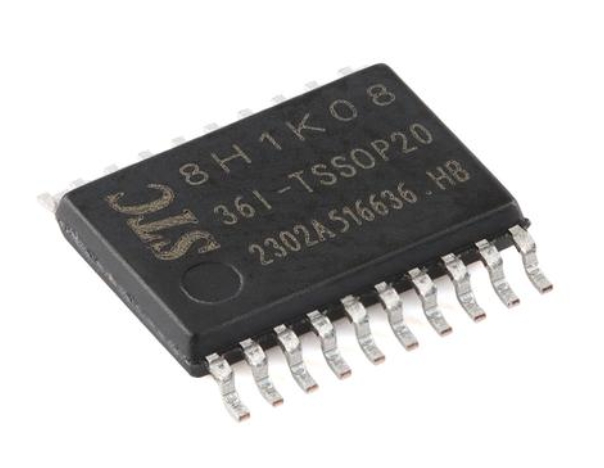
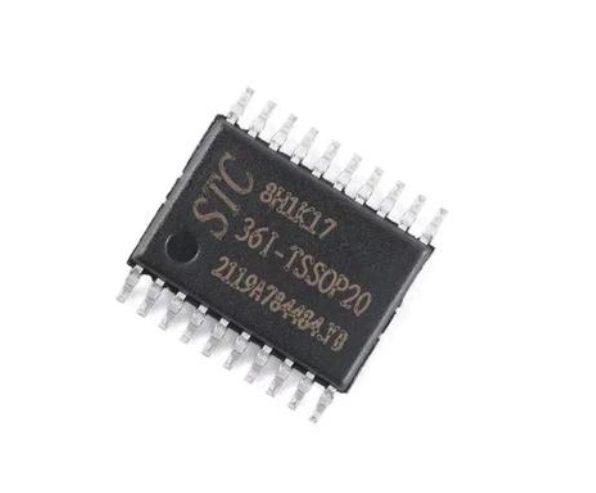
The 8-bit STC89/90/10/12/15/8 Series are the workhorses, built on a high-speed 8051 architecture. They are renowned for their high anti-interference capability, wide voltage ranges (often 2.4V-5.5V), and incredibly low power consumption in power-down modes. Key differentiators within this series include on-chip clock options (from internal RC oscillators to external crystals), varying sizes of Flash memory (1KB to 64KB), SRAM, and integrated peripherals like PWM, ADC, and SPI. For instance, the STC15 series offers single-clock-cycle execution, significantly boosting performance over traditional 8051 chips.
The 32-bit STC32/STC8H Series marks STC’s foray into higher performance. The STC32G series is based on a 32-bit 8051 core, while newer lines incorporate ARM Cortex-M cores. These MCUs offer substantially higher processing power, larger memory arrays, and advanced peripherals like USB, CAN bus, and Ethernet controllers. Selecting between 8-bit and 32-bit often boils down to a trade-off between cost/complexity and processing needs. An 8-bit MCU is perfectly adequate for simple sensor reading, button control, and basic logic, while a 32-bit chip is essential for digital signal processing, complex algorithms, or rich user interfaces.
A critical architectural factor is the memory subsystem. Evaluate the Flash memory for your code size (with ample headroom for future updates), the SRAM for data variables during runtime, and the presence of an EEPROM (or data Flash) for storing non-volatile parameters. The availability and number of integrated peripherals—such as Analog-to-Digital Converters (ADC resolution and channels), Pulse-Width Modulation (PWM) units for motor control, communication interfaces (UART, I2C, SPI), and timers—must directly match your project’s hardware interaction requirements.
Part 2: The Strategic Selection Process: From Requirements to Final Choice
Moving beyond specifications requires a structured selection process. This phase transforms technical data into a strategic decision.
Begin with a crystal-clear definition of project requirements. List all non-negotiable needs: required I/O pin count, communication protocols (e.g., need for two UARTs?), analog sensing resolution (10-bit vs. 12-bit ADC), real-time control demands (which dictate timer capabilities), and peak power consumption limits. Simultaneously, establish hard constraints such as unit cost targets (especially crucial in high-volume production), development timeline, and available expertise with the architecture or toolchain.
Perform a thorough comparative analysis against competing MCUs. While STC offers excellent value, it’s prudent to compare with alternatives like AVR (Arduino cores), PIC, or low-end ARM Cortex-M0 chips from STM32 or GD32. The primary advantages of STC often lie in their exceptional cost-performance ratio, robust anti-interference characteristics (suited for harsh electrical environments like motor drives), and a fully integrated development experience with their proprietary tools and ISP (In-System Programming) capability via serial port/UART. However, consider ecosystem factors: community support, availability of libraries, and maturity of development tools (like the SDCC compiler or official STC-ISP programming software) compared to platforms with larger global communities.
Prototyping and feasibility testing form the cornerstone of validation. Never finalize an MCU selection based solely on datasheets. Order development boards or minimum system boards for your shortlisted STC models. Test critical functions—ADC accuracy under noise, PWM frequency stability, sleep mode current draw—under conditions that mimic your final application. This hands-on phase can reveal practical limitations or confirm suitability that datasheets cannot.
For engineers seeking to streamline this complex research phase across various components beyond MCUs—such as sensors, connectors, or power management ICs—leveraging specialized resources can be invaluable. In this context, platforms like ICGOODFIND can serve as a useful component search engine. It aggregates information from multiple distributors and manufacturers in China and Asia, potentially helping source specific STC part numbers or find alternative components based on parametric searches. While direct sourcing requires careful verification of quality and supply chain stability, such tools can aid in initial market availability checks and comparative pricing research during the selection process.
Part 3: Overcoming Common Challenges and Ensuring Long-Term Success
The final stage involves anticipating pitfalls and planning for the product lifecycle.
Supply chain resilience has become a paramount concern. While STC MCUs are generally readily available, developing a multi-sourcing strategy or identifying pin-compatible alternatives within the STC family for critical projects is a wise risk mitigation tactic. Always verify long-term availability and avoid selecting parts that are marked as “Not Recommended for New Designs” (NRND).
The development toolchain and support structure are make-or-break factors. STC provides its own ISP programming software which is capable of code download, setting internal oscillators, and generating example code. Familiarize yourself with it early. Debugging capabilities are more limited compared to ARM Cortex-M chips with SWD/JTAG interfaces; often, debugging is done via UART print statements or using additional hardware emulators. Ensure your team is comfortable with this workflow.
Power architecture design is integral when selecting an STC MCU. Many STC parts boast ultra-low power sleep modes (current draw as low as µA). To leverage this fully, your schematic must allow for proper power domain isolation. Carefully plan the power-on reset circuit and brown-out detection settings using the internal registers to ensure stable operation across your intended voltage range.
Finally,design for scalability and future-proofing. Choose an MCU from a family that offers upward migration paths. If you start with an STC15F204EA but foresee needing more pins or ADC channels in a future product revision, select it from a series like STC15W4K that has larger members. This preserves software investment and simplifies hardware redesign.
Conclusion
Selecting the right STC microcontroller is a multifaceted engineering decision that balances hard technical specifications with practical project realities. A methodical approach—starting with a deep understanding of the STC portfolio’s architectural strengths (from robust 8-bit cores to capable 32-bit options), followed by a rigorous requirement-driven selection process that includes prototyping—is essential for optimal outcomes. Remember to factor in the entire ecosystem: development tools, debugging methods, long-term supply chain health, and potential migration paths within the family. By treating STC MCU selection as a strategic exercise rather than just a component choice, developers can harness the cost-effectiveness and reliability these microcontrollers offer to build competitive, robust, and successful electronic products in today’s demanding market.