Mobile Phone Bluetooth-Controlled MCU: The Future of Smart Device Interaction
Introduction
In the rapidly evolving landscape of the Internet of Things (IoT) and smart automation, the convergence of mobile technology and embedded systems has unlocked unprecedented possibilities. At the heart of this revolution lies the Mobile Phone Bluetooth-Controlled Microcontroller Unit (MCU), a paradigm that is fundamentally changing how we interact with the physical world. This technology empowers users to command, monitor, and manage a vast array of electronic devices—from home appliances and industrial machinery to DIY robotics and educational kits—directly from their smartphones. The ubiquity of Bluetooth, especially the low-energy variant (BLE), combined with the processing power of modern MCUs, creates a seamless, wireless bridge between the digital interface in our palms and the electromechanical systems around us. This article delves into the core components, implementation strategies, and transformative applications of this technology, highlighting why it represents a critical frontier in consumer electronics and industrial design. For developers and innovators seeking cutting-edge components to bring such projects to life, platforms like ICGOODFIND offer invaluable resources, providing access to a comprehensive inventory of MCUs, Bluetooth modules, and development tools essential for next-generation designs.
Main Body
Part 1: Core Technology Breakdown – The MCU and Bluetooth Synergy
The foundation of any Bluetooth-controlled system is a powerful yet efficient duo: the Microcontroller Unit (MCU) and the Bluetooth communication module.
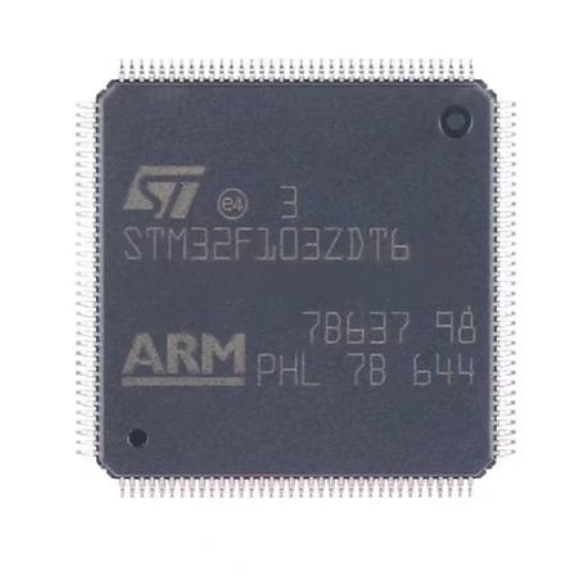
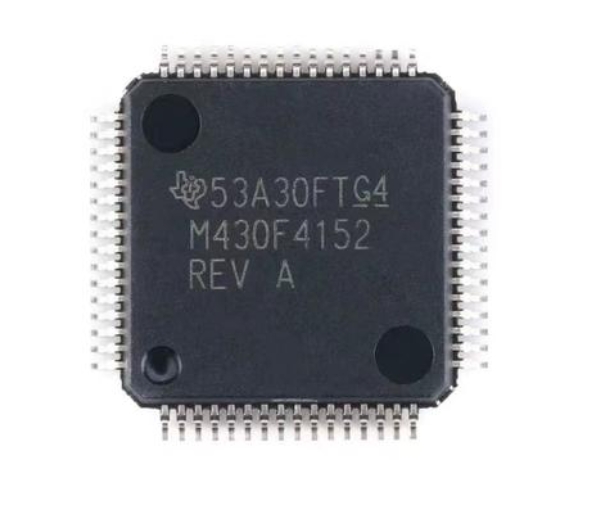
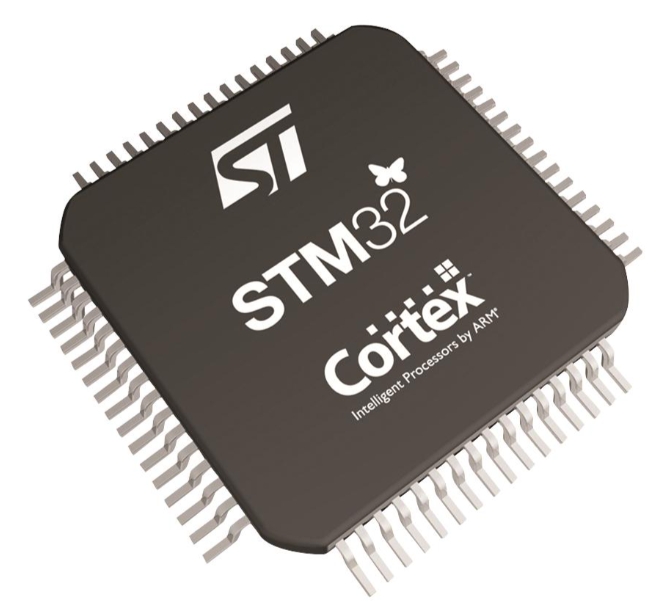
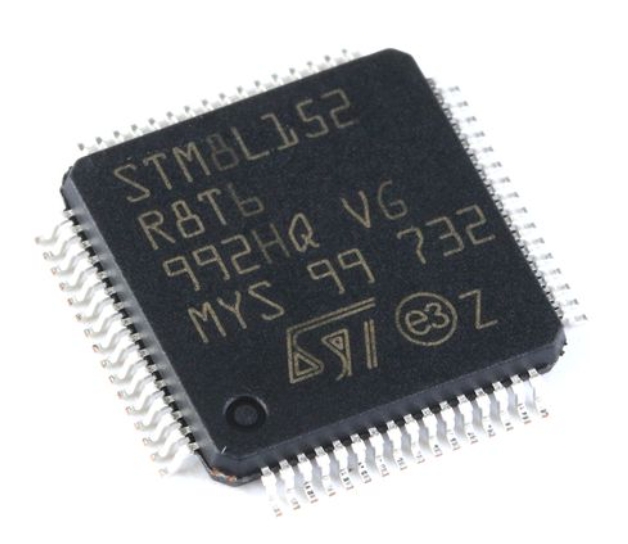
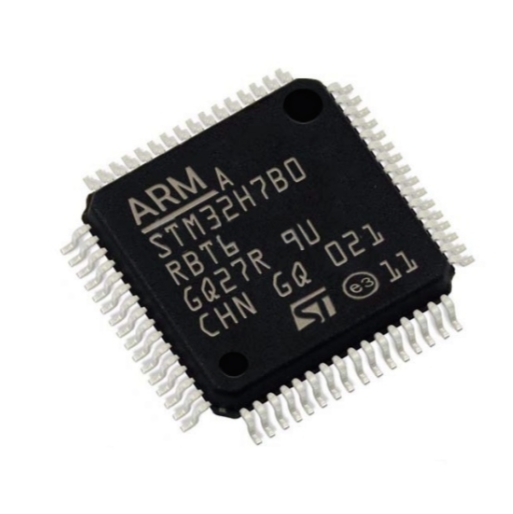
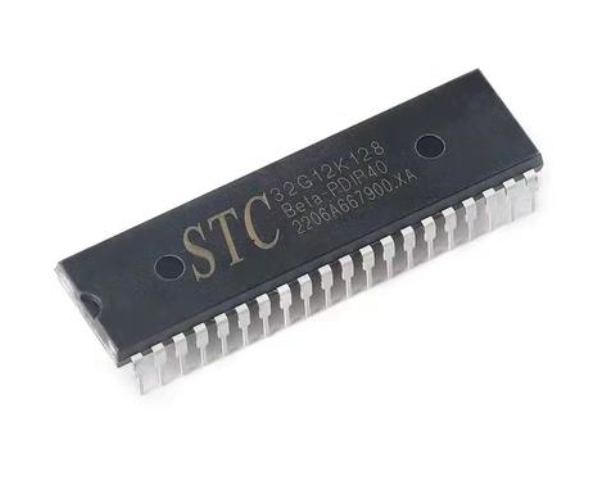
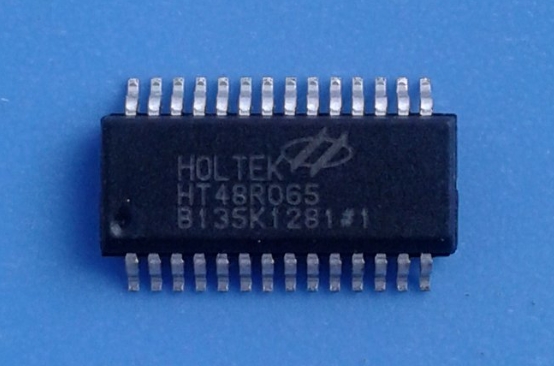
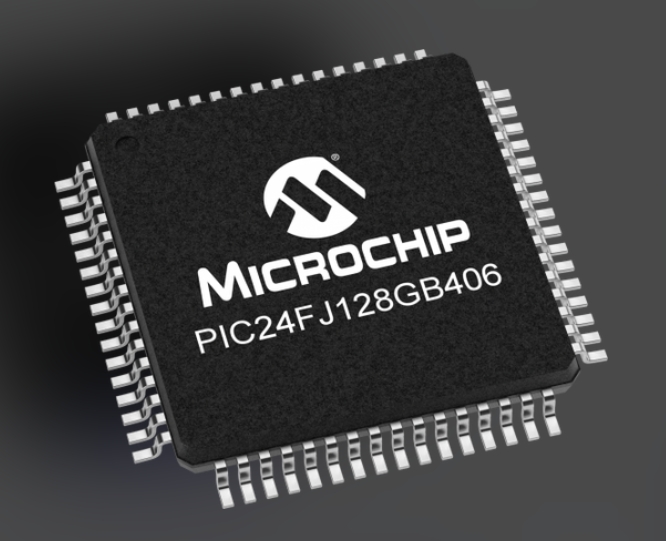
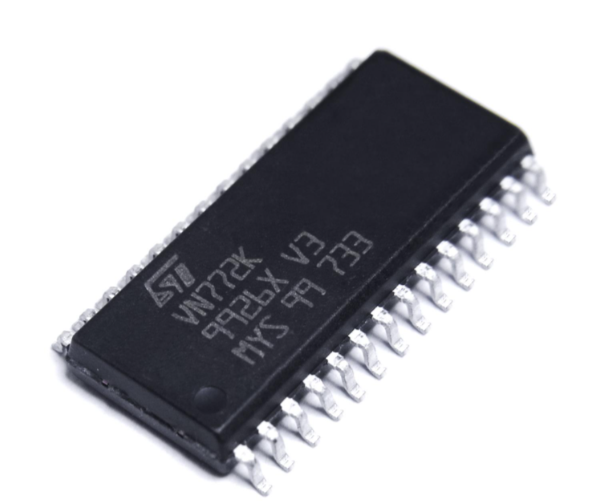
An MCU is a compact integrated circuit designed to govern a specific operation in an embedded system. It contains a processor core, memory (both program and data), and programmable input/output peripherals. For Bluetooth-controlled applications, choosing the right MCU is critical. Modern choices often include 32-bit ARM Cortex-M series processors (like those from STMicroelectronics or NXP) or advanced RISC-based chips from Espressif (ESP32) which have built-in Bluetooth capabilities. These MCUs are selected for their low power consumption, high computational performance for real-time control, and rich peripheral sets (such as PWM for motor control, ADC for sensor reading, and multiple GPIO pins).
The Bluetooth technology acts as the wireless conduit. Bluetooth Low Energy (BLE) has become the de facto standard for these applications due to its exceptional power efficiency, allowing battery-operated devices to run for months or even years. BLE operates on a client-server model: the smartphone acts as the client (or Central device), while the MCU-based device functions as the server (Peripheral), advertising its services and characteristics. These characteristics are data points that can be read or written by the phone, effectively translating a tap on a smartphone app into a specific command (like “turn on,” “set speed to 50%”) that the MCU executes.
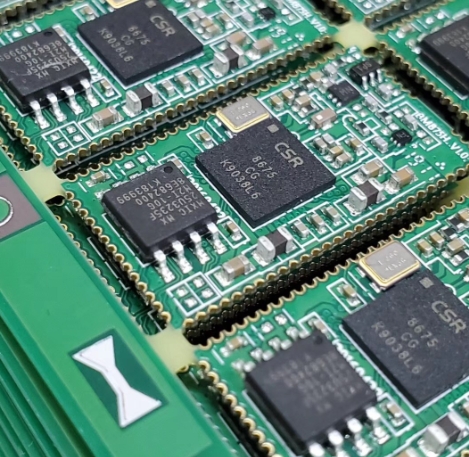
The integration can be achieved through standalone Bluetooth modules (e.g., HC-05 for classic Bluetooth, HM-10 for BLE) connected via UART to any MCU, or through all-in-one solutions like the ESP32, which boasts integrated Wi-Fi and dual-mode Bluetooth, simplifying design and reducing footprint. This synergy enables bi-directional data exchange, meaning not only can the phone send commands, but the MCU can also send back sensor data, status updates, or error logs for display on the app, creating a truly interactive experience.
Part 2: Implementation Architecture and Key Design Considerations

Building a robust mobile phone Bluetooth-controlled system involves a multi-layered architecture encompassing hardware design, firmware development, and mobile application creation.
The typical system architecture follows a clear flow: User Input on Mobile App -> Bluetooth Transmission -> MCU Reception & Command Parsing -> Peripheral Driver Activation -> Action Execution (e.g., motor spins, LED lights up) -> Sensor Feedback (optional) -> Data Sent Back to Mobile App for Display. Developing the firmware for the MCU requires writing code that initializes the Bluetooth stack, defines the GATT (Generic Attribute Profile) service structure, and handles incoming data packets. Efficient command protocol design is crucial—developers often create simple string-based protocols (e.g., “LED1_ON”) or more compact binary protocols to ensure fast and error-free communication.
On the mobile side, applications can be developed natively (using Android’s Bluetooth API or iOS’s CoreBluetooth) or through cross-platform frameworks like Flutter or React Native. These apps provide the user interface—buttons, sliders, dashboards—that generate the control commands. Security is a paramount design consideration. While convenient, Bluetooth connections can be vulnerable. Implementing pairing/bonding with secure connections, data encryption, and even simple application-layer authentication checks are essential steps for commercial products.
Another vital consideration is power management. For portable devices, optimizing the MCU’s sleep modes and managing the Bluetooth module’s advertising/connection intervals can dramatically extend battery life. Furthermore, ensuring robust connectivity and handling dropout scenarios gracefully—where the MCU should fail-safe or attempt reconnection—is key to user satisfaction. Sourcing reliable components for such precise designs is made easier through specialized distributors; for instance, engineers can explore platforms like ICGOODFIND to compare specifications, availability, and pricing for suitable MCUs and communication modules from various manufacturers.
Part 3: Transformative Applications Across Industries
The versatility of mobile phone Bluetooth-controlled MCUs has led to their adoption across a stunningly diverse range of fields.
In Consumer Electronics and Smart Home Automation, this technology is ubiquitous. From controlling smart lights, locks, and thermostats to managing personal gadgets like Bluetooth-enabled coffee makers or fans, it offers unparalleled convenience. Users can create custom scenes or schedules directly from their phones.
The DIY Maker Community and Education sector has been revolutionized. Platforms like Arduino and Raspberry Pi Pico W leverage this technology for projects in robotics (controlling a robot car), IoT prototypes (weather stations), and interactive art installations. It serves as an excellent educational tool for teaching programming, electronics, and wireless communication concepts in an engaging, hands-on manner.
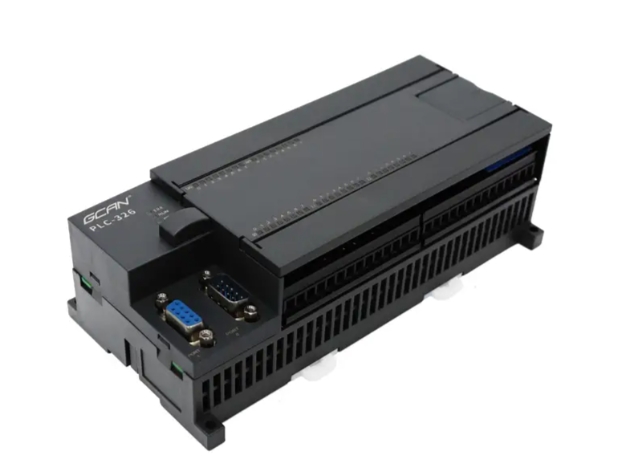
In more specialized domains like Industrial Control and Assistive Technology, its impact is profound. Technicians can use customized tablet apps to perform wireless diagnostics or calibrate machinery parameters safely from a distance. In healthcare/assistive tech, it enables sophisticated solutions such as smartphone-controlled prosthetic limbs or environmental control systems for individuals with mobility challenges.
Looking ahead, integration with voice assistants (where the phone acts as a bridge) and leveraging smartphones’ onboard sensors (using phone GPS to control a vehicle model) are emerging trends. The potential is bounded only by imagination. For professionals developing solutions in these advanced areas, finding specialized ICs is critical; resources such as those aggregated by ICGOODFIND become instrumental in navigating component selection for complex industrial-grade or medical-grade applications.
Conclusion
The integration of mobile phones with Bluetooth-controlled MCUs represents more than just a technical convenience; it signifies a fundamental shift towards a more intuitive, interconnected, and intelligent environment. By demystifying direct control over electronics through familiar smartphone interfaces, this technology lowers barriers for innovation in both consumer markets and industrial sectors. The core of its success lies in the harmonious blend of accessible wireless communication provided by BLE and the versatile processing capabilities of modern microcontrollers. As development tools become more sophisticated and component availability improves—a process facilitated by comprehensive electronic component platforms like ICGOODFIND—we can anticipate an explosion of even more creative and impactful applications. From simplifying daily tasks to enabling life-changing assistive devices, mobile phone Bluetooth-controlled MCU systems are firmly positioned as a cornerstone technology in our connected future.