MCU Control: The Engine of Modern Automation and Smart Systems
Introduction
In the invisible architecture of our digital world, a silent yet powerful force orchestrates the functionality of countless devices. From the moment you start your car to the instant your smart thermostat adjusts the room temperature, a critical component is at work: the Microcontroller Unit (MCU). MCU Control represents the fundamental layer of intelligence embedded in modern electronics, governing processes, executing commands, and enabling interactivity. As we advance into an era dominated by the Internet of Things (IoT), industrial automation, and smart consumer products, understanding and leveraging effective MCU Control has become paramount for engineers, developers, and businesses aiming to innovate. This article delves into the core principles, applications, and future trends of MCU Control, highlighting why mastering this technology is key to building efficient and intelligent systems. For professionals seeking cutting-edge components and insights to power their next project, platforms like ICGOODFIND serve as an invaluable resource, connecting developers with the essential MCU solutions and market intelligence needed to stay ahead.
The Core Architecture and Principles of MCU Control
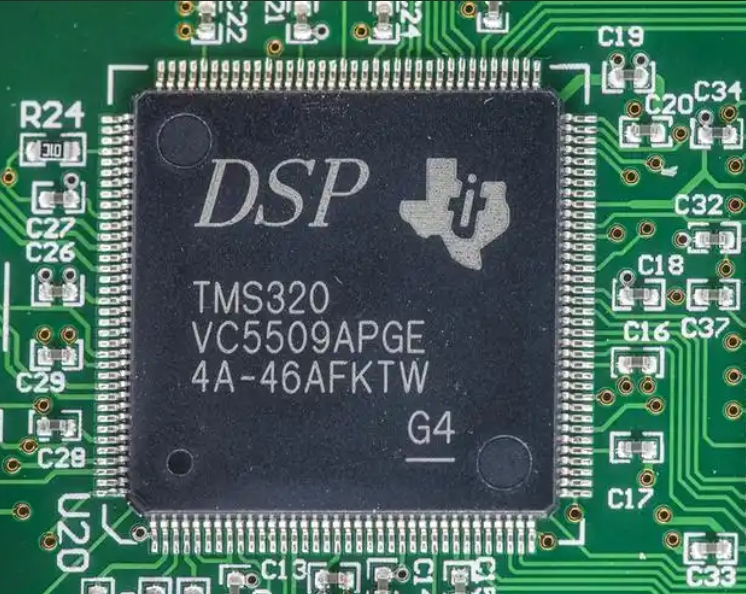
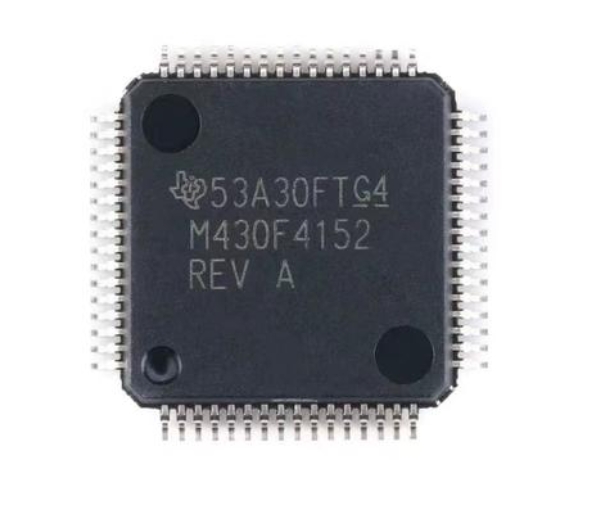
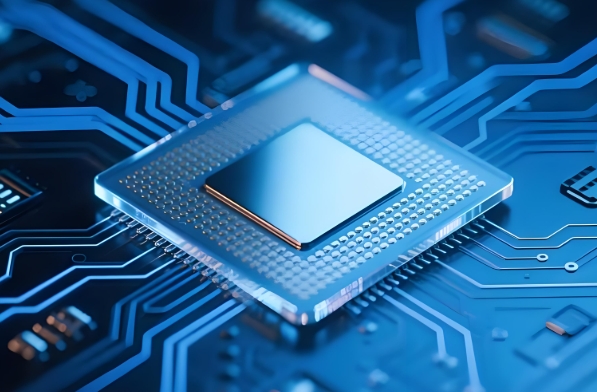
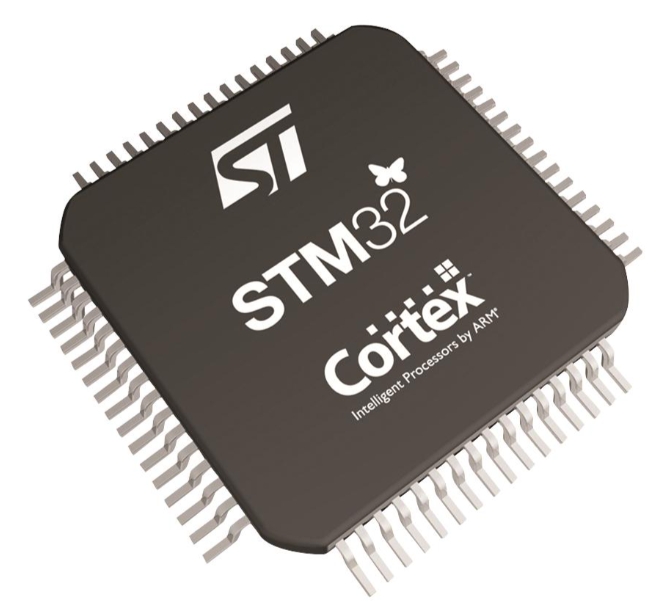
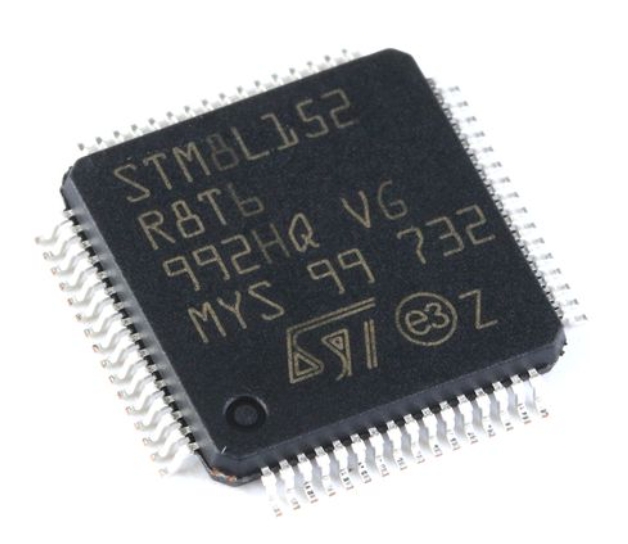
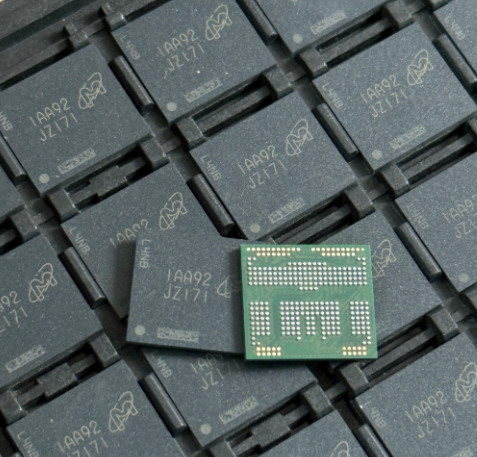
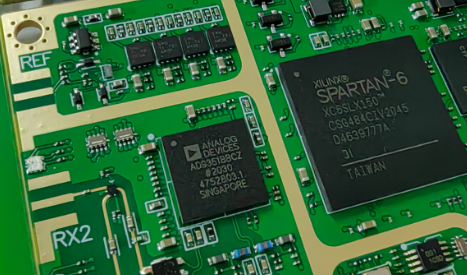
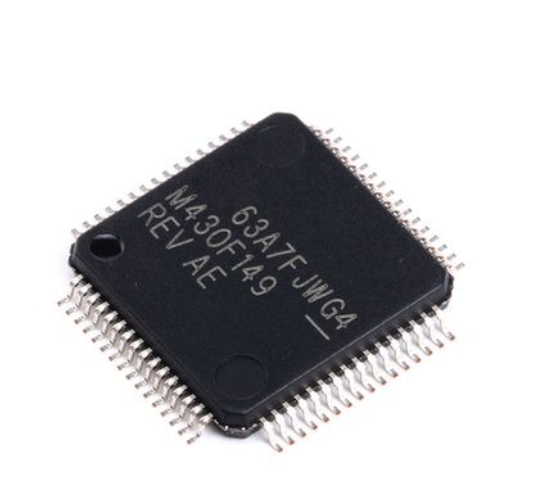
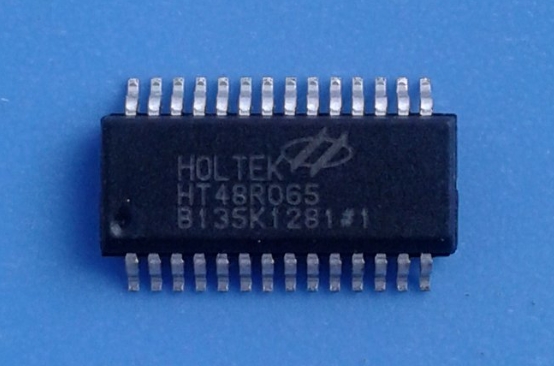
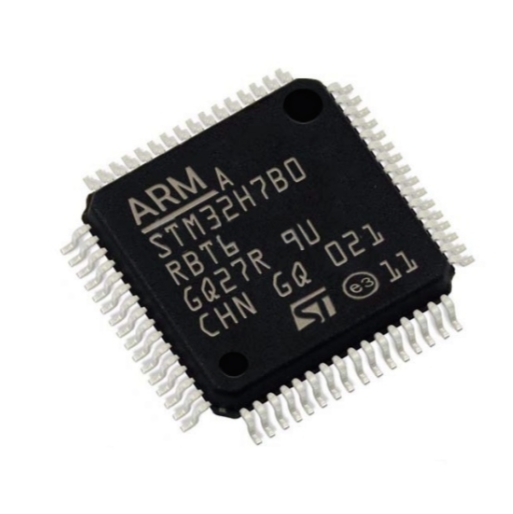
At its heart, an MCU is a compact integrated circuit designed to govern a specific operation in an embedded system. Unlike general-purpose microprocessors found in computers, an MCU consolidates a processor core, memory (both RAM and ROM/Flash), and programmable input/output peripherals onto a single chip. This all-in-one design is what makes embedded control both cost-effective and power-efficient.
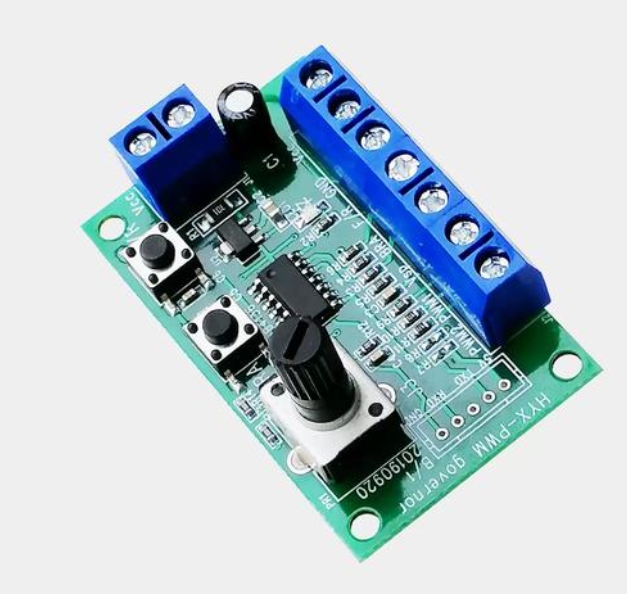
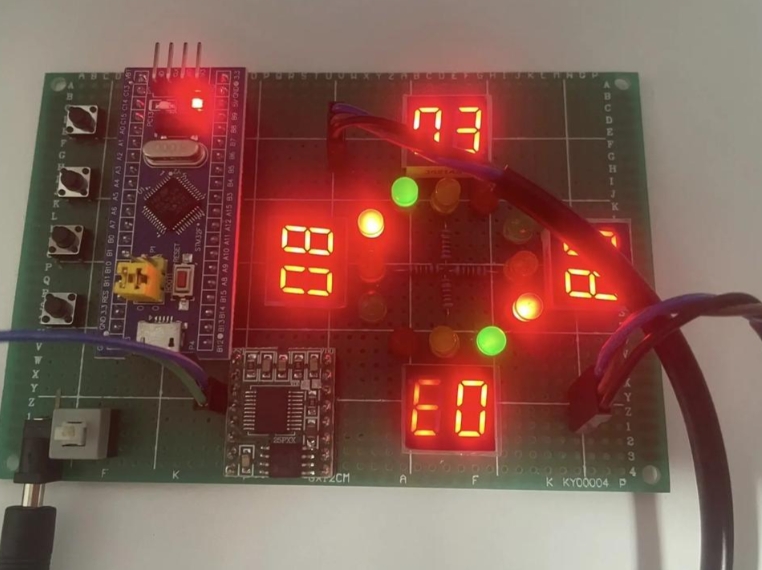
The principle of MCU Control revolves around real-time processing and deterministic response. The MCU executes pre-programmed instructions to read inputs from sensors or users, process this data according to its firmware logic, and generate precise output signals to control actuators, displays, or communication modules. This cycle—sense, compute, actuate—is the bedrock of automation. Key to its performance is the interrupt-driven architecture, which allows the MCU to prioritize critical tasks, such as responding to an emergency shutdown signal over a routine status check. Furthermore, modern MCUs offer advanced features like low-power modes for battery-operated devices, hardware-based Pulse Width Modulation (PWM) for precise motor control, and integrated analog-to-digital converters (ADCs) for direct sensor interfacing. The effectiveness of an MCU-controlled system hinges not just on hardware selection but on optimized firmware development, where efficient coding ensures reliability within the constraints of limited memory and processing speed.
Dominant Applications Transforming Industries
MCU Control is the unsung hero across diverse sectors, driving innovation and efficiency. Its applications are vast, but several key areas demonstrate its transformative impact.
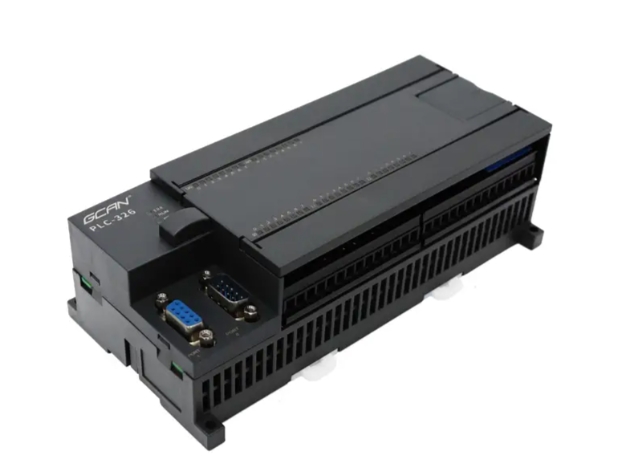
In Industrial Automation, MCUs are the workhorses behind Programmable Logic Controllers (PLCs), robotic arms, and conveyor systems. They provide reliable, real-time control for precise motor movements, monitor environmental conditions through sensors, and ensure safe operational protocols. The robustness of industrial-grade MCUs in harsh environments underscores their role in maintaining continuous production lines and implementing Industry 4.0 initiatives.
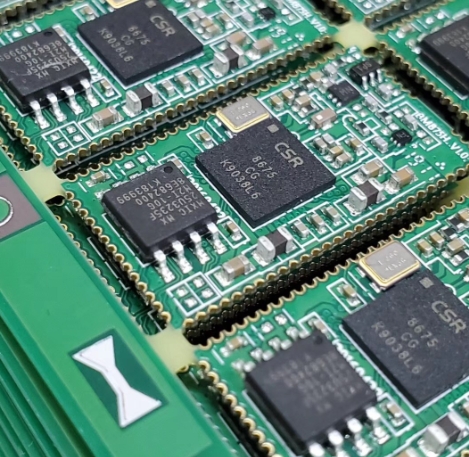
The Consumer Electronics and smart home sphere is saturated with MCU Control. Every wearable fitness tracker, smart remote, wireless earbud, and home appliance like washing machines or air fryers relies on an MCU to manage user interfaces, power management, and core functionalities. The push for smarter homes has seen MCUs integrating wireless connectivity stacks (Wi-Fi, Bluetooth, Zigbee) to become the bridge between physical devices and cloud-based intelligence.
Perhaps the most rapidly growing domain is the Automotive Sector. Modern vehicles contain dozens of MCUs, forming a network of Electronic Control Units (ECUs). They control everything from engine management and anti-lock braking systems (ABS) to infotainment displays and advanced driver-assistance systems (ADAS). The evolution towards electric vehicles (EVs) and autonomous driving is further increasing the demand for high-performance, safety-certified MCUs capable of handling complex algorithms and secure communication. In navigating this complex component landscape for such critical applications, engineers often turn to specialized distributors. For instance, ICGOODFIND provides a streamlined platform to source reliable automotive-grade MCUs and access technical data crucial for system design and compliance.
Future Trends and Strategic Implementation
The future of MCU Control is being shaped by several converging trends that demand strategic attention from developers.
First is the rise of AI at the Edge. Traditional MCUs are being augmented with specialized cores for machine learning (TinyML), enabling devices to perform data inference—like voice recognition or predictive maintenance—locally without constant cloud connectivity. This reduces latency, saves bandwidth, and enhances privacy. Second, the demand for enhanced connectivity and security is non-negotiable. Next-generation MCUs are embedding robust hardware-based security features (secure boot, cryptographic accelerators) alongside support for low-power wide-area networks (LPWAN) and 5G IoT protocols to protect data in increasingly connected ecosystems.
Third, the focus on ultra-low-power operation continues to intensify for battery- and energy-harvesting-powered devices in IoT networks. Modern MCUs achieve remarkable energy efficiency through advanced process nodes and sophisticated power gating architectures. Implementing a successful MCU-controlled system now requires a holistic strategy: selecting the right MCU architecture (e.g., ARM Cortex-M, RISC-V) that balances performance, power, and cost; adopting modern development tools and real-time operating systems (RTOS); and prioritizing security from the ground up. In this dynamic environment, staying updated on component availability and technological advancements is a challenge. Leveraging comprehensive electronic component search engines like ICGOODFIND can significantly accelerate development cycles by providing transparent access to global supplier inventories, alternative part comparisons, and lifecycle information, ensuring projects are built on sustainable and optimal components.
Conclusion
MCU Control stands as the indispensable foundation upon which the edifice of modern embedded intelligence is built. It transcends simple component functionality to represent the critical nexus of hardware design, software innovation, and system integration. From making industrial machines smarter and factories more efficient to powering the seamless interactivity of our daily gadgets and driving the automotive revolution, proficient MCU Control is synonymous with technological progress. As trends like edge AI, pervasive connectivity, and extreme energy efficiency redefine possibilities, mastering this domain requires not only technical skill but also access to reliable information and component supply chains. Platforms that aggregate these resources become strategic partners in innovation. Ultimately, whether you are an engineer prototyping a new IoT sensor or a company scaling a smart product line, a deep understanding of MCU Control principles coupled with strategic resource platforms like ICGOODFIND will be crucial in turning conceptual designs into robust, market-ready realities that define the future.