

MCU Application Technology: The Engine of Modern Innovation
Introduction
In the invisible yet omnipresent fabric of our digital world, a silent workhorse powers everything from the mundane to the extraordinary. This is the realm of Microcontroller Unit (MCU) Application Technology. Far more than just a component on a circuit board, MCU technology represents the foundational intelligence embedded within countless devices, enabling them to sense, compute, and act autonomously. As we advance into an era dominated by the Internet of Things (IoT), smart automation, and edge computing, understanding and leveraging MCU application technology has become paramount for engineers, product developers, and businesses aiming to lead in innovation. This article delves into the core principles, transformative applications, and future trajectories of this critical technology, highlighting why mastery over its application is a decisive competitive advantage. For professionals seeking to navigate this complex landscape with precision, platforms like ICGOODFIND offer invaluable resources for component sourcing, technical data, and market insights, connecting theory with practical implementation.
The Core Architecture and Evolving Capabilities of Modern MCUs
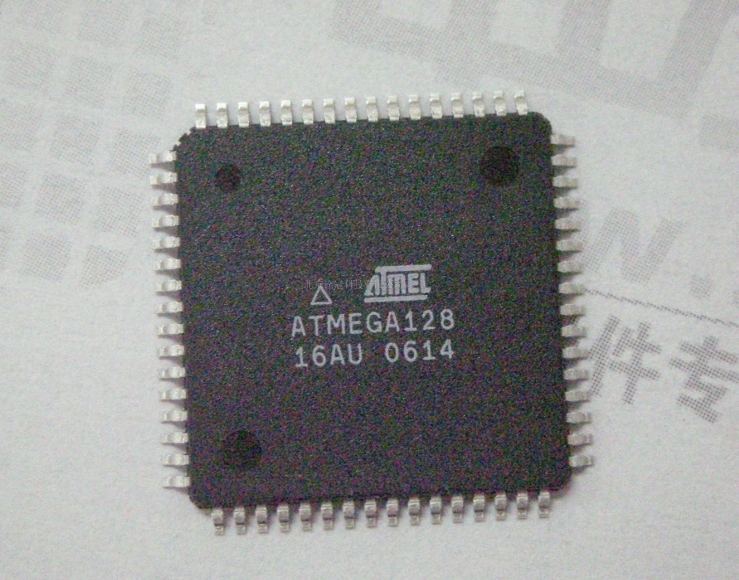
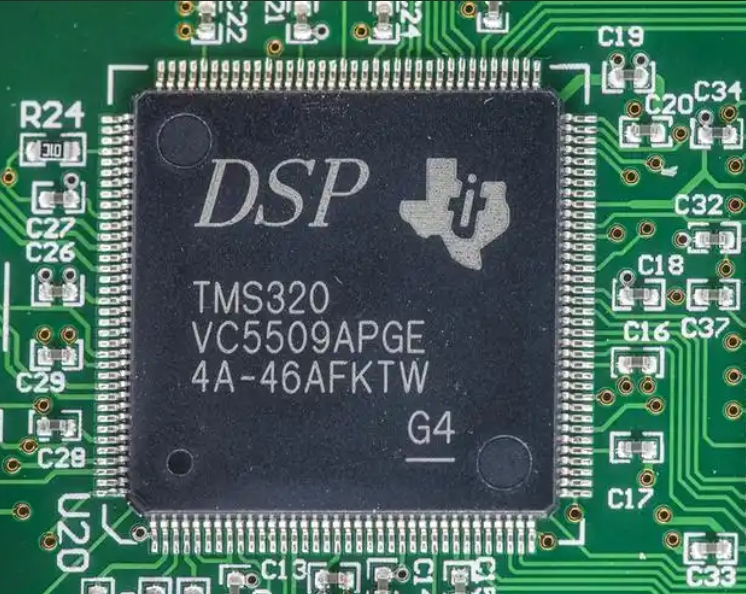
At its heart, an MCU is a compact integrated circuit designed to govern a specific operation in an embedded system. Unlike general-purpose microprocessors that require external chips for memory and peripherals, an MCU typically incorporates a processor core, memory (both RAM and ROM/Flash), and programmable input/output peripherals on a single chip. This “system-on-a-chip” design is what makes MCUs incredibly cost-effective, power-efficient, and ideal for dedicated control tasks.
The evolution of MCU application technology has been dramatic. Early MCUs were relatively simple 4-bit or 8-bit controllers with limited memory. Today, the landscape is diverse: * Bit Architecture: Applications range from ultra-low-power 8-bit MCUs in remote sensors to 32-bit Arm Cortex-M based powerhouses that can run real-time operating systems (RTOS) and complex algorithms. * Enhanced Peripherals: Modern MCUs come equipped with a rich set of integrated peripherals such as Analog-to-Digital Converters (ADCs), Digital-to-Analog Converters (DACs), various communication interfaces (UART, I2C, SPI, USB, CAN), and dedicated PWM controllers for motor control. * Power Efficiency: A critical advancement is in ultra-low-power (ULP) design techniques. Technologies like multiple sleep modes, dynamic voltage scaling, and peripheral reflex systems allow devices to operate for years on a single battery charge, which is fundamental for IoT. * Security Features: As connectivity increases, so do threats. Contemporary MCUs now often include hardware-based security features like cryptographic accelerators, secure boot, and tamper detection zones to protect intellectual property and data integrity.
The selection of the appropriate MCU architecture—balancing processing power, energy consumption, peripheral needs, and cost—is the first critical step in any successful embedded design project.
Transformative Applications Across Industries
MCU application technology is the silent enabler behind the “smart” revolution. Its deployment spans virtually every sector of the economy.
1. Consumer Electronics and Smart Home: This is perhaps the most visible domain. MCUs are the brains inside wearable fitness trackers, smartwatches, wireless earbuds, and home appliances. They manage touch interfaces, sensor data fusion (from accelerometers, heart rate monitors), Bluetooth/Wi-Fi connectivity, and power management. In smart homes, MCUs enable everything from connected thermostats and lighting systems to security cameras and voice-controlled assistants, creating ecosystems of interoperable devices.
2. Industrial Automation and IoT: Here, reliability and real-time performance are key. MCUs drive Programmable Logic Controllers (PLCs), motor controls for robotics and conveyor systems, predictive maintenance sensors that monitor vibration and temperature, and environmental monitoring stations. In the Industrial IoT (IIoT), edge nodes equipped with MCUs perform local data processing and filtering before sending only essential information to the cloud, reducing latency and bandwidth costs.
3. Automotive and Transportation: The modern automobile is a network of dozens, sometimes over a hundred, MCUs. They control essential functions like engine management units (ECUs), anti-lock braking systems (ABS), airbag deployment, infotainment systems, and advanced driver-assistance systems (ADAS). The trend towards electric vehicles (EVs) and autonomous driving further increases reliance on high-performance, safety-certified MCUs for battery management systems (BMS), sensor fusion, and vehicle-to-everything (V2X) communication.
4. Healthcare and Medical Devices: MCU technology is vital in life-critical applications. They are embedded in portable medical devices such as insulin pumps, glucose monitors, digital stethoscopes, and CPAP machines. Their ability to provide precise analog sensor measurement, reliable operation, and robust data handling makes them indispensable for both diagnostic and therapeutic equipment.
Future Trends and Development Considerations
The horizon for MCU application technology is shaped by several converging megatrends that demand continuous adaptation from developers.
AI at the Edge: The next frontier is embedding machine learning capabilities directly onto MCUs—a field known as TinyML. This allows devices like smart sensors or audio processors to run inference models locally for tasks like anomaly detection or keyword spotting without constant cloud connectivity. This drastically improves response time and privacy while conserving power.
Advanced Connectivity: While Wi-Fi and Bluetooth Low Energy (BLE) are standard, new protocols like Matter for smart home interoperability and low-power wide-area networks (LPWAN) like LoRaWAN for agricultural or urban sensing are being integrated directly into MCU offerings. Choosing an MCU with the right connectivity stack is crucial for product success.
Focus on Security-by-Design: With cyber-physical systems becoming commonplace, security can no longer be an afterthought. Future development will prioritize MCUs with built-in hardware trust roots, secure firmware update mechanisms, and resistance to side-channel attacks from the initial design phase.
The Challenge of Sourcing and Lifespan: In a world marked by supply chain volatility, finding reliable sources for specific MCUs has become a significant challenge. Engineers must consider alternative parts, lifecycle statuses (e.g., NRND - Not Recommended for New Designs), and long-term availability during the design phase. This is where comprehensive platforms prove essential. A resource like ICGOODFIND can streamline this process by providing access to extensive supplier networks, detailed component specifications across manufacturers, and lifecycle information—ensuring that innovative designs are not only technically brilliant but also manufacturable and sustainable in the long term.
Conclusion
MCU Application Technology stands as one of the most pivotal yet understated drivers of contemporary technological progress. From making everyday objects intelligent to orchestrating complex industrial systems and safeguarding human health, its influence is both profound and pervasive. As we move forward, the convergence of AI, ubiquitous connectivity, and heightened security needs will further elevate the strategic importance of sophisticated MCU design and application. Success in this evolving landscape requires not only deep technical expertise in embedded systems but also strategic insight into component selection and supply chain logistics. By mastering the principles outlined here and utilizing robust resources for implementation—including platforms dedicated to component intelligence like ICGOODFIND—innovators can effectively harness the full potential of MCUs to build a smarter, more efficient, and interconnected future.