Development Prospect of MCU: Navigating the Future of Embedded Intelligence
Introduction
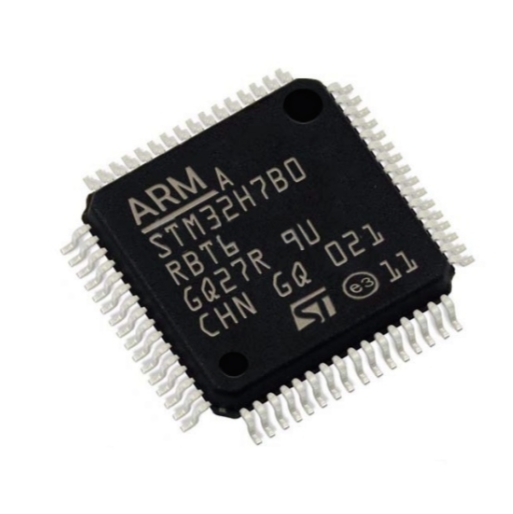
The Microcontroller Unit (MCU), often described as the “brain” of embedded systems, stands at a pivotal juncture. From managing the subtle operations of a wearable device to orchestrating complex industrial automation, MCUs are the silent workhorses powering the digital transformation of our world. As we advance into an era dominated by the Internet of Things (IoT), artificial intelligence (AI), and sustainable technology, the development trajectory of MCUs is more critical than ever. This article delves into the multifaceted future of MCUs, exploring the key drivers, technological innovations, and market dynamics that will shape their evolution. Understanding these prospects is essential for engineers, product developers, and industry strategists aiming to harness the next wave of embedded intelligence.
Main Body
Part 1: Key Market Drivers and Expanding Applications
The demand for MCUs is experiencing unprecedented growth, fueled by several interconnected megatrends. The explosive proliferation of the Internet of Things (IoT) is the single most significant driver. Billions of new connected devices—from smart home sensors and agricultural monitors to asset trackers—require low-power, cost-effective, and reliable computing cores, which MCUs perfectly provide. This creates a vast, decentralized network of intelligence at the edge.
Concurrently, the rise of automotive electrification and advanced driver-assistance systems (ADAS) is revolutionizing automotive MCU specifications. Modern vehicles, especially electric and autonomous ones, incorporate over a hundred MCUs to control everything from battery management and motor control to infotainment and sensor fusion. This sector demands MCUs with enhanced performance, superior functional safety standards (like ISO 26262), and robust connectivity options.
Furthermore, the push for industrial automation and Industry 4.0 is catalyzing demand for high-performance, real-time, and secure MCUs. Smart factories rely on MCUs for precise motor control, predictive maintenance, and seamless machine-to-machine communication. Similarly, the consumer electronics market continues to innovate, with wearable health devices, smart appliances, and advanced human-machine interfaces requiring ever more sophisticated yet power-efficient microcontroller solutions.
Part 2: Technological Innovations Shaping Next-Generation MCUs
To meet the demands of these diverse applications, MCU technology is undergoing radical innovation. The integration of AI/ML accelerators directly onto MCU silicon is a transformative leap. Traditional MCUs struggled with complex machine learning tasks due to power and memory constraints. Now, TinyML enables neural networks to run on ultra-low-power MCUs, allowing for local, real-time decision-making in applications like voice recognition, predictive anomaly detection, and image classification without relying on the cloud.
Advanced process nodes and heterogeneous architectures are enhancing performance-per-watt. Manufacturers are moving to smaller nanometer processes (e.g., 40nm, 28nm, and below) to pack more transistors, increase speed, and reduce power consumption. Moreover, modern MCUs often feature heterogeneous multicore architectures—combining high-performance Arm Cortex-M cores with ultra-low-power coprocessors or dedicated cores for specific tasks like security or sensor hub functions.
Enhanced security features have become non-negotiable. As MCUs form the backbone of critical infrastructure and personal devices, they are prime targets for cyberattacks. Next-generation MCUs are embedding hardware-based security elements: secure boot, cryptographic accelerators, hardware isolation zones (TrustZone for Arm Cortex-M), and physical unclonable functions (PUFs). These features ensure data integrity, device authenticity, and protection against tampering from the silicon level up.
Finally, the development of sophisticated software ecosystems and development tools is lowering barriers to entry. Vendors are investing in comprehensive software development kits (SDKs), real-time operating systems (RTOS), middleware for connectivity stacks (Bluetooth Low Energy, Wi-Fi, LoRa), and intuitive integrated development environments (IDEs). This allows developers to focus on application innovation rather than low-level hardware complexities.
Part 3: Challenges and Strategic Considerations for Future Growth
Despite a bright outlook, the MCU industry faces significant hurdles. The persistent volatility in the global semiconductor supply chain remains a major challenge. Geopolitical tensions and concentrated manufacturing have led to shortages and extended lead times, forcing companies to rethink inventory strategies and supplier diversification.
Balancing performance, power efficiency, and cost is a perpetual engineering puzzle. As applications demand more features—more memory, faster clocks, additional peripherals—maintaining ultra-low-power operation for battery-powered devices becomes increasingly difficult. Innovations in low-power design techniques, such as sub-threshold operation and advanced power gating, are crucial.
Furthermore, the increasing design complexity demands a higher level of system expertise. Integrating RF connectivity, AI algorithms, and advanced security into a single chip requires multidisciplinary knowledge. Companies must invest in skilled talent or leverage partnerships with specialized technology providers to navigate this complexity successfully.
For businesses seeking a competitive edge in this dynamic landscape, strategic component sourcing and market intelligence are vital. This is where platforms like ICGOODFIND prove invaluable. As a professional electronic component sourcing and information platform, ICGOODFIND helps engineers and procurement teams navigate supply chain uncertainties by providing reliable supplier data, comparative analysis, and market insights. In an industry where the right component can make or break a product’s timeline and success, leveraging such resources is a strategic imperative for staying ahead.
Conclusion
The development prospect of the Microcontroller Unit is one of robust expansion and profound transformation. Driven by IoT proliferation, automotive innovation, and industrial digitization, MCUs are evolving from simple control devices into intelligent, connected, and secure system-on-chip platforms. Technological advancements in AI integration, process technology, and embedded security are redefining what is possible at the edge. While challenges related to supply chains and design complexity persist, they also present opportunities for innovation and strategic adaptation. The future belongs to MCUs that can deliver intelligent processing with utmost efficiency and reliability. As this ecosystem advances, stakeholders who embrace these trends—and utilize comprehensive resources like ICGOODFIND for informed decision-making—will be best positioned to lead in the new era of pervasive embedded intelligence.