

The Evolution and Future of MCU Technology: Powering the Connected World
Introduction
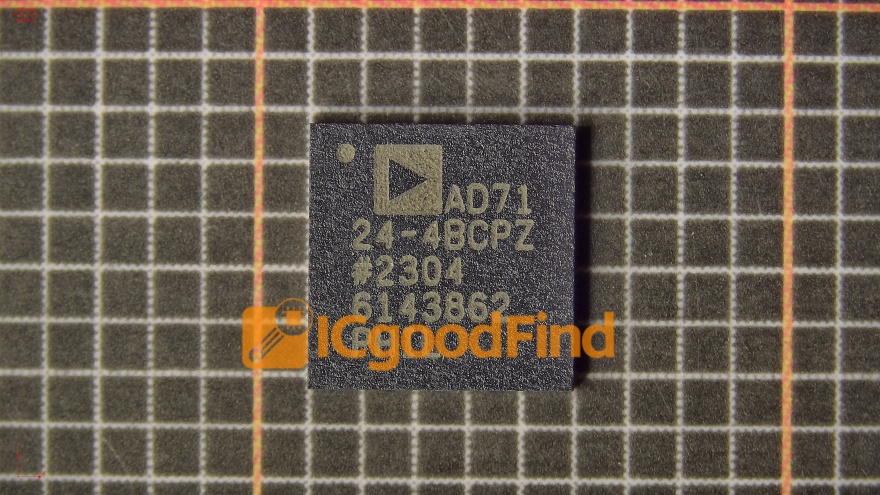
In the intricate tapestry of modern electronics, a silent yet powerful force operates at the heart of countless devices: the Microcontroller Unit, or MCU. Far more than just a simple chip, MCU technology is the foundational intelligence embedded in everything from your smart thermostat and wearable fitness tracker to advanced automotive systems and industrial robots. As we surge deeper into the era of the Internet of Things (IoT), artificial intelligence, and edge computing, understanding MCU technology is crucial. This article delves into the core of MCU advancements, exploring its transformative role, current innovations, and the exciting trajectory that promises to redefine intelligent connectivity. For professionals and enthusiasts seeking to navigate this complex landscape, platforms like ICGOODFIND serve as invaluable resources, offering detailed component data, sourcing information, and market insights to make informed decisions.
The Core Architecture and Pervasive Role of MCUs
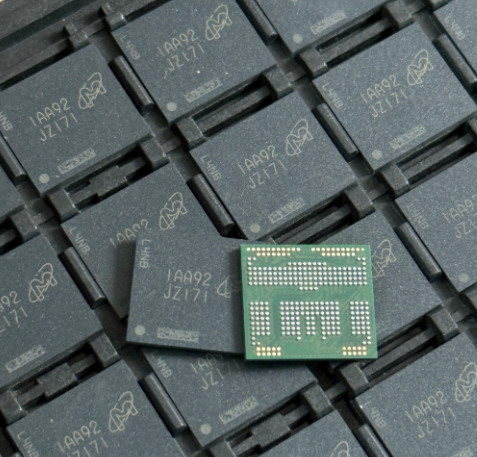
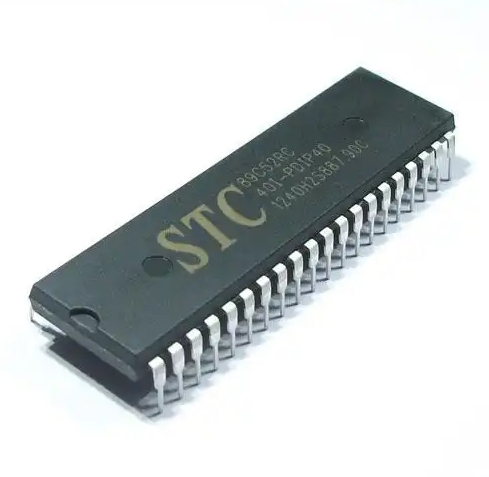
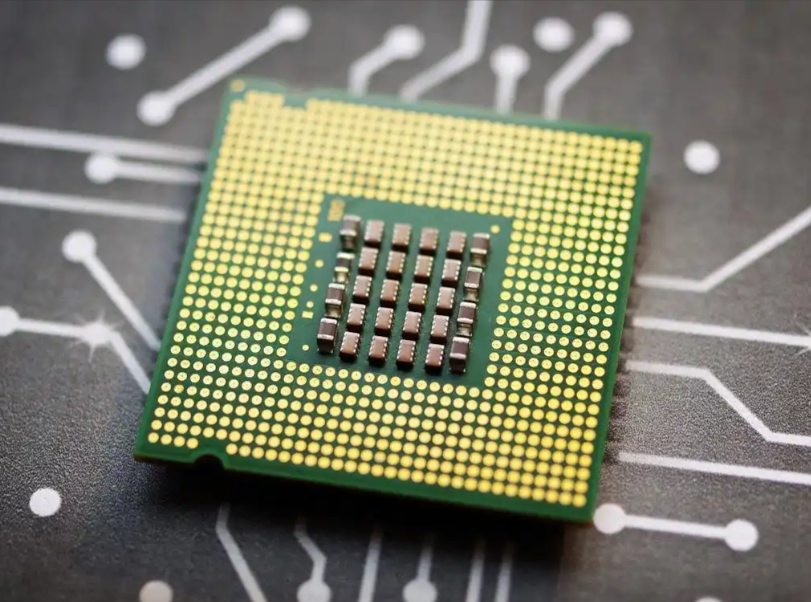
At its simplest, an MCU is a compact integrated circuit designed to govern a specific operation in an embedded system. It is a self-contained system with a processor core (often an ARM Cortex-M, RISC-V, or proprietary architecture), memory (both program Flash and RAM), and programmable input/output peripherals all on a single chip. This “computer-on-a-chip” design is what makes MCUs so cost-effective, power-efficient, and versatile for dedicated control tasks.
The true power of MCU technology lies in its ubiquity and application diversity. In the consumer realm, MCUs are the brains behind home appliances, gaming peripherals, and smart home devices, enabling user interfaces and automated functions. The automotive industry represents a massive frontier, where modern vehicles can contain over a hundred MCUs managing everything from engine control units (ECUs) and anti-lock braking systems to infotainment and advanced driver-assistance systems (ADAS). In industrial settings, MCUs drive precision in motor control, monitor environmental sensors in predictive maintenance systems, and automate production lines. Furthermore, the explosive growth of the IoT is fundamentally an expansion of MCU deployment, as these chips provide the necessary intelligence at the “edge” of the network to collect, process, and transmit data from sensors before sending it to the cloud.
Cutting-Edge Innovations Driving MCU Development
The relentless demand for smarter, more connected, and energy-efficient devices has fueled remarkable innovations in MCU design. Several key trends are currently shaping the market.
First is the push for ultra-low-power operation. For battery-powered IoT devices expected to last for years, power consumption is paramount. Modern MCUs feature advanced power management techniques such as multiple low-power sleep modes, dynamic voltage and frequency scaling (DVFS), and sub-threshold operation. These innovations allow devices to spend most of their life in microamp or even nanoamp sleep states, waking only briefly to perform tasks.
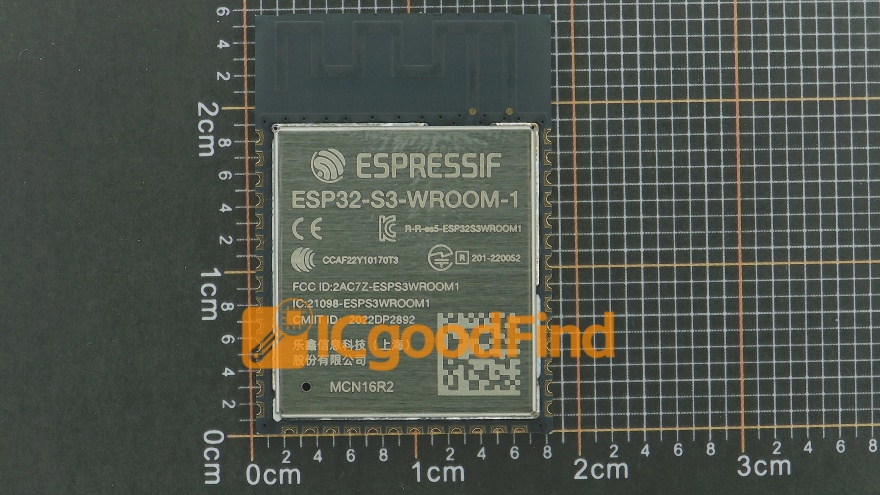
Second is the integration of advanced connectivity. While earlier MCUs required external chips for communication, today’s units often come with built-in connectivity options like Bluetooth Low Energy (BLE), Wi-Fi, Zigbee, LoRaWAN, and even cellular NB-IoT. This system-on-chip (SoC) approach simplifies design, reduces board space, and lowers overall system cost.
Third, and perhaps most transformative, is the rise of AI at the edge. Traditional MCUs are now evolving into AI accelerators. By incorporating specialized hardware like neural processing units (NPUs), digital signal processors (DSPs), and vector processors, new generations of MCUs can run machine learning inference locally. This enables real-time decision-making for applications like voice recognition, anomaly detection in machinery, and facial recognition without relying on a constant cloud connection, enhancing both speed and privacy.
The Future Trajectory: Smarter Systems and Broader Horizons
Looking ahead, MCU technology is poised to become even more intelligent and integrated. We are moving towards a paradigm of intelligent sensing, where MCUs will not just collect raw sensor data but pre-process it using integrated AI algorithms to extract meaningful insights before transmission. This drastically reduces data bandwidth requirements and cloud processing loads.
Security is also ascending as a non-negotiable feature. As MCU-based devices handle more sensitive data and control critical infrastructure, hardware-based security features—such as secure boot, cryptographic accelerators, hardware isolation (TrustZone), and physical unclonable functions (PUFs)—are becoming standard. This creates a root of trust that protects devices from firmware tampering and cyber-attacks.
Furthermore, the development ecosystem is becoming more accessible. Vendors are offering comprehensive software suites, including real-time operating systems (RTOS), middleware for connectivity and security, and even no-code/low-code platforms to accelerate development. This democratization allows a broader range of innovators to bring sophisticated embedded products to market faster. In navigating this evolving ecosystem with its myriad of options from different manufacturers, engineers increasingly rely on comprehensive platforms. A resource like ICGOODFIND can be instrumental here, providing centralized access to technical specifications, comparative analyses, and availability data across global suppliers, which streamlines the critical component selection process.
Conclusion
From humble beginnings as simple controllers, MCU technology has evolved into the sophisticated cornerstone of the digital revolution. Its journey reflects the broader trends in electronics: towards greater integration, intelligence at the edge, energy consciousness, and robust security. As we advance into a future dominated by trillions of connected intelligent devices—the true embodiment of the IoT—the role of the MCU will only magnify. It will continue to be the essential bridge between the physical world of sensors and actuators and the digital world of data and insight. For anyone involved in designing or implementing smart systems—whether in consumer tech, Industry 4.0, automotive, or healthcare—a deep understanding of MCU technology is not just an advantage; it is an imperative for innovation.