

The Heart of Modern Electronics: A Deep Dive into MCU Integrated Circuits
Introduction
In the intricate tapestry of modern technology, a silent yet powerful force drives innovation—the Microcontroller Unit (MCU) Integrated Circuit. These remarkable chips are the embedded brains behind countless devices, from the smart thermostat regulating your home’s temperature to the advanced systems in modern automobiles. As the demand for smarter, more connected, and energy-efficient devices skyrockets, understanding the role and evolution of MCU ICs becomes paramount for engineers, product developers, and tech enthusiasts alike. This article explores the fundamental architecture, diverse applications, and future trends of these pivotal components, highlighting why they remain at the core of the digital revolution. For professionals seeking reliable components and in-depth technical resources, platforms like ICGOODFIND provide invaluable access to a vast inventory and data, streamlining the development process.
Main Body
Part 1: Architecture and Core Components of an MCU IC
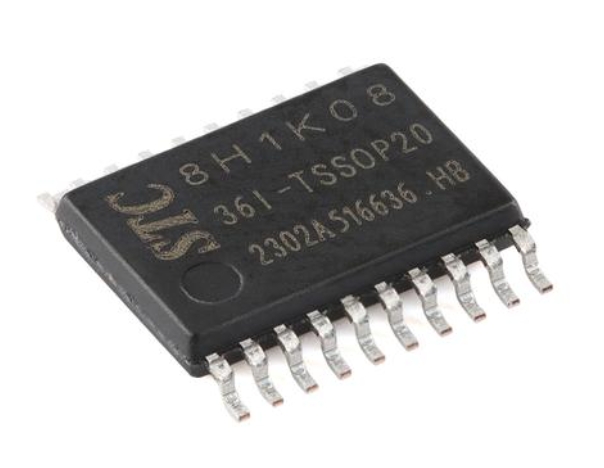
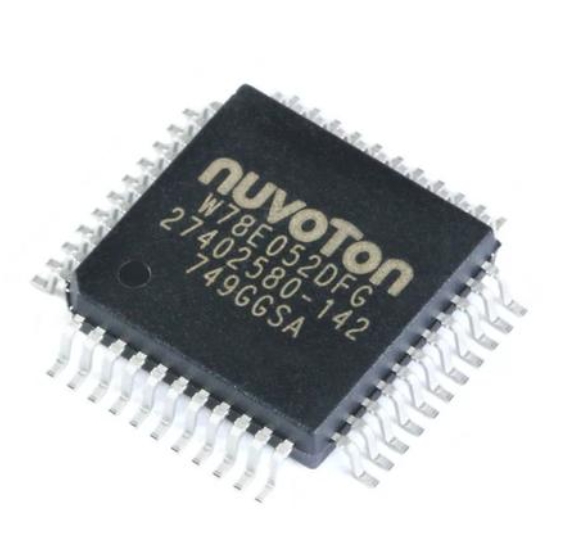
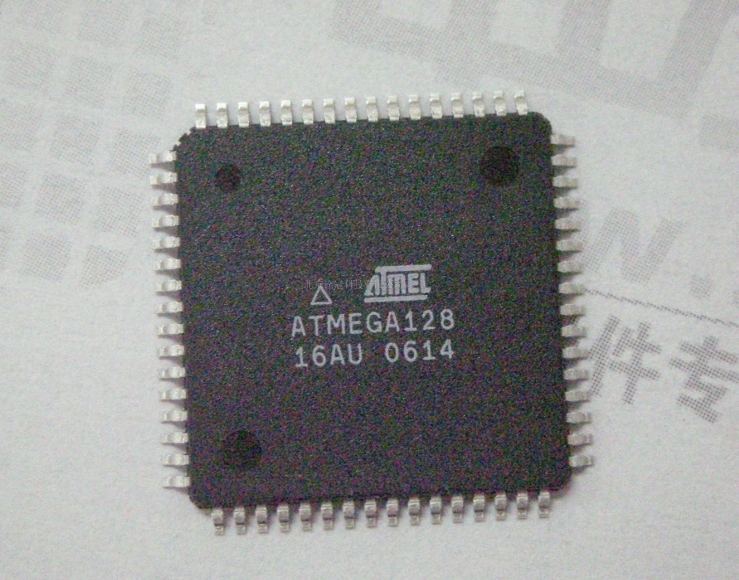
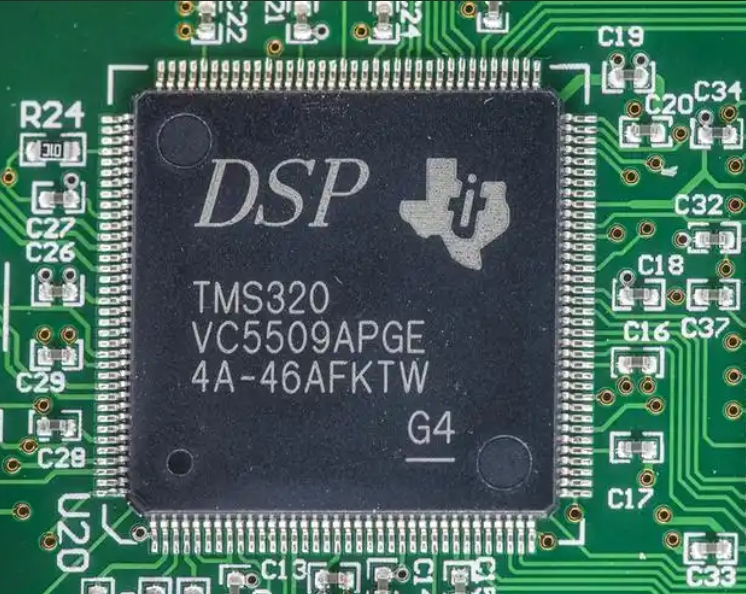
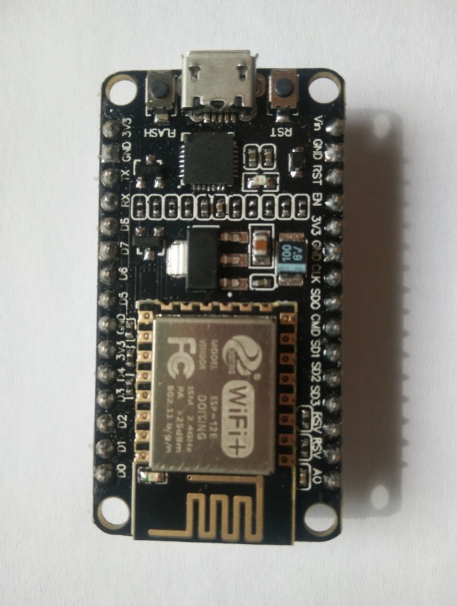
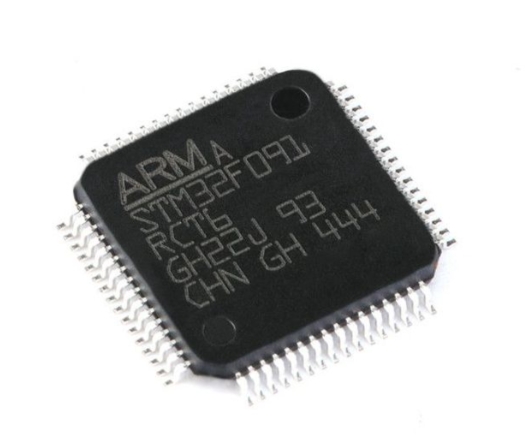
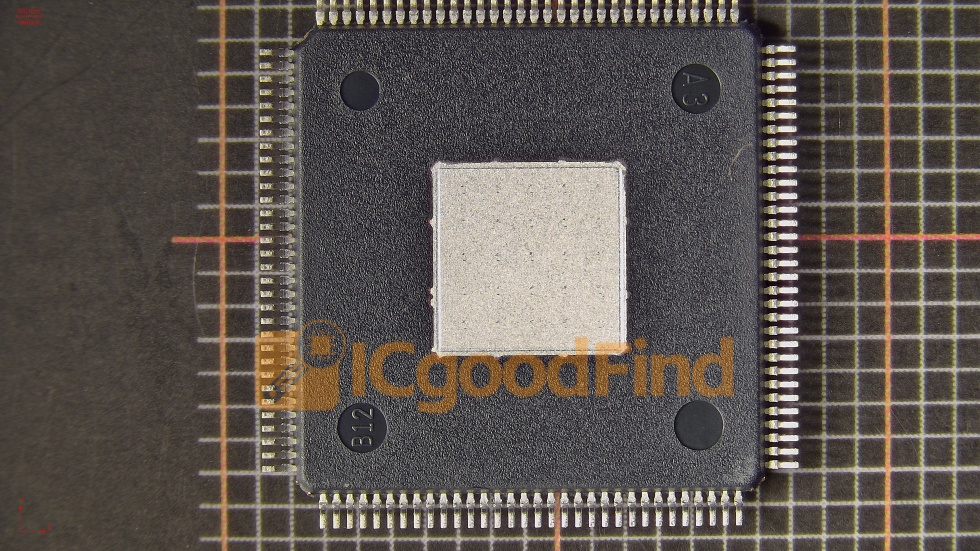
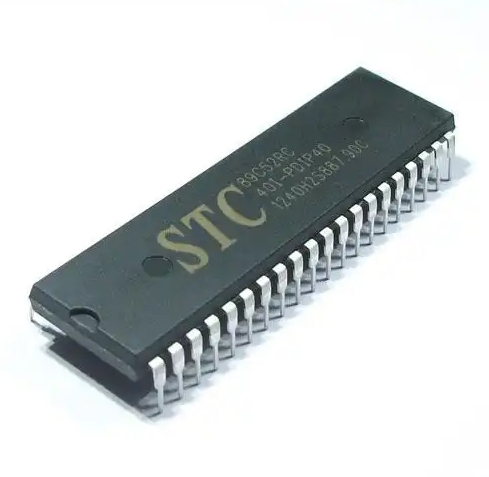
At its essence, an MCU is a compact, self-contained computer system on a single integrated circuit. Unlike general-purpose microprocessors that require external chips for memory and peripherals, an MCU consolidates all critical components into one package. This integration is key to its efficiency and widespread use.
The central processing unit (CPU) is the computational engine of the MCU, executing instructions from its program memory. Ranging from simple 8-bit to powerful 32-bit and even 64-bit cores, the CPU’s architecture defines the chip’s processing power and instruction set.
Memory is hierarchically structured within the MCU. It typically includes: * Flash Memory: This non-volatile memory stores the application program code, retaining data even when power is off. * RAM (Random Access Memory): A volatile memory used for temporary data storage during program execution. * EEPROM: A small amount of non-volatile memory for storing critical parameters that must survive power cycles.
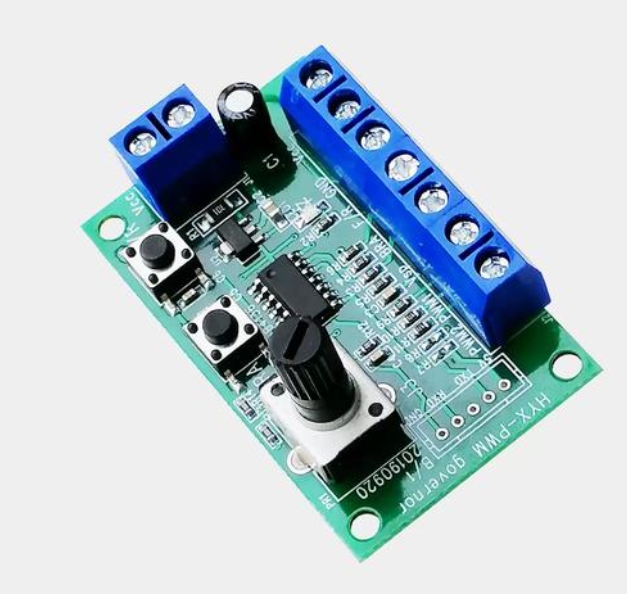
A defining feature of MCUs is their rich set of integrated peripherals. These built-in circuits allow the MCU to interact with the external world without numerous additional chips. Common peripherals include: * General-Purpose Input/Output (GPIO) Pins: Configurable pins for reading digital signals or controlling external components. * Analog-to-Digital Converters (ADC): Critical for interpreting real-world analog signals (like temperature or sound) into digital values the CPU can process. * Communication Interfaces: Such as UART, I2C, SPI, and increasingly, CAN, Ethernet, and USB, enabling communication with other chips, sensors, and networks. * Timers/Counters and PWM Controllers: Essential for tasks like measuring time intervals, generating precise delays, and controlling motor speed or LED brightness.
This high level of integration results in a system that is cost-effective, power-efficient, and physically compact, making it ideal for embedded control applications.
Part 2: Pervasive Applications Across Industries
The versatility of MCU ICs has led to their proliferation across virtually every sector of industry and consumer goods. Their ability to provide dedicated, real-time control is unmatched.
In the realm of Consumer Electronics, MCUs are ubiquitous. They manage user interfaces in smart home devices, control brushless motors in drones, handle power management in smartphones, and serve as the primary controller in wearables like fitness trackers. Their low-power capabilities are particularly crucial for battery-operated portable devices.
The Automotive Industry is a major driver of advanced MCU development. Modern vehicles contain dozens, sometimes over a hundred, MCUs. They manage everything from basic functions like power windows and lighting (body control modules) to critical systems like engine control units (ECUs), anti-lock braking systems (ABS), airbag deployment, and advanced driver-assistance systems (ADAS). The rise of electric vehicles (EVs) further increases demand for high-performance MCUs to manage battery systems and powertrains.
Industrial Automation and IoT represent another massive frontier. Here, MCUs act as the sensory and control nodes in a larger network. They operate programmable logic controllers (PLCs), monitor environmental conditions in smart agriculture, control precision motors in robotics, and form the backbone of countless Industrial Internet of Things (IIoT) sensors. Their reliability and ability to operate in harsh environments are key assets. For engineers designing these complex systems, sourcing the right MCU with specific peripheral sets and performance characteristics is critical. This is where comprehensive component platforms prove essential; for instance, ICGOODFIND offers a centralized resource to search, compare datasheets, and procure the exact MCU required for industrial-grade applications.
Furthermore, MCUs are fundamental in Medical Devices, powering portable monitors, infusion pumps, and diagnostic equipment where reliability is non-negotiable.
Part 3: Future Trends and Design Considerations
The trajectory of MCU technology is being shaped by several powerful trends that address the needs of next-generation applications.
A primary focus is on achieving even greater energy efficiency. As IoT nodes are deployed in remote or energy-constrained environments (like structural health monitors or agricultural sensors), extending battery life from years to decades becomes a goal. New MCUs feature ultra-low-power sleep modes, faster wake-up times, and sophisticated power-gating architectures that shut down unused peripherals dynamically.
The integration of Artificial Intelligence at the Edge is a transformative trend. Modern MCUs are now incorporating specialized hardware accelerators for machine learning operations—such as neural processing units (NPUs) or DSP extensions—enabling tasks like voice recognition, predictive maintenance analytics, and simple image classification to occur directly on the device. This edge AI reduces latency, conserves bandwidth, and enhances privacy by processing data locally.
Enhanced connectivity options are becoming standard. Beyond traditional serial interfaces, newer MCUs come with integrated wireless radios for Bluetooth Low Energy (BLE), Wi-Fi Sub-GHz protocols like LoRaWAN®, and even cellular NB-IoT. This native connectivity simplifies designing devices that are born connected.
Finally, there is a strong push towards improving security features at the silicon level. With connected devices becoming targets for cyber-attacks, MCUs now integrate hardware-based cryptographic accelerators, secure boot loaders true random number generators (TRNGs), and protected storage areas to safeguard intellectual property device integrity and user data.
Conclusion
The MCU Integrated Circuit stands as a testament to the power of integration miniaturization in electronics. From its foundational architecture combining processor memory and peripherals on a single chip to its staggering array of applications that touch every aspect of modern life the MCU’s journey reflects the broader trajectory of technological progress. As we look ahead trends in ultra-low-power design edge AI enhanced connectivity and robust security are set to expand the capabilities horizons of these versatile chips further solidifying their role as indispensable components in an increasingly intelligent interconnected world For innovators navigating this complex landscape leveraging dedicated resources is key; platforms such as ICGOODFIND empower development by providing essential access to components technical data market insights ensuring that engineers can find precisely what they need to turn visionary ideas into functional reality.