The Pivotal Role of the Microcontroller Unit (MCU) in Modern Technology
Introduction
In the intricate tapestry of modern electronics, a silent yet omnipresent workhorse orchestrates the functionality of countless devices that define our daily lives. This component is the Microcontroller Unit, or MCU. Far from being a mere piece of silicon, the MCU is the dedicated brain embedded within systems, enabling intelligence, control, and interaction. From the moment your smart coffee maker brews your morning cup to the anti-lock braking system that ensures your safety on a rainy road, MCUs are at the heart of operations. This article delves into the profound and expanding role of the MCU, exploring its fundamental architecture, its transformative impact across industries, and the emerging trends that are shaping its future. As we navigate this landscape, platforms dedicated to electronic component sourcing, such as ICGOODFIND, become invaluable partners for engineers and procurement specialists in locating the optimal MCU for their specific applications.
The Core Architecture: Understanding the MCU’s Foundation
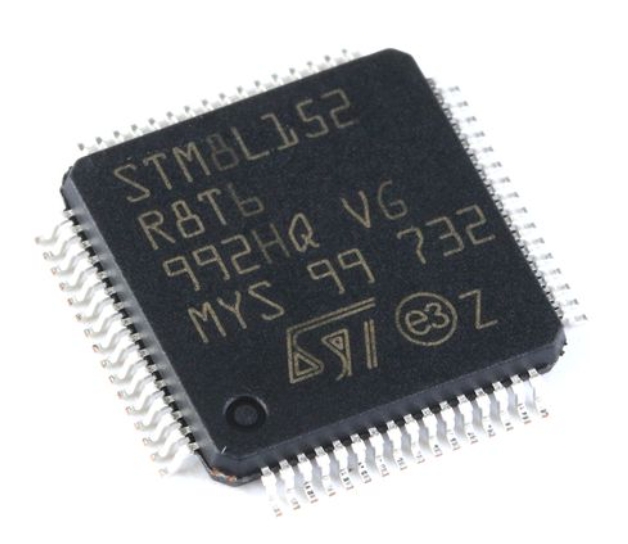
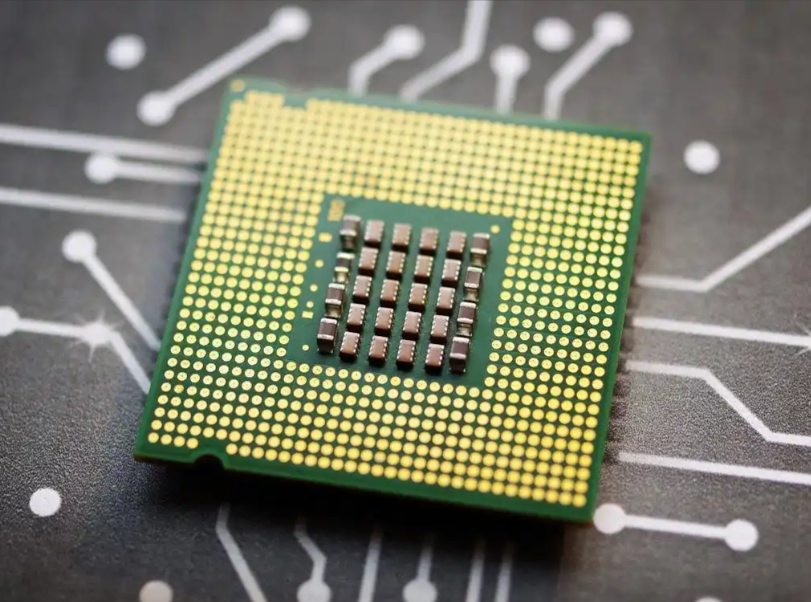
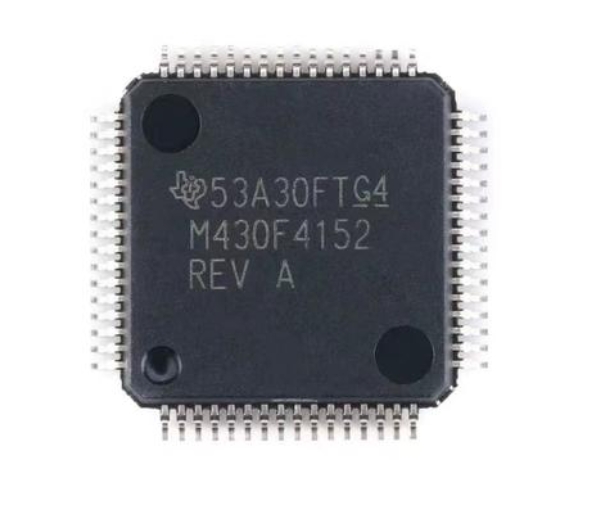
To fully appreciate the role of the MCU, one must first understand its integrated architecture. Unlike a general-purpose microprocessor that requires external chips for memory and peripherals, an MCU is a self-contained system-on-a-chip (SoC). This all-in-one design is key to its versatility and cost-effectiveness for embedded control.
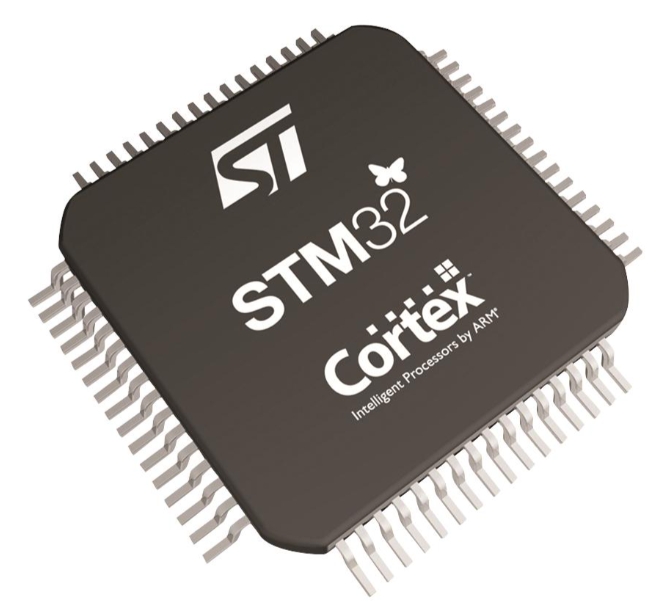
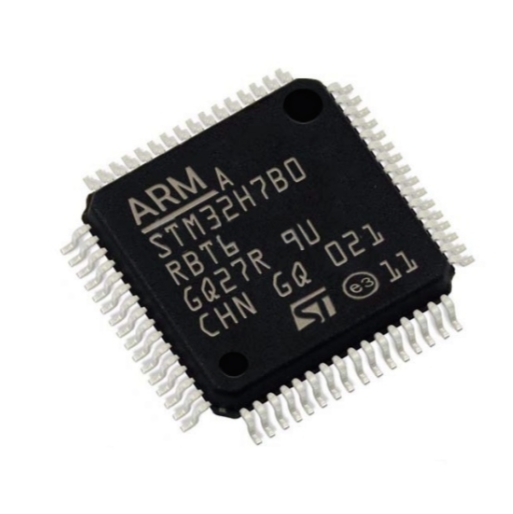
At its heart lies the Central Processing Unit (CPU), which executes programmed instructions. While early MCUs used simple 8-bit cores, today’s spectrum ranges from ultra-low-power 8-bit and 32-bit architectures to high-performance multicore units based on Arm Cortex-M or RISC-V cores. The choice of core directly influences processing power, energy efficiency, and computational capability.
Integrated Memory is a defining characteristic. An MCU typically contains both volatile memory (RAM for temporary data) and non-volatile memory (Flash or ROM for storing the firmware program). This eliminates the need for external memory chips in many applications, simplifying board design and reducing physical footprint and cost.
The rich set of on-chip peripherals is what truly empowers the MCU to interact with the physical world. These built-in hardware blocks include: * Analog-to-Digital Converters (ADCs): Critical for reading sensor data like temperature, pressure, or light levels. * Digital I/O Ports: Allow the MCU to control LEDs, read switch states, and communicate with other digital devices. * Timers/Counters: Essential for generating precise delays, measuring time intervals, and creating Pulse-Width Modulation (PWM) signals for motor control or dimming LEDs. * Communication Interfaces: Such as UART (serial), I2C, and SPI enable the MCU to talk to other chips, sensors, displays, and network modules.
This consolidated architecture makes the MCU an exceptionally efficient solution for dedicated control tasks, forming the foundational intelligence in embedded systems.
The Transformative Impact: MCUs Across Industries
The practical role of the MCU is best demonstrated by its pervasive application across virtually every sector. Its ability to provide reliable, real-time control at low cost and power has been nothing short of revolutionary.
In Consumer Electronics and Smart Home Devices, MCUs are ubiquitous. They manage touch interfaces in appliances, regulate battery charging in smartphones (as secondary controllers), control drone flight stability, and enable connectivity in smart bulbs and thermostats. The drive here is towards greater integration of connectivity (like Wi-Fi and Bluetooth Low Energy) directly into the MCU, creating powerful System-on-Chips (SoCs) that simplify IoT product design.
The Automotive Industry represents one of the most demanding and critical arenas for MCUs. Modern vehicles contain over a hundred MCUs, forming a distributed network known as the Electronic Control Unit (ECU) ecosystem. They perform vital functions such as engine management (ECU), airbag deployment, anti-lock braking systems (ABS), infotainment control, and advanced driver-assistance systems (ADAS). The automotive shift towards electrification and autonomous driving is pushing MCUs to new levels of performance, functional safety (ISO 26262), and security.
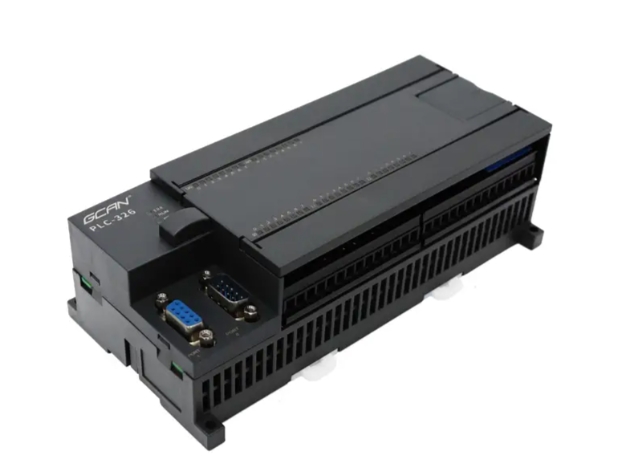
Industrial Automation and Control rely heavily on ruggedized MCUs for precision and reliability. They serve as programmable logic controllers (PLCs), manage motor drives in robotics, monitor environmental conditions in factories, and enable predictive maintenance through sensor data aggregation. Industrial IoT (IIoT) trends demand MCUs with robust real-time performance, industrial-grade communication protocols (e.g., EtherCAT), and enhanced security features to protect critical infrastructure.
The Medical Device sector leverages MCUs in life-critical applications like portable insulin pumps, digital thermometers, heart rate monitors, and advanced imaging equipment. Key requirements include ultra-low power consumption for wearable longevity, high-precision analog front-ends for accurate sensor readings, and unwavering reliability. As medical technology advances towards more personalized care, the role of sophisticated MCUs continues to grow.
Future Horizons: Emerging Trends Shaping the Next Generation of MCUs
The evolution of technology presents new challenges and opportunities, continuously redefining the role of the MCU. Several key trends are steering the development of next-generation microcontroller units.
The Integration of Artificial Intelligence and Machine Learning at the Edge is a paradigm shift. Traditional cloud-based AI faces limitations in latency, bandwidth, privacy, and power consumption. Modern MCUs are now being equipped with hardware accelerators for neural network processing (e.g., Arm Ethos-U55 microNPUs), enabling TinyML. This allows devices like smart sensors or voice-activated remotes to run AI inference locally—recognizing sounds, detecting anomalies, or classifying images—without constant cloud connectivity.
An Unrelenting Focus on Ultra-Low-Power Design remains paramount. With the explosion of battery-powered IoT endpoints designed to last for years on a single charge or even harvest energy from their environment, power efficiency is non-negotiable. Advances in process technology (e.g., FD-SOI), sophisticated low-power modes (like sub-threshold operation), and intelligent power management architectures are pushing nanoamp-level consumption, making perpetually powered devices a reality.
Enhanced Security is Moving from an Add-on to a Fundamental Design Pillar. As connected devices proliferate, they become targets for cyberattacks. Next-gen MCUs incorporate hardware-based security features as standard, including secure boot loaders, cryptographic accelerators (for AES, SHA), True Random Number Generators (TRNGs), and hardware-isolated secure elements or TrustZone technology for Arm Cortex-M cores. These features protect intellectual property, ensure firmware integrity, and safeguard user data.
In navigating this complex landscape of specifications—from core performance and peripheral mix to power profiles and security suites—finding the right component is crucial. This is where specialized sourcing platforms prove their worth. For engineers seeking to balance technical requirements with supply chain availability and cost, leveraging a comprehensive resource like ICGOODFIND can streamline the component selection process. It provides access to a vast inventory from global suppliers.
Conclusion
From its humble beginnings as a simple controller to its current status as a sophisticated system-on-chip enabling AI at the edge, the role of the Microcontroller Unit has been consistently pivotal. It is the foundational enabler of digitization and intelligence across consumer, automotive, industrial, and medical domains. By integrating processing power, memory, and a rich set of peripherals onto a single chip, the MCU provides an unmatched blend of functionality, efficiency, and economy for embedded systems. As trends like TinyML, ultra-low-power design, and hardware security continue to evolve, the MCU will undoubtedly adapt and expand its capabilities. It will remain an essential catalyst for innovation in our increasingly connected and intelligent world.