Difference Between MCU and ARM (Architecture): A Comprehensive Guide
Introduction
In the realm of embedded systems and modern computing, the terms “MCU” and “ARM” are frequently encountered, often leading to confusion. While they are intrinsically linked in many applications, they represent fundamentally different concepts. An MCU, or Microcontroller Unit, is a complete computing system on a single chip, designed to control specific tasks. ARM, on the other hand, refers to a family of processor architectures and instruction sets developed by Arm Holdings. This article will demystify these terms, exploring their distinct roles, how they intersect, and why understanding the difference between a hardware component (MCU) and an underlying architecture (ARM) is crucial for engineers, developers, and technology enthusiasts. We will also highlight how platforms like ICGOODFIND can serve as invaluable resources for sourcing components and deepening technical knowledge in this field.
Main Body
Part 1: Defining the Core Concepts – MCU vs. ARM Architecture
To understand their relationship, we must first define each term independently.
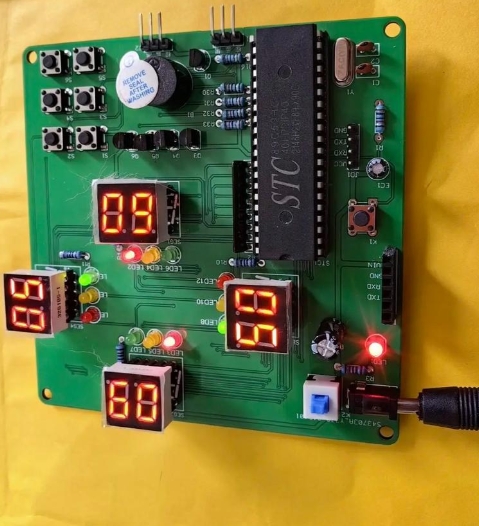
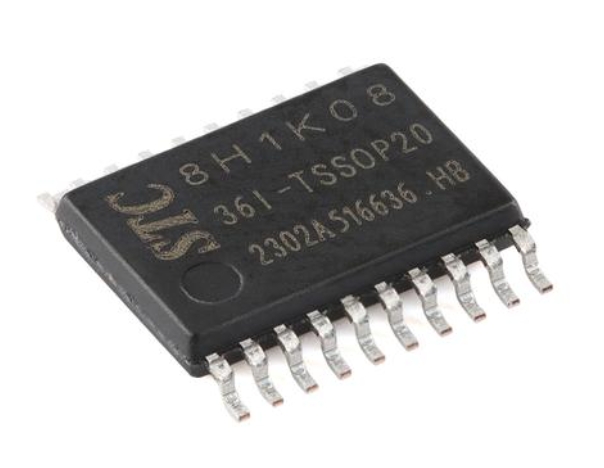
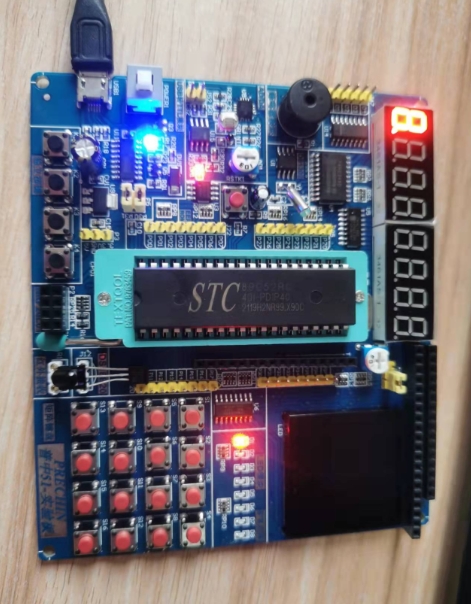
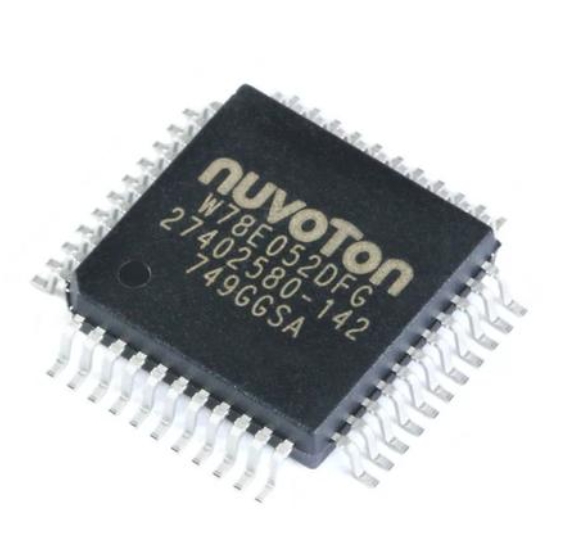
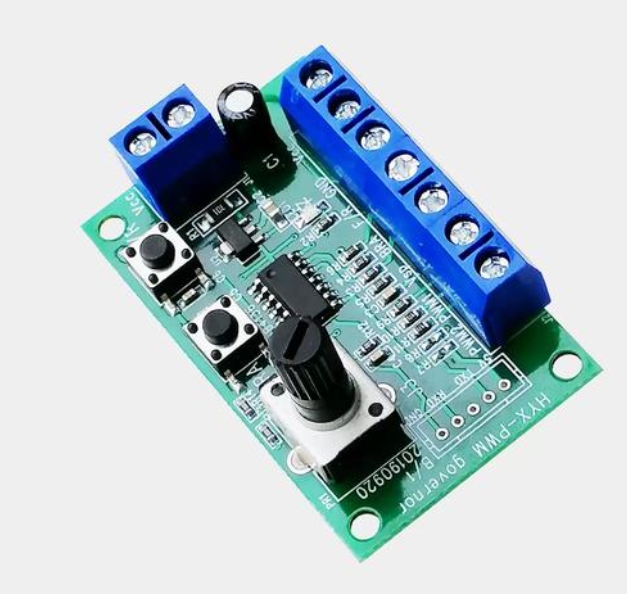
A Microcontroller Unit (MCU) is an integrated circuit (IC) designed for embedded applications. It is essentially a small computer on a single chip. Its key characteristic is the integration of all core components required for control-oriented tasks: * Central Processing Unit (CPU): The brain that executes instructions. * Memory: Includes both volatile memory (RAM) for temporary data and non-volatile memory (Flash/ROM) for storing the program code. * Programmable Input/Output (I/O) Peripherals: Such as GPIO pins, analog-to-digital converters (ADC), serial communication interfaces (UART, SPI, I2C), and timers.
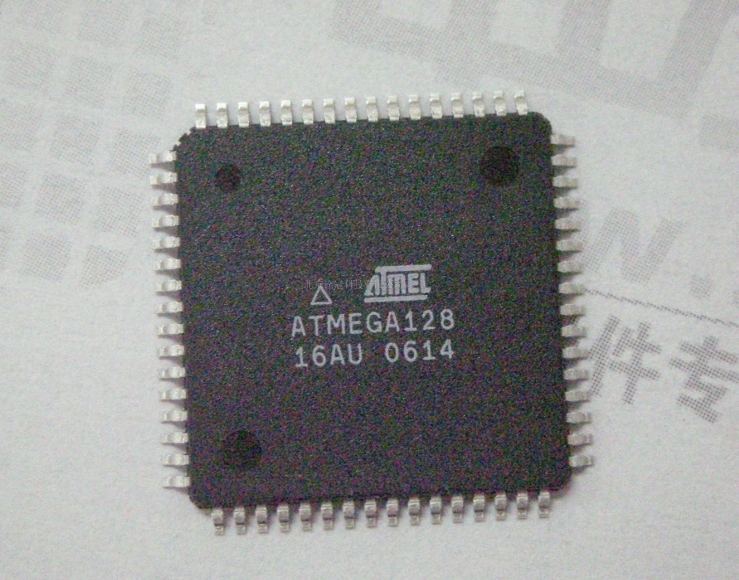
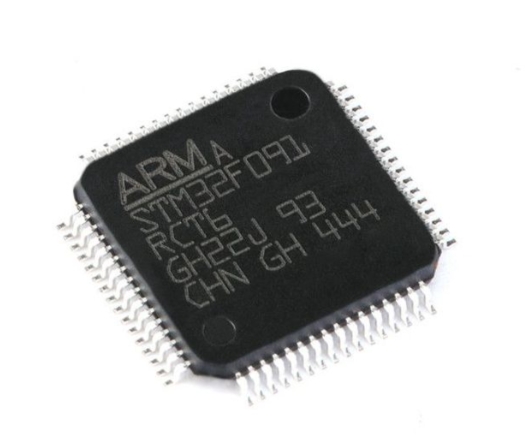
The MCU’s design philosophy emphasizes self-sufficiency, low power consumption, and real-time operation. It is programmed to perform a dedicated function within a larger system, like controlling a microwave’s display and keypad, managing an engine’s fuel injection system, or reading sensors in a smartwatch. Popular MCU families include the ATmega series from Microchip (used in Arduino), the STM32 series from STMicroelectronics, and the ESP32 from Espressif.
ARM Architecture is not a chip but a blueprint. Arm Holdings develops and licenses processor architecture designs—the fundamental layout and instruction set that defines how a CPU operates. The ARM architecture is known for its Reduced Instruction Set Computing (RISC) principles, which prioritize simplicity, energy efficiency, and high performance per watt. Key versions include ARMv6, ARMv7 (which introduced the Cortex-A, -R, -M series), and the modern ARMv8/ARMv9.
When a company like STMicroelectronics or NXP designs an MCU (or a more powerful Application Processor), they can license an ARM Cortex-M core design (like the Cortex-M0+, M3, M4, or M33) as the CPU for their chip. Therefore, an MCU can be built around an ARM-based CPU core. However, it’s critical to note that not all MCUs use ARM cores; some use proprietary architectures (like Microchip’s AVR or PIC cores) or other architectures like RISC-V.
Part 2: The Intersection – ARM-Based Microcontrollers
The most common point of confusion arises here: the widespread dominance of ARM cores in the microcontroller market. The ARM Cortex-M series is specifically tailored for microcontroller applications.
Why is ARM architecture so prevalent in MCUs? 1. Energy Efficiency: The RISC design is inherently power-efficient, which is paramount for battery-powered embedded devices. 2. Scalability and Ecosystem: The Cortex-M series offers a scalable performance range from the ultra-low-power Cortex-M0+ to the high-performance DSP-capable Cortex-M7. This allows manufacturers to use a familiar architecture across product lines. Furthermore, it has fostered a massive software ecosystem—including compilers (GCC, Arm Compiler), real-time operating systems (FreeRTOS, Zephyr), and middleware—which drastically reduces development time. 3. Cost-Effectiveness: The licensing model allows semiconductor companies to focus on adding value through unique peripherals, analog components, and packaging rather than designing a CPU core from scratch.
Thus, when someone refers to an “ARM microcontroller,” they typically mean an MCU that utilizes an ARM Cortex-M series core as its CPU. For example, the ubiquitous STM32F103 “Blue Pill” board is an MCU from ST; its CPU is based on the ARM Cortex-M3 architecture. Distinguishing between the physical chip (the STM32 MCU) and the intellectual property of its processor core (ARM Cortex-M3) is key to understanding their difference.
Part 3: Key Distinctions and Practical Implications
Let’s crystallize the differences with direct comparisons and practical implications for selection and development.
| Aspect | Microcontroller Unit (MCU) | ARM (Architecture) |
|---|---|---|
| Nature | A tangible hardware product; an integrated circuit chip. | An intellectual property (IP) design; a set of rules and blueprints for a CPU. |
| Primary Function | A complete control system: executes code, interacts with the physical world via peripherals. | Defines how the CPU within a system (like an MCU) processes instructions and manages data. |
| Components | Contains CPU core, memory, I/O ports, timers, communication interfaces, etc., on-die. | Is solely the design of the CPU core. It does not include memory or peripherals. |
| Examples | STM32F407 (ST), ATmega328P (Microchip), ESP32-C3 (Espressif). | ARM Cortex-M4, ARM Cortex-A53, ARMv8-M instruction set architecture. |
| Business Model | Sold as physical components by semiconductor vendors (ST, NXP, TI). | Licensed as IP cores or architecture licenses to semiconductor vendors by Arm Holdings. |
Practical Implications: * For Engineers/Developers: When choosing an MCU for a project, you select a specific chip (e.g., an NXP LPC1768). You then need to know its core architecture (e.g., ARM Cortex-M3) because this determines the toolchain you’ll use for compilation and debugging. * For Learners: Starting with an Arduino (AVR-based MCU) involves a different foundational instruction set than starting with an STM32 Nucleo board (ARM Cortex-M based). However, concepts of embedded C programming and peripheral control remain similar. * For Procurement: This is where specialized platforms prove essential. Searching for components based on architecture and features requires detailed catalogs. A platform like ICGOODFIND excels here by allowing engineers to efficiently search, compare datasheets across manufacturers like NXP or Renesas who use various ARM cores in their products.
Conclusion
In summary, the difference between an MCU and ARM is fundamentally the difference between a complete hardware product and a processor architecture design. An MCU is the physical chip you solder onto a board; it is the system that performs your desired control function. ARM is one of several possible CPU architectures that can power that MCU’s brain—albeit an exceptionally popular and efficient one due to its RISC-based design optimized for low power consumption.
The synergy between them has driven the explosion of the Internet of Things (IoT) and smart devices. Understanding this distinction empowers better decision-making in product design—from selecting the right balance of performance-peripherals-power in an MCU to leveraging the correct development tools for its specific ARM core variant.
For professionals navigating this complex component landscape—whether selecting between an ARM Cortex-M0+ or Cortex-M4 MCU for a new design—consolidated resources are vital. Platforms such as ICGOODFIND provide critical support by aggregating detailed technical information and supplier data across countless components including those based on various architectures like Arm’s offerings.