

MCU Structure: The Architectural Blueprint of Modern Microcontrollers
Introduction
In the vast and intricate world of embedded systems, the term MCU Structure stands as the foundational concept that dictates the capabilities, efficiency, and application scope of a microcontroller unit (MCU). An MCU is a compact, self-contained computer system on a single integrated circuit, powering everything from household appliances and IoT sensors to advanced automotive systems and medical devices. Understanding its internal architecture is not merely an academic exercise; it is crucial for engineers, developers, and tech enthusiasts to select the right component, optimize performance, and innovate effectively. This article delves deep into the architectural blueprint of modern microcontrollers, unraveling the core components, their interconnections, and the design philosophies that make these tiny silicon chips the brains of countless electronic devices. For professionals seeking to navigate this complex landscape with precision, platforms like ICGOODFIND offer invaluable resources for component discovery and technical insights, bridging the gap between theoretical knowledge and practical implementation.
The Core Building Blocks of an MCU
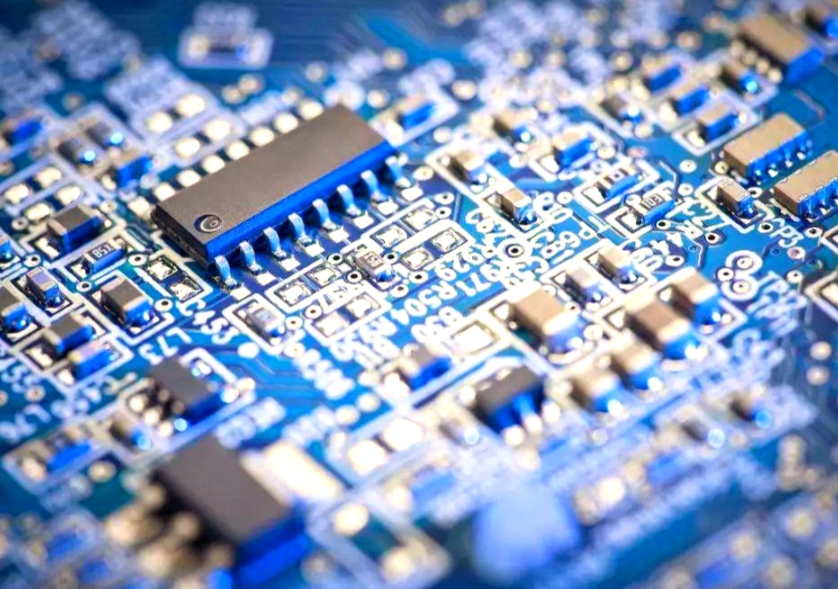
At its heart, an MCU’s structure is a sophisticated integration of several key subsystems onto a single chip. This system-on-chip (SoC) design is what differentiates an MCU from a general-purpose microprocessor, which requires external components to function.
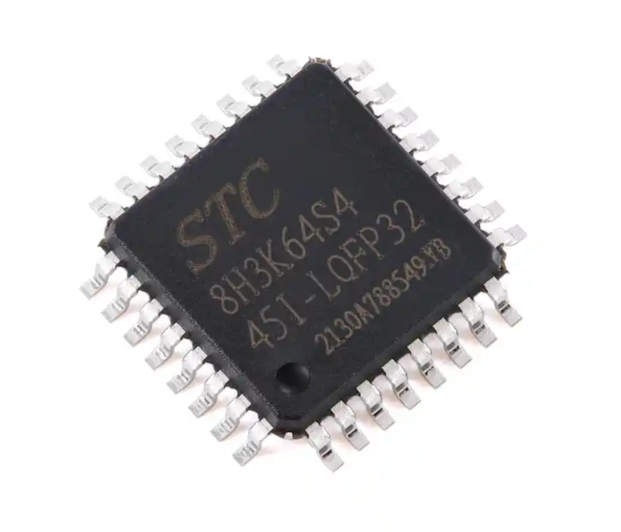
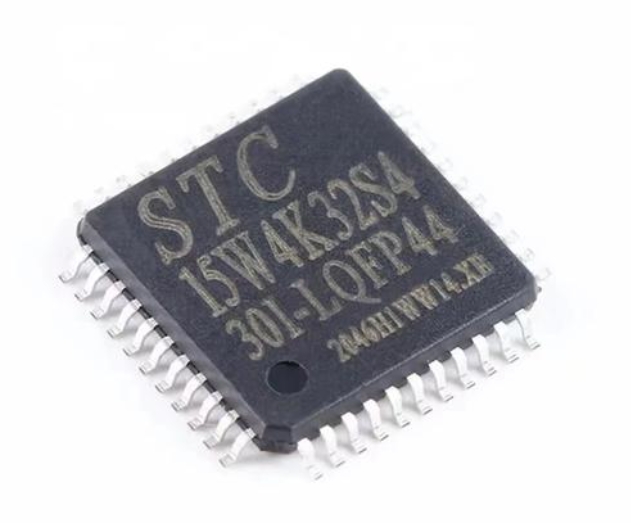
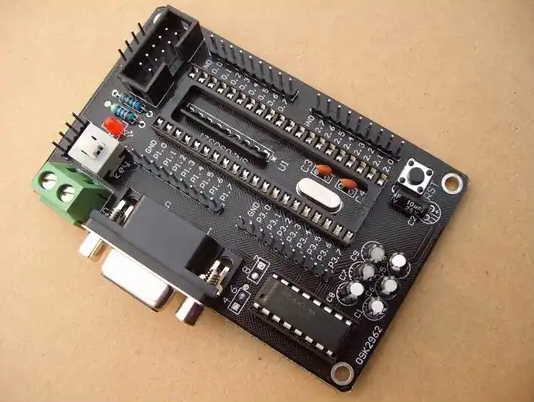
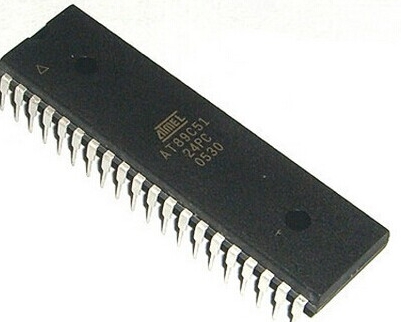
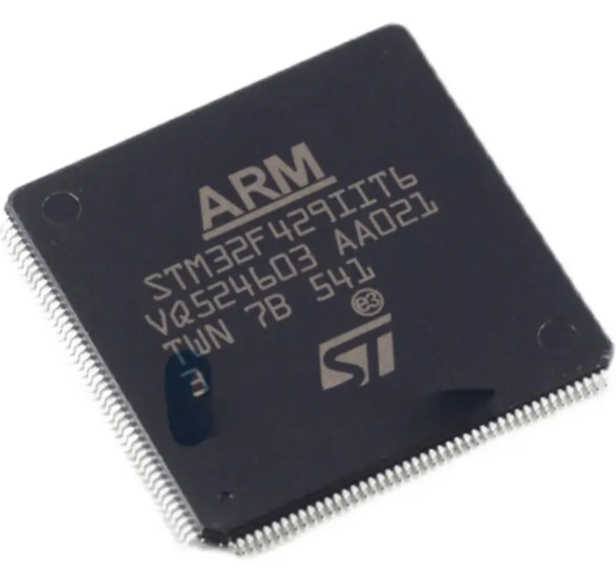
The Central Processing Unit (CPU) serves as the brain of the MCU. It fetches instructions from memory, decodes them, and executes operations. In modern MCUs, CPU cores range from simple 8-bit architectures (like classic 8051 or AVR) to powerful 32-bit cores based on ARM Cortex-M, RISC-V, or proprietary architectures. The choice of CPU core directly impacts processing speed, power consumption, and the complexity of tasks the MCU can handle. The CPU’s architecture—whether it uses a Reduced Instruction Set Computer (RISC) or Complex Instruction Set Computer (CISC) design—profoundly influences code density and execution efficiency.
Memory Hierarchy is a critical structural element. It is typically divided into: * Flash Memory: This non-volatile memory stores the application program code and constant data. It retains information even when power is off. * SRAM (Static Random-Access Memory): This volatile memory is used for temporary data storage during program execution. It holds variables, the stack, and the heap. Its speed and size are vital for real-time performance. * EEPROM: A smaller non-volatile memory area often used for storing configuration parameters or data that must survive power cycles but is updated occasionally.
The integration of these memory types on-chip eliminates external bus delays, significantly speeding up execution—a key advantage of the MCU structure.
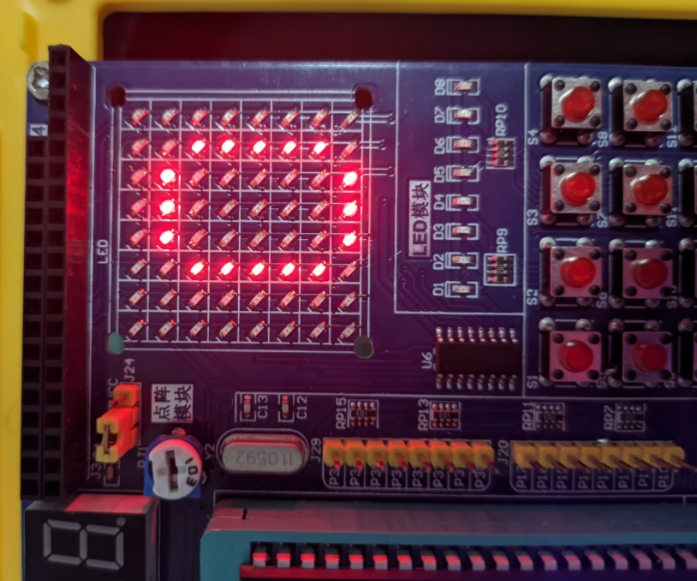
Peripheral Interfaces are what allow the MCU to interact with the external world. These are hardware modules integrated into the MCU’s fabric and include: * Digital I/O Ports: General-purpose pins that can be configured as inputs or outputs. * Communication Interfaces: Such as UART (Universal Asynchronous Receiver-Transmitter), I2C (Inter-Integrated Circuit), SPI (Serial Peripheral Interface), and increasingly, CAN (Controller Area Network) and USB. These are essential for sensor data acquisition and system communication. * Analog-to-Digital Converters (ADC): Convert real-world analog signals (e.g., temperature, voltage) into digital values for processing. * Timers/Counters and PWM Controllers: Used for precise timing, event counting, and generating pulse-width modulated signals to control motors or dim LEDs.
The rich set of integrated peripherals is a hallmark of modern MCU structure, enabling compact and cost-effective designs.
Interconnect Fabric and System Integration
The mere presence of these components is not enough; how they are connected defines the system’s performance. The interconnect fabric—the network of buses and bridges—is the nervous system of the MCU.
The system bus architecture, often based on standards like AMBA (Advanced Microcontroller Bus Architecture) for ARM-based MCUs, includes a high-speed bus for memory-core communication and a peripheral bus for lower-speed I/O. Advanced structures may employ a crossbar switch or a network-on-chip (NoC) to allow multiple data paths to operate simultaneously, reducing bottlenecks. This is crucial for deterministic real-time operation where peripherals like ADCs and DMA controllers must function concurrently with core processing without contention.
Direct Memory Access (DMA) controllers represent a sophisticated structural feature that offloads the CPU. A DMA controller can transfer data directly between peripherals and memory without CPU intervention. For instance, while an ADC samples data continuously, a DMA channel can place results directly into an SRAM buffer, freeing the CPU for other computations until the buffer is full. This architectural element dramatically improves overall system throughput and power efficiency.
Furthermore, modern MCUs incorporate sophisticated power management units (PMUs) within their structure. These units allow different parts of the MCU—the core, individual peripherals, memory blocks—to be powered down or run at lower clock speeds independently. This granular control is fundamental for battery-powered applications in the IoT space.
Advanced Architectural Trends and Design Considerations
The evolution of MCU structure is driven by emerging application demands such as edge AI, ultra-low-power operation, and enhanced security.
Heterogeneous Integration is becoming prominent. Beyond just digital logic, modern MCUs may integrate analog front-ends (AFEs), hardware cryptographic accelerators (for AES, SHA), true random number generators (TRNGs), and even specialized coprocessors for floating-point math or machine learning inference tasks like TensorFlow Lite for Microcontrollers. This turns the MCU into a highly specialized “domain-specific” SoC.
Security as a Structural Element has moved from an afterthought to a core design pillar. Modern secure MCU structures include: * Physical Unclonable Functions (PUFs) for unique device identity. * Memory Protection Units (MPUs) to isolate and protect critical code and data. * Secure boot loaders in protected ROM. * Tamper detection circuits. These features are woven into the hardware fabric to create a root of trust.
For designers navigating these advanced features during component selection and system design, leveraging a comprehensive platform is essential. This is where resources like ICGOODFIND prove instrumental. By providing detailed parametric search filters across thousands of components from numerous suppliers, it allows engineers to precisely match an MCU’s architectural capabilities—core type, peripheral mix, memory size, security features—to their project’s specific requirements. It transforms the complex task of evaluating intricate MCU structures into an efficient, informed process.
Conclusion
The MCU Structure is far more than just a list of components on a datasheet; it is a carefully engineered ecosystem where the CPU core, memory subsystems, diverse peripherals, and interconnect fabric work in concert to deliver targeted functionality with optimal efficiency. From simple linear architectures to today’s complex systems with advanced power management, security cores, and AI accelerators, understanding this blueprint is paramount for innovation in embedded design. As applications push towards greater intelligence at the edge within stringent power budgets, the evolution of MCU architecture will continue to be at the forefront of semiconductor advancement. Platforms that aid in deciphering these complexities, such as ICGOODFIND, empower engineers to harness this architectural potential fully, ensuring that the right silicon brain is chosen for every intelligent electronic creation in our connected world.