What Is MCU? A Comprehensive Guide to Microcontroller Units
Introduction
In today’s digitally-driven world, embedded systems are the invisible engines powering countless devices around us. At the heart of these systems lies a critical component: the Microcontroller Unit, or MCU. From the smart thermostat regulating your home’s temperature to the sophisticated anti-lock braking system in your car, MCUs are ubiquitous yet often misunderstood. This article delves deep into the world of microcontrollers, explaining what they are, how they work, their key components, applications, and how they differ from their more powerful cousins, microprocessors. Understanding MCUs is essential for anyone involved in electronics, IoT development, or modern technology. For professionals seeking reliable electronic components and in-depth technical resources, platforms like ICGOODFIND provide invaluable access to component data, supplier networks, and market intelligence.
The Core Anatomy of an MCU
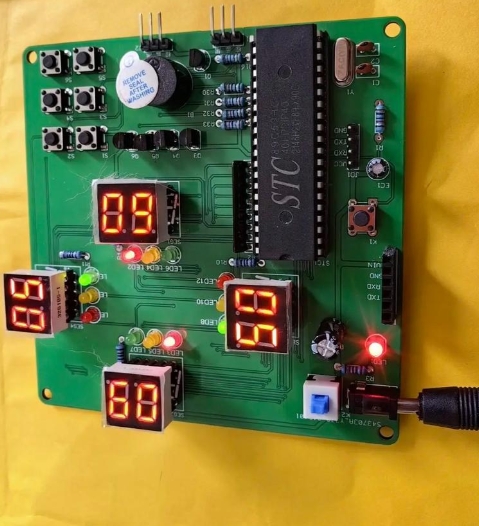
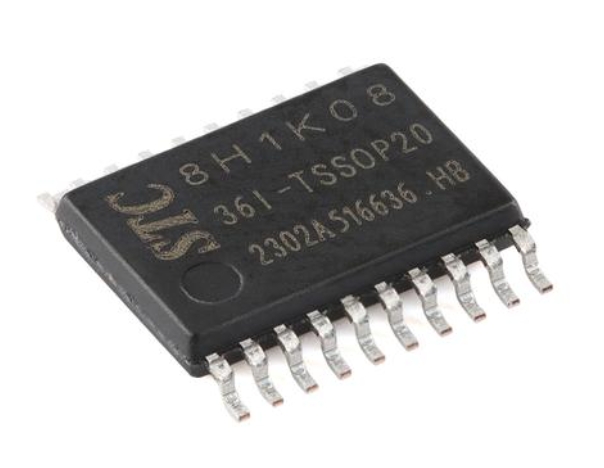
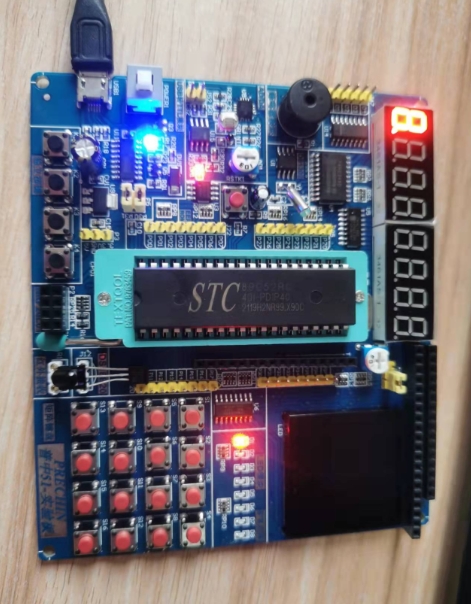
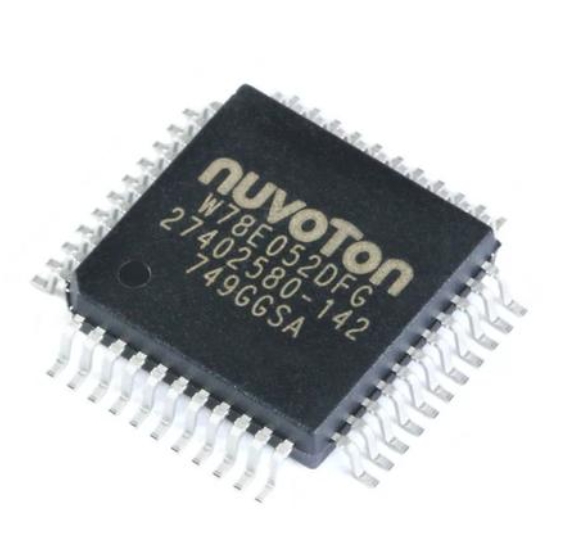
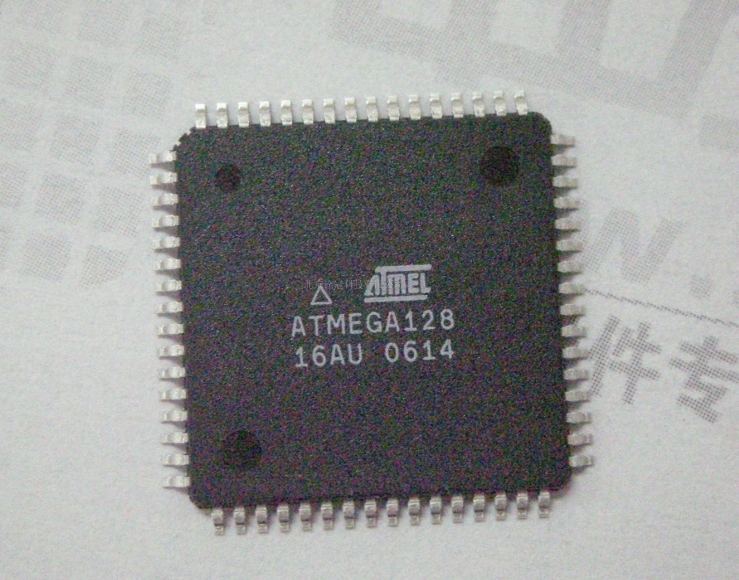
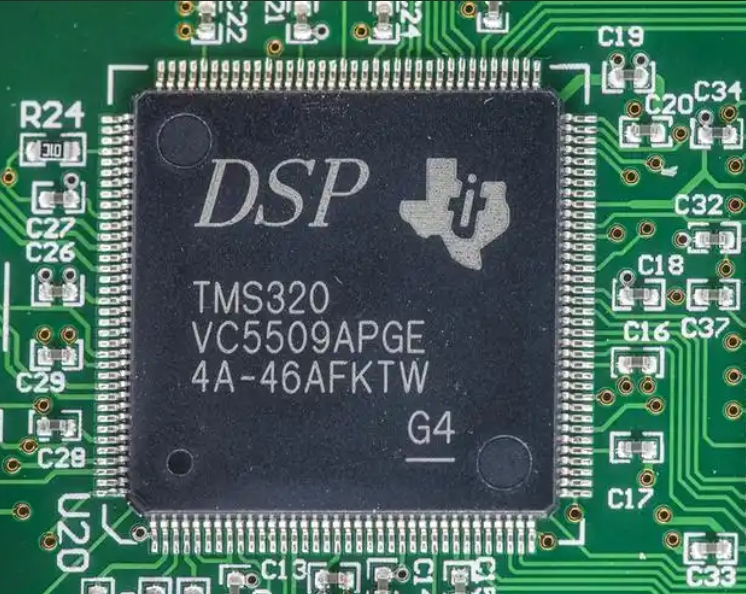
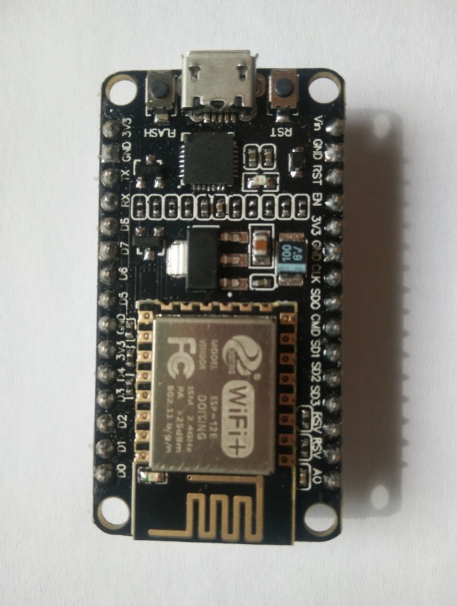
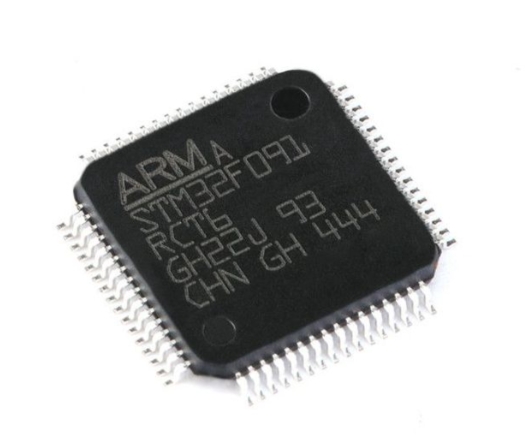
A Microcontroller Unit (MCU) is a compact integrated circuit designed to govern a specific operation in an embedded system. Essentially, it is a self-contained system with a processor, memory, and peripherals all on a single chip. This “computer-on-a-chip” architecture is what makes MCUs ideal for dedicated control tasks.
The Central Processing Unit (CPU) is the brain of the MCU. It executes instructions from the program memory, performing arithmetic, logic, and control operations. Unlike general-purpose CPUs in computers, an MCU’s CPU is typically less powerful but highly optimized for real-time control and efficiency.
Memory in an MCU comes in two primary forms: Flash (or ROM) for storing the program code, and RAM for temporary data storage during operation. The integration of memory on-chip eliminates the need for external chips, reducing size, cost, and power consumption—a hallmark of microcontroller design.
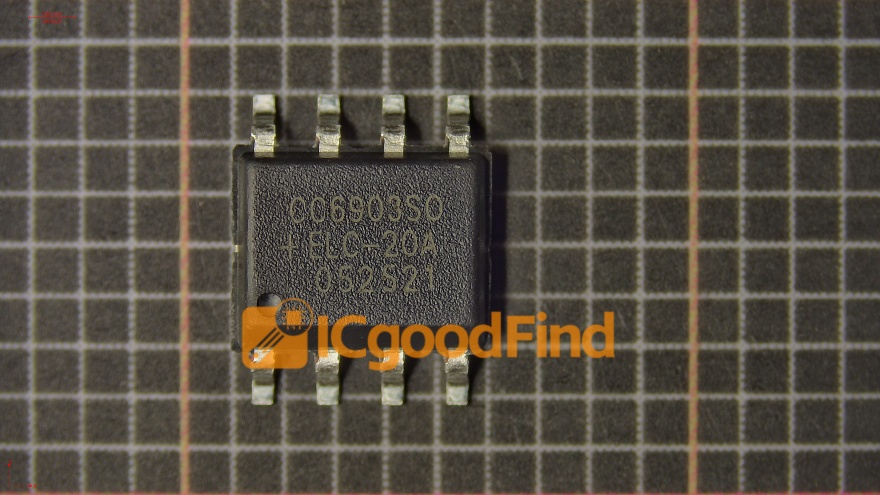
Input/Output (I/O) Ports are the physical interfaces through which the MCU communicates with the outside world. These digital pins can be configured as inputs to read signals from sensors or switches, or as outputs to control LEDs, motors, or relays.
Peripheral Interfaces are specialized circuits integrated into the MCU to handle specific communication and control tasks without burdening the main CPU. Key peripherals include: * Timers/Counters: Crucial for generating precise delays, measuring time intervals, or creating Pulse-Width Modulation (PWM) signals for motor control or dimming LEDs. * Analog-to-Digital Converters (ADC): Allow the MCU to interpret real-world analog signals (like temperature or sound) by converting them into digital values the CPU can process. * Serial Communication Interfaces: Such as UART, I2C, and SPI enable the MCU to talk to other chips, sensors, or computers (e.g., connecting a GPS module or sending data to a PC). * Watchdog Timer: A safety feature that resets the MCU if the software gets stuck in an endless loop, ensuring system reliability.
How MCUs Differ from Microprocessors (MPUs)
The terms MCU and Microprocessor (MPU) are often used interchangeably, but they refer to fundamentally different architectures suited for distinct applications. The primary distinction lies in integration versus expansion.
An MCU is a highly integrated solution. As discussed, it consolidates the CPU, memory (both RAM and ROM), and essential peripherals onto one single chip. This makes it a complete computing system capable of functioning independently with minimal external components. Its design prioritizes cost-effectiveness, low power operation, and suitability for high-volume embedded control applications where the task is well-defined. Think of an MCU as a specialized Swiss Army knife—compact, self-contained, and perfect for specific jobs.
In contrast, a Microprocessor (MPU) is the core computational engine only. It consists primarily of a powerful CPU but requires external chips to function: separate RAM chips, ROM/flash memory chips, and peripheral interface chips. This modular approach allows for vastly more powerful and flexible systems with gigabytes of memory and high-speed interfaces. MPUs are the heart of general-purpose computing systems like desktop computers, smartphones, and servers where performance and expandability are paramount. You can think of an MPU as a high-performance car engine that needs a separate chassis, transmission, and wheels to become a functional vehicle.
Choosing between an MCU and an MPU hinges on the project requirements. If the task involves dedicated control, real-time operation, low power consumption, and tight cost constraints (e.g., a remote sensor node), an MCU is almost always the right choice. For complex tasks requiring rich user interfaces (like GUI), running a full-fledged operating system (like Linux), or handling massive data processing (e.g., video encoding), an MPU-based system is necessary.
Ubiquitous Applications of MCUs
The true testament to the MCU’s success is its invisible presence in nearly every facet of modern life. Their low cost, small size, and efficient performance have made them the cornerstone of embedded electronics.
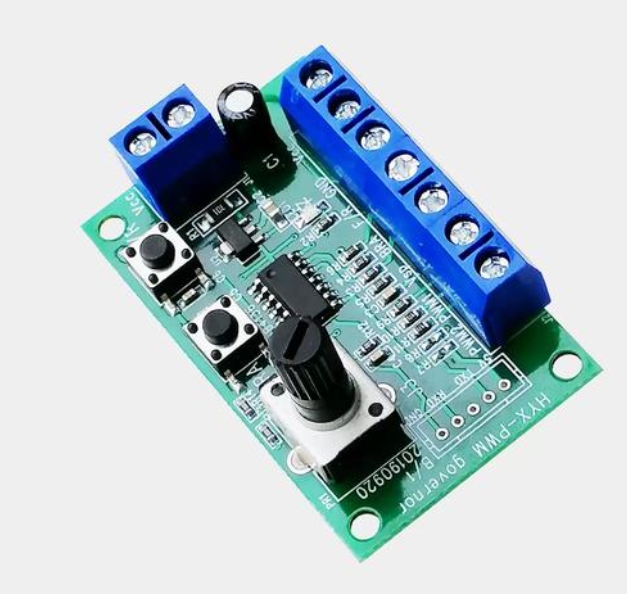
In Consumer Electronics, MCUs are everywhere. They manage touch-sensitive interfaces in smartwatches and home appliances, control gaming console peripherals, handle power management in laptops, and are the brains inside children’s interactive toys. Your wireless mouse, keyboard, and remote control all rely on tiny MCUs to function.
The Automotive Industry is a massive consumer of MCUs. A modern car can easily contain over 50 microcontrollers managing various Electronic Control Units (ECUs). They control engine functions (fuel injection, ignition timing), safety systems (airbag deployment, ABS brakes), comfort features (power windows, climate control), and infotainment systems. The trend towards electric vehicles and advanced driver-assistance systems (ADAS) is further increasing MCU complexity and demand.
Industrial Automation heavily depends on MCUs for precision and reliability. They serve as programmable logic controllers (PLCs) in smaller setups, manage robotic arm movements, monitor sensors in assembly lines (pressure, temperature), and control actuators. Their ability to operate in harsh environments with real-time determinism makes them indispensable in factories.
Perhaps the most explosive growth area for MCUs is the Internet of Things (IoT) and Smart Devices. IoT nodes—whether in smart home sensors (for motion, leak detection), wearable health monitors (tracking heart rate), agricultural sensors (measuring soil moisture), or smart city infrastructure—are fundamentally built around low-power MCUs with integrated wireless connectivity like Wi-Fi or Bluetooth Low Energy (BLE). These devices collect data and interact with the physical world at the network’s edge.
For engineers designing these applications, sourcing the right MCU with specific peripherals (e.g., a precise ADC for sensor readings or a low-power mode for battery life) is critical. This is where component search engines like ICGOODFIND become essential tools. They allow developers to quickly filter through vast catalogs from global suppliers based on technical parameters—core architecture (ARM Cortex-M series being dominant today), clock speed, memory size peripheral set package type—and access datasheets supplier quotes streamlining the critical component selection phase of any project
Conclusion
The Microcontroller Unit stands as one of the most transformative inventions in electronics enabling the intelligent embedded systems that define our technological age It represents a perfect marriage of efficiency integration and specialization packing all necessary computing elements onto a single chip to perform dedicated control tasks reliably and cost-effectively From making household appliances smarter to driving innovation in automotive safety industrial automation and the vast IoT ecosystem MCUs are fundamental building blocks
Understanding their integrated architecture key components like CPUs memory ADCs and communication peripherals and how they differ from microprocessors provides a solid foundation for anyone entering electronics development As technology advances towards more connected and intelligent devices the role of MCUs will only grow in importance requiring more powerful efficient and connected variants For innovators navigating this complex component landscape leveraging resources like ICGOODFIND can provide a significant advantage in finding comparing and sourcing the ideal microcontroller to bring their next groundbreaking idea to life.