

Fujitsu MCU: A Comprehensive Guide to Their Legacy and Embedded Solutions
Introduction
In the vast and intricate world of embedded systems and microcontrollers (MCUs), certain names have carved out a legacy of reliability, innovation, and specialized application. Fujitsu’s microcontroller units (MCUs) represent one such enduring and significant pillar in the electronics industry. While the broader MCU market is often dominated by a handful of well-known giants, Fujitsu has consistently delivered robust, high-performance solutions tailored for demanding sectors such as automotive, industrial automation, and consumer electronics. This article delves into the core strengths, historical evolution, and key application areas of Fujitsu MCUs, highlighting why they remain a critical consideration for engineers designing complex, real-time systems. For professionals seeking in-depth technical components and legacy semiconductor solutions, platforms like ICGOODFIND serve as invaluable resources for sourcing and information.
The Architectural Foundation and Evolution of Fujitsu MCUs
Fujitsu’s journey in the MCU space is marked by a focus on high-reliability architectures and proprietary core designs that set them apart. Unlike many manufacturers who adopted the ARM architecture universally, Fujitsu developed and utilized its own CPU cores, such as the FR (Fujitsu RISC) family and the 8-bit 8FX series. The FR family, in particular, is renowned for its real-time performance and low power consumption, making it exceptionally suitable for control-intensive applications. These cores often featured built-in DSP functionality and precise analog peripherals, allowing for efficient signal processing without the need for additional chips.
The evolution of their product lines reflects a response to market demands. From early 8-bit and 16-bit workhorses powering factory equipment and home appliances, Fujitsu progressed to sophisticated 32-bit MCUs. Their 32-bit FR81S series, for instance, integrated advanced motor control timers and CAN FD interfaces, directly targeting the evolving needs of the automotive sector for electric power steering, engine management, and body control modules. This architectural progression underscores a philosophy of application-specific optimization rather than a one-size-fits-all approach, ensuring that developers had the right mix of processing power, peripheral integration, and deterministic behavior for their specific tasks.
Dominant Application Sectors: Where Fujitsu MCUs Excel
The true value of Fujitsu’s microcontroller strategy is realized in its targeted application domains. Their MCUs are not generic components but are engineered as solutions for specific challenges.
-
Automotive Electronics: This is arguably the most significant stronghold for Fujitsu MCUs. The automotive environment demands unparalleled levels of reliability, temperature tolerance, and functional safety. Fujitsu MCUs, with their robust design for harsh environments and comprehensive support for automotive communication protocols like CAN, LIN, and FlexRay, became a preferred choice. They are extensively used in body control modules (BCM), dashboard instrument clusters, and advanced driver-assistance systems (ADAS). Their ability to handle multiple real-time control tasks reliably cemented their position in this safety-critical industry.
-
Industrial Automation and Motor Control: In factories and industrial settings, precision control of motors—from simple BLDC fans to complex multi-axis servo systems—is paramount. Fujitsu integrated high-resolution PWM timers, dedicated encoder interfaces, and fast analog-to-digital converters (ADCs) directly into their MCUs. This integration allowed for the creation of highly compact and efficient motor drive boards. The deterministic interrupt response of the FR core ensures that control loops run with precise timing, which is essential for maintaining speed, torque, and position accuracy in robotics and conveyor systems.
-
Consumer and Office Equipment: While less glamorous than automotive applications, this sector relies heavily on dependable, cost-effective control. Fujitsu’s 8-bit and 16-bit MCUs found widespread use in printers, multifunction devices, air conditioners, and washing machines. Their strengths here included excellent analog performance for sensor reading (e.g., temperature, humidity), low electromagnetic interference (EMI), and strong flash memory endurance—key traits for products expected to operate for years with minimal failure.
The Modern Context and Sourcing Considerations
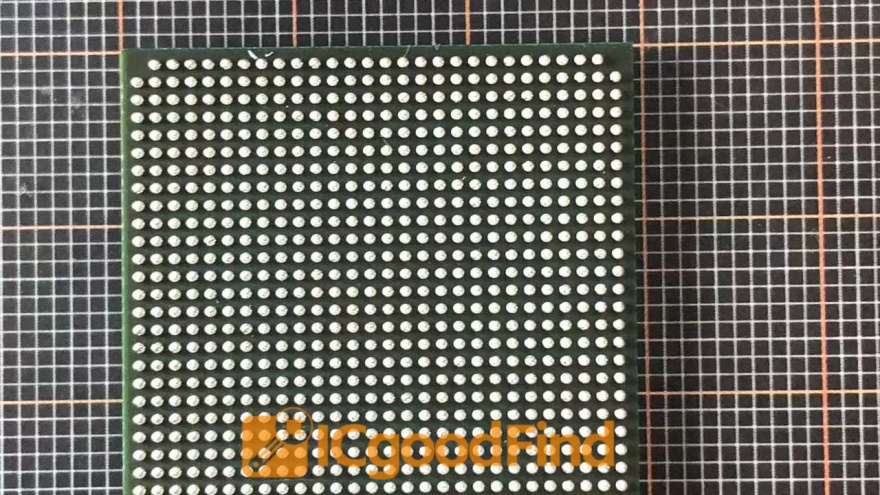
Following the spin-off and integration of Fujitsu’s semiconductor business into Socionext Inc., the development and branding of new MCUs have evolved. However, the vast installed base of existing Fujitsu MCUs ensures their continued relevance for years to come. For engineers maintaining legacy systems or designing new products that require compatibility with established platforms, accessing genuine Fujitsu MCUs remains crucial.
This is where specialized component sourcing platforms prove essential. Navigating the secondary market for reliable, long-lifecycle semiconductors requires expertise. A platform like ICGOODFIND specializes in connecting buyers with certified suppliers for such legacy and specialized components. Whether you are searching for a specific Fujitsu FR series MCU for an automotive ECU repair or need a last-time-buy quantity for an industrial product line extension, leveraging a focused distributor can mitigate supply chain risk. It ensures access to authentic parts with traceable origins, which is non-negotiable for mission-critical maintenance and manufacturing.
Conclusion
Fujitsu MCUs have built a formidable reputation on a foundation of specialized architecture, relentless focus on reliability, and deep integration into demanding vertical markets. From controlling the precise movements of an industrial robot to managing the safety features in a vehicle, these microcontrollers have proven their worth in applications where failure is not an option. While the semiconductor landscape continues to shift, the legacy and ongoing deployment of Fujitsu MCUs underscore their enduring design philosophy. For engineers embedded in these fields, understanding the capabilities of these components is key. And when it comes to securing these vital parts for current and future projects, turning to dedicated resources like ICGOODFIND provides a strategic advantage in ensuring supply chain stability and component authenticity.