The Essential Guide to MCU Systems: Architecture, Applications, and Future Trends
Introduction
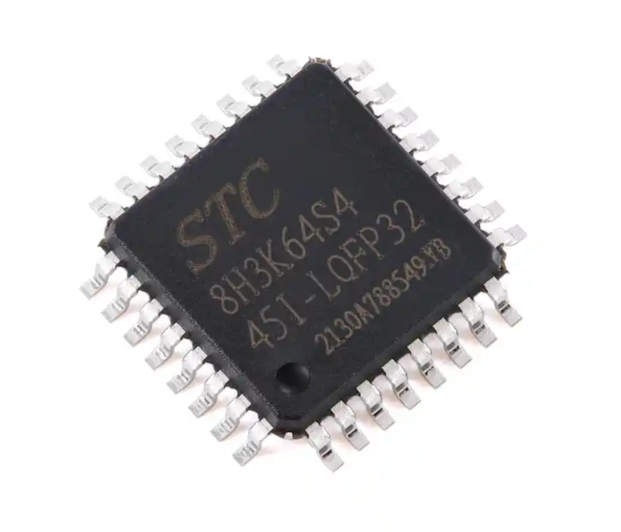
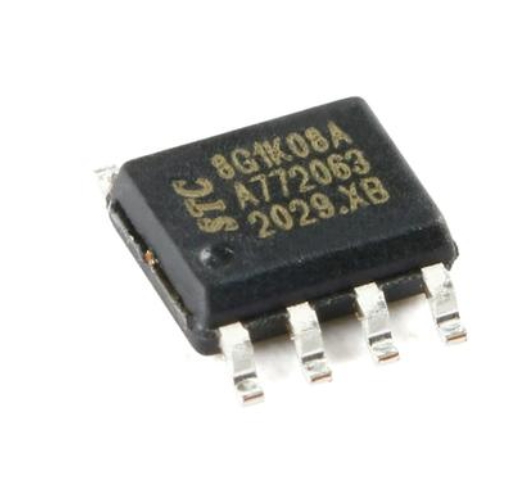
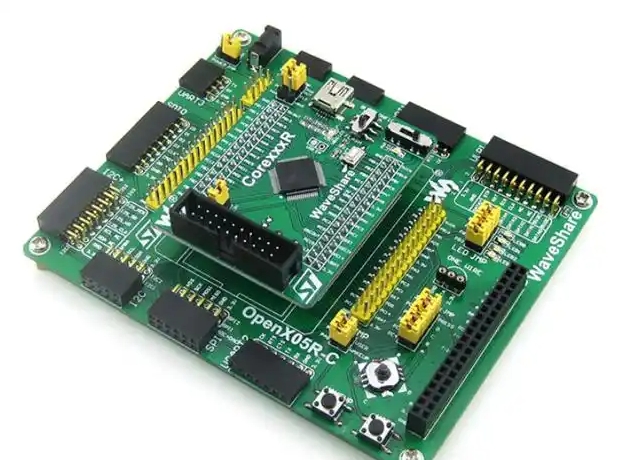
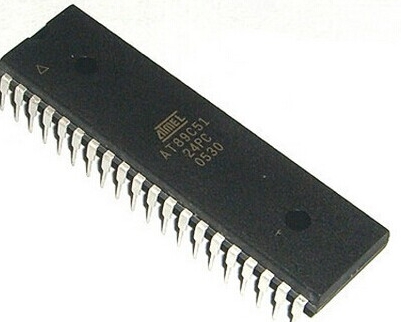
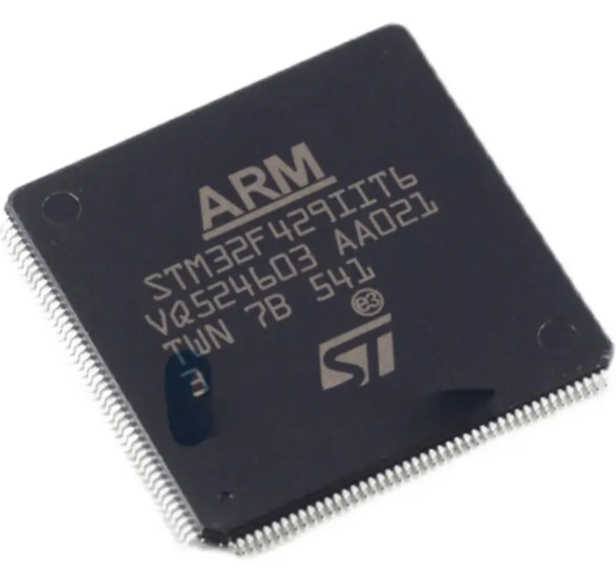
In the vast and intricate world of modern electronics, few components are as ubiquitous and fundamental as the Microcontroller Unit (MCU) System. These compact, integrated circuits serve as the dedicated brains behind countless devices, orchestrating specific tasks with precision and efficiency. From the moment you start your car to the thermostat regulating your home’s temperature, an MCU system is likely at work. An MCU integrates a processor core, memory, and programmable input/output peripherals on a single chip, creating a complete, self-contained computing system designed for embedded applications. Unlike general-purpose microprocessors found in PCs, MCUs are tailored for control-oriented tasks, offering a blend of low power consumption, cost-effectiveness, and real-time operation. This article delves deep into the architecture of MCU systems, explores their diverse applications across industries, and examines the evolving trends shaping their future. For engineers and procurement specialists seeking reliable components in this domain, platforms like ICGOODFIND provide invaluable resources for sourcing and comparing MCU systems from a global network of suppliers.
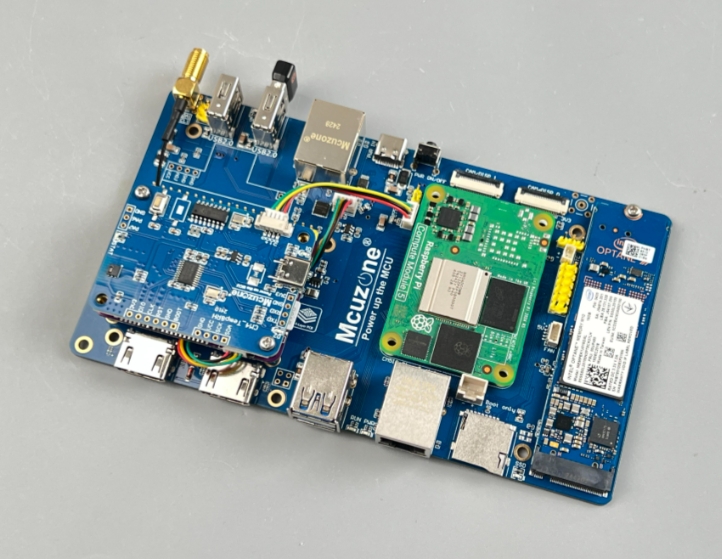
Part 1: Core Architecture and Components of an MCU System
The power of an MCU system lies in its highly integrated architecture. Understanding its core components is key to appreciating its capabilities.
The Central Processing Unit (CPU): At the heart of every MCU is the CPU. Typically based on architectures like ARM Cortex-M, AVR, PIC, or RISC-V, the CPU executes instructions from the program memory. The choice of CPU core directly dictates the MCU’s processing power, instruction set efficiency, and overall performance profile. For instance, ARM Cortex-M cores are renowned for their excellent balance of performance and energy efficiency, dominating applications from IoT sensors to automotive control.
Memory Subsystem: An MCU contains two primary types of memory on-chip. Flash Memory stores the application program code and constant data. It is non-volatile, meaning it retains information even when power is removed. SRAM (Static Random-Access Memory) provides volatile memory for temporary data storage during program execution, such as variables and the system stack. The ratio and size of Flash to SRAM are critical design considerations.
Input/Output (I/O) Ports and Peripherals: This is where the MCU interacts with the external world. General-purpose I/O (GPIO) pins can be programmed as inputs or outputs to read switches or drive LEDs. More sophisticated integrated peripherals are what truly differentiate MCUs. These commonly include: * Analog-to-Digital Converters (ADC): Crucial for reading real-world signals from sensors (temperature, pressure, light). * Timers/Counters: Used for generating precise delays, measuring pulse widths, or creating Pulse-Width Modulation (PWM) signals for motor control or dimming LEDs. * Communication Interfaces: Serial communication protocols like UART, I2C, and SPI are fundamental for MCU connectivity, enabling dialogue with other chips, sensors, displays, and wireless modules. * Specialized Controllers: Many MCUs integrate controllers for USB, CAN (automotive networks), Ethernet, or even capacitive touch sensing.
System Clock and Power Management: The clock generator drives the CPU and peripherals. MCUs often feature flexible clock systems that allow dynamic scaling of frequency to optimize for performance or power savings. Advanced power management modes (Sleep, Deep Sleep, Standby) are essential for battery-powered applications, allowing the MCU to consume minuscule amounts of current when idle.
Part 2: Dominant Applications Across Industries
The versatility of MCU systems has led to their proliferation across virtually every sector of technology.
Consumer Electronics: This is perhaps the most visible domain. MCUs are inside smartwatches, remote controls, home appliances (microwaves, washing machines), gaming peripherals, and toys. They manage user interfaces, control displays, process sensor data (e.g., from accelerometers), and execute device-specific logic. The drive towards smarter, more connected home devices is heavily reliant on low-power Wi-Fi or Bluetooth-enabled MCU systems.
Automotive Industry: Modern vehicles are networks of dozens, sometimes over a hundred, MCUs. They form distributed systems known as Electronic Control Units (ECUs). MCUs control critical functions such as engine management (ECU), anti-lock braking systems (ABS), airbag deployment, infotainment systems, and advanced driver-assistance systems (ADAS). Automotive-grade MCUs must meet stringent standards for temperature range, reliability, and safety (like ISO 26262).
Industrial Automation and IoT: In factories, MCUs drive programmable logic controllers (PLCs), motor controls, robotic arms, and monitoring sensors. The Industrial Internet of Things (IIoT) leverages MCUs with connectivity options to collect machine data for predictive maintenance and process optimization. Robustness in harsh environments and real-time deterministic operation are non-negotiable requirements for industrial MCU systems.
Medical Devices: From portable glucose meters and digital thermometers to infusion pumps and wearable heart rate monitors, MCUs enable precise measurement, data processing, and control in medical equipment. High accuracy in analog signal acquisition (via ADCs) and ultra-low power consumption for implantable or wearable devices are paramount in this sector.
Part 3: Future Trends and Development Directions
The landscape of MCU systems is not static; it is rapidly evolving to meet new technological demands.
Integration of AI/ML at the Edge: There is a growing trend towards embedding machine learning capabilities directly into MCU systems. Known as TinyML, this allows devices to perform inference tasks like voice recognition, anomaly detection in sensor data, or simple image classification locally on the MCU without relying on cloud connectivity. This shift reduces latency, saves bandwidth, enhances privacy, and enables smarter autonomous operation at the network edge.
Enhanced Connectivity and Security: Future MCUs are increasingly coming with built-in wireless stacks (Bluetooth Low Energy 5.x, Wi-Fi 6⁄7 LPWAN like LoRaWAN) as standard features. With increased connectivity comes greater vulnerability. Consequently, hardware-based security features—such as cryptographic accelerators (AES), True Random Number Generators (TRNG), secure bootloaders,and hardware-isolated secure storage—are becoming essential components of modern MCU architectures.
Focus on Ultra-Low-Power (ULP) Architectures: As the IoT expands with billions of battery-powered or energy-harvesting devices,the demand for MCUs that can operate on microamps or nanoamps in sleep mode continues to intensify.Innovations in process technology (e.g.,FD-SOI),power gating,and more sophisticated low-power modes are pushing the boundaries of energy efficiency.
Rise of Open-Source Architectures: The RISC-V instruction set architecture (ISA) is gaining significant traction in the MCU space.As an open-standard ISA,RISC-V offers design freedom,customization,and reduced licensing costs.MCU vendors are now offering RISC-V-based cores,promising greater innovation and flexibility for specialized applications.
Conclusion
The MCU system stands as a cornerstone of the digital age,a testament to engineering ingenuity that packs immense functionality into a minuscule silicon footprint.Its integrated architecture—combining processing,memory,and a rich set of peripherals—makes it the ideal solution for embedded control across consumer automotive industrial,and medical fields.As technology advances,the trajectory for MCUs points towards greater intelligence at the edge through AI/ML,tighter integration of robust connectivity and security,and relentless pursuit of lower power consumption.For professionals navigating this complex component landscape,efficient sourcing tools are critical.Platforms like ICGOODFIND streamline this process by offering a centralized hub to search filter,and compare a vast array of MCU systems from global suppliers ensuring developers find the perfect chip to bring their innovative embedded designs to life.