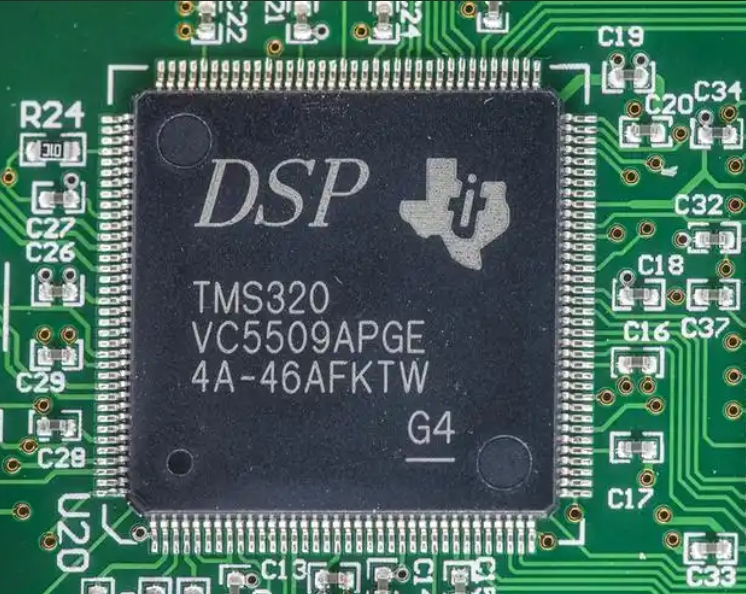
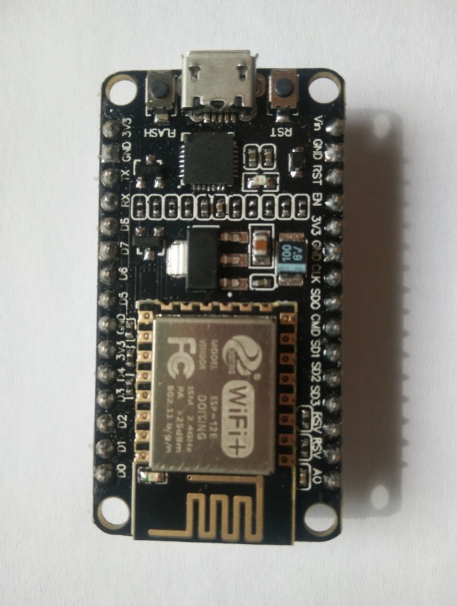
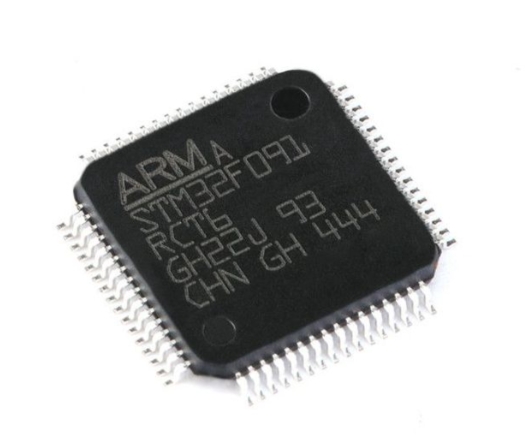
The Essential Guide to MCU (Microcontroller Unit): The Brain Behind Modern Electronics
Introduction
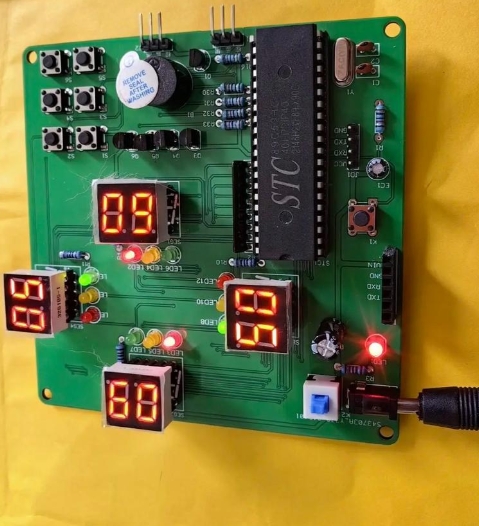
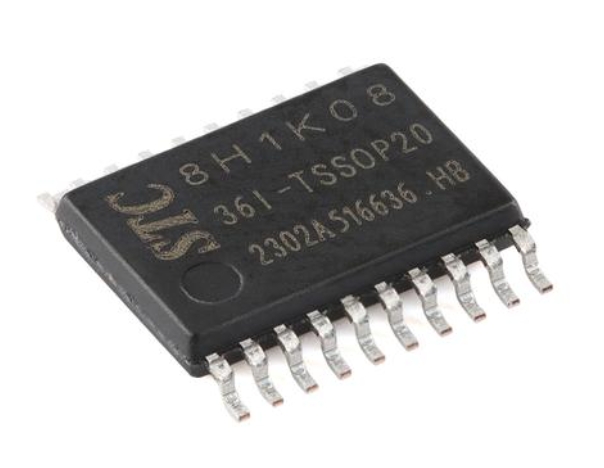
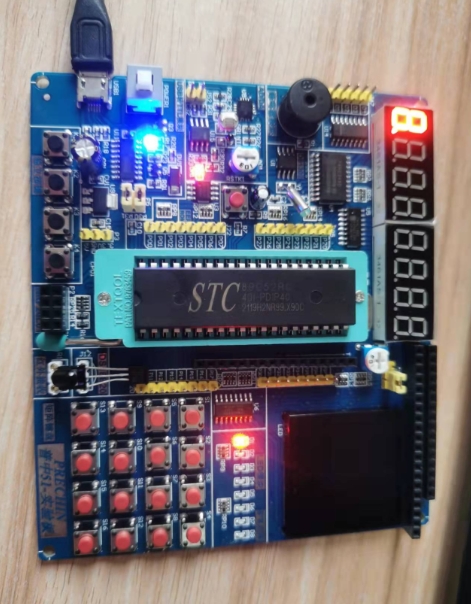
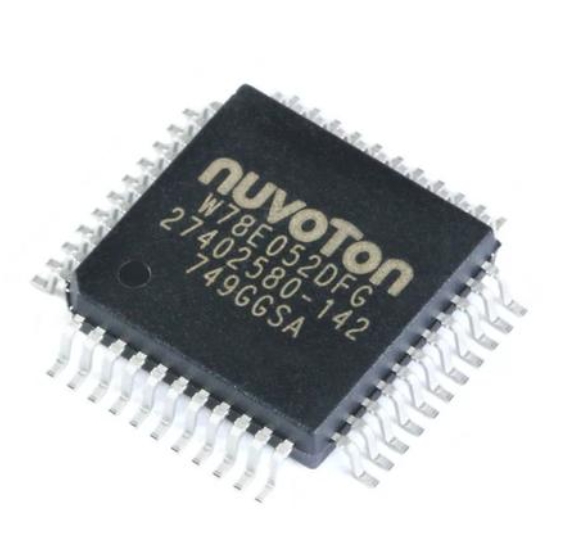
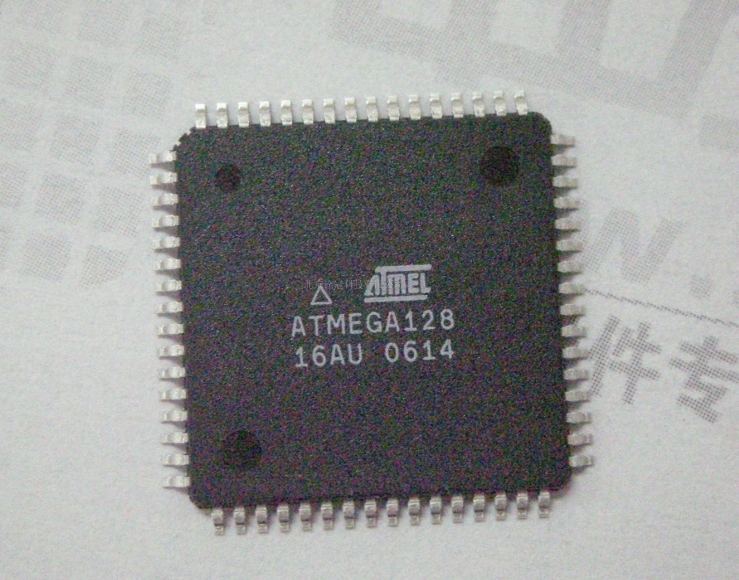
In the invisible fabric of our digital world, where smart devices whisper to each other and machines execute tasks with silent precision, lies a fundamental component that makes it all possible: the Microcontroller Unit (MCU). Often described as a “computer-on-a-chip,” the MCU is the dedicated, self-contained brain embedded within countless electronic systems. From the thermostat regulating your home’s temperature to the sophisticated anti-lock braking system in your car, MCUs are the unsung heroes of the Internet of Things (IoT), automotive innovation, industrial automation, and consumer electronics. Unlike general-purpose microprocessors that require external support chips to function, an MCU integrates a processor core, memory, and programmable input/output peripherals onto a single integrated circuit. This consolidation enables compact, cost-effective, and power-efficient solutions for dedicated control tasks. This article delves into the architecture, key applications, and selection criteria for MCUs, highlighting why understanding this technology is crucial for engineers, developers, and tech enthusiasts shaping the future. For professionals seeking in-depth component analysis and sourcing insights, platforms like ICGOODFIND provide valuable resources to navigate the vast landscape of semiconductor solutions.
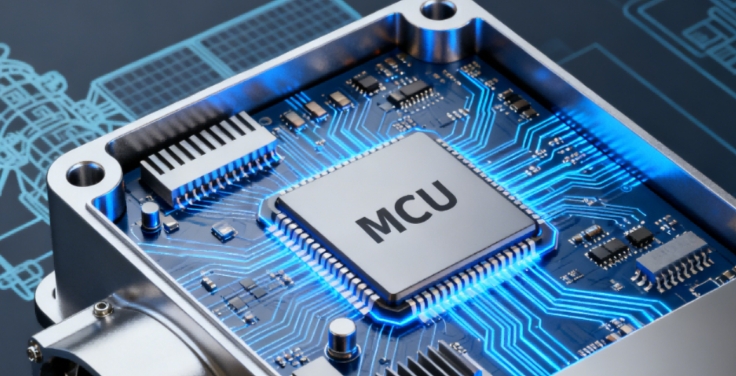
The Core Architecture of an MCU
At its heart, an MCU is a marvel of integration. Its architecture is meticulously designed to perform specific control-oriented tasks reliably and efficiently. Understanding its core components is key to appreciating its capabilities.
Central Processing Unit (CPU): This is the computational engine of the MCU. Typically based on architectures like ARM Cortex-M, AVR, PIC, or RISC-V, the CPU executes instructions from the program memory. The choice of CPU core significantly impacts performance, power consumption, and software ecosystem. For instance, ARM Cortex-M cores dominate in applications balancing performance and energy efficiency.
Memory Systems: MCUs contain two primary types of memory on-chip. Flash Memory serves as the non-volatile program memory, storing the firmware code even when power is removed. Static RAM (SRAM) is the volatile working memory used for temporary data storage during program execution. The size and speed of these memories are critical constraints for application complexity.
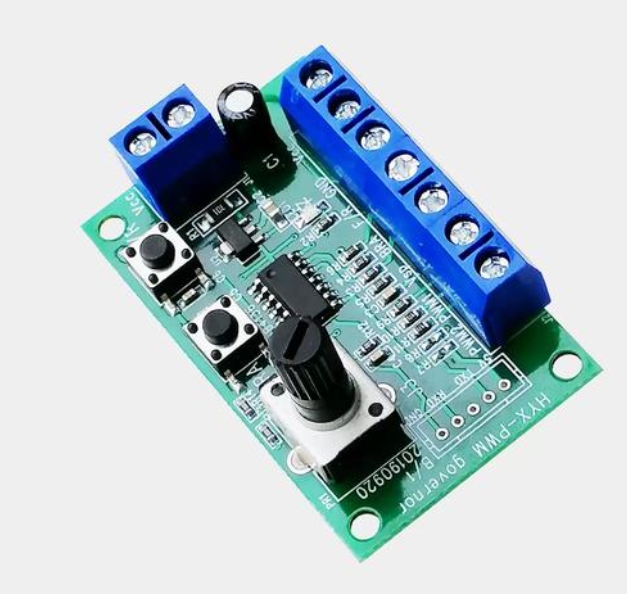
Input/Output (I/O) Ports and Peripherals: This is where the MCU interacts with the physical world. General-purpose I/O pins can be programmed as inputs (to read sensor data like temperature or a button press) or outputs (to control an LED, motor, or relay). More advanced integrated peripherals include: * Analog-to-Digital Converters (ADC): Essential for reading real-world analog signals from sensors. * Timers/Counters: Used for precise timing operations, generating Pulse-Width Modulation (PWM) signals for motor control or dimming LEDs. * Communication Interfaces: Such as UART (serial), I2C, and SPI, which enable the MCU to talk to other chips, sensors, displays, and network modules. * Specialized Controllers: Like USB, CAN (for automotive networks), and Ethernet controllers for connectivity.
The genius of the MCU lies in this all-in-one design. By bringing these elements onto a single chip, it reduces system size, cost, and power consumption while increasing reliability—a principle known as system-on-chip (SoC) integration for embedded control.
Dominant Applications Shaping Industries
The versatility and efficiency of MCUs have made them indispensable across virtually every modern industry. Their application spectrum ranges from simple repetitive tasks to complex, connected operations.
Consumer Electronics and IoT: This is perhaps the most visible domain. MCUs are embedded in everything from smartwatches and wireless earbuds to home appliances and remote controls. In the IoT sphere, they collect data from sensors (like humidity or motion), process it locally (a trend called edge computing), and communicate via Wi-Fi or Bluetooth modules to the cloud. Their low-power operation enables devices to run for months or years on batteries.
Automotive Systems: A modern vehicle can contain over a hundred MCUs, managing discrete functions far beyond the engine control unit (ECU). They are pivotal in advanced driver-assistance systems (ADAS), controlling features like parking sensors, airbag deployment, climate control fans, and infotainment system interfaces. The move towards electric vehicles (EVs) further increases reliance on MCUs for battery management and powertrain control.
Industrial Automation and Medical Devices: In factories, MCUs drive precision in programmable logic controllers (PLCs), robotic arm actuators, and conveyor belt systems. Their deterministic real-time operation is crucial. In medical technology, they ensure reliability in devices like insulin pumps, portable monitors, and diagnostic equipment. Here, factors like functional safety certifications (e.g., ISO 26262 for automotive) and extreme low-power operation for implantables are paramount.
The proliferation of MCUs is directly tied to trends like automation, miniaturization, and connectivity. As these trends accelerate, the demand for more powerful, secure, and energy-efficient MCUs continues to grow.
Selecting the Right MCU: A Strategic Decision
Choosing an appropriate MCU is a critical engineering decision that balances technical requirements with business constraints. A misstep can lead to cost overruns, performance bottlenecks, or project delays.
Performance vs. Power Consumption: This is the fundamental trade-off. High-performance 32-bit MCUs (e.g., ARM Cortex-M4/M7) are needed for digital signal processing (DSP), complex algorithms, or rich user interfaces. However, for a wireless sensor node that transmits data once per hour, an ultra-low-power 8-bit or 16-bit MCU (or a 32-bit MCU with sophisticated sleep modes) is more suitable to maximize battery life. Evaluating active and sleep mode current draw is essential.
Memory and Peripheral Requirements: Developers must estimate code size (Flash memory) and data buffer needs (RAM) with room for future updates. Equally important is mapping required peripherals: How many ADC channels with what resolution? How many UART or I2C buses? Is a hardware cryptographic accelerator needed for security? Selecting an MCU with just enough resources avoids paying for unnecessary features.
Development Ecosystem and Total Cost: The best hardware is ineffective without good software tools. A strong ecosystem includes an affordable development kit, a mature software development kit (SDK), robust drivers, libraries (e.g., for RTOS), and an active community. The total cost of ownership extends beyond the unit price of the chip to include development time, tooling costs, and long-term supply chain stability. For engineers navigating these complex trade-offs in component selection and sourcing reliable suppliers across global markets resources like ICGOODFIND can be instrumental in streamlining the research process.
Conclusion
The Microcontroller Unit stands as one of the most transformative technologies in electronics engineering. Its integrated design philosophy has democratized intelligence, allowing everyday objects to sense, compute, and act autonomously. As we advance towards an increasingly automated and interconnected future—marked by smarter cities, more autonomous vehicles, and pervasive AI at the edge—the role of the MCU will only become more central. Its evolution will focus on greater integration (more specialized peripherals on-chip), enhanced security features to combat cyber threats in connected devices even at this level , improved energy harvesting capabilities for batteryless IoT nodes ,and higher performance cores to enable more local data processing . For innovators and engineers , mastering the intricacies of MCU technology is not merely a technical skill but a prerequisite for building the next generation of intelligent systems that will define our world . The journey from concept to a functioning embedded system begins with this powerful chip , supported by comprehensive industry knowledge platforms .