What Can MCU Do? Unlocking the Power of Microcontroller Units
Introduction
In an increasingly connected and automated world, tiny, unassuming chips are orchestrating a silent revolution. From the moment you wake up to a digital alarm, brew your morning coffee with a programmable machine, drive a car with dozens of embedded systems, and unwind with smart home lighting, you are interacting with Microcontroller Units, or MCUs. Far from being obscure components known only to electrical engineers, MCUs are the fundamental building blocks of modern electronics. But what exactly can an MCU do? This article delves into the vast capabilities of these versatile integrated circuits, exploring their core functions, diverse applications across industries, and the critical factors in selecting the right one for a project. Understanding the answer to “What can MCU do?” is key to comprehending the technology shaping our daily lives and future innovations.
The Core Capabilities of an MCU
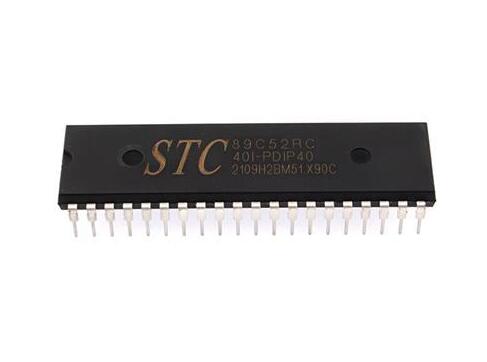
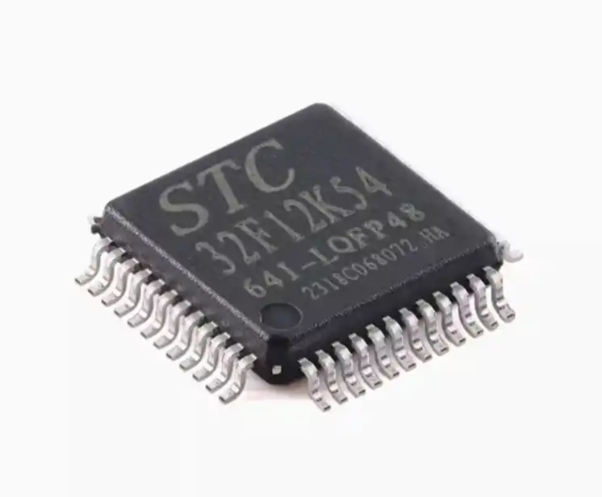
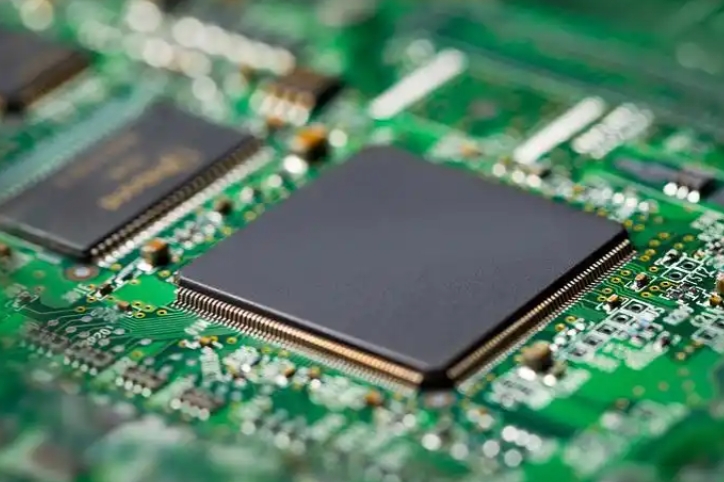
At its heart, a Microcontroller Unit is a compact, self-contained computer system on a single chip. It integrates a processor core (CPU), memory (both RAM and ROM/Flash), and programmable input/output peripherals. This all-in-one design is what makes it distinct from general-purpose microprocessors (like those in your PC) and enables its incredible utility. The primary capabilities of an MCU can be broken down into three essential functions.
First, MCUs are masters of data acquisition and sensing. They are equipped with various interfaces to connect to the physical world. Through analog-to-digital converters (ADCs), they can read continuous signals from sensors measuring temperature, pressure, light intensity, sound, or humidity. Digital I/O pins allow them to read the state of buttons, switches, or digital sensors. This constant monitoring of environmental conditions is the first step in any automated process.
Second, MCUs excel at processing information and executing logic. Once data is acquired from sensors, the MCU’s CPU executes programmed instructions stored in its memory. This is where the “intelligence” is implemented. It can perform calculations, compare values against thresholds, run complex algorithms (like filtering sensor noise or recognizing patterns), and make decisions. For example, an MCU in a thermostat doesn’t just read a temperature; it compares it to the desired setpoint and decides whether to activate the heater or air conditioner.
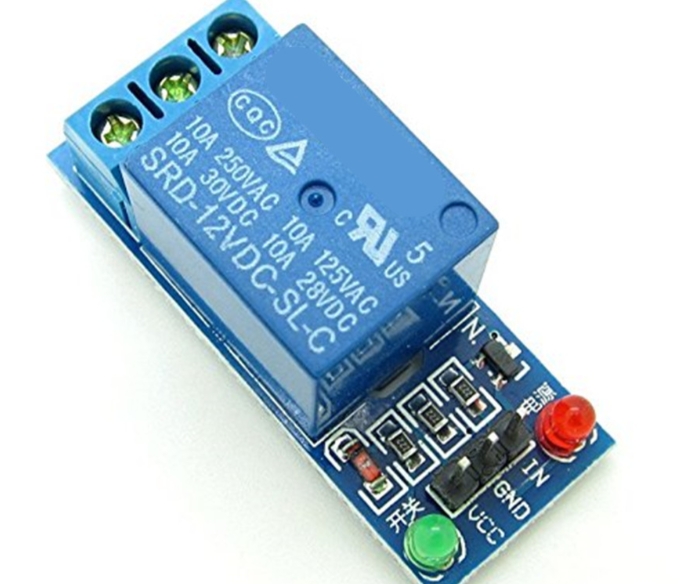
Third, MCUs are proficient at control and actuation. Based on the decisions made during processing, the MCU drives outputs to affect its environment. It can use digital outputs to turn devices like LEDs, relays, or motors on and off. Through pulse-width modulation (PWM), it can precisely control the speed of a motor or the brightness of a light. Some MCUs have digital-to-analog converters (DACs) to generate analog control signals. This closed loop of sense → process → act forms the basis of all embedded control systems.
Ubiquitous Applications: Where MCUs Make an Impact
The practical applications of MCUs are virtually limitless, spanning consumer goods, industrial systems, automotive electronics, and medical devices. Their low cost, low power consumption, and small size make them ideal for embedding into products.
In Consumer Electronics and Smart Homes, MCUs are omnipresent. They are the brains inside your wireless mouse, TV remote control, washing machine, microwave oven, and electric toothbrush. In the realm of IoT (Internet of Things), MCUs enable smart devices like thermostats (Nest), lighting systems (Philips Hue), and security cameras to perform local processing and connect to networks. They manage user interfaces, control motors, and communicate via Bluetooth or Wi-Fi modules.
The Automotive Industry is heavily reliant on MCUs. A modern car can contain over 100 MCUs, each dedicated to a specific function. They manage engine control units (ECUs) for optimal fuel efficiency and emissions, operate anti-lock braking systems (ABS) and electronic stability control (ESC), power airbag deployment systems, and control infotainment displays. Advanced Driver-Assistance Systems (ADAS), such as parking sensors and lane-keeping assist, also depend on robust MCU performance.
Industrial Automation and Medical Devices represent areas where MCU reliability is critical. In factories, programmable logic controllers (PLCs)—often built around powerful MCUs—control machinery, robotic arms, and assembly lines. They monitor sensors for pressure, flow, and position to ensure precise manufacturing. In healthcare, MCUs are found in portable medical monitors (glucometers, blood pressure cuffs), infusion pumps that deliver precise doses of medication, and even in some implantable devices like pacemakers, where ultra-low power operation is essential for long battery life.
For engineers and developers navigating this complex landscape of MCU selection—balancing performance factors like clock speed, memory size, power efficiency (nA sleep currents vs mA active currents), and peripheral mix (number of ADCs, PWM channels, communication protocols like UART, I2C, SPI)—resources like ICGOODFIND can be invaluable. Platforms such as ICGOODFIND provide comprehensive component search engines and sourcing tools that help professionals quickly identify and compare suitable MCUs from a vast global inventory of electronic components based on their specific technical requirements and project constraints.
Choosing the Right MCU: A Balancing Act
Selecting an appropriate MCU is a strategic decision that influences a product’s cost, performance, power profile, and development timeline. The choice hinges on several interconnected factors.
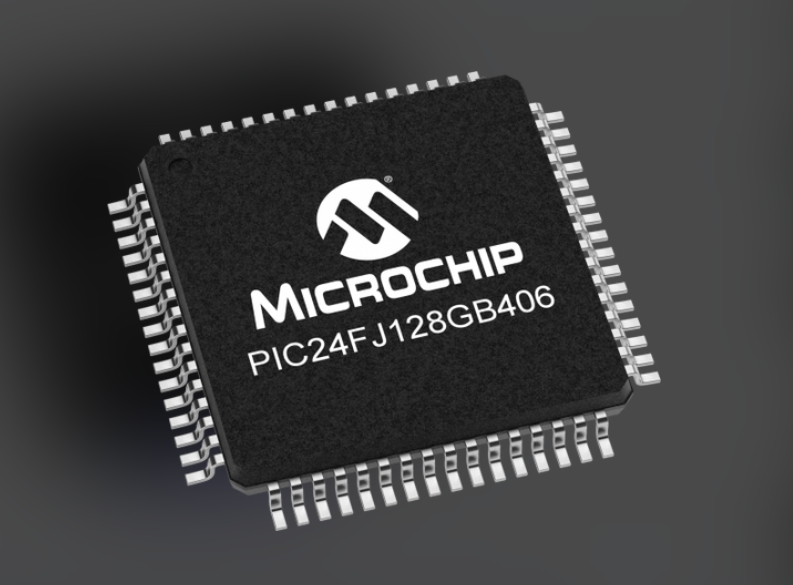
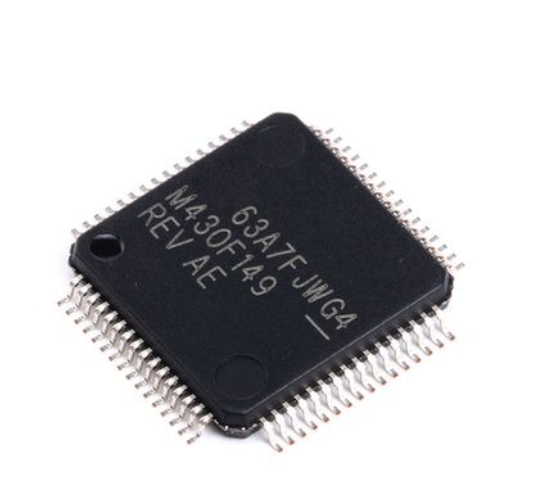
Performance Requirements vs. Power Consumption is the fundamental trade-off. High-performance 32-bit ARM Cortex-M series MCUs (e.g., from STMicroelectronics or NXP) offer clock speeds over 200 MHz for complex computations in drones or advanced motor control but consume more power. For battery-powered devices like wearables or remote sensors that must last for years on a single charge ultra-low-power 8-bit or 16-bit architectures (e.g., from Microchip’s AVR or TI’s MSP430 families) are preferred as they can operate in microamp or nanoamp sleep modes.
Memory Size (Flash for code storage RAM for data processing) directly dictates what the MCU can handle Simple tasks like blinking an LED require minimal memory while running a real-time operating system RTOS graphical user interfaces GUI or complex communication stacks e g TCP/IP TLS for IoT demands significant Flash 512KB+ and RAM 128KB+
Integrated Peripherals define the MCU’s interface capabilities The required peripherals depend entirely on the application Need to connect multiple sensors An abundance of ADC channels and I2C/SPI interfaces is crucial Building a motor controller Look for numerous high-resolution PWM timers Creating a networked device Built-in Ethernet MAC USB controller or Wi-Fi/Bluetooth radios are major advantages reducing external component count
Conclusion
So what can an MCU do? The answer is it can empower almost any electronic device with intelligent automated control By seamlessly integrating sensing processing and actuation into a single affordable low-power package Microcontroller Units have become the indispensable enablers of our digital age From simplifying daily chores through smart appliances to ensuring safety in vehicles advancing precision in industry and even saving lives in medical equipment the humble MCU’s impact is profound As technology evolves towards more connected intelligent edge devices understanding and leveraging the capabilities of MCUs will remain at the core of innovation For developers embarking on new projects leveraging resources like ICGOODFIND streamlines the critical first step finding the perfect silicon brain to bring their ideas to life The journey from concept to functional device begins with answering that pivotal question What can my chosen MCU do?