Design Based on MCU: The Engine of Modern Embedded Systems
Introduction
In the ever-evolving landscape of technology, the humble Microcontroller Unit (MCU) stands as a silent powerhouse, driving innovation across countless industries. From the smart thermostat regulating your home’s temperature to the advanced sensor in a modern vehicle, MCU-based design is the foundational architecture behind the intelligent devices that define our daily lives. This approach to electronics design prioritizes integration, cost-effectiveness, and dedicated functionality, making it the go-to solution for embedded systems where real-time processing, low power consumption, and reliability are paramount. Unlike general-purpose processors, MCUs combine a processor core, memory, and programmable input/output peripherals on a single chip, creating a compact and efficient system-on-chip (SoC) solution. This article delves into the core principles, development processes, and transformative applications of MCU-based design, highlighting why it remains indispensable in the era of IoT and smart technology. For engineers and developers seeking cutting-edge components and insights for their next project, platforms like ICGOODFIND serve as a vital resource, connecting innovative design with the perfect MCU solutions.
The Core Architecture and Selection Criteria for MCUs
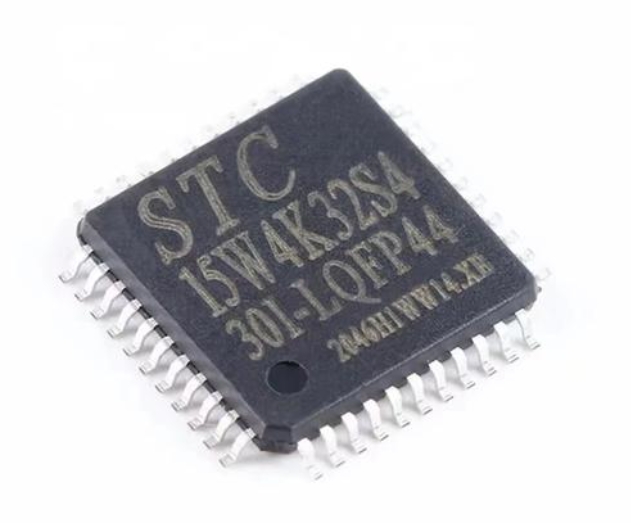
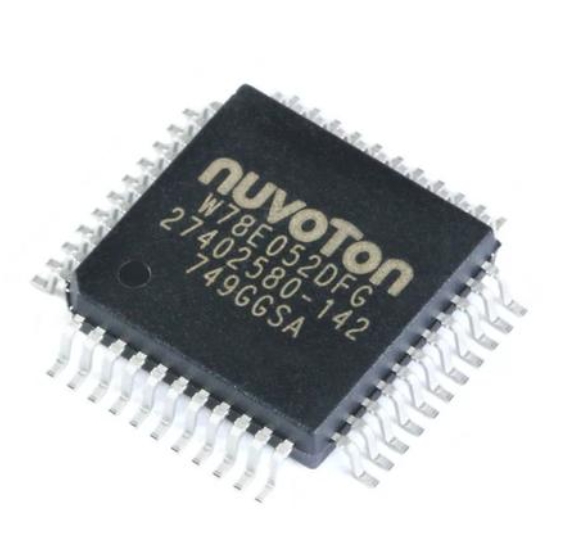
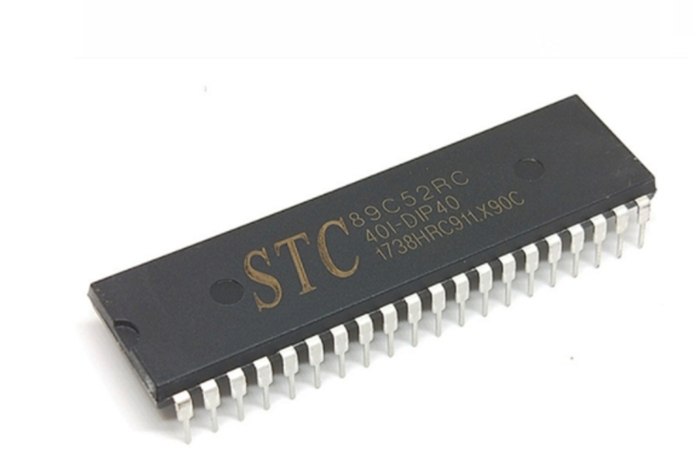
The first step in any successful MCU-based design is understanding the architecture and making an informed selection. An MCU is essentially a miniature computer condensed onto a single integrated circuit. Its heart is the processor core, which can range from simple 8-bit architectures (e.g., classic AVR or 8051) to powerful 32-bit cores based on ARM Cortex-M, RISC-V, or ESP32 architectures. The choice of core directly impacts processing power, energy efficiency, and instruction set capabilities.
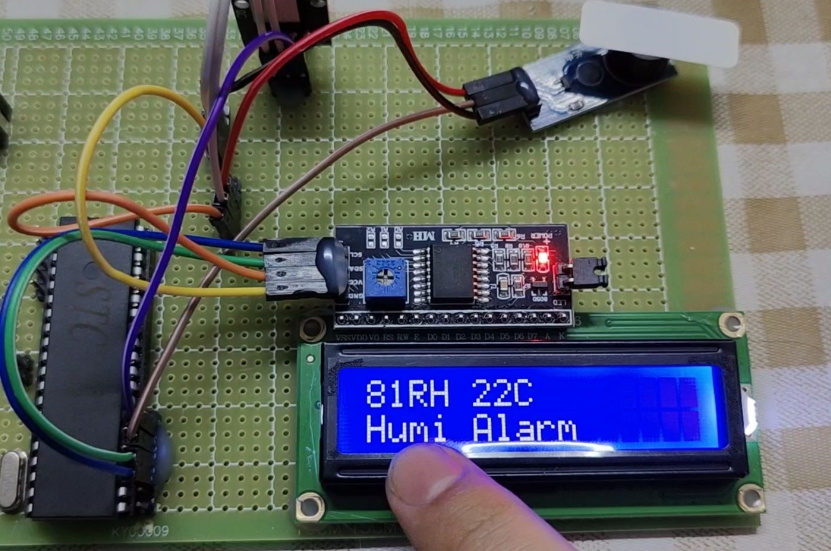
Beyond the core, the integration of key components on-chip is what truly defines the MCU’s advantage. This typically includes: * Memory: Flash memory for storing application code and SRAM for volatile data during operation. * Programmable I/O Ports: Pins that can be configured as digital inputs or outputs to interact with buttons, LEDs, and other digital devices. * Analog Peripherals: Critical components like Analog-to-Digital Converters (ADCs) for reading sensor data (temperature, pressure) and Digital-to-Analog Converters (DACs) for generating analog signals. * Communication Interfaces: Built-in hardware modules for serial communication protocols such as UART (universal asynchronous receiver-transmitter), I2C (inter-integrated circuit), SPI (serial peripheral interface), and increasingly, CAN (controller area network) for automotive applications and integrated Wi-Fi/Bluetooth for IoT connectivity.
Selecting the right MCU is a balancing act. The decision hinges on a critical evaluation of processing power versus power consumption, often measured in metrics like DMIPS (Dhrystone Million Instructions Per Second) per milliamp. Other vital factors include the amount of flash and RAM required by the application, the number and type of peripherals needed (e.g., how many ADC channels or UART modules), the robustness of the supply chain, and of course, unit cost. For developers navigating this complex landscape, component sourcing platforms like ICGOODFIND provide invaluable market intelligence and access to a wide range of suppliers, ensuring the optimal MCU is found for both prototype and production scales.
The Development Workflow and Essential Tools
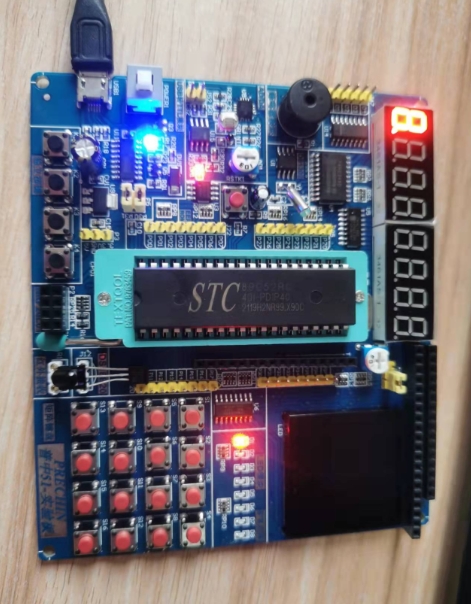
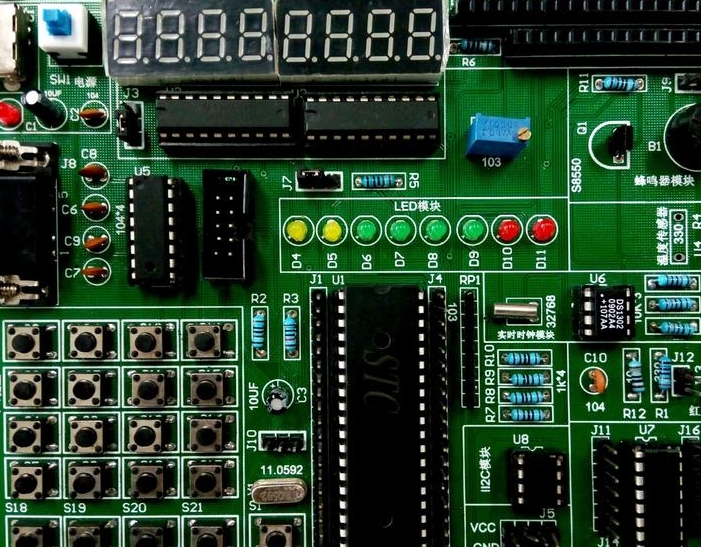
Designing with an MCU follows a structured workflow that bridges hardware and software. The process begins with rigorous hardware schematic design and Printed Circuit Board (PCB) layout. The designer must correctly connect the MCU’s power supply pins (ensuring clean, stable voltage), its clock source (a crystal oscillator or internal RC oscillator), reset circuitry, and all peripheral components like sensors, actuators, and communication lines. Proper PCB layout is crucial to avoid electromagnetic interference (EMI) and ensure signal integrity.
Once the hardware prototype is ready, the focus shifts to software development. This is where Integrated Development Environments (IDEs) become essential. IDEs such as Keil MDK, IAR Embedded Workbench, STM32CubeIDE (for ARM Cortex-M), or PlatformIO (a versatile cross-platform tool) provide a unified suite for writing, compiling, debugging, and flashing code. The software is typically written in C or C++, languages that offer a fine balance between high-level abstraction and low-level hardware access.
A critical phase in MCU development is debugging and real-time testing. Modern MCUs come with hardware debug interfaces like JTAG (Joint Test Action Group) or SWD (Serial Wire Debug). These allow developers to connect a debug probe to the board, set breakpoints in the code, step through instructions line-by-line, and inspect register and memory contents in real-time. This capability is invaluable for diagnosing timing issues, peripheral configuration errors, and software logic flaws. Furthermore, the use of Real-Time Operating Systems (RTOS) like FreeRTOS or Zephyr is becoming standard for managing complex tasks, enabling multi-threading, precise timing control, and efficient resource management in more sophisticated applications.
Transformative Applications Across Industries
The versatility of MCU-based design fuels innovation across virtually every sector. Its impact is most visible in the following domains:
-
Consumer Electronics and Smart Home Devices: MCUs are the brains inside wearables like fitness trackers—managing sensors, processing data, and conserving battery life. They control smart home gadgets such as connected light bulbs, security sensors, and voice-controlled assistants, handling user input, wireless communication protocols (via co-processors or integrated radios), and actuator control with cost-effective efficiency.
-
Industrial Automation and Automotive Systems: In industrial settings, MCUs enable precise motor control in robotics and conveyor systems, often implementing complex algorithms like Field-Oriented Control (FOC). They serve as programmable logic controllers (PLCs) in smaller-scale automation. The automotive industry relies heavily on a network of MCUs known as Electronic Control Units (ECUs). These units manage everything from engine control and anti-lock braking systems (ABS) to infotainment displays and advanced driver-assistance systems (ADAS), where reliability and real-time response are non-negotiable.
-
The Internet of Things (IoT) and Wearable Technology: This is perhaps the fastest-growing domain for MCU innovation. Modern IoT nodes require devices that can sense their environment, process data locally (“edge computing”), and communicate wirelessly while operating for years on a small battery. Low-power MCUs with integrated wireless connectivity (e.g., ESP32-series or various ARM Cortex-M plus radio chips) are specifically architected for this challenge. They collect data from sensors, put the core into deep sleep modes between operations to save power, and wake up periodically to transmit information via Wi-Fi, Bluetooth Low Energy (BLE), or Low-Power Wide-Area Networks (LPWAN).
For companies developing products in these competitive fields, sourcing reliable components quickly is key. This is where comprehensive electronic component platforms prove their worth; by aggregating global supplier data, they help teams find not just any MCU but the one that perfectly aligns with their technical specs and commercial requirements—a service exemplified by platforms like ICGOODFIND.
Conclusion
Design based on MCU remains a cornerstone of modern electronic engineering. Its enduring relevance stems from its unparalleled combination of integration, efficiency, adaptability, and cost-effectiveness. As technology marches toward smarter edge devices, more automated industries, and an ever-expanding IoT universe,the role of the MCU only grows more central. Mastering its architecture—from core selection leveraging resources like ICGOODFIND to sophisticated software development with RTOS—empowers engineers to create robust,intelligent,and interconnected solutions.The future will see MCUs becoming even more powerful yet energy-frugal,further integrating AI accelerators for tinyML applications,and solidifying their position as the indispensable building blocks of our digital world.For anyone embarking on an embedded systems journey,a deep understanding of MCU-based design is not just an advantage—it is an essential foundation for innovation.