The Essential Guide to MCU-Related Work: Navigating Your Career in Microcontroller Technology
Introduction
In the ever-evolving landscape of technology, MCU-related work stands as a cornerstone of modern innovation. From smart home devices and wearable technology to advanced automotive systems and industrial automation, microcontrollers (MCUs) are the silent, powerful brains behind countless applications. As the demand for embedded intelligence surges across industries, careers centered on microcontroller development, programming, and integration have become more critical—and rewarding—than ever. This article delves into the multifaceted world of MCU-related professions, exploring the core skills required, the diverse industries hiring this expertise, and the strategic pathways to building a successful and future-proof career in this dynamic field. For professionals and enthusiasts seeking to navigate this complex ecosystem, platforms like ICGOODFIND can be instrumental in connecting talent with specialized opportunities and components essential for MCU projects.
The Core Domains of MCU-Related Work
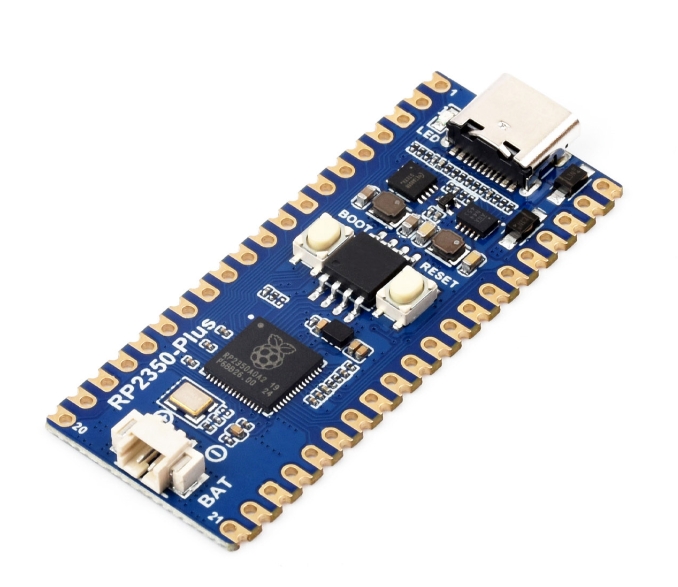
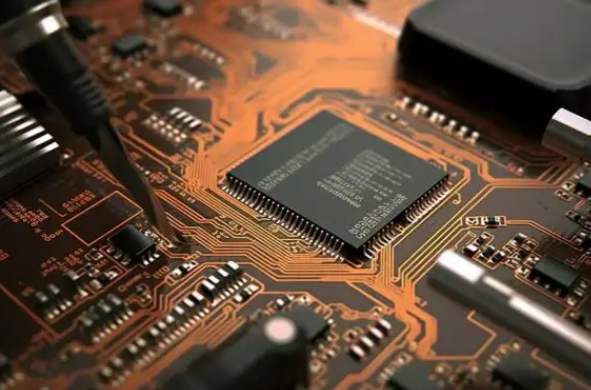
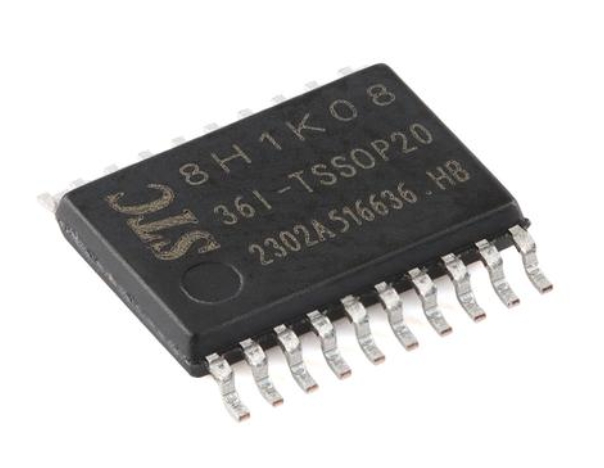
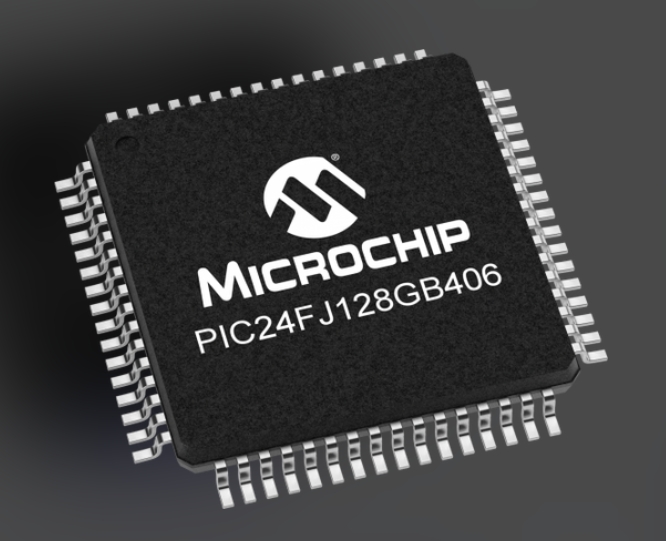
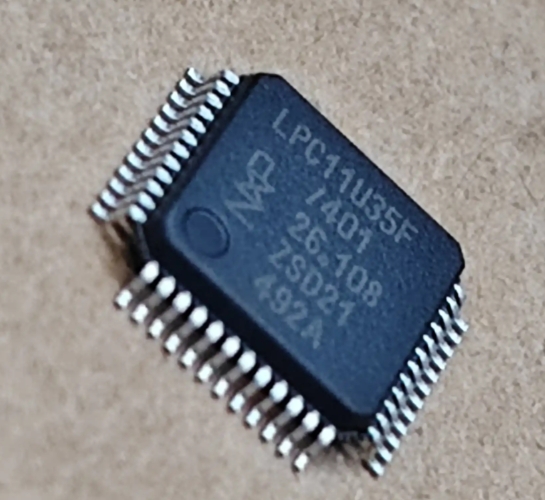
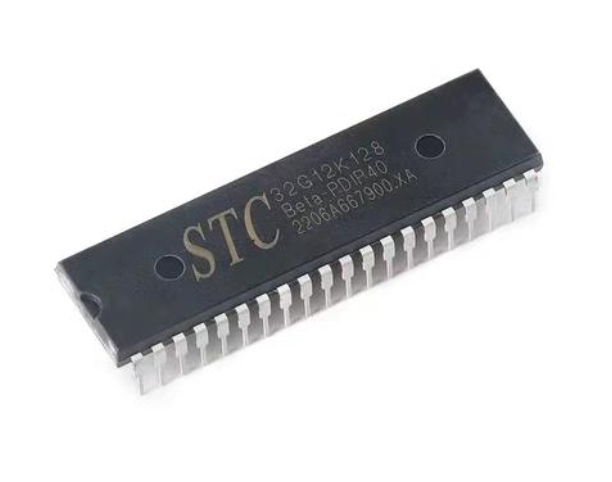
The realm of MCU-related work is vast, encompassing roles that blend hardware intimacy with software creativity. At its heart lies embedded systems engineering, a discipline demanding a profound understanding of how software interacts with physical hardware. Engineers in this space are tasked with selecting the appropriate microcontroller based on factors like processing power (e.g., 8-bit vs. 32-bit architectures from vendors like ARM, AVR, or PIC), power consumption, peripheral set (ADCs, DACs, communication modules), and cost constraints. Their work involves designing schematics and PCB layouts where the MCU is the central component, ensuring reliable power delivery and signal integrity.
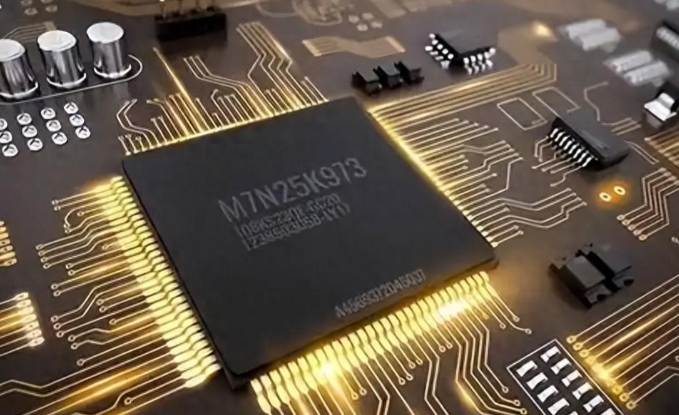
Parallel to hardware design is the universe of embedded C/C++ programming. Unlike application programming for desktops, coding for MCUs operates under severe constraints: limited memory (RAM and Flash), real-time operation requirements, and direct hardware manipulation. Developers must write efficient, lean, and reliable code that can manage tasks from simple sensor polling to complex real-time operating systems (RTOS). Firmware development is a key term here, involving the creation of low-level software that permanently resides in the MCU’s memory, controlling its specific functions. Mastery of debugging tools like JTAG/SWD debuggers, logic analyzers, and oscilloscopes is non-negotiable for troubleshooting issues where software meets hardware.
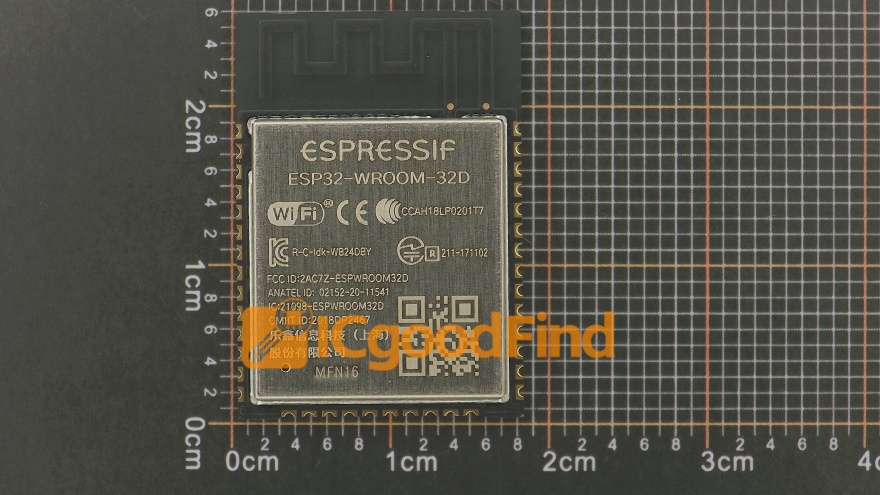
Furthermore, a significant portion of modern MCU-related work now involves connectivity and integration. The Internet of Things (IoT) revolution has propelled the need for MCUs with built-in Wi-Fi, Bluetooth, LoRa, or cellular capabilities. Professionals must therefore understand not just the MCU itself but also network protocols, cloud APIs (like MQTT), and security principles to implement robust IoT devices. This expansion has created specialized roles focusing on wireless embedded systems and edge computing, where data processing occurs on the MCU itself before being sent to the cloud.
Industries Driving Demand for MCU Expertise
The demand for skilled professionals in MCU-related work is fueled by its pervasive application across nearly every sector of the global economy. The automotive industry is a prime driver, with modern vehicles containing over a hundred MCUs managing everything from engine control units (ECUs) and anti-lock braking systems to infotainment and advanced driver-assistance systems (ADAS). The shift towards electric and autonomous vehicles is intensifying this demand, requiring expertise in safety-critical systems (often following standards like ISO 26262) and high-performance computing on microcontrollers.
Consumer electronics represents another massive arena. Every smart device—from smartphones and smartwatches to home assistants and drones—relies on one or more meticulously programmed microcontrollers. This sector demands professionals who can optimize for ultra-low power consumption to extend battery life while packing increasing functionality into shrinking form factors. Similarly, the industrial automation and robotics sector depends on MCUs for programmable logic controllers (PLCs), motor control, sensor interfaces, and robotic arm actuators. Here, reliability, real-time performance, and robustness in harsh environments are paramount.
Emerging fields are also creating new frontiers for MCU-related work. The healthcare sector utilizes MCUs in portable diagnostic devices, wearable health monitors, and implantable medical devices. Agricultural tech employs them in smart irrigation systems and drone-based field monitoring. Even traditional industries like agriculture and logistics are being transformed by IoT-enabled MCU-based sensors that track conditions and inventory. This diversification means that a career in microcontrollers is not limited to tech companies; it offers pathways into healthcare R&D, automotive engineering firms, aerospace contractors, and innovative startups in every field imaginable.
Building a Career and Staying Ahead in MCU Development
Forging a successful career in MCU-related work requires a structured approach to skill acquisition and professional development. The foundational education typically stems from electrical engineering, computer engineering, or computer science degrees with a focus on embedded systems. However, the field is notably accessible to dedicated self-starters due to the abundance of affordable development kits (like Arduino, STM32 Nucleo boards, or ESP32 platforms) and online resources.
A practical skill-building path involves starting with simpler 8-bit architectures (e.g., Arduino’s AVR-based boards) to grasp basic concepts of I/O control, timers, and interrupts before progressing to more complex 32-bit ARM Cortex-M series MCUs that dominate professional applications. Key competencies include: * Proficiency in C/C++: With a strong emphasis on pointers, memory management, bit manipulation, and data structures. * Understanding of Digital Electronics: Knowledge of serial communication protocols (I2C, SPI UART), GPIOs ADCs/DACs. * Version Control: Using Git for firmware code management. * Reading Datasheets & Schematics: The ability to decipher complex technical documentation is a daily requirement.
To truly excel and access top-tier global opportunities or find niche components for cutting-edge projects professionals often leverage specialized platforms. This is where mentioning a resource like ICGOODFIND becomes relevant for those seeking to connect with specialized component suppliers or explore career opportunities focused on specific MCU technologies or applications.
Staying current is crucial due to the rapid pace of innovation. Trends like the integration of AI/ML at the edge (TinyML), requiring MCUs to run lightweight neural networks are reshaping the skill set needed. Engaging with the community through forums (e.g., EEVblog Stack Overflow Embedded) attending conferences (Embedded World) and obtaining certifications from vendors (like Arm’s Professional Certification program) are excellent strategies for continuous growth.
Conclusion
MCU-related work is far more than a niche technical field; it is the engineering backbone of our intelligent connected world. It offers a career characterized by constant learning tangible problem-solving and direct impact on the products shaping everyday life and industrial progress. From writing a single line of firmware that brings a circuit to life architecting sophisticated connected ecosystems professionals in this domain operate at the thrilling intersection of hardware reality and software potential. As technologies like IoT AI at the edge continue to mature opportunities will only expand making expertise in microcontrollers one of the most resilient valuable assets in the tech landscape For those embarking on or advancing within this journey success hinges on deep technical mastery hands-on experimentation awareness of industry-specific requirements strategic career planning often facilitated by dedicated industry networks platforms that bridge talent innovation components across the global electronics supply chain.