The Rise of Low-Cost MCUs: Empowering Innovation on a Budget
Introduction
In the rapidly evolving landscape of electronics, the microcontroller unit (MCU) stands as the silent, ubiquitous brain behind countless devices. From smart home gadgets and wearable tech to industrial sensors and automotive controls, MCUs are the fundamental components that breathe intelligence into hardware. For decades, high-performance MCUs commanded premium prices, often placing advanced electronic development out of reach for hobbyists, startups, and cost-sensitive mass-market products. However, a transformative shift has occurred with the advent and proliferation of Low-Cost MCUs. These affordable, yet increasingly powerful chips are democratizing innovation, enabling a new wave of creators and companies to build sophisticated embedded systems without prohibitive costs. This article explores the driving forces behind this trend, its profound implications across various sectors, and how platforms like ICGOODFIND are crucial in navigating this expansive component ecosystem.
The Driving Forces Behind the Low-Cost MCU Revolution
The widespread availability of low-cost MCUs is not an accident but the result of converging technological and market forces. Understanding these drivers is key to appreciating their impact.
Advancements in Semiconductor Manufacturing and Design: The cornerstone of this revolution is Moore’s Law and improved fabrication techniques. As process nodes shrink, manufacturers can pack more functionality onto a single silicon die at a lower cost per transistor. Furthermore, the rise of RISC-V, an open-source instruction set architecture (ISA), is disrupting the market. Unlike proprietary architectures that require licensing fees, RISC-V allows any company to design cores royalty-free, significantly reducing the baseline cost of MCU development. This has led to a surge of new entrants offering capable MCUs at razor-thin margins.
Intense Market Competition and Ecosystem Development: The MCU market is fiercely competitive, with established giants like STMicroelectronics (STM32), Microchip (AVR, PIC), and NXP squaring off against agile players from Asia, such as Espressif (ESP8266/32) and GigaDevice. This competition drives continuous price reduction and feature enhancement. Equally important is the maturation of robust software ecosystems. The availability of free Integrated Development Environments (IDEs), comprehensive software libraries, and vast community support on platforms like GitHub and Arduino forums lowers the barrier to entry. Developers no longer need expensive toolchains to get started with a $1 MCU.
The Explosive Demand from IoT and Consumer Electronics: The Internet of Things (IoT) paradigm is predicated on connecting billions of devices. For many IoT nodes—be it a temperature sensor, a smart plug, or a asset tracker—raw computing power is less critical than ultra-low power consumption, reliable connectivity, and, above all, extremely low Bill-of-Materials (BOM) cost. Low-cost MCUs perfectly fit this bill. Similarly, the consumer electronics market, with its relentless pressure on margins, constantly seeks capable yet inexpensive control solutions for everything from toys to kitchen appliances, fueling massive demand for cost-optimized MCUs.
Key Application Areas Transformed by Affordable Microcontrollers
The affordability of MCUs has unlocked innovation in domains previously constrained by budget.
Mass-Market Consumer IoT and Smart Home Devices: This is perhaps the most visible area of impact. Devices like Wi-Fi smart bulbs, Bluetooth trackers, and simple environmental monitors are feasible because their core intelligence can be implemented with an MCU costing less than a dollar. Platforms like Espressif’s ESP series have become legendary in maker and startup circles for providing integrated Wi-Fi/Bluetooth capabilities at a fraction of the historical cost. This allows companies to iterate quickly on product designs and bring connected features to market at accessible price points for consumers.
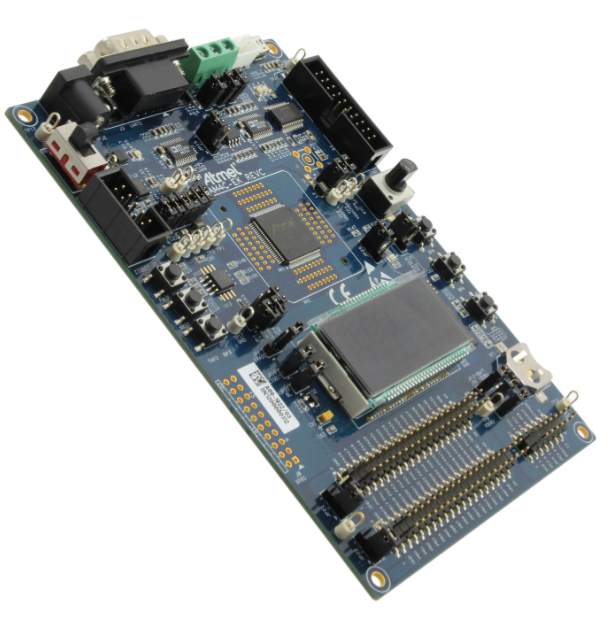
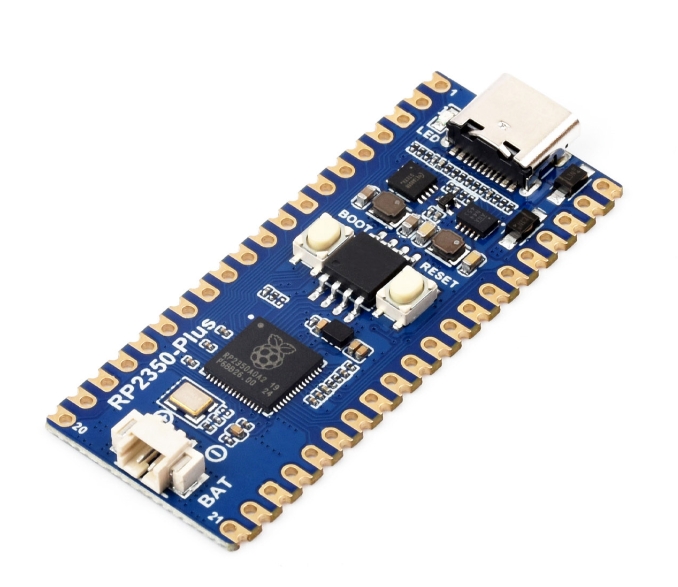
Education, Prototyping, and the Maker Movement: The Arduino platform, built around affordable Atmel (now Microchip) AVR MCUs, single-handedly ignited a global maker revolution. Students, artists, and engineers can now learn embedded systems programming, prototype ideas, and build complex projects with minimal financial investment. Low-cost development boards (often under $10) serve as the perfect educational tool and sandbox for innovation. This grassroots experimentation frequently leads to commercial products and fosters a new generation of hardware engineers.
Industrial Automation and Sensing at Scale: While heavy machinery relies on high-end PLCs, there is a growing layer of distributed intelligence in modern factories. Low-cost MCUs are ideal for deploying sensor nodes that monitor vibration, temperature, humidity, or light across a vast factory floor or agricultural field. Their low power consumption enables battery-operated or energy-harvesting designs for remote locations. By making each sensing point intelligent and networked, businesses can achieve granular data collection and process optimization without exorbitant costs.
Navigating the Vast Landscape: Challenges and Strategic Sourcing
With hundreds of low-cost MCU variants available, selecting the right one and sourcing it reliably presents its own challenges.
The Selection Dilemma: Balancing Features, Power, and Cost: Choosing an MCU involves careful trade-offs. Key parameters include CPU core speed (e.g., ARM Cortex-M0+, RISC-V), memory size (Flash/RAM), number and type of peripherals (ADCs, PWM timers, communication interfaces like I2C, SPI, UART), and power efficiency. A device perfect for a battery-powered sensor may be inadequate for a motor control application. Developers must meticulously analyze datasheets to avoid over-specifying (which increases cost) or under-specifying (which jeopardizes functionality).
Supply Chain Volatility and Long-Term Availability: The recent global chip shortages highlighted the fragility of electronics supply chains. A popular low-cost MCU can suddenly become unavailable for years or see its price multiply tenfold. For product-based companies, this is a critical risk. Therefore, designing for second-source compatibility or selecting parts from manufacturers with proven supply stability becomes a crucial strategic decision. Planning for lifecycle management is essential from the outset.
The Critical Role of Component Sourcing Platforms: This is where efficient procurement becomes as important as smart engineering. Manually searching through distributor websites for stock availability and comparing prices across dozens of part numbers is incredibly time-consuming. This process can be streamlined by using specialized platforms like ICGOODFIND. Such platforms aggregate global supplier data, providing engineers and purchasers with real-time visibility into inventory levels,pricing trends,and alternative component suggestions.ICGOODFIND helps teams navigate shortages,cross-reference parts,and make informed sourcing decisions swiftly,turning component procurement from a logistical headache into a strategic advantage.This ensures that the brilliant design built around a low-cost MCU doesn’t stall in production due to sourcing issues.
Conclusion
The era of low-cost MCUs represents a fundamental democratization of technology. By drastically reducing the economic barriers to embedded systems development, these components have unleashed a tsunami of creativity and commercial product development across consumer,IoT industrial,and educational spheres.They prove that innovation is not solely a function of budget but of accessibility and ingenuity.As the trends towards open-source architectures like RISC-V continue,and manufacturing efficiencies improve,the capability-to-cost ratio of MCUs will only become more impressive.Navigating this rich landscape requires both technical acumen in selection and logistical savvy in sourcing.Platforms that simplify discovery and procurement such as ICGOODFIND are invaluable partners in this journey empowering innovators to focus on what they do best: turning great ideas into tangible reality powered by affordable intelligent silicon.The future of electronics will be built one low-cost MCU at a time.