




Mastering the Core: A Comprehensive Guide to MCU Programming
Introduction
In the invisible fabric of our digital world, where smart devices whisper to each other and machines execute tasks with silent precision, lies the beating heart of modern technology: the Microcontroller Unit, or MCU. MCU Programming is the essential discipline that breathes life into these silicon brains, transforming them from inert chips into intelligent controllers. From the thermostat regulating your home’s temperature to the advanced sensor in a Mars rover, microcontroller code is the universal language of embedded systems. This article delves deep into the art and science of programming these ubiquitous components, exploring foundational concepts, practical development workflows, and advanced optimization strategies. As the demand for smarter, more connected devices skyrockets, proficiency in MCU programming has become a critical skill for engineers and hobbyists alike, serving as the gateway to innovation in the Internet of Things (IoT), robotics, and automation.
Part 1: The Foundation - Understanding MCU Architecture and Core Concepts
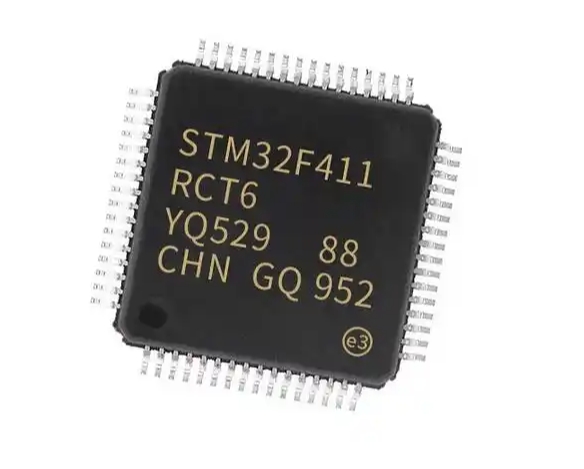
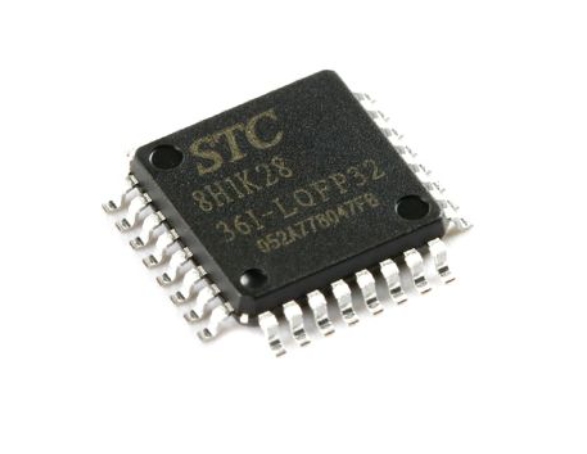
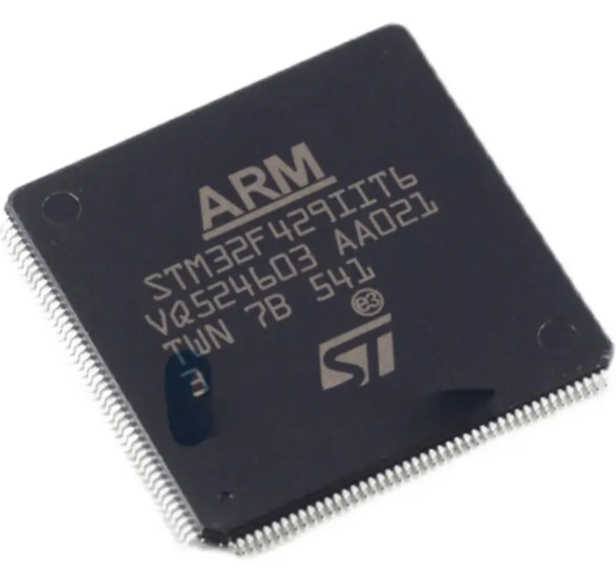
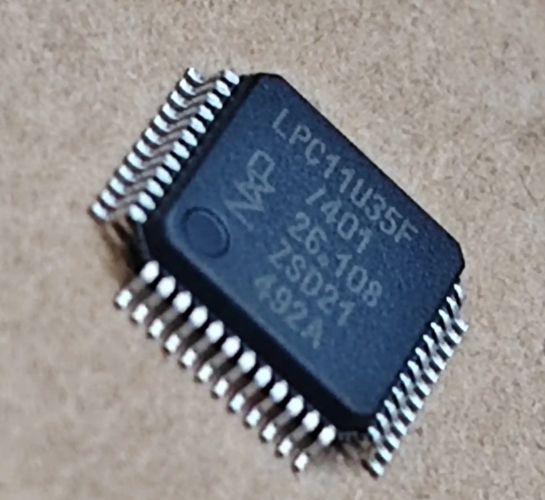
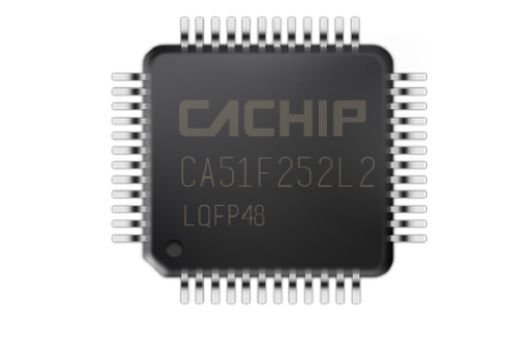
To program an MCU effectively, one must first understand its fundamental architecture. Unlike general-purpose processors in computers, microcontrollers are self-contained systems-on-a-chip (SoC). At its core, an MCU integrates a processor (CPU), memory (RAM and Flash/ROM), and programmable input/output peripherals all into a single package. This integrated design is what makes them ideal for dedicated control tasks.
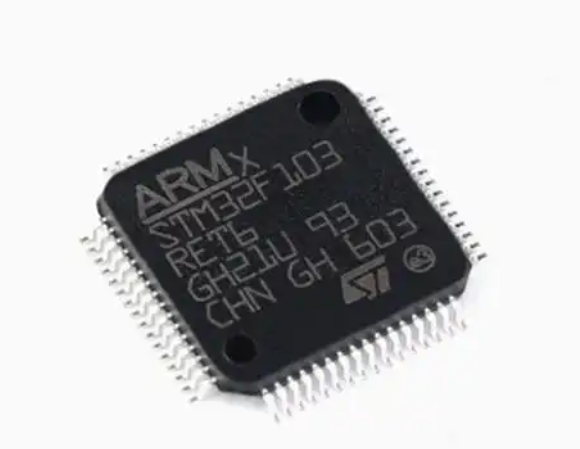
The choice of processor core is paramount. The ARM Cortex-M series, particularly Cortex-M0, M3, and M4 cores, currently dominates the industry due to their excellent performance-per-watt ratio and robust ecosystem. However, legacy architectures like AVR (famously used in Arduino boards), PIC, and ESP32 remain highly relevant for specific applications. Each architecture has its own unique instruction set, which dictates how you write low-level code.
Memory management is a critical constraint. Working with limited RAM (often measured in kilobytes) and Flash memory requires meticulous resource planning. Unlike PC programming, where memory is abundant, MCU programmers must constantly consider variable sizes, stack depth, and heap usage to avoid catastrophic overflows. This is where understanding data types (e.g., using uint8_t instead of int when possible) becomes a performance and reliability necessity.
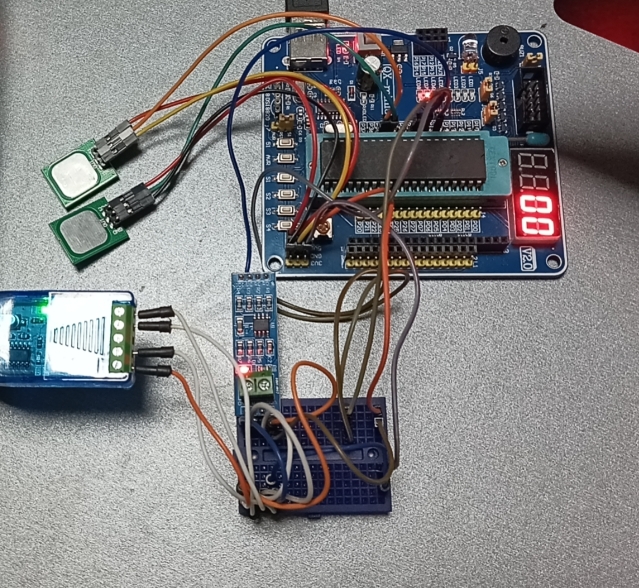
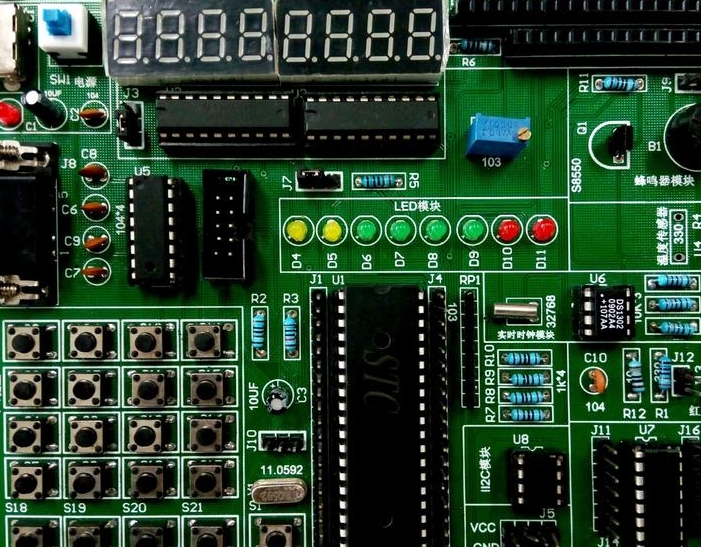
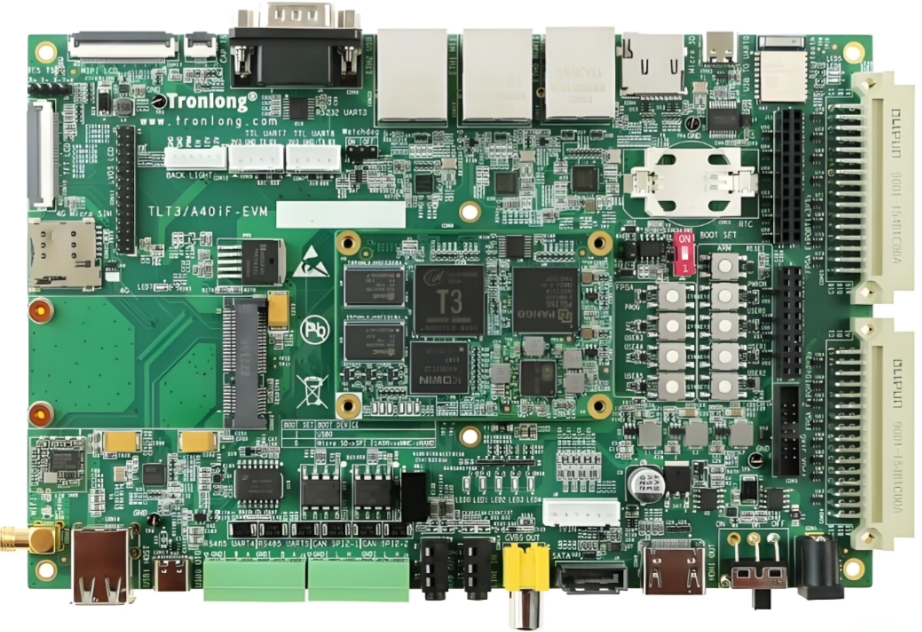
Finally, the true power of an MCU is unlocked through its peripherals. These are hardware modules built into the chip that handle specific tasks without constant CPU intervention. Key peripherals include: * General-Purpose Input/Output (GPIO): Pins that can be digitally controlled as inputs or outputs. * Analog-to-Digital Converters (ADC): For reading real-world signals like temperature or voltage. * Timers/Counters: Essential for generating precise delays, PWM signals for motor control or LED dimming, and capturing event timings. * Communication Interfaces: Such as UART (serial), I2C, and SPI for talking to sensors, displays, and other chips.
Mastering how to configure and interact with these peripherals via registers or hardware abstraction libraries (HAL) is the essence of embedded programming.
Part 2: The Development Workflow - From Toolchain to Debugging
Moving from concept to a functioning embedded system requires a structured workflow and a suite of specialized tools. The journey begins with setting up the toolchain, which typically consists of a compiler (like GCC for ARM), an assembler, a linker, and often a builder like Make or CMake. Integrated Development Environments (IDEs) such as STM32CubeIDE, Keil MDK, or PlatformIO bundle these tools with editors, debuggers, and project managers, significantly streamlining development.
The programming process itself follows several key stages. First, developers write code in C or C++, the dominant languages for MCUs due to their balance of high-level abstraction and low-level hardware access. C++ is increasingly adopted for complex projects due to its object-oriented features and template metaprogramming, which can create efficient and reusable code without runtime overhead. The written code is then compiled into machine-readable object files and linked to create a final binary (often a .hex or .bin file).
Flashing the program onto the MCU’s non-volatile memory is the next critical step. This is done using a hardware programmer/debugger like an ST-Link, J-Link, or a simple USB-to-serial adapter. Modern IDEs often integrate this step seamlessly with a single click.
However, the job is not done after flashing. Debugging embedded systems presents unique challenges, as there is no console to print to by default. Engineers rely on: 1. Hardware Debuggers: Using protocols like SWD or JTAG to set breakpoints, step through code, and inspect register/memory values in real-time. 2. Serial Print Debugging: Sending debug messages over a UART port to a terminal on a PC. 3. Logic Analyzers & Oscilloscopes: Essential tools for verifying the timing and electrical characteristics of signals on GPIO pins or communication buses.
A rigorous testing regimen involving unit tests (with frameworks like Unity or CppUTest) on simulated hardware and integration tests on the target device is crucial for building reliable systems. For those seeking comprehensive resources, tutorials, or specialized components to streamline this entire workflow, platforms like ICGOODFIND can be invaluable in connecting developers with the right tools and information.
Part 3: Advanced Techniques and Modern Paradigms
As applications grow more complex, moving beyond basic GPIO toggling becomes necessary. Real-Time Operating Systems (RTOS) like FreeRTOS, Zephyr, or Azure RTOS introduce multitasking capabilities to single-core MCUs. They allow developers to structure software into multiple threads or tasks that appear to run concurrently, managing shared resources and ensuring critical tasks meet their timing deadlines—a key requirement in real-time systems.
Power efficiency is a cornerstone of battery-powered IoT design. Advanced MCU programming techniques involve aggressively leveraging sleep modes. This means writing firmware that completes tasks quickly before putting the CPU and unnecessary peripherals into deep sleep states, waking only via internal timers or external interrupts. Managing clock speeds dynamically and turning off unused hardware modules are standard practices for maximizing battery life.
Furthermore, the modern MCU is rarely an island. Connectivity through Wi-Fi (ESP32), Bluetooth Low Energy (BLE), or LoRa is now commonplace, requiring programmers to handle network stacks, protocols (like MQTT for IoT), and often-overlooked aspects such as secure Over-The-Air (OTA) updates. Security itself has moved to the forefront; implementing secure boot, encrypted communication, and proper key management are now essential skills.
Lastly, writing maintainable and portable code is an art. It involves creating hardware abstraction layers (HAL) to separate application logic from device-specific driver code. This allows the same core application logic to be ported across different MCU families with minimal changes. Adopting clean coding practices, using version control (like Git), and writing comprehensive documentation are what separate hobbyist projects from professional-grade embedded software.
Conclusion
MCU programming sits at the fascinating intersection of hardware and software—a discipline where every byte of memory and every microsecond of processor time counts. We have journeyed from understanding the integrated architecture of a microcontroller through the practical pipeline of development tools and debugging strategies, finally arriving at advanced concepts that power today’s smart devices. The landscape is continuously evolving with more powerful cores, richer peripherals, and greater connectivity options. Mastering this field requires not just theoretical knowledge but hands-on experimentation: start with a development board, blink an LED, read a sensor, and gradually tackle more ambitious projects. The ability to command these microscopic engines of logic empowers creators to build solutions that interact with the physical world directly—the very foundation of technological innovation in our era.