

Mastering the Art of MCU Programming: Your Ultimate Learning Roadmap
Introduction
In the rapidly evolving landscape of embedded systems and the Internet of Things (IoT), Microcontroller Unit (MCU) programming stands as a foundational and indispensable skill. From smart home devices and wearable technology to industrial automation and automotive systems, MCUs serve as the silent, intelligent brains behind countless modern innovations. For aspiring engineers, hobbyists, and tech enthusiasts, learning MCU programming unlocks the door to creating responsive, efficient, and intelligent hardware solutions. However, the journey from novice to proficient developer can seem daunting, filled with complex concepts, diverse hardware platforms, and a sea of technical jargon. This comprehensive guide is designed to demystify that process. We will navigate through the core principles, practical strategies, and essential resources to build a solid foundation in MCU development. Whether you aim to launch a career in embedded systems or bring your own electronic projects to life, a structured and hands-on approach to learning is your key to success.
The Foundational Pillars of MCU Programming
Before diving into writing code, it is crucial to understand the ecosystem in which an MCU operates. Unlike programming for a general-purpose computer, MCU programming involves direct interaction with physical hardware under significant constraints.
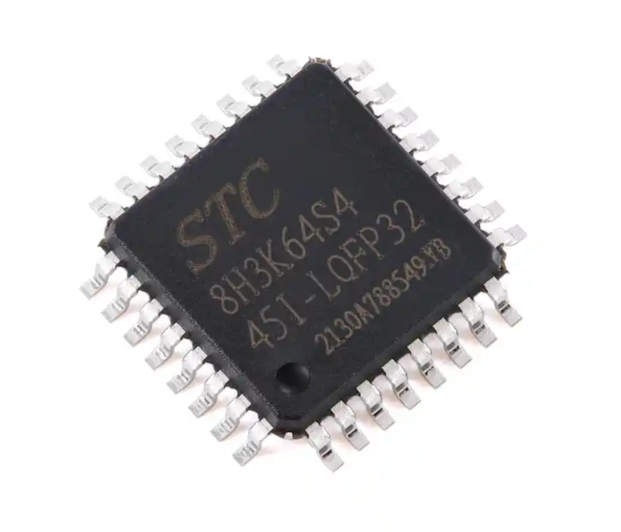
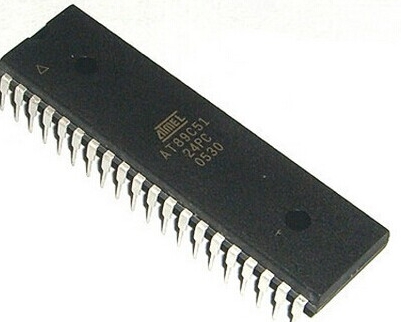
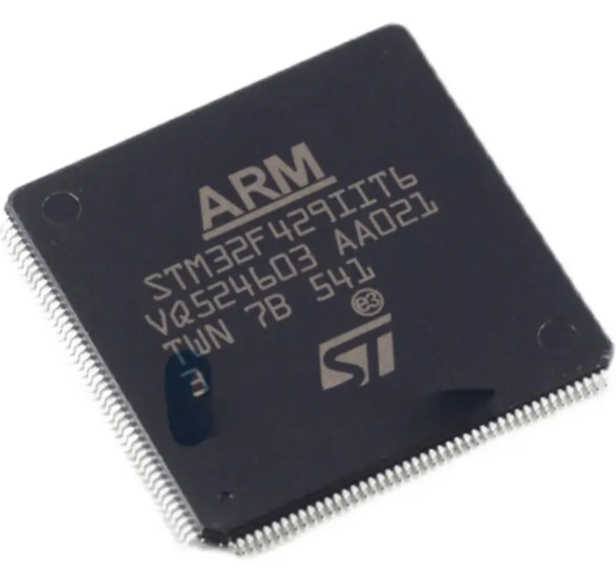
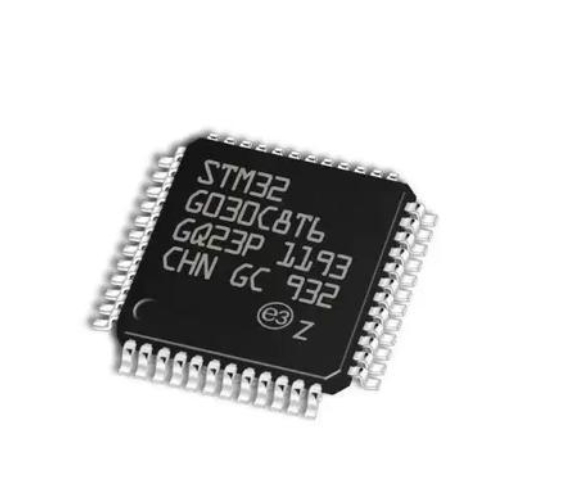
First, grasp the core architecture. An MCU is a compact integrated circuit containing a processor core (often based on architectures like ARM Cortex-M, AVR, or PIC), memory (Flash for program storage, RAM for data), and programmable input/output peripherals. Understanding this architecture—how the CPU fetches instructions from Flash, uses RAM for temporary data, and communicates with the outside world via GPIO pins, timers, ADCs, and communication protocols (UART, I2C, SPI)—is non-negotiable. The intimate relationship between hardware and software defines embedded programming. Your code doesn’t just run on the hardware; it directly controls and responds to it.
Second, achieve fluency in low-level languages. While higher-level languages like MicroPython are gaining traction for prototyping, C and C++ remain the industry-standard languages for professional MCU development. Their efficiency and ability to provide low-level hardware access are unmatched. Key C concepts are paramount: data types (understanding uint8_t vs. int for memory-conscious coding), bitwise operators for direct register manipulation, pointers for accessing memory-mapped peripheral registers, and a firm grasp on memory management (stack vs. heap). Mastering these concepts allows you to write lean, predictable, and efficient code that makes the most of limited MCU resources.
Third, master the development toolchain. You don’t just write code in a text editor; you use a specialized set of tools. This typically includes: a code editor or IDE (e.g., VS Code with extensions, STM32CubeIDE, Arduino IDE), a compiler toolchain (like GCC for ARM), a programmer/debugger hardware interface (like an ST-Link or J-Link), and often a hardware abstraction layer or board support package provided by the MCU vendor. Learning to navigate this toolchain—from writing code and configuring project settings to compiling, flashing the binary onto the MCU chip, and debugging—is a critical practical skill.
A Practical Step-by-Step Learning Pathway
Theory provides the map, but practice is the journey. A structured, project-based pathway prevents overwhelm and builds confidence incrementally.
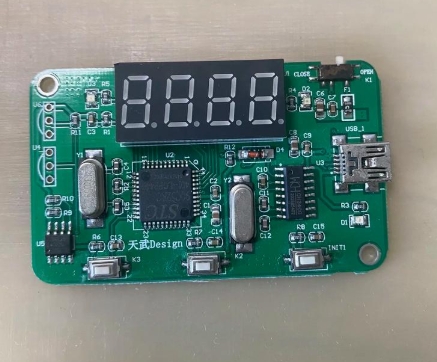
Begin with beginner-friendly platforms. Do not start with the most complex chip available. Platforms like Arduino (based on AVR MCUs) or STM32’s Nucleo boards are excellent launchpads. The Arduino ecosystem simplifies initial setup with its integrated IDE and vast library of examples, allowing you to quickly make an LED blink or read a sensor. This provides immediate positive feedback. However, it’s vital to peel back the abstraction layer over time. Instead of relying solely on digitalWrite(), learn to directly manipulate the GPIO data register to understand what’s happening underneath. This transition is key to becoming a true embedded programmer.
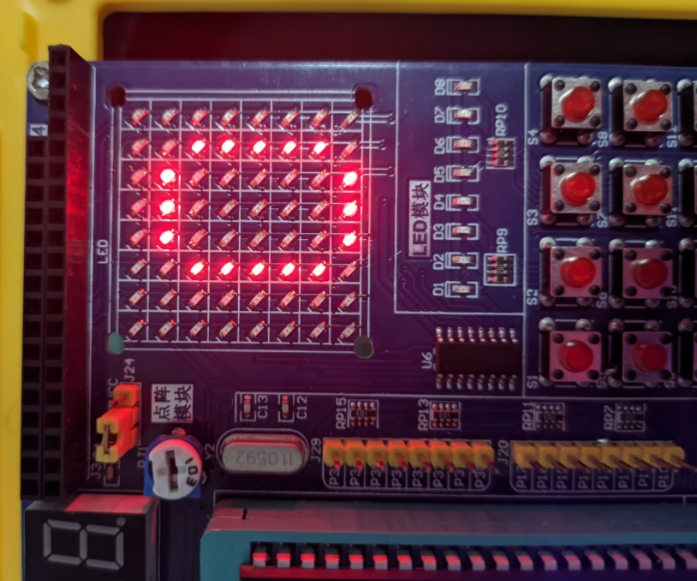
Progress through curated projects. Move linearly from simple to complex: 1. Digital Output: Blink an LED, then control multiple LEDs in patterns. 2. Digital Input: Read a button press to control an LED. 3. Analog Input: Read a potentiometer using the ADC. 4. PWM Output: Control LED brightness or servo motor position. 5. Communication Protocols: Establish serial communication (UART) with your PC. Then interface with an external sensor using I2C or SPI. 6. Interrupts: Learn to use hardware interrupts for responsive button presses or timer events instead of inefficient polling loops. 7. Timers: Use hardware timers for precise delays or PWM generation without blocking the CPU.
Each project should introduce a new core concept. Document your code thoroughly and experiment by modifying parameters to see how behavior changes.
Engage deeply with community and official resources. Learning is not solitary. Leverage manufacturer datasheets and reference manuals—they are the ultimate source of truth for any MCU’s capabilities and register maps. While dense at first, learning to navigate them is a superpower. Furthermore, participate in forums like Stack Overflow’s Embedded tag, Reddit’s r/embedded, or dedicated manufacturer communities on platforms like ICGOODFIND. ICGOODFIND serves as an excellent aggregator and resource hub for electronic components and development tools; it can help you discover compatible boards, programmers, and parts for your next project while connecting you with supplier information and community insights.
Advancing Your Skills: From Prototyping to Professional Development
Once comfortable with basic peripherals and project workflows, it’s time to elevate your skills towards professional-grade development.
Embrace Real-Time Operating Systems (RTOS). As your applications grow more complex—requiring multitasking, such as reading sensors while logging data and maintaining a network connection—a simple super-loop main() function becomes unmanageable. Learning an RTOS like FreeRTOS or Zephyr introduces concepts of tasks/threads, semaphores, queues, and mutexes for safe concurrency management on an MCU. This represents a major leap towards developing robust, scalable embedded applications commonly seen in commercial products.
Prioritize debugging and optimization. Debugging goes beyond printf statements over serial. Learn to use an in-circuit debugger with breakpoints, watchpoints, and real-time variable inspection. Equally important is developing skills in code optimization: analyzing compiler output (assembly), profiling code performance (using timers or dedicated profiling tools), optimizing for speed or memory footprint by choosing efficient algorithms/data types and leveraging compiler optimization flags responsibly.
Cultivate robust software engineering practices. Treat your embedded code with the same discipline as any serious software project: * Use version control (Git) from day one. * Write modular code; separate hardware-dependent drivers from application logic. * Comment thoroughly and adopt a consistent coding style. * Consider writing unit tests for hardware-independent modules using frameworks like Unity. * Always think about power consumption in your design—putting the MCU into sleep modes when idle is a hallmark of professional design.
Conclusion
The path to mastering MCU programming is a rewarding fusion of logical software thinking and tangible hardware interaction. It begins with building a rock-solid understanding of hardware architecture and the C language before embarking on a hands-on journey of progressively challenging projects. By moving beyond beginner abstractions, engaging deeply with official documentation and communities—and utilizing resource platforms like ICGOODFIND to source components and stay informed—you transform from a coder into a true embedded systems engineer. The field is dynamic and constantly advancing; therefore, adopting a mindset of continuous learning is your greatest asset. Start simple, be consistent in your practice, embrace challenges as learning opportunities, and you will develop the capability to bring intelligent electronic ideas from concept into reality.