Shenzhen MCU Development: The Engine of Next-Generation Electronics Innovation
Introduction
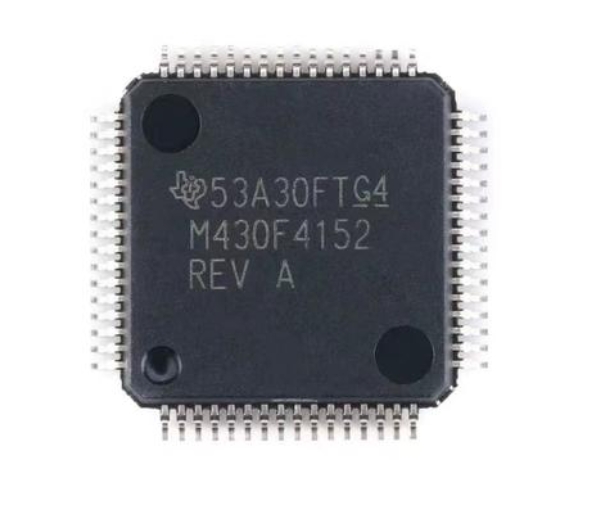
In the heart of the Pearl River Delta, Shenzhen has evolved from a modest fishing village into the undisputed hardware capital of the world. This transformation is powered by a deeply integrated and agile electronics ecosystem, with Microcontroller Unit (MCU) development serving as its fundamental nervous system. MCUs, the compact integrated circuits designed to govern specific operations in embedded systems, are the invisible brains behind everything from smart home devices and wearable technology to industrial automation and cutting-edge IoT solutions. Shenzhen’s unique position—combining massive manufacturing prowess with rapid prototyping capabilities and a dense network of component suppliers—has made it a global epicenter for MCU-driven innovation. For businesses and engineers worldwide, engaging with Shenzhen’s MCU development landscape is not merely an option but a strategic imperative to accelerate product development and maintain competitive edge. Platforms like ICGOODFIND have become crucial in navigating this complex ecosystem, efficiently connecting developers with the optimal MCUs, modules, and technical partners.
The Core Advantages of Shenzhen’s MCU Development Ecosystem
Shenzhen’s dominance in MCU development is not accidental; it is built upon a confluence of structural advantages that create an unparalleled environment for hardware innovation.
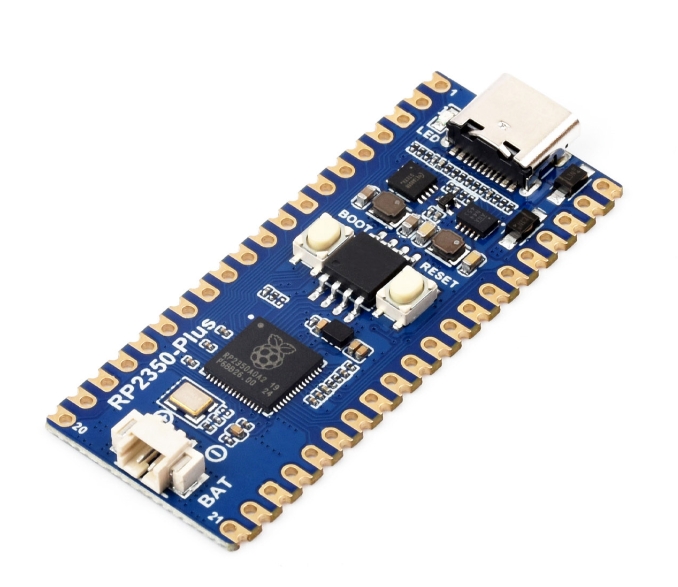
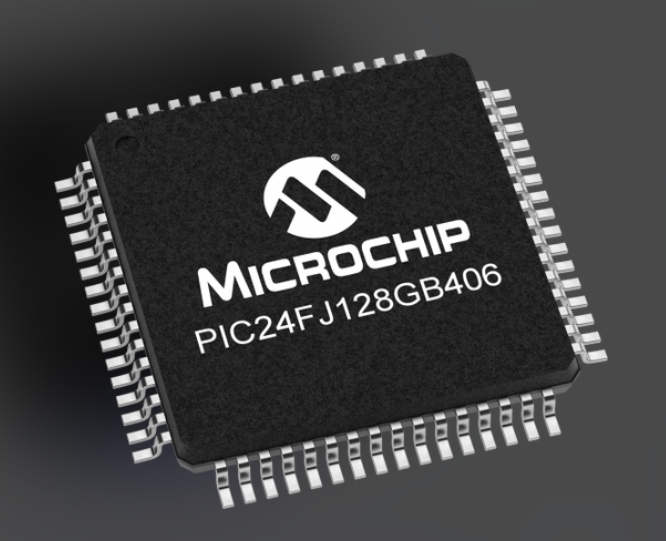
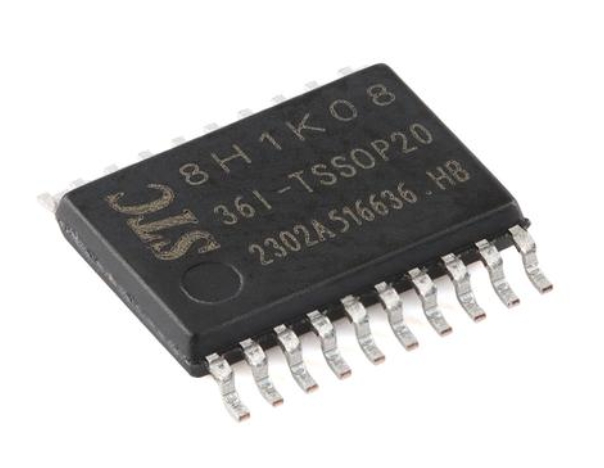
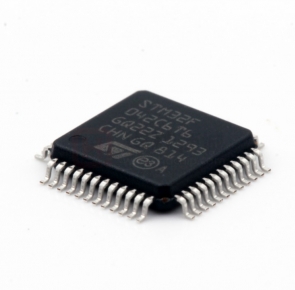
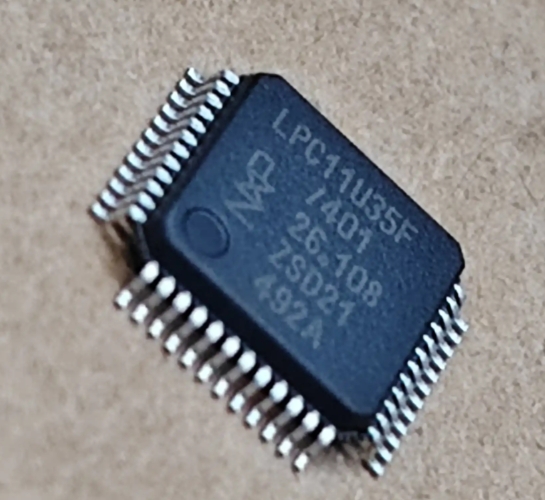
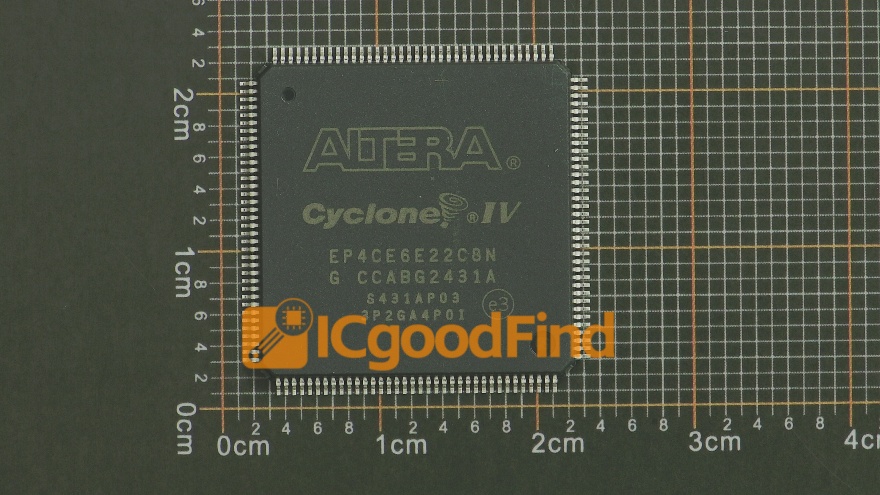
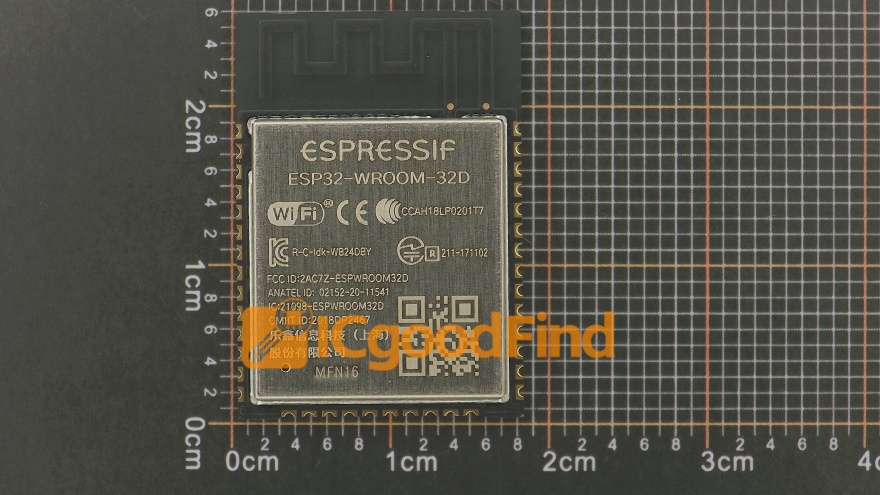
First, the unparalleled supply chain and component accessibility form the bedrock of this ecosystem. The Huaqiangbei area is legendary, often described as a “shopper’s paradise for engineers.” Within a few square kilometers, developers can find almost every MCU variant imaginable—from mainstream architectures like ARM Cortex-M series (STMicroelectronics, NXP) and RISC-V to cost-effective solutions from Chinese manufacturers such as GigaDevice, Winner Micro, and Espressif (famous for the ESP32 series). This immediate physical access drastically reduces procurement time from weeks to hours, enabling incredibly fast iteration cycles. The presence of countless module makers who pre-integrate MCUs with peripherals (Wi-Fi, Bluetooth, sensors) further lowers the barrier to entry, allowing startups to focus on application logic rather than low-level hardware design.

Second, Shenzhen boasts a profound culture of rapid prototyping and agile manufacturing. The concept of “Shanzhai” (copycat) has matured into a sophisticated culture of open innovation and fast replication. A plethora of design houses and solution providers offer turnkey MCU development services. An engineer can arrive with an idea, partner with a local firm, and have a functional prototype within days—a process that might take months elsewhere. This agility is complemented by the surrounding manufacturing infrastructure. The seamless transition from prototype to mass production is Shenzhen’s superpower. Factories are accustomed to small-batch orders and can quickly scale production, supported by readily available tooling, packaging, and testing services all within a tight geographical radius.
Third, the concentration of talent and collaborative spirit fuels continuous advancement. The city attracts top hardware engineers, embedded software developers, and firmware specialists from across China and the globe. This talent pool is well-versed in the latest development tools (Keil, IAR, Eclipse-based IDEs) and real-time operating systems (FreeRTOS, RT-Thread). Moreover, the community is highly collaborative; knowledge sharing happens rapidly through online forums, tech meetups, and informal exchanges. This environment fosters innovation in low-power design, wireless integration (NB-IoT, LoRa), and edge computing applications, keeping Shenzhen at the forefront of global MCU development trends.
Key Application Sectors Driven by MCU Innovation in Shenzhen
The output of Shenzhen’s MCU development engine permeates numerous high-growth industries, defining the functionality and intelligence of modern devices.
The Consumer Electronics and Smart Hardware sector is the most visible beneficiary. MCUs are the core of TWS earbuds, smart watches, electronic toys, smart home appliances (air purifiers, kitchen gadgets), and personal care devices. Shenzhen developers excel at creating feature-rich yet cost-optimized designs here. They leverage MCUs to implement touch controls, voice recognition modules, motor control for haptic feedback, and efficient power management for longer battery life. The drive for miniaturization and enhanced user experience constantly pushes MCU specifications toward higher integration and lower power consumption.
In Industrial Automation and Robotics, reliability and precision are paramount. Shenzhen’s ecosystem provides robust MCUs capable of executing real-time control algorithms for motor drives (BLDC motors), PLCs, sensor arrays, and human-machine interfaces (HMIs). Developers utilize MCUs with high-speed ADCs, dedicated PWM timers, and robust communication interfaces (CAN bus, industrial Ethernet). This enables the creation of affordable yet reliable automation solutions that are democratizing advanced manufacturing for small and medium-sized enterprises globally.
Perhaps the most transformative sector is the Internet of Things (IoT) and Smart Cities. Shenzhen is a living lab for IoT deployment. MCUs with integrated wireless connectivity (Wi-Fi 6/6E, Bluetooth 5.x, Zigbee) are deployed in vast networks for smart meters, environmental monitoring sensors, asset trackers, and smart streetlights. The focus is on developing ultra-low-power MCU solutions that enable years of battery life for remote sensors, often combined with sophisticated power gating and sleep algorithms. These developments are crucial for building scalable and sustainable smart city infrastructures.
Navigating Challenges and Future Trends
Despite its strengths, navigating Shenzhen’s MCU landscape presents challenges such as intellectual property protection concerns, managing quality consistency across suppliers, and the ongoing global component shortages which have highlighted supply chain resilience. Furthermore, the rise of RISC-V architecture presents both a disruption and an opportunity. As an open-source instruction set architecture, RISC-V offers freedom from licensing fees and deep customization potential. Many Shenzhen chip designers are actively developing RISC-V based MCUs, which could lower costs further and foster a new wave of innovation.
The future trajectory points toward several key trends: AI at the edge, where MCUs will integrate tinyML capabilities for on-device inference; enhanced security features becoming standard to protect IoT devices; and greater integration of power management units (PMUs) for even more efficient energy harvesting designs. Successfully leveraging these trends requires not just technical skill but also efficient access to reliable information and partners. This is where comprehensive component sourcing platforms prove invaluable. For instance, a platform like ICGOODFIND streamlines this process by aggregating verified suppliers, providing detailed component dataheets and inventory visibility, and reducing the risk and time involved in sourcing the right MCU for any given project in the Shenzhen context.
Conclusion
Shenzhen’s MCU development ecosystem stands as a unique global resource—a dynamic fusion of unparalleled market responsiveness, deep technical expertise, and vertically integrated manufacturing. It has democratized hardware innovation, allowing startups and established firms alike to bring sophisticated embedded products to market with unprecedented speed. While challenges like supply chain volatility persist,the ecosystem’s inherent adaptability positions it well to lead in emerging areas like RISC-V adoptionand edge AI.The key for international innovators is to engage strategically: either by establishing a local presence or by partnering with reliable local expertsand utilizing digital tools to bridge the gap.For anyone involved in embedded systems development,tapping into the power of Shenzhen MCU development is essential for staying ahead in the fast-paced world of electronics,and leveraging platforms such as ICGOODFIND can be a critical step in mastering this complex yet rewarding landscape.