

200 Examples of MCU Application Design: A Comprehensive Guide to Innovation
Introduction
In the ever-evolving landscape of embedded systems and electronics, the Microcontroller Unit (MCU) stands as a foundational pillar. From smart home devices to advanced industrial automation, MCUs are the silent brains powering innovation across countless domains. This article delves into the vast world of MCU applications by exploring 200 distinct and practical examples of MCU application design. Whether you are an engineering student, a hobbyist, or a seasoned professional, this compilation serves as both an inspiration and a technical reference, demonstrating the remarkable versatility and power of these compact integrated circuits. The ability to effectively harness an MCU’s capabilities—managing its I/O ports, timers, communication protocols (like UART, I2C, SPI), and power modes—is what separates a basic prototype from a robust, market-ready product. As we navigate through these examples, we will uncover the design thinking and technical considerations behind successful implementations.
Main Body
Part 1: Consumer Electronics and Smart Living
This domain is perhaps the most visible to the general public, where MCUs enhance convenience, efficiency, and connectivity in daily life.
- Home Automation: Examples include smart thermostats that learn user preferences, automated lighting systems with motion sensors and schedulers, intelligent door locks with keypad or biometric access, and voice-controlled appliance switches.
- Wearable Technology: Fitness trackers monitoring heart rate and steps, smartwatches handling notifications and GPS, and health-monitoring patches for temperature or ECG are all driven by low-power MCUs.
- Personal Gadgets: Digital cameras for image processing and storage control, drones for flight stabilization and navigation, robotic vacuum cleaners for pathfinding, and even advanced gaming peripherals rely on real-time MCU processing.
- Kitchen and Home Appliances: Modern coffee makers with programmable routines, microwave ovens with sensor cooking, washing machines with adaptive cycle control, and refrigerators with temperature management and diagnostic features showcase MCU integration.
The key in consumer design is optimizing for user experience, power consumption, and cost. For instance, creating a responsive touch interface on a home controller or ensuring a wearable device lasts weeks on a single charge are critical MCU design challenges. When sourcing components for such innovative designs, engineers often turn to specialized distributors. A platform like ICGOODFIND can be instrumental in this process, offering a streamlined way to search for and procure the specific MCUs, sensors, and peripherals needed to bring these smart living concepts to life efficiently.
Part 2: Industrial Automation and Control Systems
Here, MCUs are the workhorses, prized for their reliability, real-time performance, and ability to operate in harsh environments.
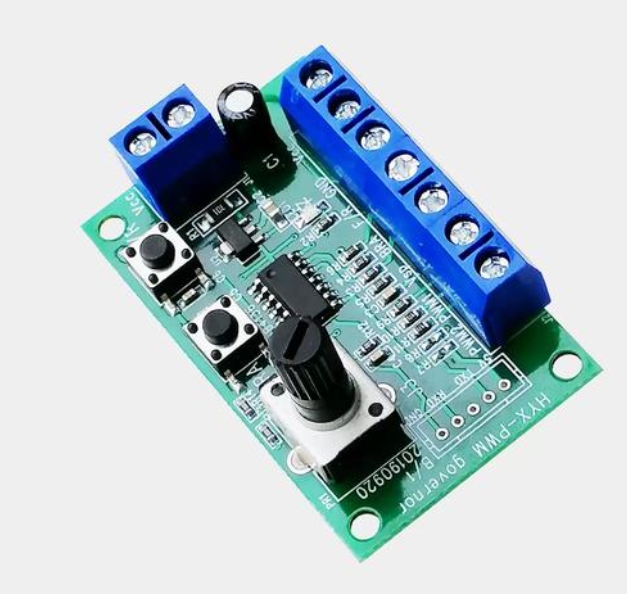
- Motor Control: This is a vast field encompassing BLDC motor controllers for industrial fans and pumps, stepper motor drivers for precise CNC machines and 3D printers, and servo controllers for robotic arms.
- Process Monitoring & Data Acquisition: MCUs are used in programmable logic controllers (PLCs), sensor nodes measuring pressure, flow, or temperature in factory lines, and data loggers collecting information for predictive maintenance.
- Human-Machine Interfaces (HMIs): From simple button panels and alphanumeric displays on industrial equipment to more complex touchscreen panels for machine configuration.
- Power Management Systems: Examples include solar charge controllers maximizing photovoltaic efficiency, battery management systems (BMS) for industrial battery packs, and smart grid monitoring devices.
In industrial settings, design emphasis shifts dramatically towards robustness, precision, and communication. Implementing reliable RS-485 or CAN bus networks for machine-to-machine communication, writing firmware that guarantees deterministic timing for control loops, and designing circuits with protection against voltage spikes and EMI are paramount. The examples here often involve complex analog-to-digital conversion for sensor inputs and sophisticated PWM generation for actuator control.
Part 3: Automotive, Medical, and Emerging Frontiers
This section explores high-stakes and cutting-edge applications where MCU performance and safety are non-negotiable.
- Automotive Electronics: Beyond engine control units (ECUs), MCUs are ubiquitous in anti-lock braking systems (ABS), tire pressure monitoring systems (TPMS), infotainment systems, advanced driver-assistance systems (ADAS) like parking sensors, and LED lighting control.
- Medical Devices: Portable glucose monitors, digital thermometers, infusion pumps with precise flow control, portable ECG monitors, and basic patient bedside monitors all utilize MCUs. Designs here must adhere to strict safety and accuracy standards.
- Internet of Things (IoT): This is a massive growth area. Examples range from environmental sensors (air quality, weather stations) that transmit data via LoRaWAN or NB-IoT to asset tracking tags, smart agriculture sensors for soil moisture, and connected streetlights.
- Robotics & Drones: From simple line-following educational robots to complex robotic kits with multiple servos and sensors. Flight controller boards for drones are essentially high-performance MCU-based systems handling stabilization, radio communication, and telemetry.
These fields demand a focus on security (especially for IoT), functional safety (automotive/medical), and pushing the limits of processing efficiency. Using MCUs with hardware encryption accelerators for secure IoT communication or selecting units certified for automotive temperature ranges are examples of specialized design considerations. The “200 examples” in this category highlight the trend towards smarter, connected, and autonomous systems.
Conclusion
The journey through 200 examples of MCU application design reveals a clear narrative: the microcontroller is not just a component but an enabler of modern technological civilization. Its adaptability—from running on a tiny coin cell in a sensor node to managing critical functions in a vehicle—is its greatest strength. Successful design hinges on selecting the right MCU architecture (8-bit vs. 32-bit), peripherals, and development tools for the task at hand. Furthermore,mastery of firmware development, power management techniques,and system integration is what transforms a theoretical example into a functional reality. As we look forward,the role of MCUs will only expand with advancements in AI at the edge,tinier form factors,and even lower power consumption.For innovators seeking to navigate this complex component landscape,a resource like ICGOODFIND provides a valuable bridge between conceptual design and practical implementation by simplifying the search for optimal hardware solutions.The universe of MCU applications is boundless,and this collection is merely a starting point for your next groundbreaking design.