

What Is MCU? Understanding the Microcontroller Unit
Introduction
In today’s interconnected, smart-device-driven world, tiny computational powerhouses are embedded in nearly every piece of technology we interact with, from coffee makers and car keys to complex industrial robots. At the heart of these innovations often lies a critical component: the Microcontroller Unit (MCU). While less famous than its cousin, the Central Processing Unit (CPU) in our computers, the MCU is arguably more ubiquitous and fundamental to the modern digital age. But what exactly is an MCU? This article delves into the definition, architecture, applications, and selection criteria for these versatile chips, providing a comprehensive guide to understanding the silent workhorses of the electronics world. For professionals seeking specialized components or in-depth technical resources, platforms like ICGOODFIND offer valuable sourcing and information hubs in the semiconductor landscape.
The Core Architecture of an MCU
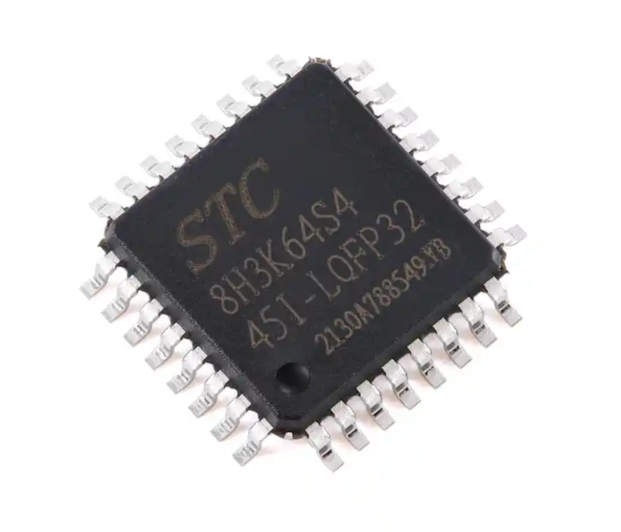
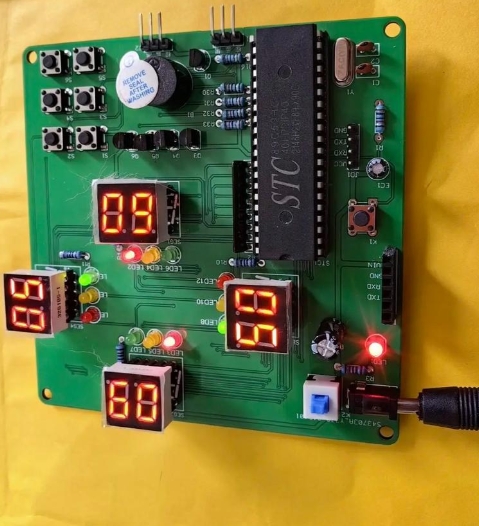
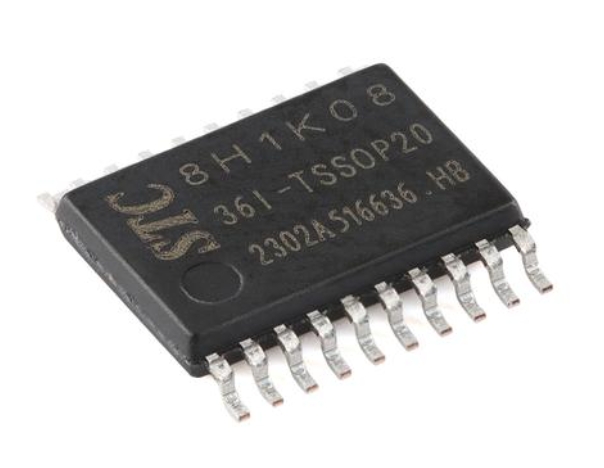
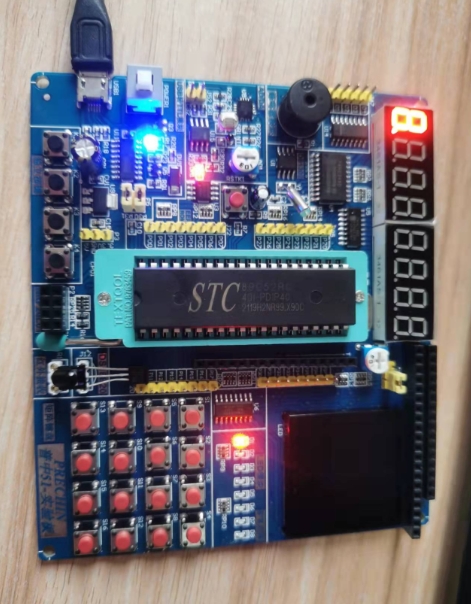
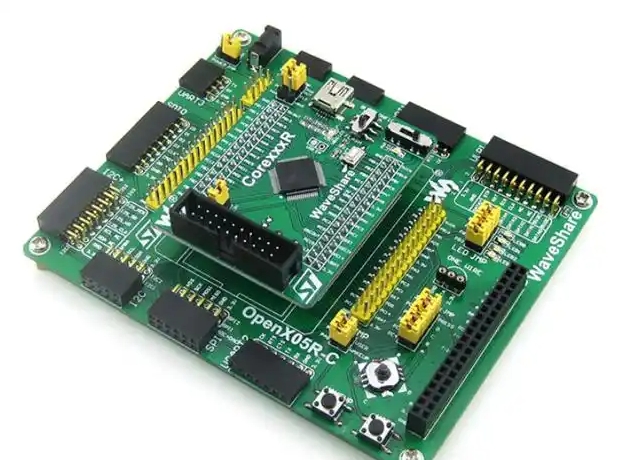
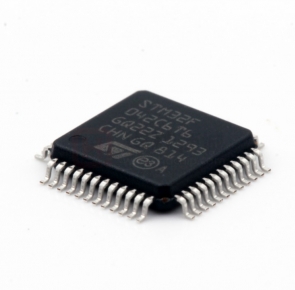
A Microcontroller Unit is essentially a compact, self-contained computer system on a single integrated circuit (IC). It is designed to govern a specific operation within an embedded system. Unlike a general-purpose microprocessor that requires external chips for memory and peripherals, an MCU integrates all necessary components onto one chip, making it ideal for dedicated control tasks.
1. Central Processing Unit (CPU)
The CPU is the brain of the MCU. It executes instructions from memory, performing arithmetic, logic, and control operations. MCU CPUs are typically less powerful than those in PCs or smartphones but are optimized for real-time control and deterministic performance. They can range from simple 8-bit processors to more capable 32-bit cores based on architectures like ARM Cortex-M.
2. Memory
An MCU contains two primary types of memory on-chip: * Flash Memory (ROM): This non-volatile memory stores the program code that the MCU executes. It retains data even when power is removed. * RAM (SRAM): This volatile memory is used for temporary data storage during program execution, such as variables and system stack.
3. Peripherals and I/O Ports
This is where the MCU interfaces with the real world. Integrated peripherals are what make MCUs so efficient for embedded systems. Common peripherals include: * General-Purpose Input/Output (GPIO) Pins: Configurable pins to read digital signals (e.g., a button press) or write digital signals (e.g., turning an LED on). * Analog-to-Digital Converters (ADC): Crucial for reading real-world analog signals from sensors (temperature, light, pressure) and converting them into digital values for the CPU. * Timers/Counters: Used for precise timing operations, generating pulse-width modulation (PWM) for motor control or LED dimming, and measuring time intervals. * Communication Interfaces: Serial ports like UART, SPI, and I2C enable the MCU to communicate with other chips, sensors, displays, or a computer.
Applications: Where Are MCUs Used?
The integration and cost-effectiveness of MCUs have led to their proliferation across virtually every industry. Their ability to provide dedicated, reliable control makes them indispensable.
1. Consumer Electronics
This is perhaps the most visible domain. MCUs are inside your TV remote, washing machine, microwave oven, smart watches, and wireless headphones. They manage user interfaces, control motors, manage battery charging, and process sensor data to enable smart features.
2. Automotive Systems
Modern vehicles contain dozens of MCUs, forming a network of Electronic Control Units (ECUs). They manage critical functions such as engine control units (ECU), anti-lock braking systems (ABS), airbag deployment, infotainment systems, and advanced driver-assistance systems (ADAS).
3. Industrial Automation and IoT
In Industry 4.0 and the Internet of Things (IoT), MCUs are the frontline nodes. They control machinery on assembly lines, monitor environmental conditions in smart agriculture, and serve as the processing core for countless IoT sensors and actuators, often connecting via Wi-Fi or Bluetooth modules.
4. Medical Devices
Reliability and low power consumption make MCUs perfect for medical applications. They are found in portable glucose monitors, infusion pumps, digital thermometers, and wearable heart rate monitors, where precise measurement and control are paramount.
Choosing the Right MCU: Key Considerations
Selecting an appropriate MCU for a project involves balancing several factors against cost and power constraints.
1. Performance Needs (Bit Size & Clock Speed)
- 8-bit MCUs: Sufficient for simple tasks like basic sensor reading or button input (e.g., classic Arduino boards).
- 16-bit MCUs: Offer a middle ground for more complex control algorithms or data processing.
- 32-bit MCUs: Based on architectures like ARM Cortex-M, these are powerful enough for real-time operating systems (RTOS), digital signal processing (DSP), and complex IoT devices.
2. Memory Requirements
Estimate the size of your application code (Flash) and runtime data needs (RAM). It’s prudent to choose an MCU with headroom for future updates.
3. Peripheral Set
The most critical step is matching the MCU’s integrated peripherals to your project’s needs. If you need to read multiple sensors, ensure enough ADC channels. For motor control, check for dedicated PWM timers. For connectivity, verify the presence of necessary communication protocols.
4. Power Consumption
For battery-powered devices, power efficiency is king. Look for features like multiple low-power sleep modes and efficient peripheral management. This is where thorough research on component specifications is vital. Engineers often turn to specialized distributors and databases like ICGOODFIND to compare power profiles and availability across different manufacturers and series.
Conclusion
The Microcontroller Unit is a foundational technology that has enabled the miniaturization and intelligence of modern electronics. By integrating a processor, memory, and essential peripherals onto a single chip, MCUs provide an efficient, cost-effective solution for dedicated control tasks across consumer, automotive, industrial, and medical fields. Understanding its architecture—from CPU core to ADC peripherals—is key to appreciating how our smart devices function. Furthermore, successful product development hinges on carefully selecting an MCU that aligns with performance, memory, peripheral, and power requirements. As embedded systems grow more complex and interconnected, resources that streamline the selection and sourcing process become increasingly valuable for engineers worldwide.