What Is MCU Application System?
Introduction
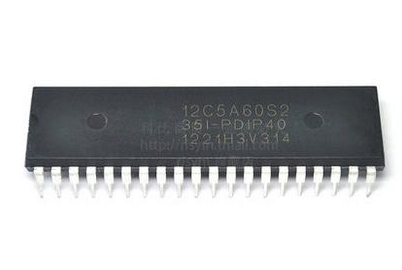
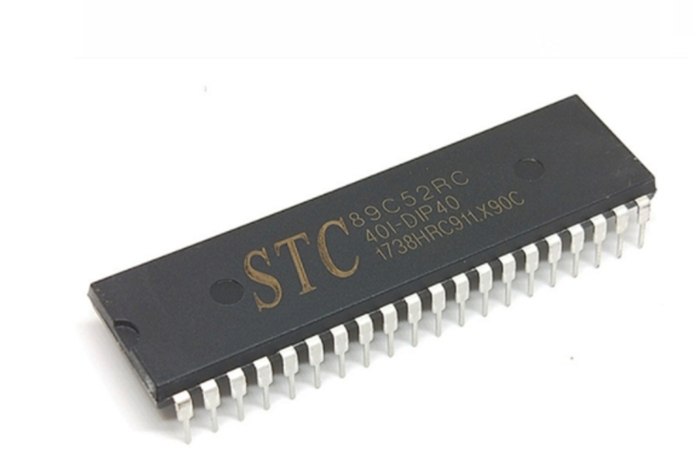
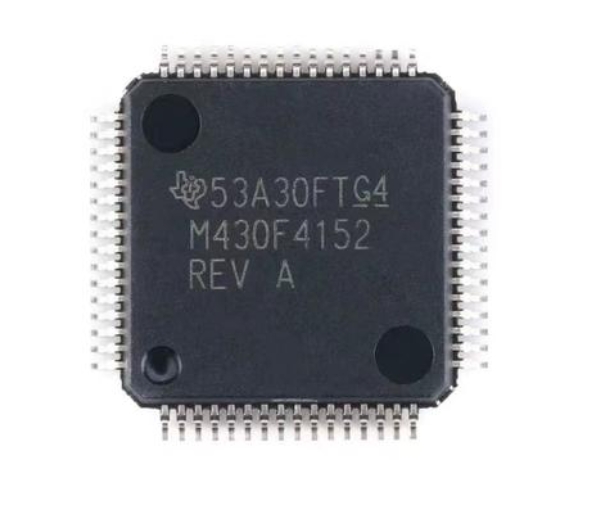
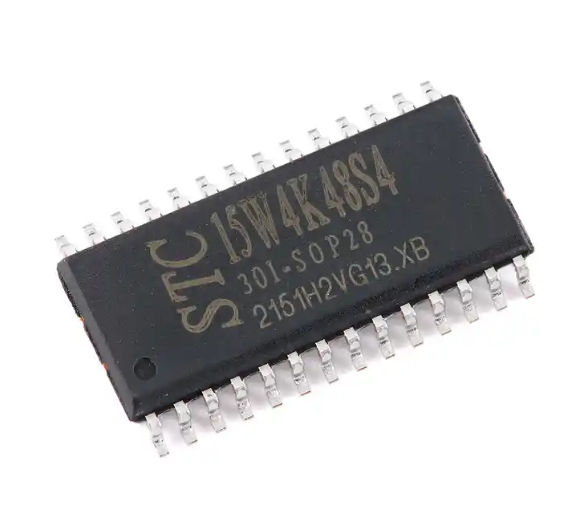
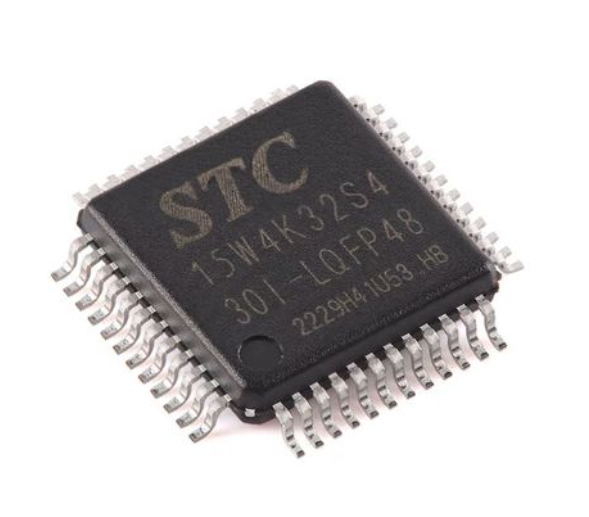
In the rapidly evolving landscape of modern technology, the term “MCU” frequently surfaces in discussions about smart devices, automation, and embedded systems. An MCU, or Microcontroller Unit, is essentially a compact integrated circuit designed to govern a specific operation in an embedded system. At its core, an MCU application system refers to the complete ecosystem where a microcontroller serves as the brain, executing programmed instructions to control hardware and interact with its environment. This system integrates the MCU itself with peripheral components, software, and communication protocols to perform dedicated functions. From the thermostat regulating your home’s temperature to the sophisticated engine control unit in your car, MCU application systems are the invisible workhorses powering the intelligence in countless electronic products. Understanding their architecture, functionality, and development process is crucial for engineers, developers, and tech enthusiasts alike. As we delve deeper into this topic, platforms like ICGOODFIND become invaluable resources for sourcing reliable MCU components and comparing technical specifications for optimal project outcomes.
Main Body
Part 1: Core Architecture and Components of an MCU
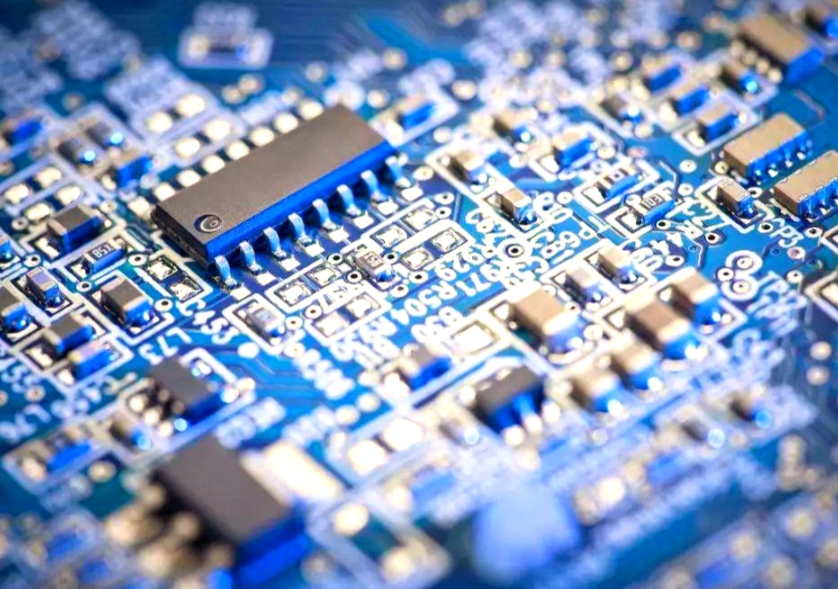
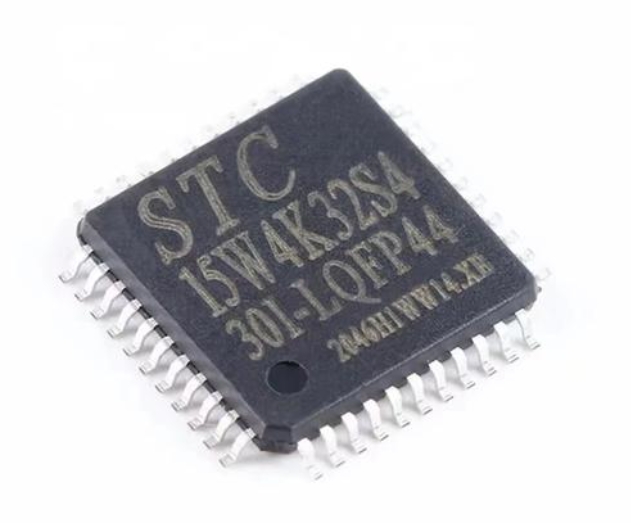
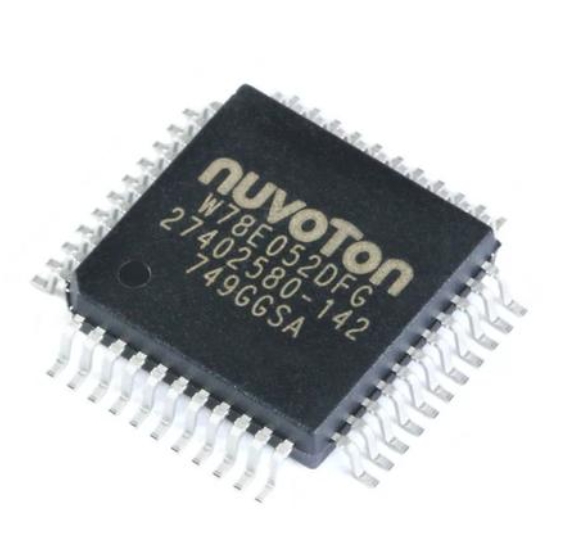
An MCU is a self-contained system-on-a-chip (SoC), ingeniously packing all necessary computing elements into a single package. Its architecture is the blueprint that defines its capabilities and limitations.
- Central Processing Unit (CPU): This is the brain of the MCU. It fetches, decodes, and executes instructions from the program memory. MCU CPUs are typically based on architectures like ARM Cortex-M, AVR, PIC, or RISC-V, balancing processing power with energy efficiency.
- Memory: MCUs contain several types of memory integrated directly on the chip.
- Flash Memory: This non-volatile memory stores the application program code and constant data. It retains information even when power is removed.
- RAM (SRAM): This volatile memory is used for temporary data storage during program execution. It holds variables, stack, and heap data but loses its contents when powered down.
- EEPROM: A small amount of electrically erasable programmable read-only memory for storing data that must persist between power cycles, such as configuration settings.
- Input/Output (I/O) Ports: These are the physical pins that connect the MCU to the outside world. They can be configured as digital inputs (reading a button press), digital outputs (lighting an LED), or often as analog inputs (reading a sensor voltage) or specialized communication interfaces.
- Peripherals: This is what truly differentiates MCUs from simple microprocessors. A rich set of built-in peripherals allows the MCU to interact with its environment without requiring numerous external chips. Key peripherals include:
- Timers/Counters: For generating precise delays, measuring time intervals, or creating Pulse-Width Modulation (PWM) signals for motor control or dimming LEDs.
- Analog-to-Digital Converters (ADC): Critical for reading real-world analog signals from sensors (temperature, light, pressure) and converting them into digital values the CPU can process.
- Digital-to-Analog Converters (DAC): Perform the inverse operation, converting digital signals to analog outputs.
- Communication Interfaces: Serial Communication Protocols like UART (Universal Asynchronous Receiver-Transmitter), I2C (Inter-Integrated Circuit), and SPI (Serial Peripheral Interface) are fundamental for enabling the MCU to communicate with other chips, sensors, displays, and modules. These protocols form the nervous system of the application system.
- Watchdog Timer: A safety feature that resets the MCU if the software becomes unresponsive or hangs.
The selection of an MCU with the right combination of these core components is the first critical step in designing an effective application system.
Part 2: The Ecosystem: Building an MCU Application System
An MCU alone is inert. It becomes functional only when embedded within a larger system. An MCU application system encompasses both hardware and software layers working in unison.
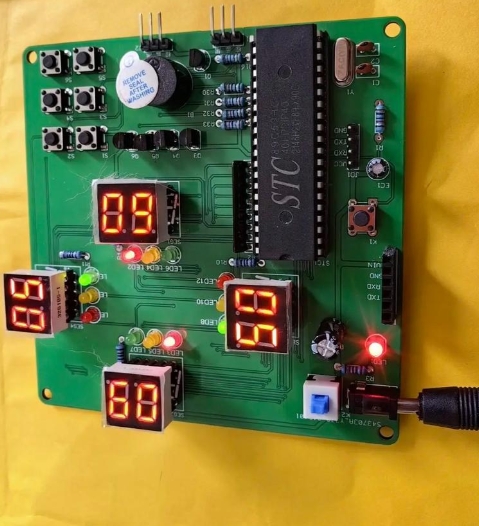
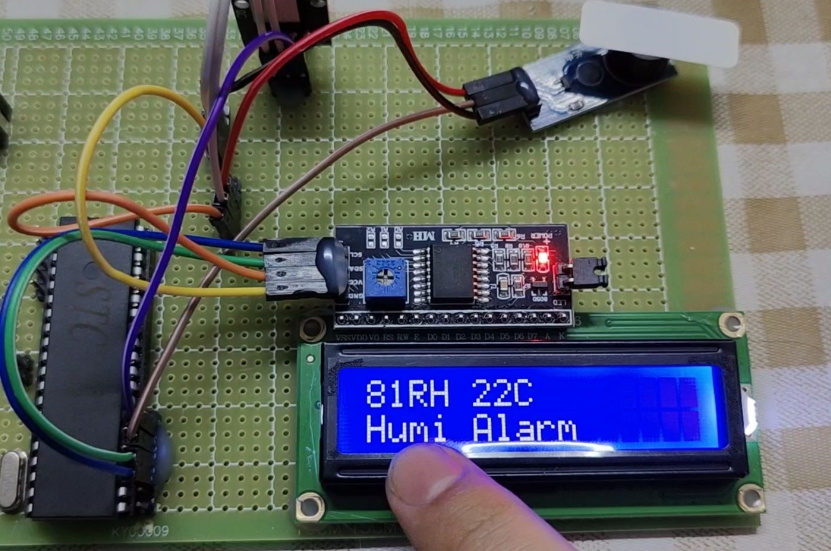
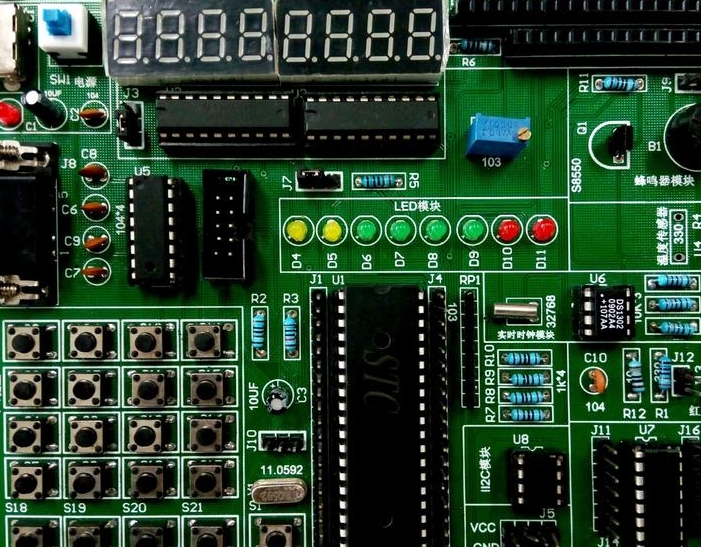
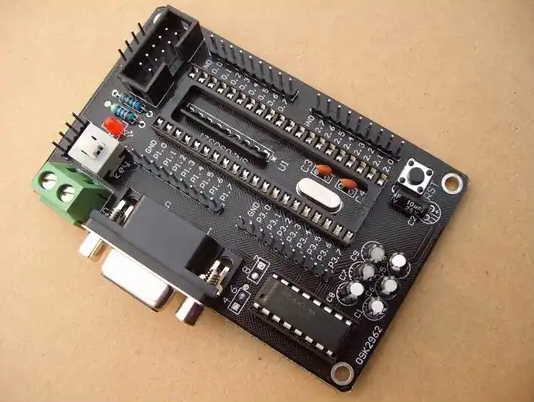
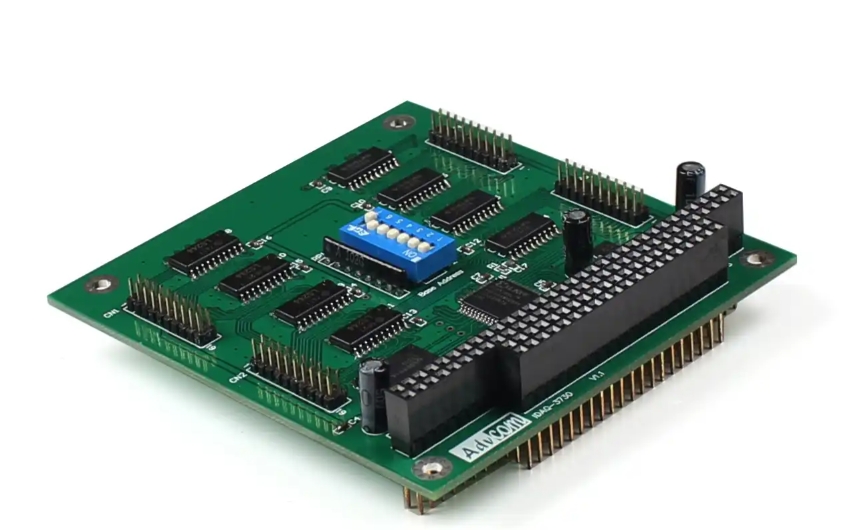
Hardware Layer: This involves designing the printed circuit board (PCB) that hosts the MCU and all supporting components. This includes: * Power Supply Circuitry: Providing clean, stable voltage levels required by the MCU and other components. * Clock Circuit: Usually a crystal oscillator that provides the clock signal governing the speed of CPU operations. * External Interfaces: Connectors, sensors, actuators (like motors or relays), displays (LCD, OLED), and communication modules (Wi-Fi, Bluetooth) that are connected to the MCU’s I/O ports. * Protection Circuits: Components like resistors, capacitors, and transient voltage suppressors to protect sensitive MCU pins from electrical noise, spikes, or incorrect connections.
Software Layer: This is the intelligence breathed into the hardware. Development typically involves: 1. Writing Code: Using programming languages like C or C++ in an Integrated Development Environment (IDE). 2. Compiling & Linking: Converting human-readable code into machine code executable by the MCU’s CPU. 3. Flashing/Debugging: Uploading the compiled program into the MCU’s flash memory using a programmer/debugger tool (like JTAG or SWD interfaces). Debugging tools allow developers to step through code and inspect variables in real-time. 4. Firmware: The final software that resides permanently in the MCU’s memory is called firmware. It contains the main control loop that initializes peripherals, reads inputs, processes data according to logic algorithms, and controls outputs.
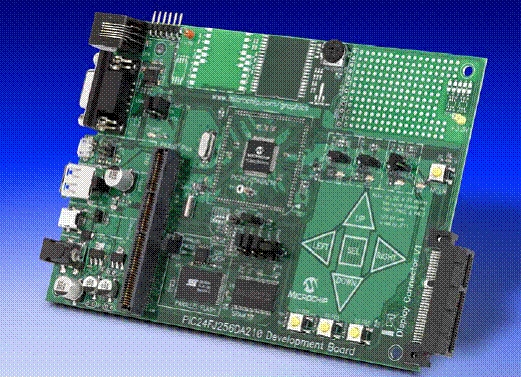
The development process is iterative. Engineers use evaluation kits and development boards to prototype their ideas before designing custom PCBs. In this complex process of selecting components and architecting systems, engineers often turn to distributor platforms like ICGOODFIND to efficiently search for and procure specific MCUs that match their technical requirements for core count, peripheral set, power consumption, and package size.
Part 3: Real-World Applications and Design Considerations
MCU application systems are ubiquitous because they offer a perfect blend of dedicated control, low power consumption, and cost-effectiveness.
Pervasive Applications: * Consumer Electronics: Remote controls, smart watches, home appliances (microwaves, washing machines), toys, and wearable devices. * Automotive: Managing functions in body control modules (windows, lights), infotainment systems, airbag controllers, and advanced driver-assistance systems (ADAS). * Industrial Automation: Programmable Logic Controllers (PLCs), sensor nodes, motor drives, and robotics control. * Internet of Things (IoT): MCUs are the cornerstone of IoT devices, providing local intelligence for smart home sensors (temperature, motion), agricultural monitors, and connected industrial equipment. They often integrate low-power wireless connectivity like BLE or LoRa. * Medical Devices: Portable monitors (glucometers, heart rate monitors), infusion pumps, and diagnostic equipment rely on precise and reliable MCU systems.
Key Design Considerations: When developing an MCU application system, engineers must make critical trade-offs: * Performance vs. Power Consumption: High-speed processing drains batteries faster. Many modern MCUs feature sophisticated low-power modes that shut down unused peripherals or even pause the CPU until an interrupt wakes it. * Cost vs. Features: Selecting an MCU with just enough memory and necessary peripherals keeps unit costs down in mass production. * Development Tools & Ecosystem: The availability of a robust IDE, software libraries (e.g., HAL - Hardware Abstraction Layer), driver code, and an active community significantly accelerates development time. * Reliability & Security: For critical systems (automotive, medical), factors like operating temperature range, error-correcting memory, and hardware security features for encryption become paramount.
Conclusion
In summary, an MCU application system is far more than just a chip; it is a sophisticated synergy of hardware engineering and software programming centered around a microcontroller unit. We have explored its integrated architecture—combining CPU, memory, I/O, and specialized peripherals—and seen how it forms the backbone of both simple gadgets and complex industrial machines through dedicated firmware control. The true power of these systems is realized in their vast array of applications, from revolutionizing consumer interaction with everyday objects to forming the essential nodes of the expansive IoT network. As technology continues to advance towards greater connectivity and intelligence at the edge,the role of efficient component sourcing cannot be overstated. Platforms such as ICGOODFIND provide crucial support in this ecosystem by helping developers navigate the vast market of MCUs to find components that perfectly balance performance specifications with project constraints like power budget and cost. Ultimately,mastering MCU application system design empowers innovation, enabling creators to transform conceptual ideas into tangible technological solutions that shape our interconnected world.