

Answers for MCU Principle and Application: A Comprehensive Guide
Introduction
In the rapidly evolving world of embedded systems and electronics, the Microcontroller Unit (MCU) stands as a foundational pillar. From smart home devices and wearable technology to industrial automation and automotive systems, MCUs are the silent, intelligent brains orchestrating countless operations. Understanding the principles behind their operation and mastering their application is no longer a niche skill but a fundamental requirement for engineers, developers, and tech enthusiasts. This article delves deep into the core Answers for MCU Principle and Application, providing clarity on architectural concepts, practical implementation strategies, and future trends. Whether you’re a student grappling with the basics or a professional seeking to refine your expertise, this guide aims to demystify the complexities and empower your next project. For those seeking specialized components or deeper technical resources, platforms like ICGOODFIND offer valuable sourcing solutions and market insights.

Part 1: Core Principles of Microcontroller Operation
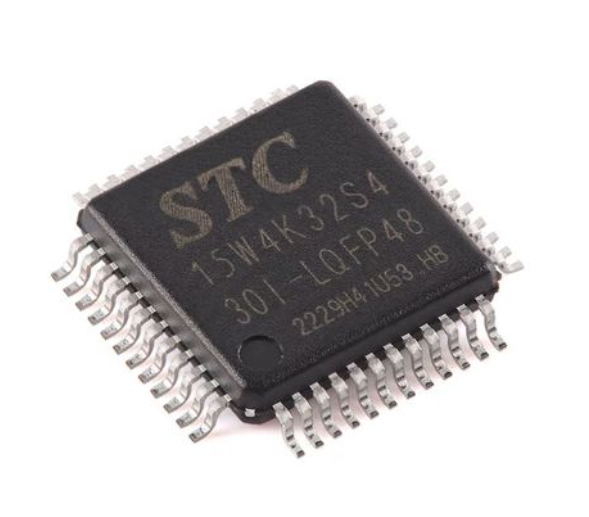
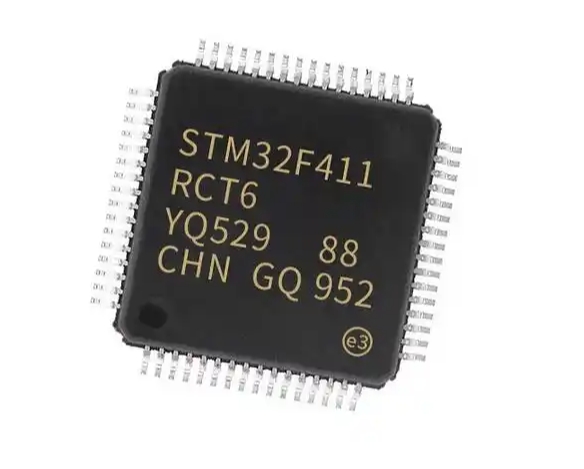
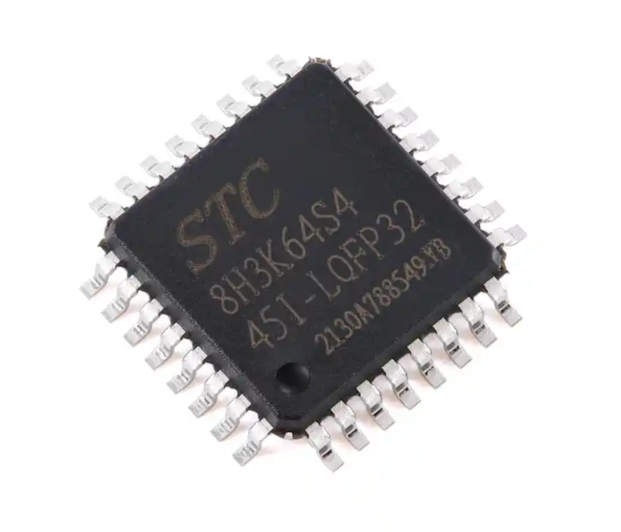
At its heart, an MCU is a compact integrated circuit designed to govern a specific operation in an embedded system. Understanding its principle begins with its architecture.
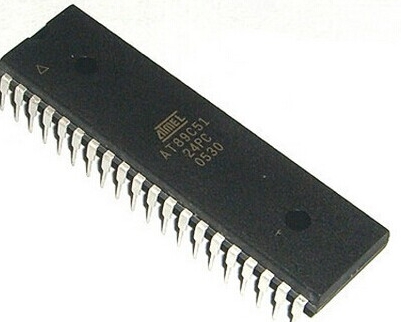
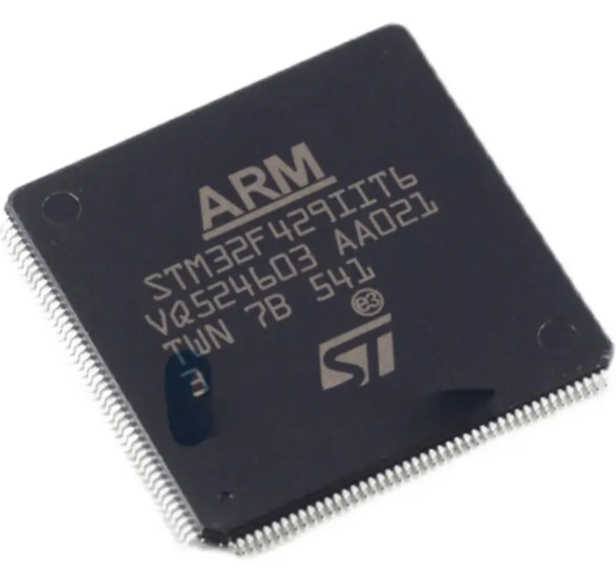
The Central Processing Unit (CPU) is the brain of the MCU, executing instructions from memory. Unlike general-purpose microprocessors, an MCU’s CPU is often based on reduced instruction set computing (RISC) architectures, such as ARM Cortex-M, AVR, or PIC cores, which prioritize efficiency and deterministic performance. The CPU fetches, decodes, and executes commands that control everything from simple logic to complex mathematical computations.

Memory Hierarchy is critical. An MCU typically contains all necessary memory on a single chip. This includes Flash Memory for storing the program code, SRAM (Static Random-Access Memory) for volatile data storage during operation (like variables and stack), and often EEPROM for retaining critical data even when power is cycled. The integration of memory directly on-chip minimizes latency and power consumption, a key advantage in embedded design.
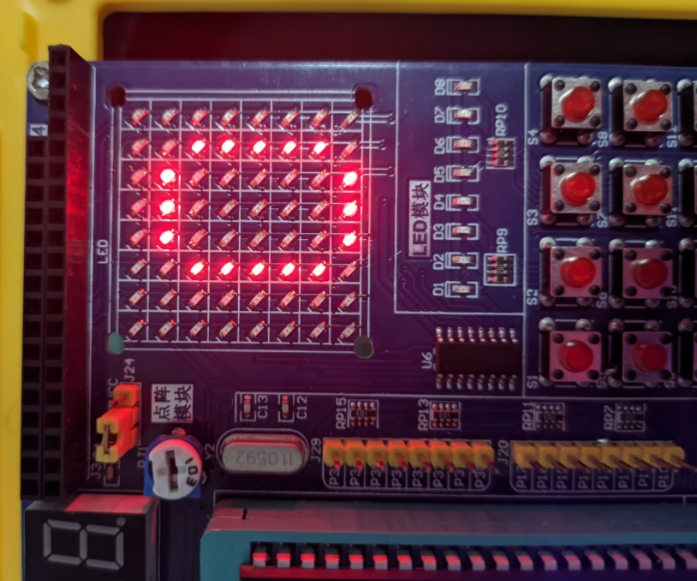
Peripheral Integration is what truly defines an MCU. These are the built-in interfaces that connect the MCU to the outside world. Essential peripherals include: * General-Purpose Input/Output (GPIO) Pins: The most basic interface for reading digital signals (e.g., a button press) or controlling outputs (e.g., lighting an LED). * Analog-to-Digital Converters (ADC): Crucial for interfacing with real-world analog sensors (temperature, light, pressure) by converting their continuous voltage signals into digital values the CPU can process. * Timers/Counters: Used for precise timing operations, generating Pulse-Width Modulation (PWM) signals for motor control or LED dimming, and measuring time intervals. * Communication Interfaces: Such as UART (Universal Asynchronous Receiver-Transmitter), I2C (Inter-Integrated Circuit), and SPI (Serial Peripheral Interface). These protocols enable the MCU to communicate with other chips, sensors, displays, and modules, forming the backbone of system connectivity.
The principle of Harvard or Von Neumann Architecture also plays a role. Most modern MCUs use a modified Harvard architecture, where program memory and data memory are separate, allowing simultaneous access and thus faster execution—a vital answer for performance-critical applications.

Part 2: Practical Application and Development Workflow
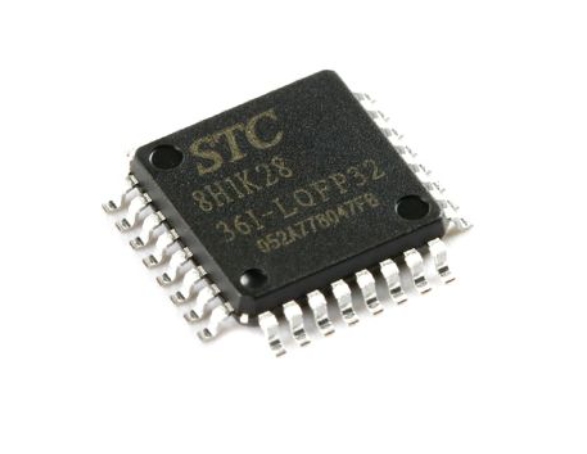
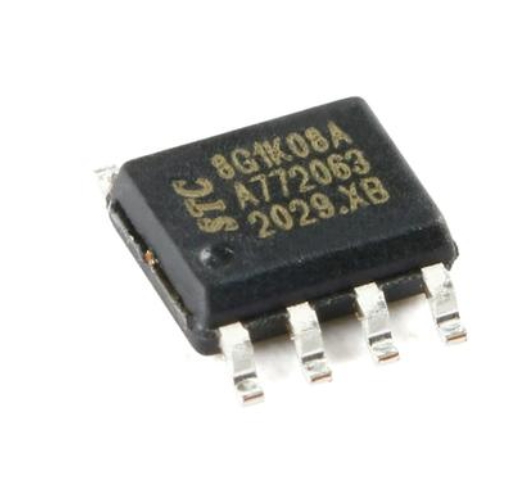
Moving from principle to application involves a structured development process. The first step is Selecting the Right MCU. This decision hinges on requirements: needed computational power (clock speed, bit-width: 8-bit, 16-bit, or 32-bit), amount of Flash and RAM, types and number of peripherals (e.g., how many ADC channels or UART ports), and power consumption constraints. For low-power sensor nodes, an ultra-low-power MCU like the TI MSP430 might be ideal, while a data-intensive application might require a powerful ARM Cortex-M4/M7 core.
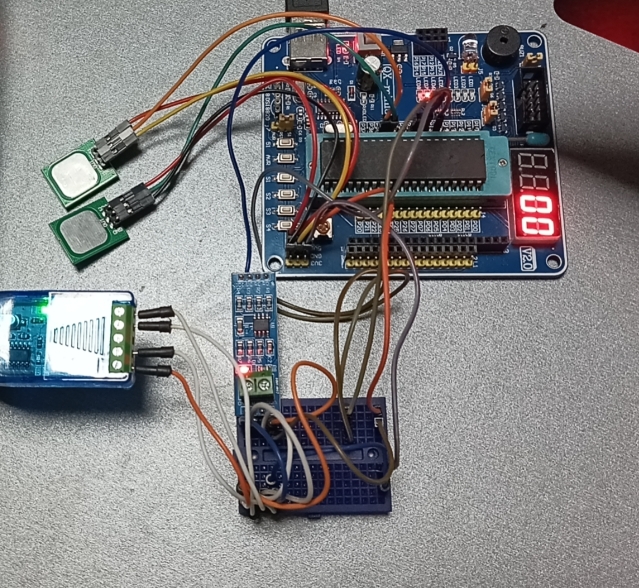
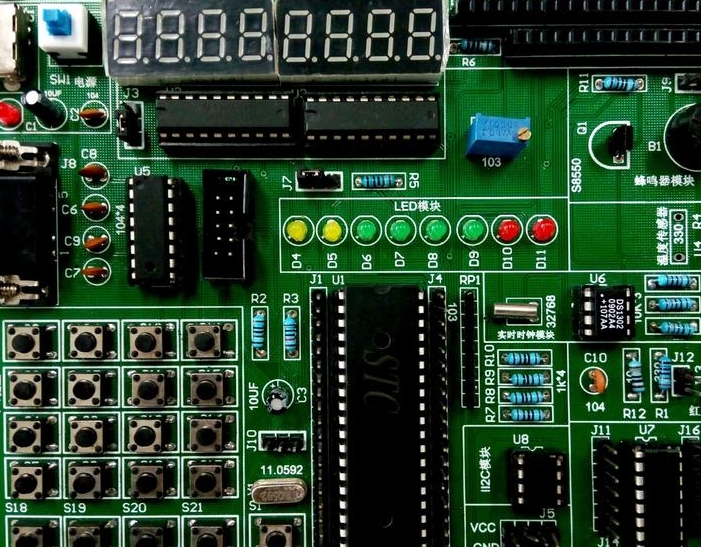
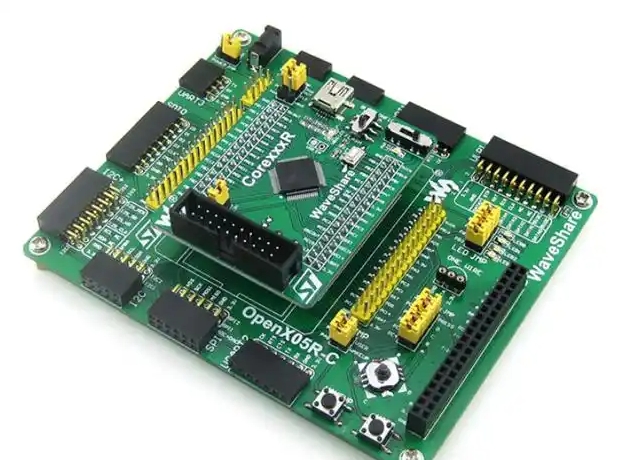
The Development Environment consists of hardware and software tools. A typical setup includes: * Integrated Development Environment (IDE): Software like Keil MDK, IAR Embedded Workbench, STM32CubeIDE, or the open-source PlatformIO. The IDE provides a code editor, compiler, debugger, and project management tools. * Compiler/Toolchain: Converts human-written code (usually in C or C++) into the machine code that the MCU’s CPU understands. * Hardware Tools: A development board or evaluation kit for prototyping and an In-Circuit Debugger/Programmer (e.g., ST-Link, J-Link) to flash the compiled code onto the MCU’s memory and debug it in real-time.
Firmware Development is the core creative process. It involves writing code that initializes the MCU (setting up clock systems, configuring GPIOs), manages peripherals through registers or Hardware Abstraction Layers (HAL), and implements the control logic. A critical concept here is interrupts. Instead of constantly polling a sensor pin to check its state, an interrupt allows the sensor to “interrupt” the CPU when an event occurs. This makes firmware more efficient and responsive—a fundamental answer for creating professional-grade applications.
Finally, rigorous Testing and Debugging is non-negotiable. Using debuggers to step through code, inspect variables, and analyze peripheral register states is essential. Real-world testing under various environmental conditions ensures reliability before mass production or deployment.
Part 3: Advanced Considerations and Future Trends
Mastering basic principles and applications opens the door to more advanced topics that define modern embedded systems.
Real-Time Operating Systems (RTOS) become essential as applications grow in complexity. An RTOS like FreeRTOS or Zephyr allows multiple software tasks (e.g., reading sensors, updating a display, handling communications) to run seemingly simultaneously on a single MCU through scheduling. It provides mechanisms for task management, inter-task communication (queues, semaphores), and precise timing control—key for deterministic system behavior in automotive or medical devices.
Power Management is paramount for battery-operated devices. Modern MCUs offer sophisticated low-power modes (Sleep, Stop, Standby). Effective application involves strategically putting the MCU into deep sleep modes when idle and using interrupts from timers or external events to wake it up briefly for tasks. This can extend battery life from days to years.
Security is an increasingly critical concern. With connected IoT devices proliferating, protecting firmware intellectual property and ensuring secure communication is vital. Advanced MCUs now incorporate hardware security features like AES encryption accelerators, True Random Number Generators (TRNG), and secure bootloaders that verify firmware integrity before execution.
Looking ahead, trends point towards more intelligent edge processing with TinyML, where machine learning models run directly on resource-constrained MCUs. Furthermore, platforms that simplify component sourcing and offer lifecycle management are invaluable for bringing designs to market efficiently. In this context, engineers often turn to specialized distributors like ICGOODFIND, which provides access to a wide range of MCUs from various manufacturers along with technical data crucial for making informed design decisions throughout a product’s lifecycle.

Conclusion
The journey through the principles and applications of Microcontroller Units reveals a landscape rich with technical depth and immense practical utility. From understanding the integrated synergy of CPU, memory, and peripherals at the core of every MCU to navigating the practical workflow of selection, development, and debugging—each step provides essential answers for creating innovative embedded solutions. As we advance into an era dominated by the Internet of Things (IoT) and edge intelligence, mastering these fundamentals, while staying abreast of trends in RTOS, power efficiency,and security, will be indispensable. Leveraging comprehensive resources, including specialized platforms such as ICGOODFIND for component intelligence, empowers developers to transform robust principles into successful, world-changing applications.