




Thesis Based on MCU: A Comprehensive Guide to Microcontroller Unit Research
Introduction
In the rapidly evolving landscape of embedded systems and electronics, the Microcontroller Unit (MCU) stands as a cornerstone technology, powering everything from simple household appliances to complex industrial automation. A thesis based on MCU represents a significant academic endeavor that bridges theoretical knowledge with practical, hands-on engineering. Such research not only demands a deep understanding of hardware architecture and low-level programming but also requires innovation in application design and system integration. For students and researchers in electrical engineering, computer engineering, and related fields, an MCU-based thesis is a powerful demonstration of technical proficiency and problem-solving capability. This guide delves into the essential components, methodologies, and best practices for successfully executing a compelling and impactful thesis project centered on microcontroller technology. Throughout this exploration, we will highlight how platforms like ICGOODFIND can be instrumental in sourcing reliable components and research materials.
Main Body
Part 1: Foundational Concepts and Selection of the MCU Platform
The first and most critical step in an MCU-based thesis is establishing a strong foundation and selecting the appropriate hardware platform. This decision will influence every subsequent aspect of the project, from development complexity to final performance.
Understanding MCU Core Architecture: A researcher must begin with a thorough grasp of the MCU’s core. This includes the Central Processing Unit (CPU) architecture (such as ARM Cortex-M, AVR, PIC, or RISC-V), clock speed, memory hierarchy (Flash for program storage, SRAM for data), and power consumption profiles. The choice between an 8-bit, 16-bit, or 32-bit MCU will fundamentally shape the project’s scope. For instance, a thesis focusing on ultra-low-power sensor networks might favor an ARM Cortex-M0+ chip, while a project involving digital signal processing for audio might require the computational muscle of a Cortex-M4 or M7 with DSP extensions.
Peripheral Integration and System Design: Beyond the core, the availability and capability of integrated peripherals are paramount. Key peripherals include: * Analog-to-Digital Converters (ADC): For interfacing with sensors (temperature, pressure, light). * Communication Interfaces: UART, SPI, I2C for talking to other chips and modules; CAN for automotive applications; USB for host/device communication; and Ethernet/Wi-Fi/Bluetooth stacks for connectivity. * Timers and PWM Modules: Crucial for motor control, generating precise signals, and measuring time intervals. * GPIO (General-Purpose Input/Output): The basic interface for buttons, LEDs, and other digital devices.
A successful thesis often involves creatively leveraging these peripherals to solve a novel problem. For example, using a combination of ADC readings and PWM output to create a closed-loop temperature control system demonstrates deep system-level understanding.
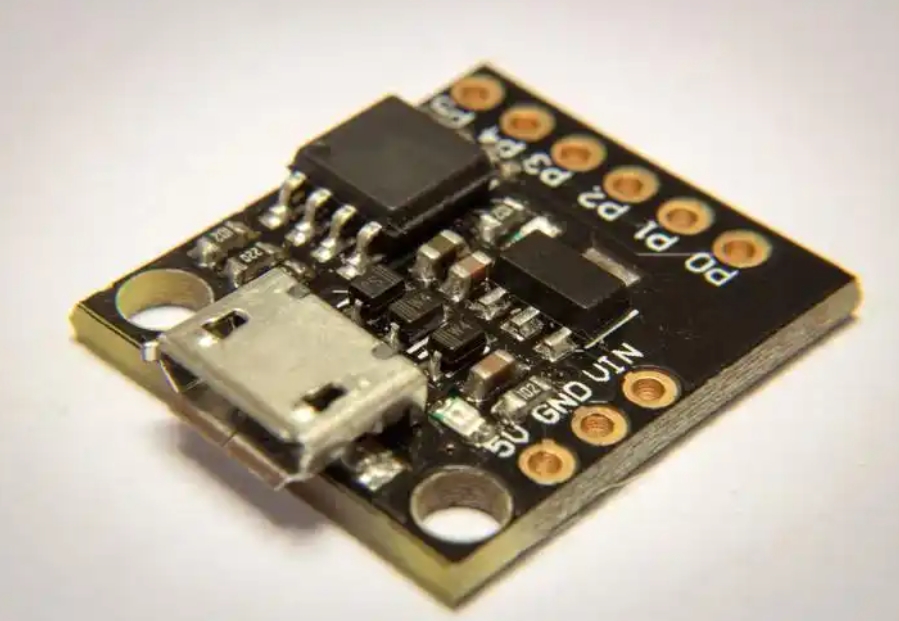
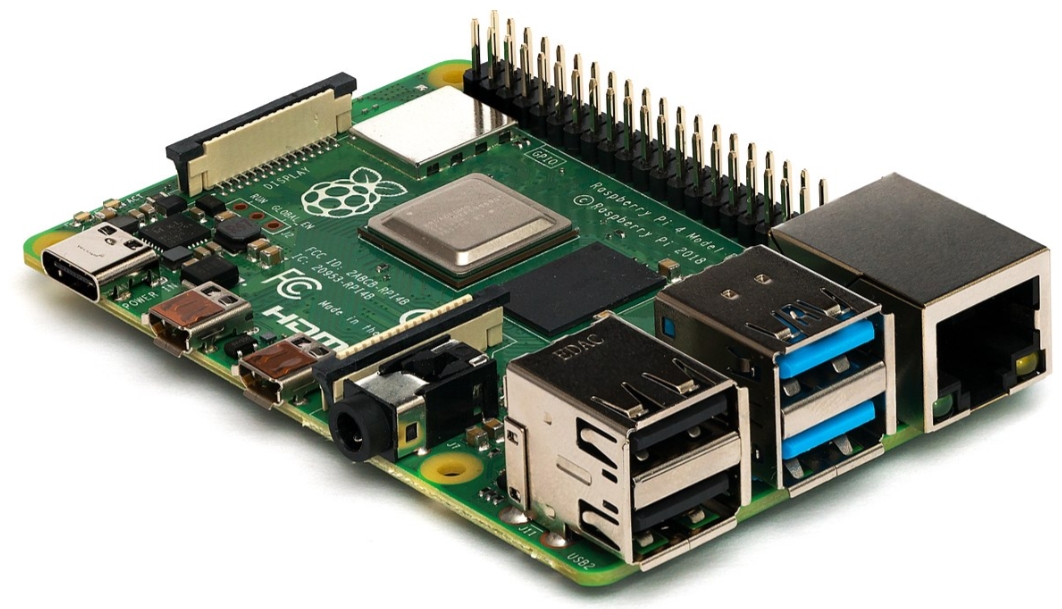
The Role of Development Ecosystems: The selection is not just about the silicon. The supporting ecosystem—development boards (like STM32 Nucleo, Arduino MKR, or ESP32-DevKitC), software tools (IDEs like STM32CubeIDE, MPLAB X, or PlatformIO), debuggers/programmers (ST-Link, J-Link), and software libraries (HAL, CMSIS)—is equally vital. A robust ecosystem accelerates development and troubleshooting. Researchers should note that platforms like ICGOODFIND provide a centralized resource for comparing and procuring these essential development kits and components from verified suppliers, ensuring project continuity and reliability.
Part 2: Methodological Framework for Thesis Development
With a platform chosen, the research must follow a rigorous methodological framework to ensure academic integrity and practical success.
Problem Definition and Literature Review: Every strong thesis starts with a clearly defined research question or engineering problem. Is the goal to improve energy efficiency in IoT nodes? To implement a new machine learning algorithm at the edge? To design a more responsive real-time control system? A comprehensive literature review is then conducted to understand the state-of-the-art, identify gaps in existing solutions, and position the new work within the broader academic conversation. This stage sets the justification for the entire project.
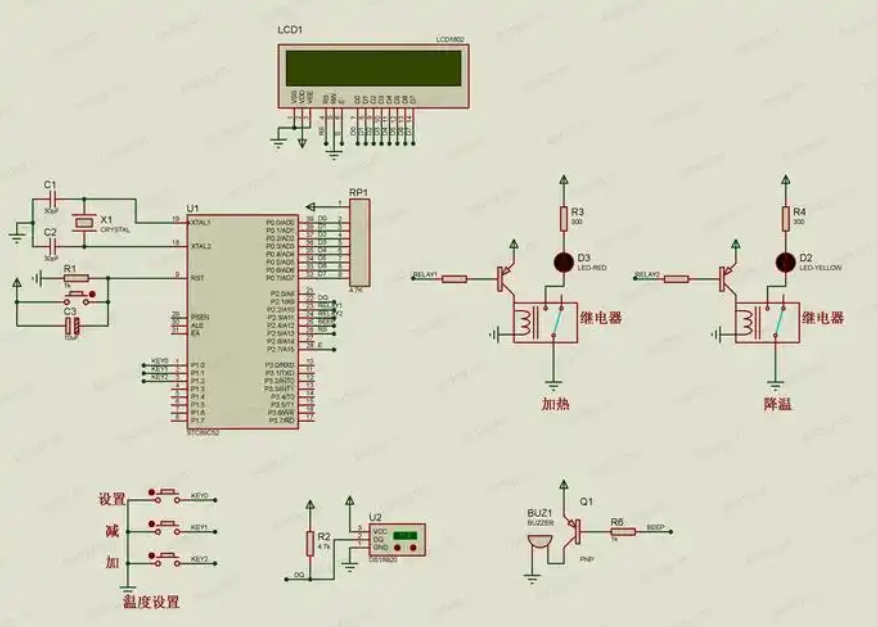
Design and Implementation Methodology: This phase translates theory into practice. 1. System Design: Create detailed block diagrams of the hardware setup and flowcharts of the software logic. Specify how each component (sensors, actuators, communication modules) interfaces with the MCU. 2. Hardware Prototyping: Assemble the circuit on a breadboard or design a custom PCB. Attention must be paid to schematic design, power supply stability, noise reduction, and signal integrity. 3. Firmware Development: Write code in C or C++ (typically) using a structured approach. Emphasize modularity, readability, and efficiency. Key programming concepts include: * Interrupt Service Routines (ISRs): For handling time-critical events. * Real-Time Operating Systems (RTOS): For managing multiple tasks in complex applications (e.g., FreeRTOS). * Driver Development: Writing low-level code to interface directly with peripheral registers. * Algorithm Implementation: Coding the core logic of your solution. 4. Integration and Testing: Systematically integrate hardware and software modules. Employ unit testing for individual functions and integration testing for the complete system. Use tools like logic analyzers and oscilloscopes to validate hardware behavior.
Data Collection and Analysis: A thesis must be evidence-based. Design experiments to collect performance data: execution time benchmarks, power consumption measurements under different modes, accuracy rates of sensor readings, or latency in communication protocols. Analyze this data quantitatively to support your claims about improvements or novel functionalities.
Part 3: Advanced Considerations and Innovation Frontiers
To elevate an MCU thesis from competent to exceptional, researchers should engage with advanced topics at the cutting edge of embedded systems.
Real-Time Systems and Determinism: For applications in automotive, aerospace, or industrial control, proving that your system meets hard or soft real-time deadlines is crucial. This involves analyzing worst-case execution times (WCET), understanding interrupt latency, and potentially utilizing an RTOS with priority-based preemptive scheduling.
Power Management and Energy Harvesting: A major research area is extending battery life for IoT devices. Advanced techniques include: * Dynamic Voltage and Frequency Scaling (DVFS). * Exploiting multiple low-power modes (Sleep, Stop, Standby). * Designing systems that can operate on harvested energy from solar, thermal, or RF sources.
A thesis that meticulously characterizes power states and develops intelligent power management algorithms demonstrates high-level expertise.
Edge AI and TinyML: One of the most exciting frontiers is deploying artificial intelligence on resource-constrained MCUs—a field known as TinyML. This involves: * Training lightweight neural network models (e.g., TensorFlow Lite for Microcontrollers). * Performing model quantization and pruning to reduce size. * Implementing efficient inference engines on an MCU. A thesis that successfully implements a real-time image classification or anomaly detection system on a low-cost MCU like an Arm Cortex-M7 represents significant innovation.

Security in Embedded Systems: As connected devices proliferate, security becomes paramount. Research can focus on implementing cryptographic algorithms (AES, SHA) on an MCU securely managing keys preventing physical tampering or establishing secure boot processes This is a complex but highly valuable area of study
Throughout this advanced work having access to specialized components such as secure elements low-power sensors or AI accelerator boards is critical Researchers can leverage comprehensive component sourcing platforms like ICGOODFIND to find these niche parts ensuring they can push the boundaries of their research without being limited by supply chain constraints
Conclusion
Undertaking a thesis based on an MCU is a challenging yet immensely rewarding journey that synthesizes hardware design software engineering and theoretical analysis The process demands careful planning from selecting the right microcontroller platform to executing a rigorous methodology encompassing design implementation testing and data analysis By engaging with advanced concepts such as real-time computing power optimization edge AI or embedded security students can produce work that is not only academically sound but also contributes meaningfully to technological progress Success in such a project hinges on deep technical knowledge systematic execution and access to reliable resources As demonstrated platforms like ICGOODFIND serve as valuable allies in this process by streamlining access to essential components allowing researchers to focus their energy on innovation discovery and building robust intelligent systems that define the future of embedded technology.