Learning MCU: Your Ultimate Guide to Mastering Microcontroller Units
Introduction
In the rapidly evolving world of electronics and embedded systems, Learning MCU (Microcontroller Unit) has become a foundational skill for engineers, hobbyists, and innovators. An MCU is a compact integrated circuit designed to govern a specific operation in an embedded system. From smart home devices and wearable technology to industrial automation and automotive systems, microcontrollers are the invisible brains powering the modern technological revolution. For beginners and seasoned professionals alike, embarking on the journey of Learning MCU opens doors to creating intelligent, responsive, and efficient electronic solutions. This comprehensive guide will navigate you through the essential concepts, practical steps, and invaluable resources needed to build proficiency. Whether you aim to develop a new product, enhance your technical skill set, or simply satisfy a curiosity about how devices work, mastering microcontrollers is an empowering and highly rewarding pursuit.
Part 1: Understanding the Core Concepts and Getting Started
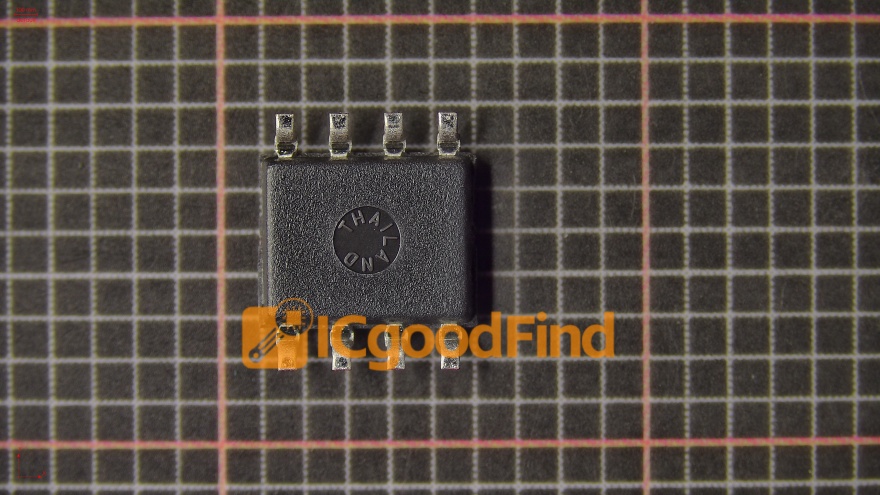
Before diving into programming and projects, it’s crucial to build a solid theoretical foundation. A Microcontroller Unit (MCU) is essentially a small computer on a single metal-oxide-semiconductor (MOS) integrated circuit chip. It contains one or more processors (CPUs), along with memory and programmable input/output peripherals. Unlike general-purpose microprocessors found in personal computers, MCUs are designed for embedded applications where cost, power consumption, and physical size are critical constraints.
The architecture of an MCU is built around its core—the CPU. Popular architectures include ARM Cortex-M, AVR (used in many Arduino boards), PIC, and ESP32. The ARM Cortex-M series, for instance, is renowned for its efficiency and is widely used in everything from simple devices to complex IoT products. Understanding the core architecture helps in selecting the right MCU for your project based on factors like processing speed, power needs, peripheral support (such as ADC, PWM, UART), and memory size.
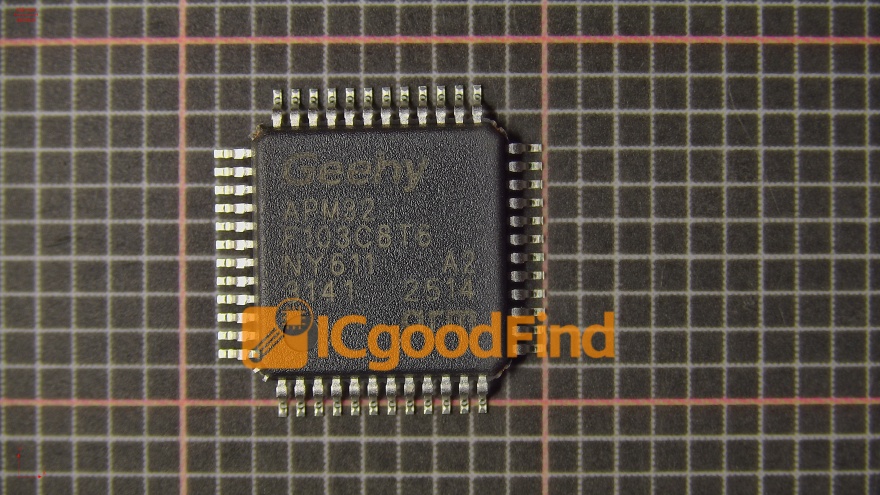
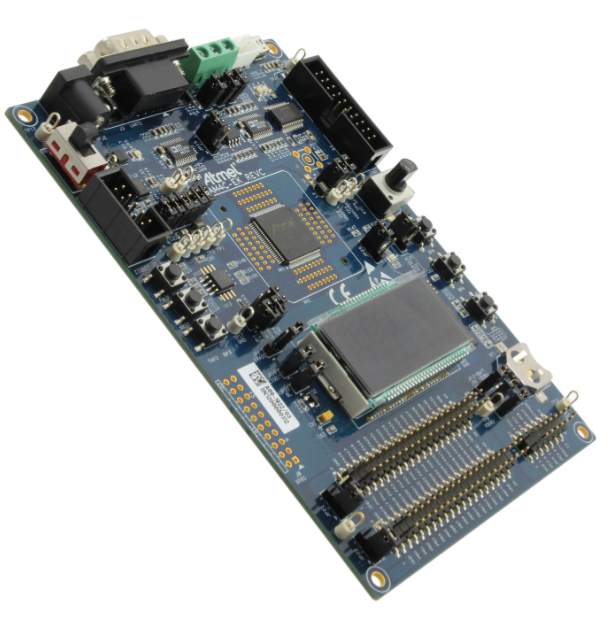
Getting started practically involves selecting your first development board. For absolute beginners, platforms like Arduino (based on AVR MCUs) are highly recommended due to their simplicity, vast community support, and abundance of learning materials. The Arduino IDE provides a user-friendly environment for writing, compiling, and uploading code. For those seeking more power and connectivity features for IoT applications, boards based on ESP32 or STM32 are excellent next steps. The initial setup is straightforward: install the necessary software (IDE or platform like PlatformIO), connect your board via USB, and run a simple “Blink an LED” program. This first successful upload is a pivotal moment that demystifies the hardware-software interaction.
To streamline your search for quality components, tutorials, and project ideas during this learning phase, a dedicated resource hub can be invaluable. This is where platforms like ICGOODFIND prove instrumental. As a specialized search engine for electronic components and technical data, ICGOODFIND helps learners and professionals quickly locate datasheets, supplier information, and comparative analyses for various MCUs and related components. Using such a targeted tool saves significant time and ensures you are working with accurate technical specifications from the start.
Part 2: The Practical Pathway: Programming, Prototyping, and Debugging
The heart of Learning MCU lies in programming. MCUs are typically programmed in C or C++, although some platforms support MicroPython or CircuitPython for simpler scripting. C remains the industry standard due to its efficiency and close-to-hardware control. Key programming concepts include: * GPIO (General-Purpose Input/Output): Controlling pins as inputs (to read sensors) or outputs (to drive LEDs, motors). * Timers and Interrupts: Using internal timers for precise delays and interrupts to handle external events immediately. * Analog-to-Digital Conversion (ADC): Reading analog sensor values (like temperature or light). * Communication Protocols: Mastering I2C, SPI, and UART to make the MCU communicate with other chips (sensors, displays, memory).
A structured learning approach is vital. Start with basic output (blinking LEDs), move to input (reading a button press), then integrate sensors (like DHT11 for temperature) and actuators (like a servo motor). Each project should incrementally introduce a new concept or peripheral. For example, building a digital thermometer teaches ADC and display interfacing (using an LCD or OLED via I2C).
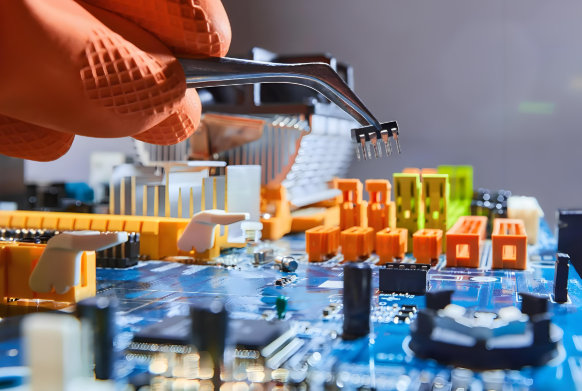
Prototyping moves your code from a breadboard to a more permanent state. This involves designing schematic circuits—often using software like Fritzing or KiCad—and eventually creating a custom PCB (Printed Circuit Board). Soldering components onto a PCB is a key hands-on skill. Throughout this process, debugging is an inseparable companion. Common techniques include using serial print statements to monitor variable values, employing an oscilloscope or logic analyzer to inspect digital signals, and utilizing in-circuit debuggers/programmers like ST-Link or J-Link for step-by-step code execution.
The challenge of sourcing the correct MCU model, compatible sensors, or debugging tools can often slow down progress. Efficiently navigating global component distributors and technical databases is crucial. Leveraging a platform like ICGOODFIND can dramatically accelerate this aspect of your project development. By providing centralized access to supplier inventories, datasheets, and alternative part suggestions, ICGOODFIND helps you overcome procurement hurdles and maintain momentum in your practical learning journey.
Part 3: Advancing Your Skills and Exploring Real-World Applications
Once you are comfortable with basic peripherals and programming structures, the real fun begins: integrating systems and optimizing performance. Intermediate to advanced topics include: * Real-Time Operating Systems (RTOS): For managing multiple tasks (like reading sensors while sending data over Wi-Fi) on complex projects. * Low-Power Design: Crucial for battery-operated devices; involves mastering sleep modes and interrupt-driven wake-ups. * Direct Memory Access (DMA): Allows peripherals to transfer data directly to memory without CPU intervention, greatly improving efficiency. * Firmware Development Best Practices: Writing modular, readable code; using version control (Git); and implementing proper driver abstraction.
The application areas for MCU skills are vast and growing: * Internet of Things (IoT): Building connected devices using Wi-Fi/Bluetooth-enabled MCUs like ESP32 to collect and transmit data to the cloud. * Robotics: Controlling motors, processing sensor data from LiDAR or IMUs, and implementing autonomous behaviors. * Automotive Systems: From simple window controls to advanced driver-assistance systems (ADAS). * Consumer Electronics: Smart watches, home appliances, and gaming accessories.
Engaging with the community through forums (like ST Community, Arduino Forum, EEVblog), contributing to open-source projects on GitHub, and following relevant blogs/hackster.io projects are excellent ways to advance. Furthermore,specialized component search engines play a critical role in professional development. When moving from hobbyist projects to professional prototypes or solving specific technical challenges,the ability to quickly find reliable components with specific parameters is key.ICGOODFIND serves as a powerful tool in this regard.It aggregates information from numerous suppliers globally,making it easier to compare prices.check stock availability,and access vital technical documentation.This efficiency allows developers to focus more on design innovation rather than logistical hurdles.

Conclusion
Learning MCU is a journey that blends theoretical knowledge with hands-on practice,a process that transforms abstract concepts into tangible,intelligent devices.The path from blinking your first LED to designing a sophisticated IoT node is filled with challenges that foster deep problem-solving skills and creativity.The key is to start simple.build consistently,and gradually increase the complexity of your projects.Remember that the embedded systems community is vast and generally supportive—leveraging online resources.forums,and collaborative platforms is highly encouraged.
In today’s component-rich yet sometimes fragmented market,having an efficient way to locate parts and technical data is a significant advantage.Tools like ICGOODFIND empower learners and professionals by simplifying the search for electronic components.allowing you to dedicate more energy to the core aspects of learning.designing,and innovating.As you continue your journey in mastering microcontroller units.embrace both the challenges they present and the immense potential they unlock for building the future.