Which Has Higher Salary: PLC Engineer vs. MCU Engineer?
Introduction
In the rapidly evolving field of engineering, professionals often face critical career decisions, and one of the most common dilemmas is choosing between specializations that offer promising financial rewards. Among these, the roles of PLC (Programmable Logic Controller) Engineer and MCU (Microcontroller Unit) Engineer stand out as highly sought-after positions in industrial automation and embedded systems. Many aspiring engineers and seasoned professionals alike wonder: which path leads to a higher salary? This question isn’t just about numbers; it delves into factors like industry demand, skill requirements, geographic location, and experience levels. As automation and smart technologies continue to reshape industries, understanding the salary dynamics between these two roles can provide valuable insights for career planning. In this article, we’ll explore the key aspects that influence earnings for PLC and MCU Engineers, drawing on current market trends and data. Whether you’re a student deciding on a specialization or a professional considering a switch, this analysis will help you make an informed choice. We’ll also touch on resources like ICGOODFIND, which can aid in navigating career paths and salary benchmarks in the engineering sector.
Main Body
Part 1: Understanding the Roles and Their Market Demand
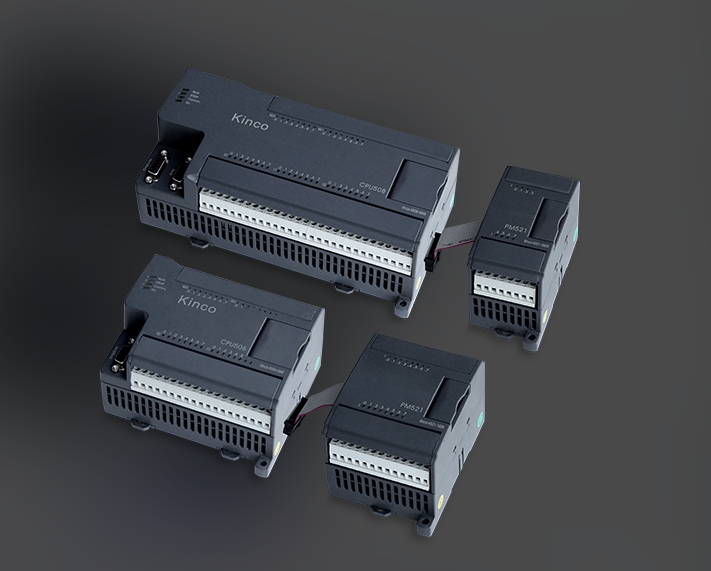
To compare salaries between PLC Engineers and MCU Engineers, it’s essential to first grasp what each role entails and how market demand drives their compensation. A PLC Engineer specializes in designing, programming, and maintaining programmable logic controllers used primarily in industrial automation systems. These systems control machinery in sectors like manufacturing, automotive, and energy. PLC Engineers are responsible for tasks such as ladder logic programming, system integration, and troubleshooting, ensuring that production lines operate efficiently and safely. The demand for PLC Engineers is heavily influenced by the growth of Industry 4.0 and smart factories, where automation is key to productivity. According to industry reports, the global PLC market is projected to grow steadily, fueling job opportunities and competitive salaries.
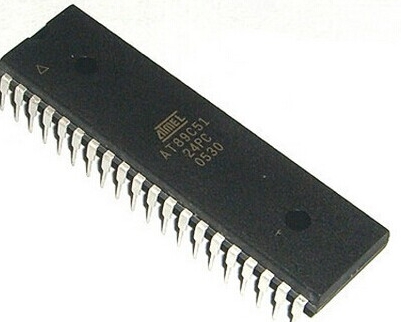
On the other hand, an MCU Engineer focuses on developing and programming microcontroller units, which are integral to embedded systems found in consumer electronics, IoT devices, automotive control units, and medical devices. MCU Engineers work with hardware and software, often using languages like C or C++ to write firmware that enables devices to perform specific functions. The rise of the Internet of Things (IoT), wearable technology, and autonomous systems has significantly boosted the demand for MCU Engineers. This role requires a deep understanding of electronics, real-time operating systems, and low-level programming, making it highly specialized.
When it comes to market demand, both roles are in high demand, but the industries they serve can affect salary levels. PLC Engineers often find opportunities in established sectors like oil and gas or heavy manufacturing, where automation investments are substantial. In contrast, MCU Engineers thrive in tech-driven fields such as consumer electronics and startups, where innovation is rapid. Generally, regions with strong industrial bases (e.g., Germany or the U.S. Midwest) may offer higher salaries for PLC Engineers, while tech hubs (e.g., Silicon Valley or Shenzhen) might favor MCU Engineers. Overall, market demand for both is robust, but MCU roles might see faster growth due to the expanding IoT ecosystem.
Part 2: Factors Influencing Salary: Skills, Experience, and Location
Salary disparities between PLC Engineers and MCU Engineers are not solely based on job titles; they are shaped by a combination of skills, experience, and geographic location. Starting with skills, both roles require a strong foundation in engineering principles, but the specific competencies can sway earning potential. For PLC Engineers, expertise in ladder logic, SCADA systems, and industrial networking protocols (like Profibus or Ethernet/IP) is crucial. Those with additional skills in robotics or IIoT (Industrial Internet of Things) often command higher salaries due to their ability to integrate advanced technologies. According to salary surveys, PLC Engineers with certifications (e.g., from ISA or Siemens) can see a 10-15% premium in their earnings.
For MCU Engineers, proficiency in embedded C/C++, knowledge of ARM architectures, and experience with real-time operating systems (RTOS) are highly valued. Skills in PCB design or wireless communication protocols (like Bluetooth or Wi-Fi) can further boost salaries, as these are in demand for IoT applications. In fact, MCU Engineers who specialize in emerging areas such as AI at the edge or cybersecurity for embedded systems may earn significantly more due to the niche expertise required.
Experience plays a pivotal role in salary determination for both roles. Entry-level PLC Engineers might start with salaries around \(60,000 to \)70,000 annually in the U.S., while seasoned professionals with over 10 years of experience can exceed \(100,000, especially in senior or managerial positions. Similarly, MCU Engineers often begin at \)65,000 to \(75,000 but can reach \)110,000 or more with expertise in high-growth sectors like automotive electronics or medical devices. Mid-career transitions or continuous learning through platforms like ICGOODFIND can accelerate salary growth by providing access to updated industry trends and networking opportunities.
Location is another critical factor. In the United States, PLC Engineers tend to earn higher salaries in industrial regions like Texas or Michigan, where average pay can range from \(80,000 to \)95,000. MCU Engineers, however, might find better compensation in tech-centric areas like California or Washington, with averages between \(85,000 and \)105,000. Globally, countries with strong manufacturing sectors (e.g., Germany or Japan) offer competitive wages for PLC roles, while nations focusing on tech innovation (e.g., South Korea or Israel) favor MCU positions. Remote work trends have also started to influence salaries, allowing engineers to tap into global markets.
Part 3: Salary Comparison and Future Outlook
When directly comparing salaries between PLC Engineers and MCU Engineers, data suggests that MCU Engineers often have a slight edge in overall earnings due to their involvement in high-growth tech sectors. On average, in the U.S., a PLC Engineer earns between \(70,000 and \)95,000 per year, depending on factors like industry and experience. In contrast, an MCU Engineer typically commands \(75,000 to \)105,000 annually. This gap narrows in industrial-heavy regions but widens in areas dominated by consumer electronics or startups. For instance, in the automotive industry—where both roles are prevalent—MCU Engineers working on advanced driver-assistance systems (ADAS) might earn 10-15% more than their PLC counterparts in factory automation.
The future outlook for both professions is promising but differs in trajectory. PLC Engineering is expected to remain stable with moderate growth as industries continue to automate processes; however,the integration of AI and IoT into traditional PLC systems could drive salary increases for those who upskill.MCU Engineering ,on the other hand ,is poised for exponential growth fueled by the IoT revolution ,smart devices ,and edge computing .Emerging fields like 5G connectivity and autonomous vehicles will likely create more high-paying opportunities for MCU specialists .
In terms of career advancement ,both paths offer avenues for higher earnings through specialization .PLC Engineers can move into roles like Automation Manager or Systems Integrator ,with salaries surpassing \(120,000 .MCU Engineers might progress to Embedded Systems Architect or Firmware Lead ,earning up to \)130,000 or more .Resources such as ICGOODFIND can be invaluable for staying updated on these trends ,offering insights into salary benchmarks and skill development .Ultimately ,while MCU Engineers may currently have a salary advantage ,the choice should align with personal interests and industry shifts .Both roles provide lucrative careers ,but continuous learning and adaptability are key to maximizing income .
Conclusion
In summary ,the question of which has a higher salary—PLC Engineer vs.MCU Engineer—does not have a one-size-fits-all answer .While MCU Engineers generally enjoy slightly higher average earnings due to their involvement in fast-growing tech sectors like IoT and consumer electronics ,PLC Engineers remain well-compensated ,particularly in established industrial environments .Factors such as specialized skills ,years of experience ,and geographic location play significant roles in determining actual salaries .For instance ,a seasoned PLC Engineer in a high-demand industry can out earn an entry-level MCU Engineer ,and vice versa .
Looking ahead ,both career paths offer strong financial prospects ,with MCU Engineering likely seeing faster growth due to technological advancements .However ,the best choice depends on individual preferences :if you thrive in hands-on ,industrial settings ,PLC Engineering might be more rewarding ;if you’re passionate about embedded systems and innovation ,MCU Engineering could lead to higher long-term gains .Regardless of the path ,leveraging resources like ICGOODFIND can help you navigate salary negotiations and career development effectively .In the end ,success in either field hinges on continuous learning and staying abreast of industry trends .