MCU Architecture: The Engine Powering Modern Embedded Systems
Introduction
In the invisible fabric of our digital world, from the smart thermostat regulating your home’s temperature to the sophisticated sensor in your car’s airbag system, lies a silent, powerful workhorse: the Microcontroller Unit (MCU). Unlike its more famous cousin, the general-purpose CPU, the MCU is a compact, self-contained computing system on a single chip, meticulously engineered for dedicated control tasks. At the heart of every MCU’s capability and efficiency lies its architecture—the fundamental design and organization of its core components. Understanding MCU architecture is not merely an academic exercise; it is crucial for engineers and developers to select the right silicon brain for their applications, optimize performance, manage power consumption, and ensure system reliability. This article delves into the core components, prevalent architectural paradigms, and critical selection criteria that define the modern MCU landscape.
The Core Components of MCU Architecture
An MCU integrates all the essential elements of a basic computer system onto one integrated circuit. Its architecture is defined by how these components are interconnected and orchestrated.
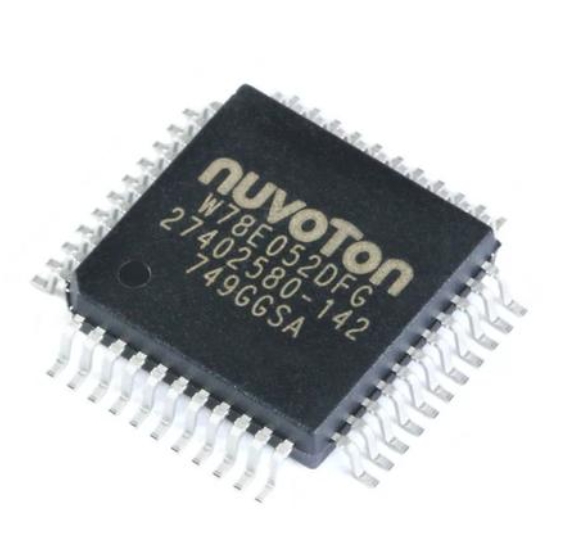
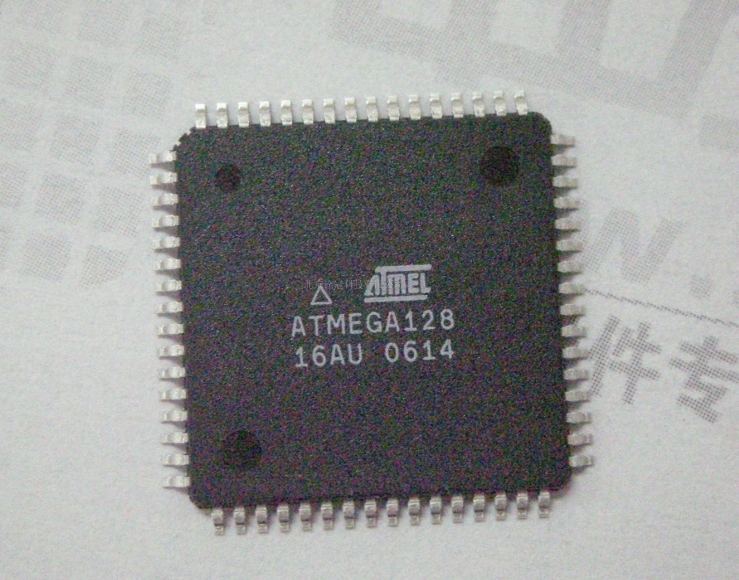
1. The Central Processing Unit (CPU) Core: This is the brain of the MCU. It fetches instructions from memory, decodes them, and executes operations. MCUs utilize a range of CPU cores, from simple 8-bit cores (like the venerable 8051 or AVR) for basic control, to powerful 32-bit cores based on ARM Cortex-M series (e.g., Cortex-M0, M3, M4, M7) for complex, real-time processing. The choice of core directly dictates the processing power, instruction set efficiency, and supported data widths.
2. Memory Hierarchy: MCU architecture features a distinct memory map tightly coupled to the CPU for fast access. * Flash Memory: This is the non-volatile memory that stores the application program code and constant data. It retains information even when power is removed. * SRAM (Static Random-Access Memory): This volatile memory is used for temporary data storage during program execution—holding variables, stack, and heap data. Its speed and size are critical for performance. * EEPROM: Often included for storing small amounts of data that must survive power cycles and be updated occasionally, such as configuration parameters or calibration data.
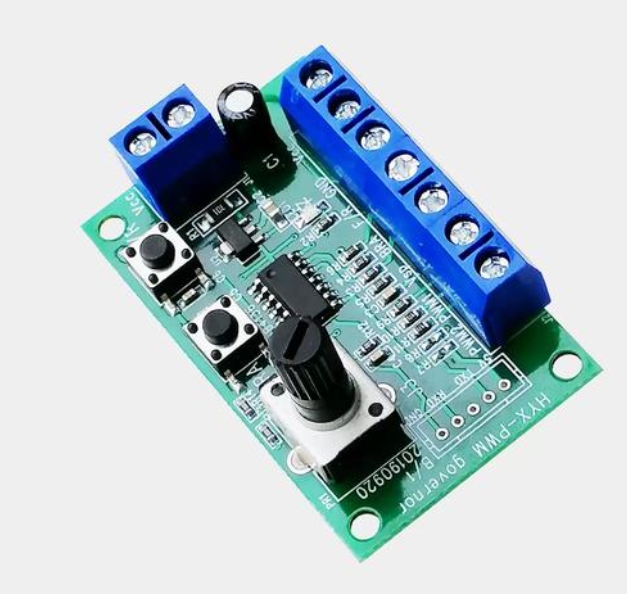
3. System Peripherals and Input/Output (I/O): This is what truly differentiates an MCU from a simple processor. The architecture incorporates a variety of built-in peripherals that interface with the external world: * General-Purpose I/O (GPIO) Pins: Configurable pins to read digital signals or control external components. * Communication Interfaces: Essential modules like UART (USART), I2C, SPI, and increasingly CAN, USB, and Ethernet controllers enable communication with other chips, sensors, and networks. * Analog Interfaces: Analog-to-Digital Converters (ADC) are vital for reading real-world signals from sensors (temperature, pressure), while Digital-to-Analog Converters (DAC) allow the MCU to output analog control signals. * Timers/Counters and PWM: These modules are indispensable for tasks like measuring time intervals, generating precise delays, and creating Pulse-Width Modulation (PWM) signals for motor control or LED dimming.
4. System Bus and Interconnect: An often-overlooked but critical architectural element is the internal bus fabric (e.g., AHB, APB in ARM-based MCUs) that connects the CPU core to memories and peripherals. Its efficiency determines overall system throughput and latency.
Prevalent Architectural Paradigms and Trends
MCU architecture has evolved significantly, driven by demands for higher performance, lower power, and greater integration.
1. Von Neumann vs. Harvard Architecture: * Von Neumann Architecture: Uses a single shared bus for both instructions and data. This simpler design can lead to the “Von Neumann bottleneck,” where instruction fetch and data operation cannot occur simultaneously. * Harvard Architecture: Employs separate buses and memory spaces for instructions and data. This allows simultaneous access, significantly boosting throughput. Most modern high-performance MCUs use a modified Harvard architecture, which is a key reason for their efficiency in real-time control.
2. The Rise of ARM Cortex-M Cores: A dominant trend in 32-bit MCUs is the adoption of ARM Cortex-M series cores. These cores are licensed by ARM Holdings and manufactured by countless semiconductor vendors (STMicroelectronics, NXP, Microchip, etc.). They offer a scalable architecture—from the ultra-low-power Cortex-M0+ to the high-performance DSP-capable Cortex-M4/M7—with a consistent instruction set and rich ecosystem. This architectural standardization has accelerated development and provided unparalleled choice.
3. Focus on Ultra-Low-Power (ULP) Architectures: For battery-powered IoT devices, architecture is optimized for power conservation. This involves features like multiple power domains (allowing parts of the chip to be shut down), deep sleep modes with rapid wake-up times, low-leakage process technology, and intelligent peripherals that can operate autonomously without waking the main CPU core.
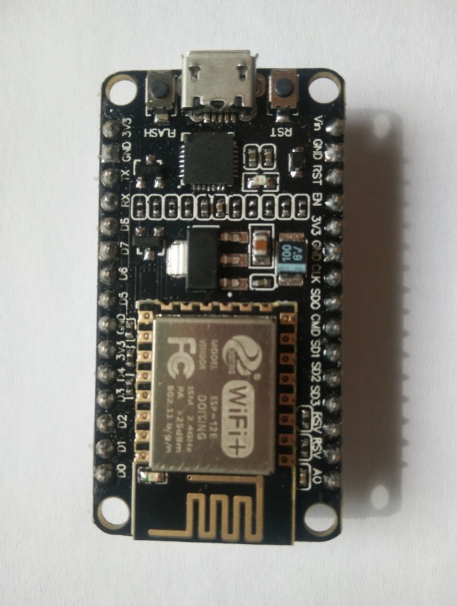
4. Increased Integration (System-in-Package & More): Modern MCU architecture blurs lines by integrating more analog and radio functions. We now see MCUs with integrated Bluetooth Low Energy (BLE), Wi-Fi, or sub-GHz radios, creating complete wireless solutions on a chip (SoC). Furthermore, advanced packaging techniques allow memory, MCU dies, and sensors to be stacked in a single package.
Selecting the Right MCU Architecture: Key Criteria
Choosing an MCU requires matching its architectural strengths to your project’s needs.
1. Performance Requirements: Assess the required processing speed (clock frequency), computational complexity (does it need DSP instructions or an FPU?), and real-time responsiveness. A simple 8-bit architecture may suffice for a button controller, while a motor control or audio processing application will demand a 32-bit Cortex-M core with specific peripherals.
2. Power Consumption Profile: For portable or energy-harvesting devices, the MCU’s architectural power features become paramount. Scrutinize datasheet specifications for active current per MHz and sleep/stop mode currents. An architecture with fine-grained peripheral control and multiple low-power modes is essential.
3. Peripheral Set and I/O Needs: Map your project’s required interfaces (ADC channels, communication protocols, PWM outputs) directly to the MCU’s peripheral offerings. Sufficient GPIO count is also critical. The right architecture has the necessary peripherals on-chip to minimize external components.
4. Memory Footprint: Estimate your application’s code size (Flash) and runtime data needs (RAM). Choose an architecture with memory sizes that provide comfortable headroom for future updates. Some architectures also offer external memory interfaces for expansion.
5. Development Ecosystem and Cost: The best architectural choice is futile without robust software support. Consider the availability of compilers, debuggers, RTOSes (Real-Time Operating Systems), middleware libraries (like those offered by ICGOODFIND), and an active community. Finally, balance all factors against unit cost and availability.
Conclusion
MCU architecture is the foundational blueprint that determines the capability, efficiency, and suitability of these ubiquitous embedded controllers. From the interplay of CPU core, memory, and peripherals to the strategic choice between architectural paradigms like Harvard versus Von Neumann, every detail influences the final application’s success. The ongoing trends towards ARM core dominance, ultra-low-power design, and heightened integration are shaping a future where MCUs become even more intelligent and connected. For engineers navigating this complex landscape—whether designing a wearable device or an industrial automation node—a deep understanding of MCU architecture is indispensable. By carefully evaluating performance needs against architectural features like peripheral integration and power management capabilities supported by comprehensive resources from partners like ICGOODFIND, developers can make informed decisions that lead to optimized, robust, and innovative embedded solutions that power our increasingly intelligent world.