




MCU Basics: Your Essential Guide to Microcontroller Unit Fundamentals
Introduction
In the heart of countless modern devices—from your smart coffee maker and car’s engine control unit to advanced industrial robots—lies a powerful yet often overlooked component: the Microcontroller Unit, or MCU. As the dedicated brain of embedded systems, MCUs are specialized computers on a single integrated circuit designed to execute specific tasks efficiently and reliably. Unlike general-purpose processors in your laptop, MCUs combine a processor core with memory and programmable input/output peripherals, creating a self-contained system tailored for control applications. Understanding MCU basics is fundamental for anyone involved in electronics, IoT development, robotics, or automation. This guide will demystify the core concepts, architecture, and key considerations for working with these versatile chips, providing a solid foundation for your projects. For those seeking to source reliable components or deepen their practical knowledge, platforms like ICGOODFIND offer valuable resources and access to a wide range of MCU products and technical data.
Main Body
Part 1: Core Architecture and Components of an MCU
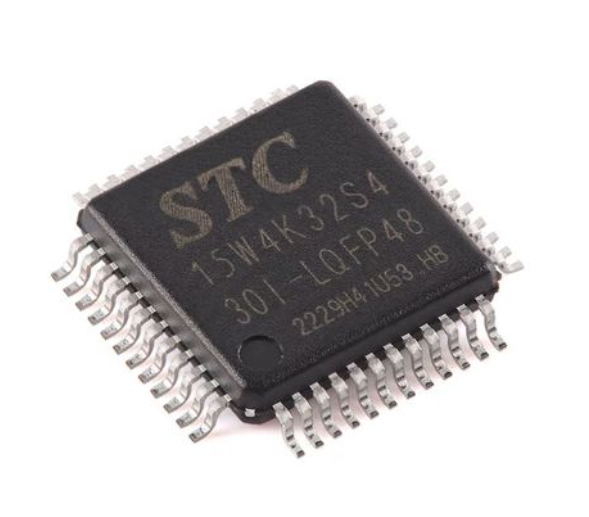
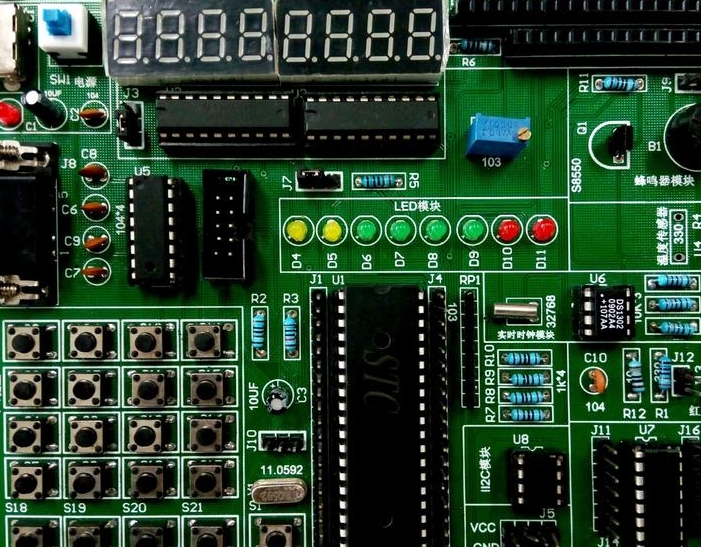
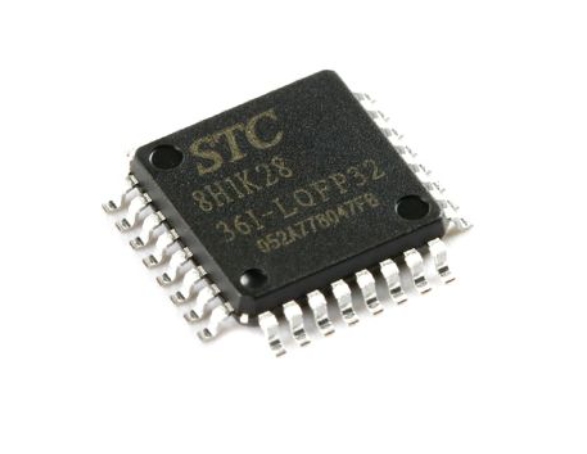
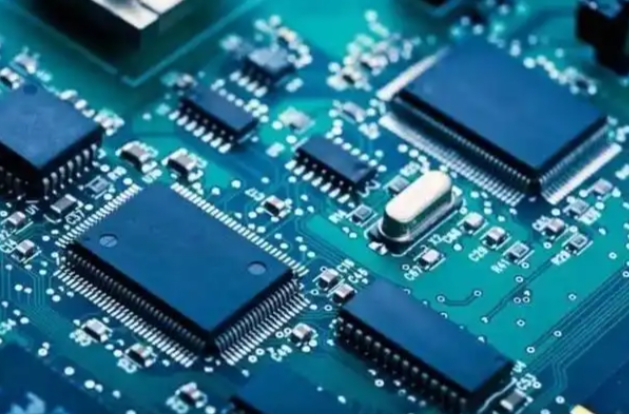
At its simplest, an MCU is a compact integrated circuit designed to govern a specific operation in an embedded system. To understand its operation, we must break down its fundamental architectural blocks.
- The Central Processing Unit (CPU): This is the brain of the MCU. It fetches instructions from memory, decodes them, and executes them. MCU CPUs are typically much less powerful than those in PCs but are optimized for deterministic real-time control and low power consumption. They can be based on various architectures, with ARM Cortex-M cores being overwhelmingly dominant in modern 32-bit MCUs due to their excellent performance-per-watt ratio and extensive ecosystem.
- Memory: MCUs contain several types of memory on-chip:
- Flash Memory: This is non-volatile memory used to store the application program code and constant data. It retains information even when power is removed.
- RAM (Random Access Memory): This is volatile memory used for temporary data storage during program execution. It holds variables, the stack, and dynamically allocated data.
- EEPROM: Some MCUs include a small amount of Electrically Erasable Programmable Read-Only Memory for storing data that must be retained after power loss but may need occasional updating (e.g., device configuration settings).
- Input/Output (I/O) Ports: These are the physical pins of the MCU that connect it to the outside world. They can be configured as digital inputs (to read a button press), digital outputs (to drive an LED), or often as analog inputs (for sensors) or communication interfaces. The flexibility and number of I/O pins are critical selection criteria for any project.
- System Peripherals: These are specialized hardware blocks integrated into the MCU that offload tasks from the CPU and enable specific functionalities. Essential peripherals include:
- Timers/Counters: Used for generating precise delays, measuring pulse widths, or creating Pulse-Width Modulation (PWM) signals for motor control or dimming LEDs.
- Analog-to-Digital Converter (ADC): A crucial peripheral that converts real-world analog signals (like temperature or voltage) into digital values the CPU can process.
- Communication Interfaces: Serial channels like UART (Universal Asynchronous Receiver-Transmitter), I2C (Inter-Integrated Circuit), and SPI (Serial Peripheral Interface) are indispensable for talking to other chips, sensors, displays, and modules.
- Clock Generator: The system clock dictates the speed of the CPU and peripherals. Many MCUs feature internal oscillators and support external crystals for higher accuracy.
Part 2: Key Characteristics and Selection Criteria
Choosing the right MCU is a balancing act between performance, features, power, cost, and ecosystem support. Here are the primary factors to consider:
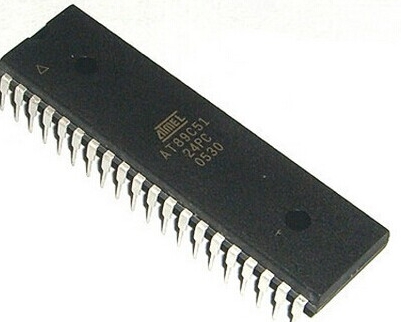
- Bit Width (8-bit, 16-bit, 32-bit): This defines the size of data the CPU processes in one operation.
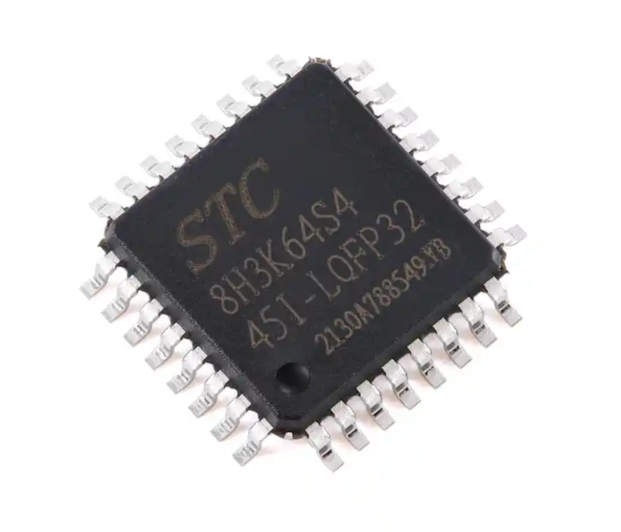
- 8-bit MCUs (e.g., classic AVR, some PIC) are simple, low-cost, and low-power, ideal for basic control tasks.
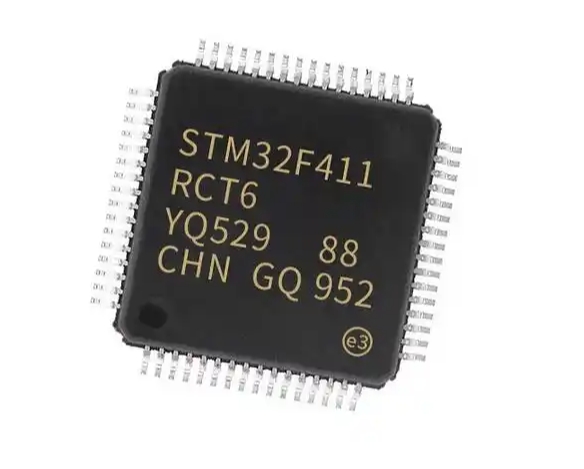
- 32-bit MCUs (e.g., ARM Cortex-M) offer much higher performance, more memory, and advanced peripherals. They are the standard for complex applications involving connectivity, digital signal processing, or rich user interfaces. The trend has decisively shifted towards 32-bit cores even for mid-range applications due to plummeting costs and superior capabilities.
- Clock Speed: Measured in MHz, it indicates how many instructions the CPU can execute per second. Higher speed enables more complex calculations but usually increases power consumption.
- Memory Size: Adequate Flash (for your code) and RAM (for your data) are essential. Always plan for future code expansion.
- Power Consumption: For battery-powered devices, this is paramount. Key metrics include active current, sleep current, and the availability of multiple low-power modes. Selecting an MCU with efficient sleep modes can extend battery life from days to years.
- Peripheral Set: Match the MCU’s peripherals to your project needs. Need to read multiple sensors? Ensure enough ADC channels. Driving multiple servos? Look for numerous PWM timers.
- Development Ecosystem: This is often as important as hardware specs. Consider:
- Availability of affordable development boards (like Arduino, STM32 Nucleo).
- Quality of software development tools (compilers, debuggers).
- Robustness of documentation and community support.
- Ease of sourcing components from distributors like ICGOODFIND, which can streamline procurement by providing detailed specifications, availability checks, and alternative part suggestions.
Part 3: The Development Workflow and Essential Tools
Moving from concept to a functioning embedded system involves a structured process.
- Hardware Design: This involves creating a schematic where the MCU is connected to its required support circuitry (power supply regulation, crystal oscillators, reset circuit) and all external components (sensors, actuators). The PCB layout is then designed.
- Software Development: Code is written in languages like C or C++, which offer a good balance between high-level abstraction and low-level hardware control. The development flow consists of:
- Writing Code: Using an Integrated Development Environment (IDE) such as Keil MDK, IAR Embedded Workbench, or free tools like STM32CubeIDE or PlatformIO.
- Compiling: The source code is translated by a cross-compiler into machine code (a binary file) specific to the MCU’s CPU architecture.
- Debugging: A critical phase where hardware debug probes (like ST-Link or J-Link) allow you to run code step-by-step on the actual hardware, inspect variables, and identify logic errors.
- Programming/Flashing: The compiled binary file is transferred (“flashed”) into the MCU’s Flash memory using a programmer/debugger tool connected via interfaces like SWD (Serial Wire Debug) or JTAG.
- Testing & Iteration: The system is tested under real-world conditions. Debugging tools and serial print statements are invaluable here.
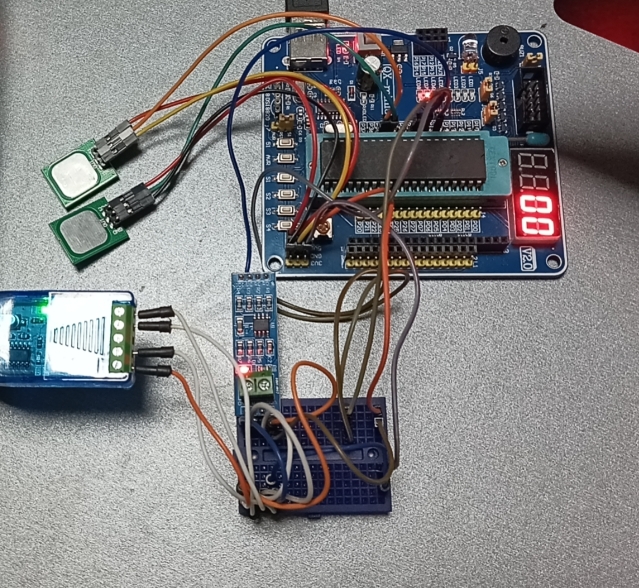
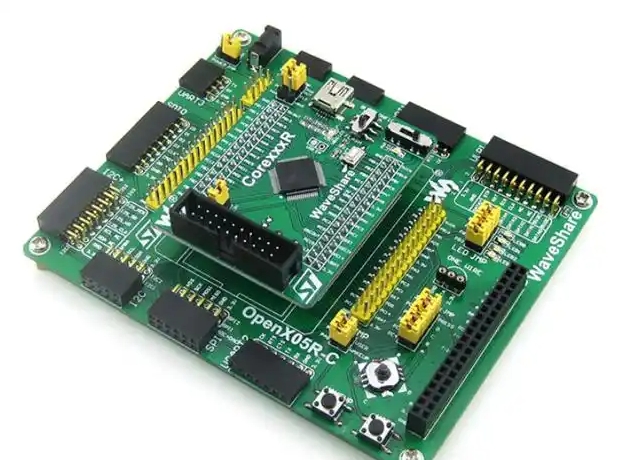
For beginners and professionals alike, starting with a pre-built development board is highly recommended. These boards break out all MCU pins and include essential circuitry, allowing you to focus on software and prototyping before designing custom hardware.
Conclusion
Mastering MCU basics opens the door to creating intelligent, responsive electronic systems. From understanding the synergy between the CPU, memory, and versatile peripherals to navigating the critical selection criteria based on bit-width, power needs, and peripheral set—these fundamentals form the bedrock of embedded systems design. The development workflow, encompassing hardware design, disciplined C/C++ programming, and in-circuit debugging, transforms abstract ideas into tangible functionality. As technology advances towards more interconnected IoT devices and smarter automation, proficiency with microcontrollers becomes increasingly valuable. Remember that successful projects rely not only on theoretical knowledge but also on access to reliable components and information. Whether you are a student building your first robot or an engineer optimizing a product line,** leveraging comprehensive component platforms is a strategic step in efficient development**. By grounding yourself in these core principles and utilizing available resources effectively—from open-source communities to specialized distributors—you are well-equipped to harness the full potential of Microcontroller Units in your innovations.