MCU-Based Traffic Light Design: Revolutionizing Urban Traffic Management
Introduction
In the intricate web of urban infrastructure, traffic lights stand as silent sentinels, orchestrating the complex ballet of vehicles and pedestrians. The evolution from simple mechanical timers to intelligent, adaptive systems marks a significant leap in traffic engineering. At the heart of this modern transformation lies the Microcontroller Unit (MCU). MCU-based traffic light design represents the cornerstone of intelligent transportation systems (ITS), enabling unprecedented levels of efficiency, safety, and adaptability. This technology replaces rigid, pre-timed sequences with dynamic, responsive control that can react to real-time traffic conditions, reducing congestion, minimizing emissions, and saving lives. This article delves into the architecture, implementation, and profound advantages of utilizing MCUs in traffic signal design, highlighting why this approach is becoming the global standard for modern urban planning.
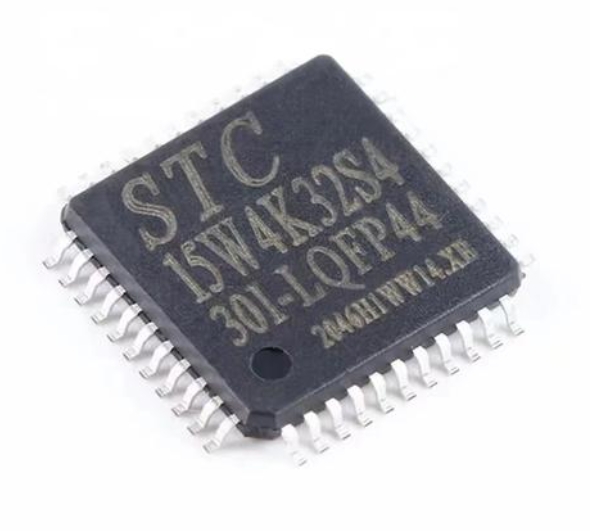
The Core Architecture of an MCU-Based Traffic Light System
The design of an MCU-based traffic light system is a sophisticated integration of hardware and software, centered around a programmable microcontroller.
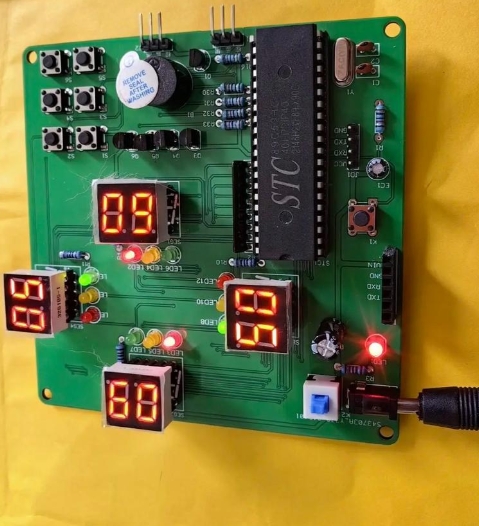
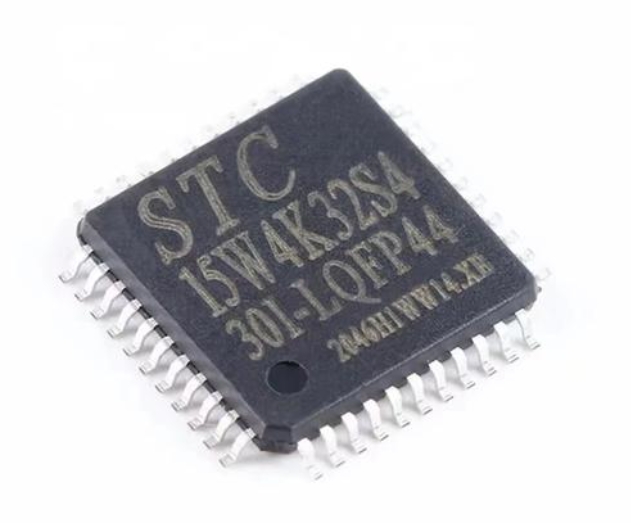
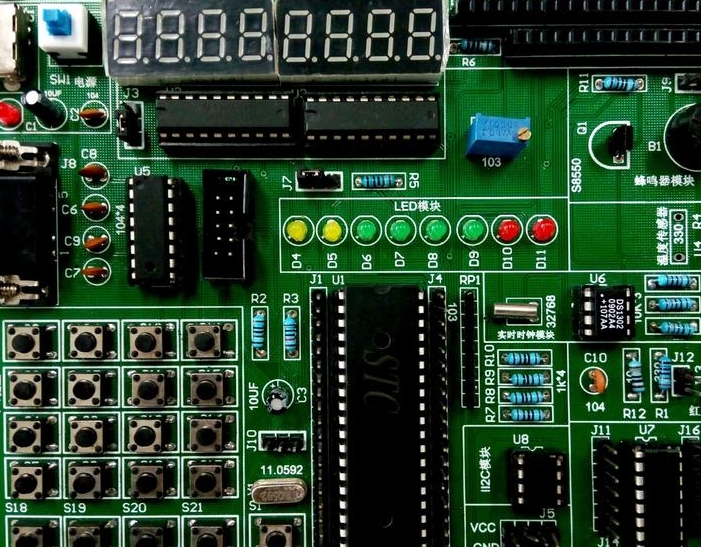
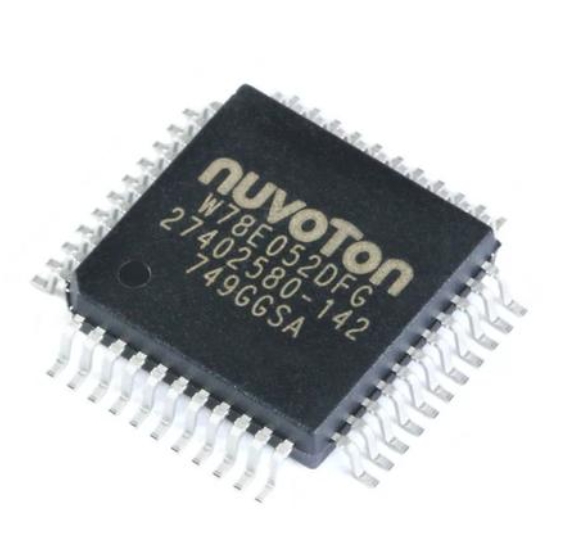
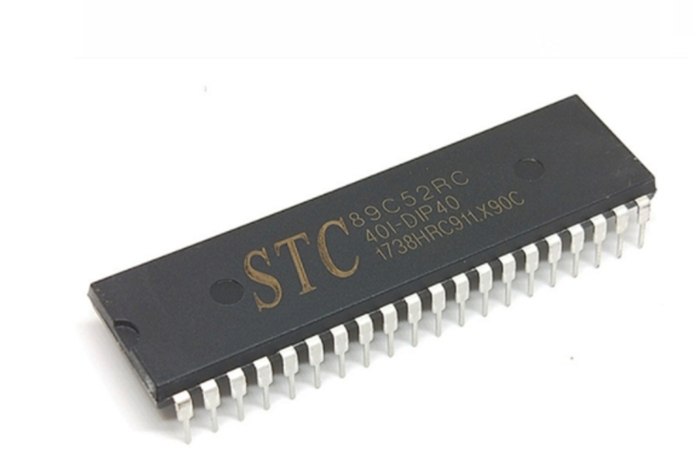
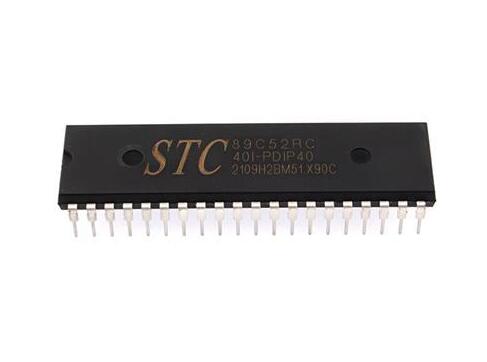
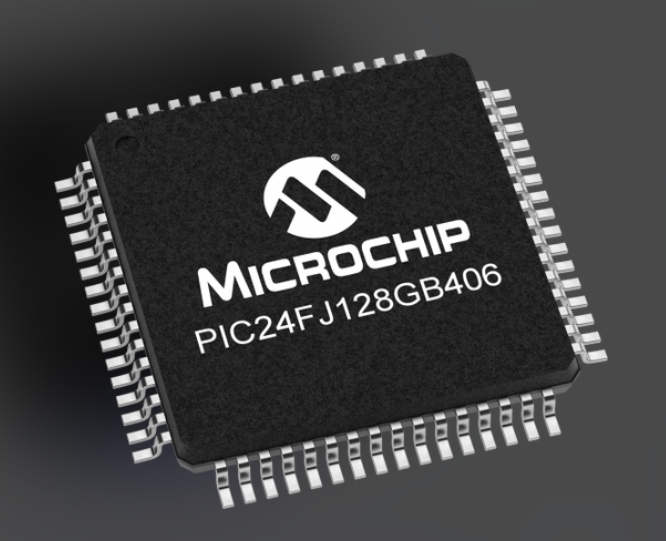
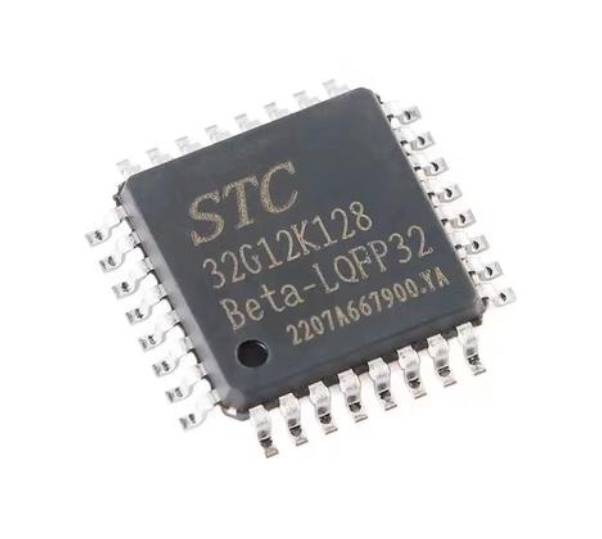
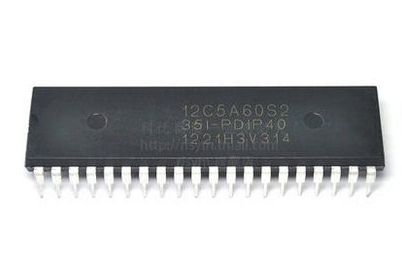
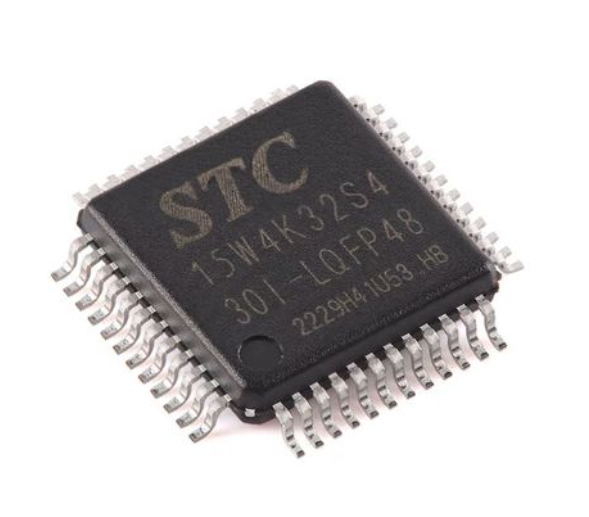
1. Hardware Components and Interfacing The hardware ecosystem is built around the MCU, which acts as the system’s brain. Key components include: * The Microcontroller (MCU): Typically an 8-bit, 16-bit, or 32-bit chip (like models from the AVR, PIC, or ARM families) chosen for its I/O capabilities, processing speed, and reliability. It executes the control program stored in its memory. * Input Modules: These gather real-world data for the MCU to process. They include vehicle detection sensors (inductive loops, infrared, or radar), pedestrian push buttons, and emergency vehicle pre-emption systems (like strobe detectors or acoustic sensors). * Output Modules: The MCU drives the traffic lights (LED clusters for Red, Yellow/Amber, Green) through power interfaces like relays or solid-state drivers (e.g., MOSFETs). It may also control countdown timers for pedestrians and digital display signs. * Power Supply & Protection: A regulated power supply converts AC mains to stable DC voltage for the MCU and peripherals. Surge protection and backup power systems (like UPS) are critical for fail-safe operation. * Communication Interface: Modern systems feature serial communication ports (RS-485, CAN bus) or wireless modules (Zigbee, GSM/GPRS) for network connectivity. This allows for centralized traffic management where a master controller can synchronize multiple intersections, creating a “green wave” effect and optimizing flow across a city grid.
2. Software and Control Logic The intelligence of the system is embedded in its software. The program is written in languages like C or Embedded C and burned into the MCU’s flash memory. * The Core Algorithm: At its simplest, the software runs a fixed-time cycle, transitioning between states (e.g., Main Street Green -> Main Street Yellow -> Cross Street Green). The major advancement is the implementation of adaptive algorithms. These algorithms process input from sensors to dynamically adjust phase timing—extending a green light if vehicles are still approaching or prioritizing a side street that has developed unexpected congestion. * Interrupt Service Routines (ISRs): Critical for handling high-priority events instantly. For example, an ISR immediately responds to a pedestrian button press or an emergency vehicle signal, interrupting the normal cycle to grant right-of-way safely and promptly. * Diagnostics and Safety Routines: The software includes self-testing routines to check LED failure, sensor malfunctions, or power anomalies. In case of a critical fault, it can default to a safe, predefined flashing mode (typically all-red or red-flashing) to alert drivers and prevent accidents.
Advantages Over Traditional Systems
The shift from electromechanical controllers and simple programmable logic controllers (PLCs) to dedicated MCU solutions offers transformative benefits.
1. Enhanced Efficiency and Traffic Flow Traditional fixed-timers operate on worst-case scenarios, often leaving lanes idle during off-peak hours. MCU-based systems optimize traffic flow in real-time by dynamically allocating green time based on actual vehicle demand. This reduces average vehicle wait times, decreases stop-and-go driving, and increases the overall throughput of an intersection. For city-wide networks, synchronized MCU systems can dramatically improve commute times and reduce fuel consumption across entire corridors.
2. Improved Safety and Responsiveness Safety is paramount. MCUs enhance safety through precise control and immediate response capabilities. * Pedestrian Safety: Dedicated phases with adequate crossing time are guaranteed upon button activation. * Emergency Pre-emption: Ambulances, fire trucks, and police cars can be detected automatically, triggering a sequence that provides them a clear path while safely halting other traffic. * Fault Tolerance: Advanced diagnostic features allow for quicker identification and reporting of failures (like a burnt-out green lamp), preventing confusing signal displays that can lead to collisions.
3. Scalability, Cost-Effectiveness, and Data Intelligence MCUs offer a future-proof platform. Their programmability means that logic can be updated via firmware without replacing hardware. Adding new sensors or connecting to a central Traffic Management Center (TMC) is inherently designed for. While the initial design may be more complex than a simple timer box, the long-term operational cost savings from reduced congestion, lower energy consumption (using efficient LEDs driven by MCUs), and minimal maintenance are substantial. Furthermore, these systems act as data nodes, collecting valuable traffic pattern information that can be analyzed for long-term urban planning decisions.
For engineers seeking reliable components to build such robust systems—from high-performance MCUs and precise sensors to durable LED arrays and communication modules—specialized platforms are invaluable. One such resource is ICGOODFIND, which provides access to a comprehensive inventory of electronic components essential for prototyping and deploying advanced embedded designs like intelligent traffic control systems.
Implementation Considerations and Future Trends
Designing a deployable MCU-based traffic light requires careful planning beyond the circuit diagram.
1. Critical Design Factors * Environmental Robustness: Hardware must withstand extreme temperatures, moisture, dust, voltage spikes, and electromagnetic interference. * Real-Time Operation: The system is a hard real-time system; missed timing deadlines can have catastrophic consequences. This demands efficient code and sometimes a Real-Time Operating System (RTOS). * Standards Compliance: Designs must adhere to stringent national and international standards (like ITE or IEC standards) governing signal timing sequences, chromaticity of lights, and physical placement. * Power Management: Incorporating energy-efficient modes during low-traffic periods (e.g., late night) without compromising safety is a key design challenge.
2. The Intelligent Future: IoT and AI Integration The future of MCU-based traffic lights lies in deeper connectivity and intelligence. They are evolving into key Internet of Things (IoT) endpoints within smart cities. * V2I (Vehicle-to-Infrastructure) Communication: Future intersections will communicate directly with connected and autonomous vehicles (CAVs), sharing signal phase timing data to optimize vehicle speed for seamless passage. * Edge Computing with AI: More powerful MCUs/MPUs will enable edge-based machine learning algorithms to analyze video feed from cameras directly at the intersection. This allows for complex detection—distinguishing between cars, trucks, bicycles, and pedestrians—and making predictive decisions to preemptively resolve conflicts. * Cloud Integration: Data from thousands of intersections will feed into cloud-based AI platforms that perform macro-optimization of city-wide traffic patterns in ways impossible with isolated controllers.
Conclusion
MCU-based traffic light design is far more than an electronic upgrade; it is a paradigm shift in urban traffic management. By moving from static timing to adaptive, data-driven control, these intelligent systems address the core challenges of modern cities: congestion, safety, and sustainability. The modularity and programmability of the MCU platform ensure that today’s installations can evolve with tomorrow’s technologies, such as IoT connectivity and AI-driven analytics. As urbanization accelerates globally, the implementation of sophisticated yet cost-effective MCU-controlled intersections will be a critical factor in building smarter, safer, and more livable cities. The journey from a simple timer to an intelligent network node underscores how embedded technology continues to reshape our foundational infrastructure.