
MCU-Based Traffic Light: The Intelligent Heart of Modern Traffic Management
Introduction
In the intricate dance of urban mobility, traffic lights serve as the silent conductors, orchestrating the safe and efficient flow of vehicles and pedestrians. For decades, these systems relied on electromechanical controllers with fixed timing plans. However, the advent of the Microcontroller Unit (MCU) has revolutionized this domain, transforming simple signal devices into intelligent nodes within a broader smart city ecosystem. MCU-based traffic lights represent a fundamental leap from static, timer-driven systems to dynamic, responsive, and programmable control units. These compact, powerful computing chips embedded within traffic controllers enable real-time decision-making, adaptability to changing conditions, and integration with sensors and networks. This article delves into the core architecture, pivotal advantages, and implementation strategies of MCU-based traffic light systems, highlighting their critical role in shaping the future of urban transportation. For engineers and procurement specialists seeking reliable components for such intelligent systems, platforms like ICGOODFIND offer a streamlined avenue to source quality MCUs and related semiconductor components from vetted suppliers worldwide.
The Core Architecture of an MCU-Based Traffic Light System
An MCU-based traffic light system is a sophisticated embedded system where the microcontroller acts as its brain. Understanding its architecture is key to appreciating its capabilities.
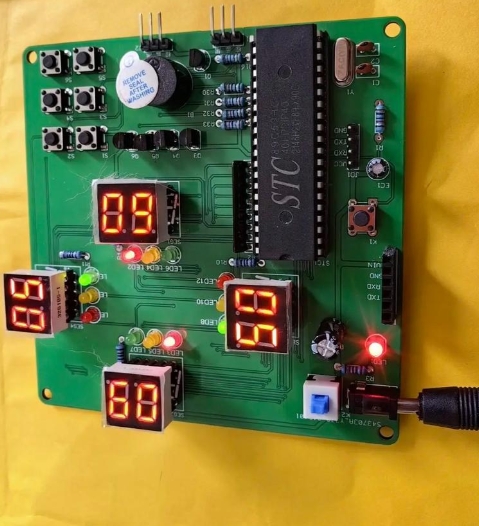
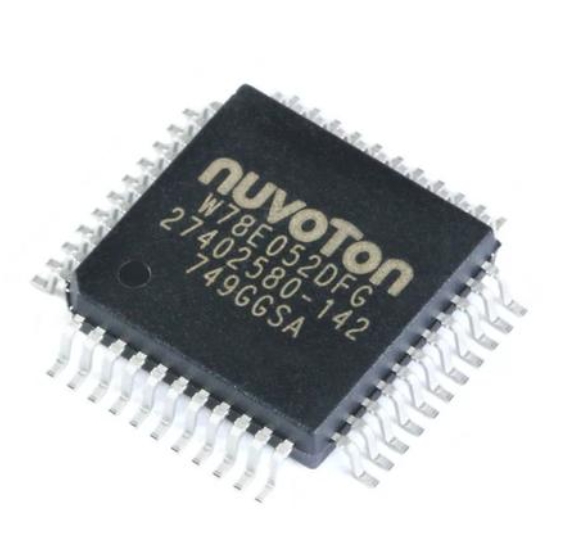
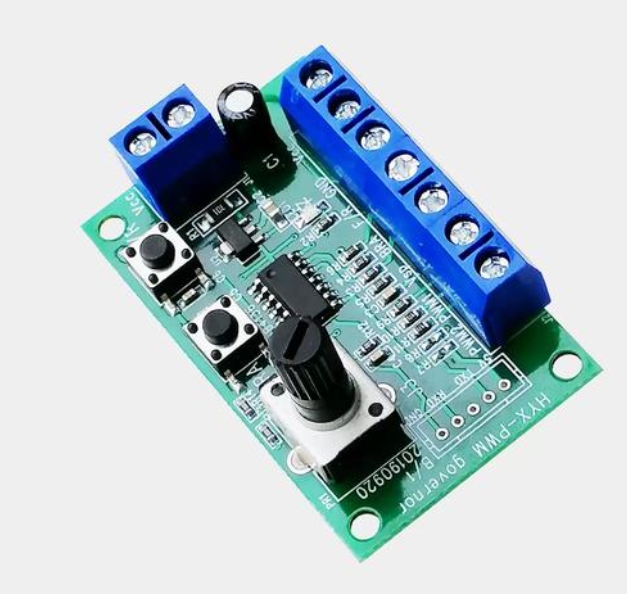
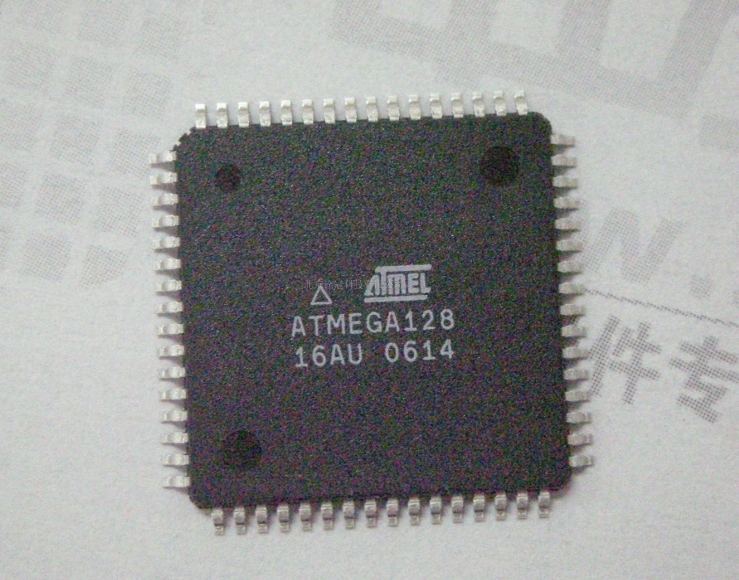
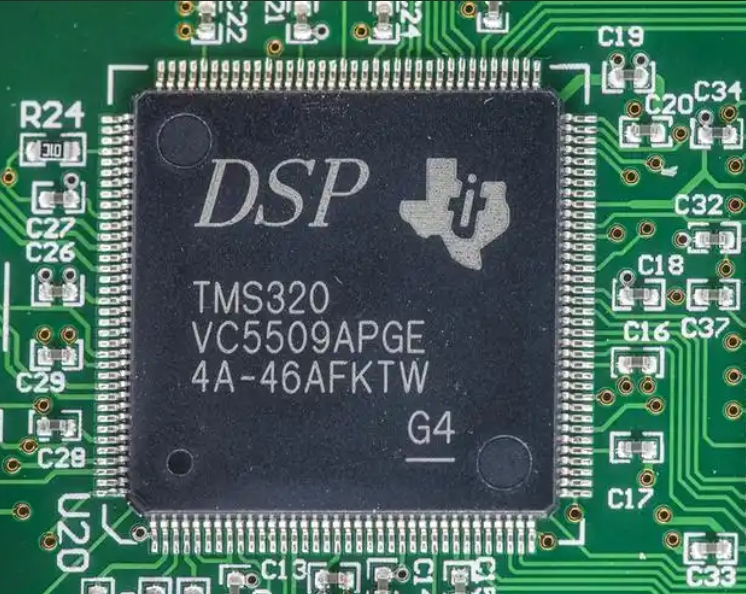
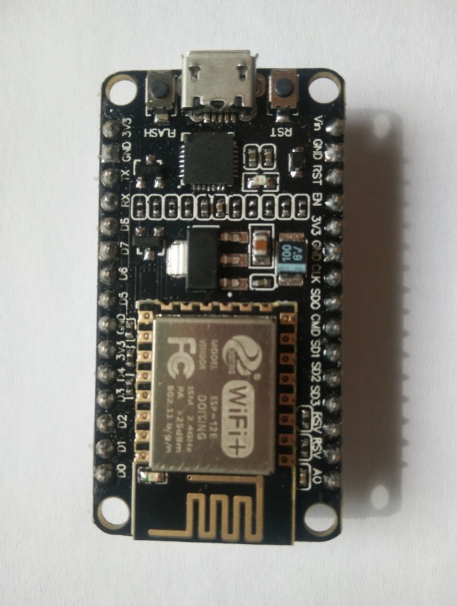
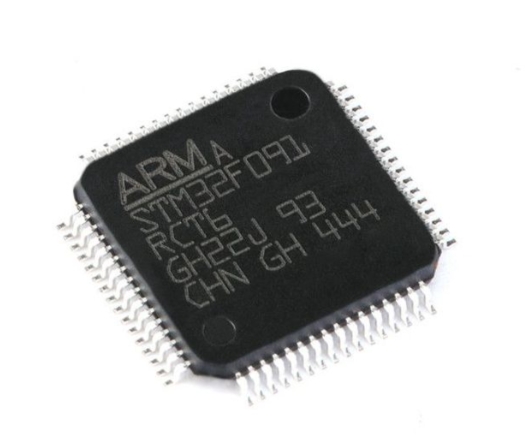
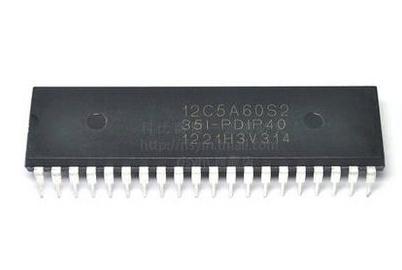
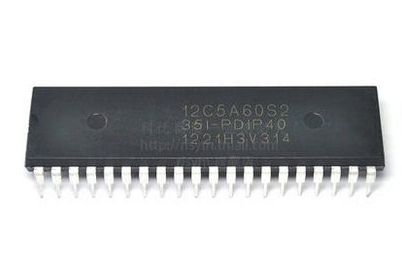
Hardware Components and MCU Selection: At the heart lies the MCU itself—a single integrated circuit containing a processor core, memory (RAM and ROM/Flash), and programmable input/output peripherals. Common architectures include ARM Cortex-M series, AVR, or PIC microcontrollers, chosen for their reliability, low power consumption, and rich I/O capabilities. Surrounding the MCU are essential hardware components: the power supply unit; input modules like vehicle detection sensors (inductive loops, radar, cameras); pedestrian call buttons; and communication modules (for Ethernet, wireless, or dedicated short-range communications). The output modules are the most visible: the MCU directly drives the high-power LED clusters (or bulb arrays) through intermediary solid-state relays or power transistors, ensuring precise timing and dimming control. The selection of an appropriate MCU is paramount, balancing processing speed, I/O pin count, communication protocol support, and environmental durability.
Software and Firmware Logic: The hardware is animated by dedicated firmware—software permanently programmed into the MCU’s memory. This firmware contains the core control algorithm. Moving beyond fixed-time cycles, modern firmware implements adaptive algorithms that can adjust green light duration based on real-time sensor input. This may involve simple extensions for approaching vehicles or complex multi-intersection coordination logic. The firmware also manages fail-safe mechanisms, defaulting to a safe blinking mode or a pre-set timing plan in case of a sensor or system fault. Development typically involves programming in C or C++ using integrated development environments (IDEs), with a strong emphasis on real-time operation and stability.
Network and Connectivity Framework: Standalone intersections are giving way to interconnected grids. MCUs with built-in communication peripherals enable traffic lights to become Internet of Things (IoT) devices. They can connect via wired networks (like fiber optics) or wireless protocols (4G/5G, LoRa) to a central Traffic Management Center (TMC). This allows for remote monitoring of status (e.g., lamp failure), remote firmware updates for bug fixes or feature upgrades, and the reception of centralized timing plans optimized for area-wide traffic flow. This connectivity layer is what truly unlocks smart city integration.
Key Advantages Over Traditional Systems
The migration from electromechanical and basic programmable logic controller (PLC) systems to MCU-based solutions offers transformative benefits.
Enhanced Flexibility and Programmability: The most significant advantage is software-defined control. Changing the behavior of an intersection no longer requires rewiring or replacing hardware; it merely involves updating the MCU’s firmware. Traffic engineers can implement complex phasing sequences, create different timing plans for peak hours versus off-peak nights, and swiftly adapt to temporary changes like construction zones. This programmability makes system testing, optimization, and customization vastly more efficient.
Superior Energy Efficiency and Sustainability: MCU-based systems contribute directly to urban sustainability goals. Firstly, they invariably control high-efficiency LED lamps, which consume significantly less power than incandescent bulbs. Secondly, the intelligence of the MCU allows for advanced power management, such as dimming lights during low-traffic periods or switching to low-power modes when idle. Furthermore, by optimizing traffic flow and reducing idling times, these systems indirectly cut down on vehicle emissions—a major environmental benefit.
Improved Traffic Flow and Safety: The core objective is met more effectively. By responding to actual demand via sensors, MCU-based lights minimize unnecessary waiting time at empty approaches and reduce overall congestion. Adaptive systems can dynamically extend green lights for platoons of vehicles or prioritize emergency vehicles via preemption signals. For pedestrians, features like audible cues for the visually impaired and guaranteed crossing time are easily integrated. Predictive algorithms can even prevent gridlock by coordinating adjacent intersections.
Cost-Effectiveness and Ease of Maintenance: While the initial investment might be comparable or slightly higher than basic systems, the total cost of ownership is lower. The use of reliable solid-state components (MCU, LEDs) leads to longer lifespans and fewer failures compared to mechanical timers and bulbs. Diagnostics are simplified as the MCU can self-monitor and report faults (e.g., a burnt-out LED cluster) directly to maintenance crews via network alerts, enabling proactive repairs. Inventory management is also easier as spare parts become more standardized.
Implementation Considerations and Future Trends
Deploying a robust MCU-based traffic light system requires careful planning and an eye toward future evolution.
Critical Design and Deployment Factors: Successful implementation starts with a thorough site analysis to determine sensor types (loops vs. video), communication infrastructure needs, and power supply stability. The MCU must be housed in a ruggedized controller cabinet capable of withstanding extreme temperatures, humidity, and voltage fluctuations. Electromagnetic compatibility (EMC) design is crucial to ensure the MCU operates reliably amidst electrical noise from vehicle engines and power lines. Furthermore, cybersecurity measures must be integrated from the outset to protect networked intersections from malicious hacking attempts that could disrupt traffic.
Integration with Smart City Infrastructure: The future lies in seamless integration. MCU-based traffic lights are evolving into multi-sensor data hubs, not only controlling signals but also collecting anonymized traffic data (volume, speed, classification). This data can be fed into city-wide digital twin platforms for macro-level simulation and planning. Integration with connected vehicle (V2I - Vehicle-to-Infrastructure) protocols allows lights to communicate directly with equipped cars, providing signal phase and timing (SPaT) information to drivers or automated driving systems.
The Road Ahead: AI at the Edge: The next frontier involves embedding more intelligence at the intersection itself. We are seeing the emergence of AI-capable MCUs or hybrid systems where an MCU works with a dedicated edge AI processor. This enables on-device video analytics for complex detection (e.g., wrong-way driving, pedestrian crowd density), allowing for even more nuanced and predictive control without constant reliance on cloud connectivity. These systems will be self-learning, continuously optimizing their own timing parameters based on historical and real-time data patterns.
Conclusion
The integration of Microcontroller Units into traffic light systems marks a pivotal shift from dumb hardware to intelligent infrastructure. By serving as the compact yet powerful computational core, MCUs enable unprecedented levels of adaptability, efficiency, safety, and connectivity in traffic management. They form the essential building block for responsive isolated intersections and are the indispensable node in a networked smart city grid. As technology progresses toward AI at the edge and deeper V2I integration, the role of the robust and versatile MCU will only become more central. For project designers aiming to pioneer these next-generation solutions,** leveraging specialized component sourcing platforms such as ICGOODFIND can be instrumental in accessing the latest MCU technologies that meet the demanding specifications of modern traffic control applications**, ensuring reliability today while paving the way for the intelligent transportation systems of tomorrow.