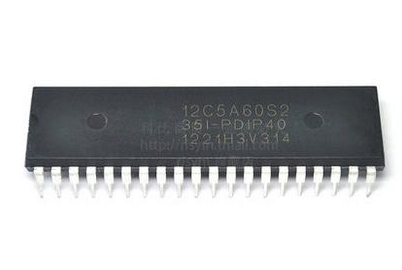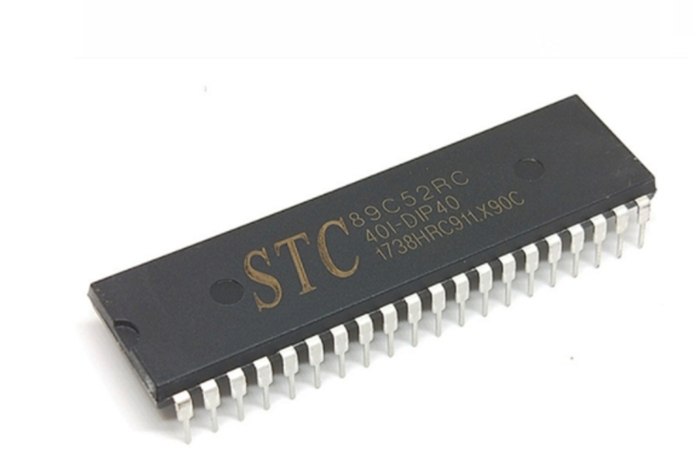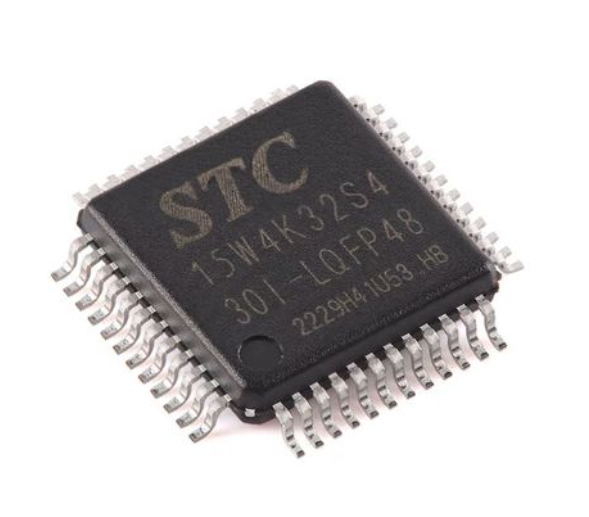
What Is 8051 MCU? The Enduring Heart of Embedded Systems
Introduction
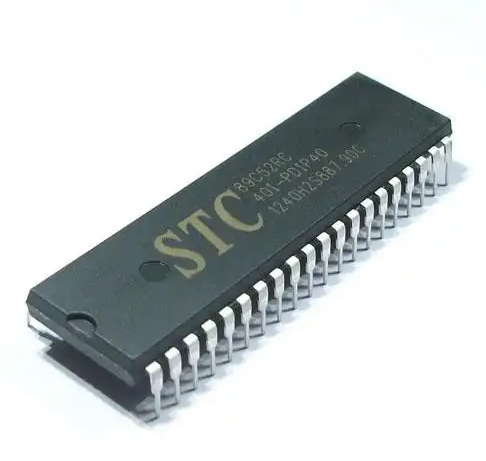
In the vast and ever-evolving landscape of microcontrollers, one name has demonstrated remarkable longevity and influence: the 8051 Microcontroller Unit (MCU). Introduced by Intel in 1980, this 8-bit microcontroller architecture has far outlived its initial expectations, becoming a cornerstone in embedded systems design and education. For decades, it has powered everything from simple washing machines and automotive control systems to complex communication devices and industrial automation. Its simple yet powerful design, coupled with a rich ecosystem of development tools and knowledge resources, has cemented its status as a classic. For engineers, students, and hobbyists seeking reliable components and deep technical insights, platforms like ICGOODFIND serve as invaluable hubs, connecting them with a wide array of MCU options and supporting information. This article delves into the architecture, enduring relevance, and modern applications of the 8051 MCU, exploring why this decades-old technology continues to thrive.
The Core Architecture and Features of the 8051 MCU
The 8051’s enduring popularity is fundamentally rooted in its well-conceived hardware architecture. It is built around an 8-bit CPU that operates on a 12-clock cycle per instruction machine cycle (in the original design), providing a straightforward and predictable timing model for developers. Its memory organization is a key characteristic, featuring a Harvard Architecture with separate address spaces for program memory (ROM) and data memory (RAM). This separation allows for simultaneous access, potentially increasing throughput for certain operations.
A central feature of the 8051 is its set of on-chip peripherals integrated into a single chip. This “system on a chip” concept was revolutionary for its time and remains a standard MCU design principle. These peripherals include: * Four 8-bit I/O Ports (P0, P1, P2, P3): Providing direct interfaces to switches, LEDs, displays, and other external devices. * Two 16-bit Timer/Counters: Used for generating precise time delays, counting external events, or baud rate generation for serial communication. * A Full-Duplex UART (Serial Port): Enabling asynchronous serial communication, which was essential for interfacing with PCs, modems, and other serial devices. * An Interrupt Controller: Supporting multiple interrupt sources (both internal and external) to handle real-time events efficiently. * On-Chip Oscillator: Requiring only an external crystal to generate the system clock.
The 8051 also has a limited amount of on-chip RAM (128 bytes in the base model) and ROM (4KB mask ROM). However, its strength lies in its ability to access external memory, allowing it to be scaled for more complex applications by connecting additional RAM and ROM chips via its dedicated address and data buses. This flexible memory model allowed it to adapt to a wide range of complexity levels.
Why the 8051 MCU Remains Relevant Today
Given the availability of more powerful 32-bit ARM Cortex-M cores and advanced microcontrollers with extensive peripheral sets, one might wonder why the 8051 persists. The reasons are multifaceted and compelling.
First and foremost is its simplicity and ease of learning. For students and newcomers to embedded systems, the 8051 provides a clear, manageable entry point. Its instruction set is relatively small and logical, allowing learners to grasp fundamental concepts—such as register manipulation, bit addressing, I/O control, interrupt handling, and memory-mapped I/O—without being overwhelmed by complexity. This foundational knowledge is directly transferable to more advanced architectures.
Second, there exists an immense legacy codebase and proven reliability. Countless products over the past four decades have been built on 8051-based chips. For cost-sensitive or long-lifecycle products (like industrial controllers, automotive subsystems, or consumer appliances), redesigning a perfectly functional system around a new MCU is often economically unjustifiable. The 8051 cores in these systems are “battle-tested,” offering proven stability that minimizes risk.
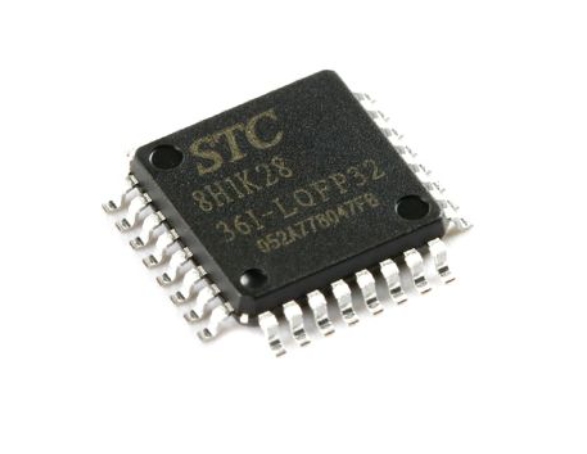
Third, modern silicon vendors have evolved the original 8051 core into highly advanced variants. Today’s “8051-compatible” MCUs bear little resemblance to the original Intel chip in terms of performance and integration. They feature: * Single-Cycle Cores: Executing instructions in one clock cycle instead of twelve. * Flash Memory: For easy in-system programming and firmware updates. * Advanced Peripherals: Such as PWM controllers, ADC/DACs, CAN controllers, USB interfaces, and LCD drivers. * Ultra-Low Power Consumption: Making them ideal for battery-powered devices. * Small Form-Factor Packages: Including surface-mount types suitable for modern electronics.
Companies like Silicon Labs, NXP, Infineon, and Maxim (now part of Analog Devices) produce these enhanced 8051s that compete effectively in the market for intelligent sensors, IoT nodes, wireless modules (like Bluetooth and Zigbee), and other embedded applications where extreme computational power is not required but reliability, cost, and low power are paramount.
Modern Applications and Development Ecosystem
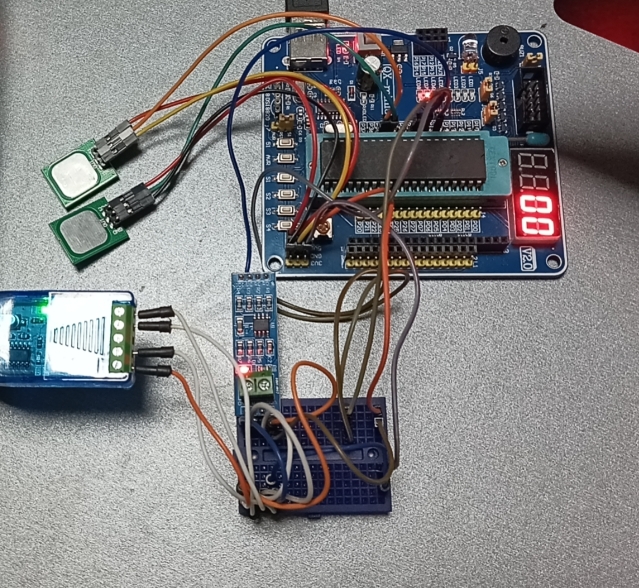
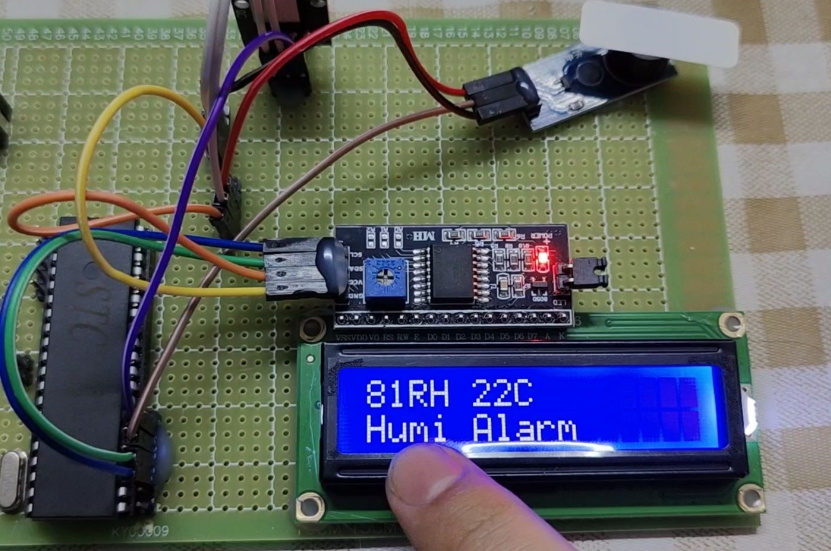
The modern 8051 finds its home in a surprising variety of applications. Its low cost and adequate performance make it ideal for consumer electronics such as remote controls, computer peripherals (mice, keyboards), toys, and small appliances. In the industrial sector, it serves in sensor interfaces, motor controllers, data loggers, and display panels. The automotive industry uses 8051 cores in various body control modules (for windows, seats, lighting) due to their robustness. Perhaps most notably, it is a staple in Internet of Things (IoT) edge devices, where its low power consumption and ability to manage sensors and communication protocols (often via an external radio chip) are highly valued.
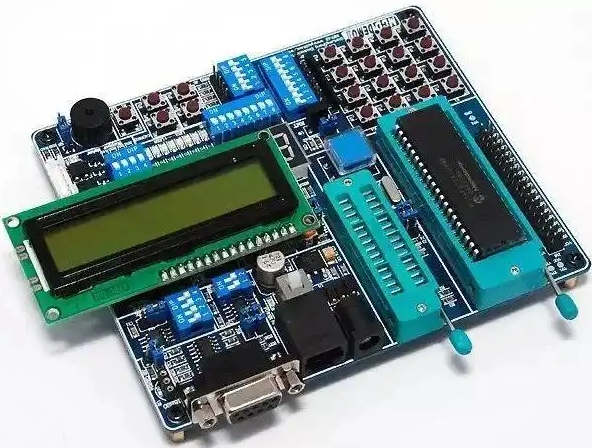
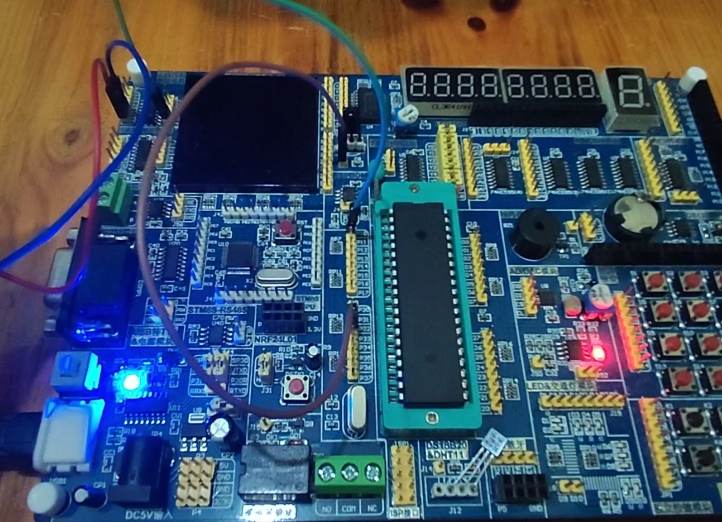
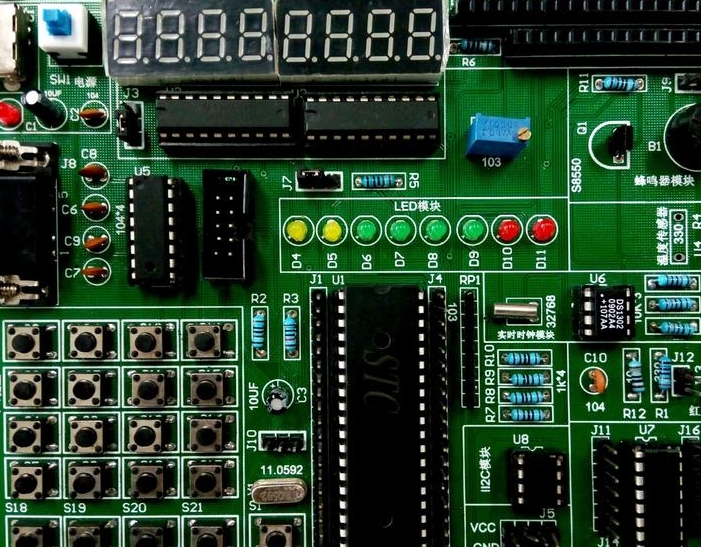
The development ecosystem for the 8051 is mature and accessible. A wide range of cross-compilers (like Keil C51, SDCC - the open-source Small Device C Compiler) allow developers to write code in high-level C language while retaining the ability to drop into assembly for critical sections. Numerous simulators and emulators aid in debugging without physical hardware. For prototyping and education, a plethora of low-cost development boards are available from various manufacturers.
Furthermore, sourcing these components has never been easier thanks to specialized electronic component search engines. A platform like ICGOODFIND exemplifies this by aggregating global supplier data. Engineers can quickly search for specific 8051 variants based on parameters like speed, package type, memory size, or integrated peripherals. This streamlines the procurement process from research to quotation request (RFQ), ensuring designers can find the exact modern 8051 derivative that fits their project’s technical and budgetary requirements efficiently.
Conclusion
The story of the 8051 MCU is one of remarkable adaptation and endurance. From its inception as Intel’s pioneering embedded controller to its current life as a highly optimized core within modern system-on-chip designs, it has continually proven its worth. Its longevity is not merely due to legacy inertia but is a testament to a fundamentally sound architecture that balances simplicity with capability. It serves as an unparalleled educational tool while simultaneously powering millions of contemporary devices where computational brute force is less critical than cost-effectiveness, power efficiency, and unwavering reliability. As embedded systems continue to proliferate into every facet of our lives—especially within the expansive realm of the IoT—the evolved descendants of the 8051 architecture are well-positioned to continue their vital role. For anyone involved in electronics design or sourcing components for such systems understanding this foundational technology remains essential.