Principle, Application and Technology of MCU: The Engine of Modern Intelligence
Introduction
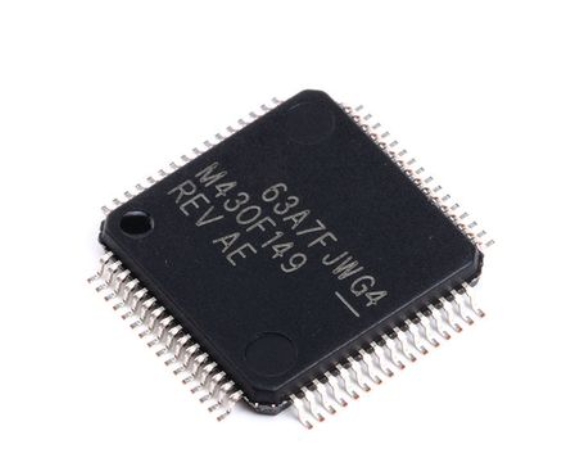
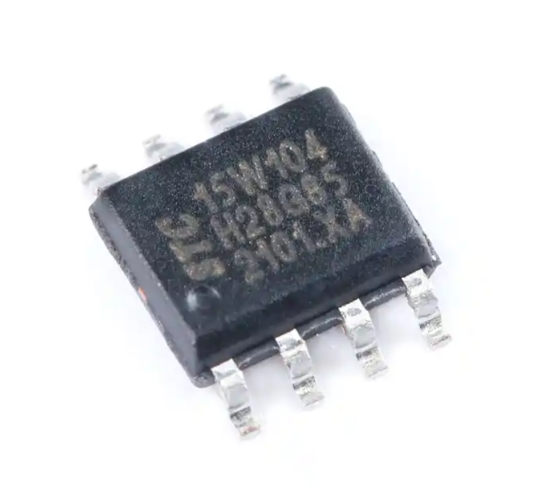
In the invisible fabric of our digital world, a silent workhorse powers everything from the humble coffee maker to the most advanced robotic systems. This ubiquitous component is the Microcontroller Unit (MCU). Often described as a “computer-on-a-chip,” the MCU integrates a processor core, memory, and programmable input/output peripherals onto a single integrated circuit. Its design philosophy centers on dedicated control for embedded applications, making it distinct from the general-purpose microprocessors found in personal computers. As we advance into an era dominated by the Internet of Things (IoT), artificial intelligence at the edge, and smart automation, understanding the core principles, diverse applications, and evolving technologies of MCUs becomes crucial. This article delves into these three pillars, exploring how these tiny chips form the foundational intelligence of modern electronic devices and highlighting resources for deeper exploration, such as those found at ICGOODFIND, a platform for electronic component sourcing and technical insights.
Main Body
Part 1: The Fundamental Principles of MCU Architecture
At its heart, an MCU is a self-contained system designed for specific control tasks. Its principle revolves around efficient, real-time data processing and response. The core architecture is built upon several key components working in unison.
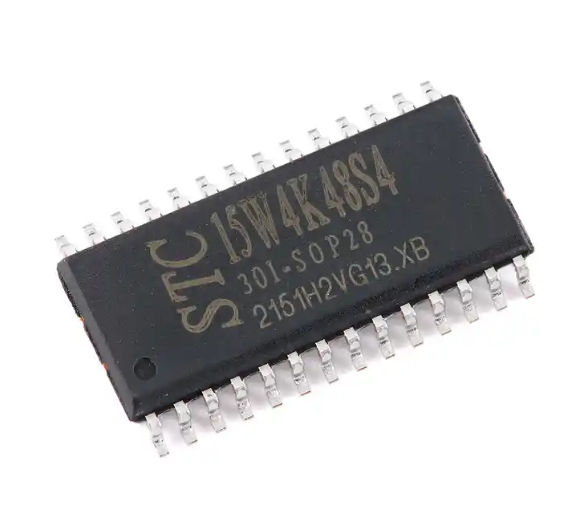
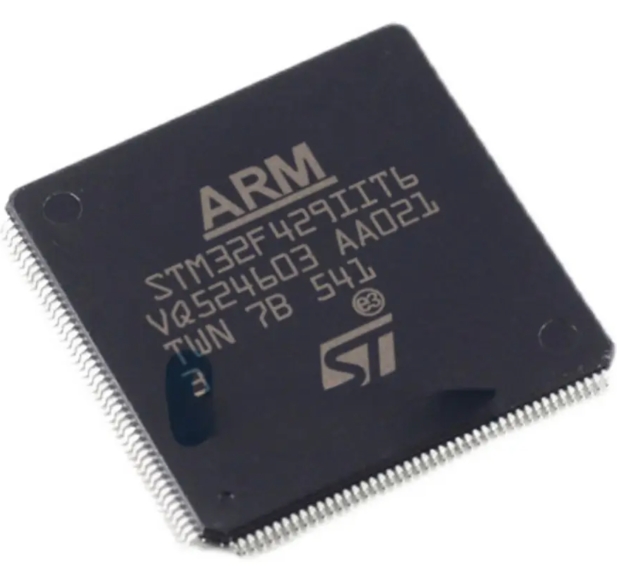
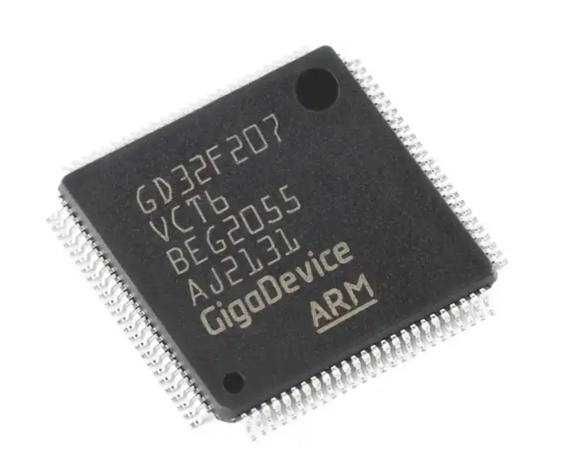
The Central Processing Unit (CPU) acts as the brain, executing instructions from the program memory. MCU CPUs range from simple 4-bit or 8-bit cores to powerful 32-bit and even 64-bit ARM Cortex-M cores, balancing processing power with power consumption.
Memory is bifurcated into two essential types: Flash/ROM for storing the firmware program and RAM for temporary data storage during operation. The non-volatile program memory ensures the MCU knows what to do when powered on, while RAM handles variables and system stack operations.
Programmable Input/Output (I/O) Ports are the MCU’s interface with the physical world. They can be configured as digital inputs to read switch states or sensor signals, or as digital outputs to control LEDs, motors, or relays. Advanced MCUs feature peripherals that make these I/O operations more efficient.
Critical Integrated Peripherals distinguish modern MCUs. These include: * Timers/Counters: For generating precise delays, measuring time intervals, or creating Pulse-Width Modulation (PWM) signals for motor control or dimming LEDs. * Analog-to-Digital Converters (ADC): Perhaps one of the most vital peripherals, ADCs allow the MCU to read real-world analog signals (like temperature or voltage) and convert them into digital values for processing. * Communication Interfaces: Serial protocols like UART (Universal Asynchronous Receiver-Transmitter), I2C (Inter-Integrated Circuit), and SPI (Serial Peripheral Interface) enable the MCU to communicate with other chips, sensors, displays, and network modules. * In-system Programmability: This principle allows developers to update firmware without removing the chip from the circuit, facilitating easy updates and bug fixes.
The overarching principle is integration and dedicated function. By bringing all these elements onto one chip, MCUs reduce cost, size, and power consumption while increasing reliability for embedded control—a concept known as embedded system design.
Part 2: Pervasive Applications Across Industries
The application scope of MCUs is virtually limitless, penetrating every sector of industry and consumer life. Their low cost, small form factor, and adaptability make them the default solution for embedded control.
In Consumer Electronics, MCUs are everywhere. They manage touch interfaces in smart home devices, control washing machine cycles, regulate temperature in air conditioners via sensor input, and drive the user interface on microwave ovens. In wearables like fitness trackers, low-power MCUs process data from accelerometers and heart rate sensors.
The Automotive Industry is a massive consumer of MCUs. A modern vehicle can contain over 50 to 100 MCUs. They control engine management units (ECU), anti-lock braking systems (ABS), airbag deployment, infotainment systems, power windows, and advanced driver-assistance systems (ADAS). The trend towards electric vehicles (EVs) and autonomous driving is pushing MCU performance requirements even higher.
Industrial Automation and Control rely heavily on robust MCUs. They serve as programmable logic controllers (PLCs) in factories, manage motor drives in conveyor systems, monitor environmental conditions in industrial settings, and interface with Human-Machine Interfaces (HMIs). Their reliability in harsh environments is critical.
The Internet of Things (IoT) represents the fastest-growing application field. MCUs form the “thing” in IoT, collecting sensor data (via ADCs), processing it locally (edge computing), and communicating it to the cloud via integrated Wi-Fi, Bluetooth Low Energy (BLE), or LoRa modules. This enables smart agriculture, asset tracking, smart city infrastructure, and connected health devices.
Medical Devices utilize MCUs for precision and safety. They are found in portable glucose monitors, infusion pumps, digital thermometers, and complex imaging equipment. Here, features like low-power operation for battery life and high-accuracy ADCs are paramount.
For engineers sourcing components for these diverse applications, platforms like ICGOODFIND can be invaluable for finding the right MCU with specific peripherals, performance characteristics, and package sizes to match precise project requirements.
Part 3: Evolving Technologies and Future Trends
MCU technology is not static; it continuously evolves to meet new challenges in connectivity, intelligence, security, and efficiency.
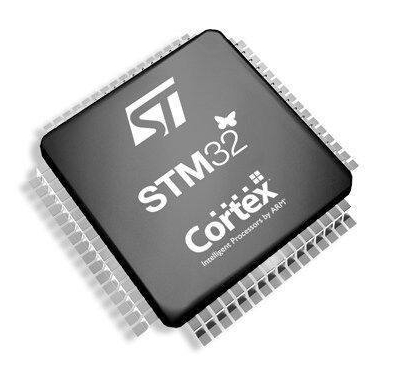
Advanced Core Technologies: The shift from proprietary 8-bit cores to 32-bit ARM Cortex-M cores has become mainstream, offering a powerful yet power-efficient standard architecture with vast software ecosystem support. For ultra-low-power applications, RISC-V architecture is emerging as an open-source alternative.
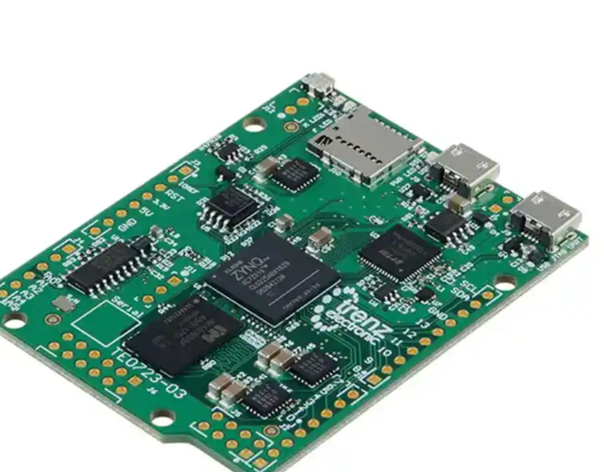
Enhanced Integration and System-on-Chip (SoC) Trends: Modern MCUs are increasingly becoming more integrated SoCs. It’s now common to find MCUs with built-in wireless connectivity stacks (Wi-Fi/BLE/Sub-GHz), cryptographic accelerators for security, advanced graphics processors for TFT displays, and even dedicated AI accelerators or DSP extensions for machine learning tasks at the edge.
Focus on Ultra-Low-Power (ULP) Design: As battery-powered IoT devices proliferate, MCU technology emphasizes ULP operation. This involves sophisticated power management units (PMUs), multiple low-power sleep modes (deep sleep where current draw drops to microamps), and rapid wake-up times to maximize battery life from months to years.
Strengthened Hardware Security Features: With increased connectivity comes greater vulnerability. Next-generation MCUs incorporate hardware-based security features like secure bootloaders, true random number generators (TRNG), cryptographic co-processors (AES-256), and secure key storage to protect intellectual property and device integrity from cyber-attacks.
AI at the Edge: A significant technological frontier is embedding machine learning capabilities directly into MCUs. Through optimized instruction sets (e.g., ARM Helium technology) or tinyML frameworks that run neural networks on resource-constrained devices, MCUs can now perform tasks like voice recognition, predictive maintenance analytics, and anomaly detection without relying on cloud connectivity.
These technological advancements ensure that MCUs will remain at the forefront of innovation. Staying updated on these trends through industry resources—including technical documentation available through distributors like ICGOODFIND—is essential for developers designing next-generation products.

Conclusion
From their foundational principle as an integrated control system to their staggering array of applications that touch every aspect of modern life, Microcontroller Units are undeniably one of the most transformative technologies of our time. They have democratized intelligence, allowing everyday objects to sense, compute, and act autonomously. The ongoing technological evolution—driven by demands for connectivity, edge intelligence, impenetrable security, and minimal power consumption—ensures that MCUs will continue to be the critical enablers of future innovations in IoT Industry 4.0 smart cities and beyond For anyone involved in electronics design understanding the interplay between MCU principles applications and cutting-edge technology is not just an academic exercise but a practical necessity for building the intelligent systems of tomorrow