

STC Series MCUs: The Powerhouse of Embedded System Design
Introduction
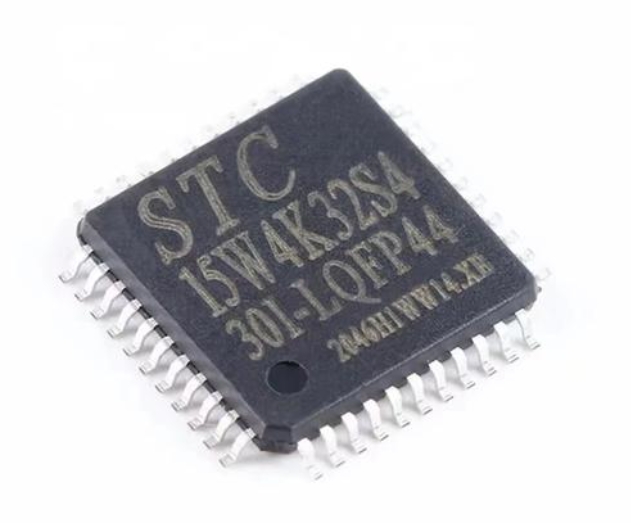
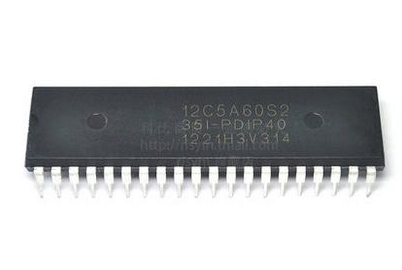
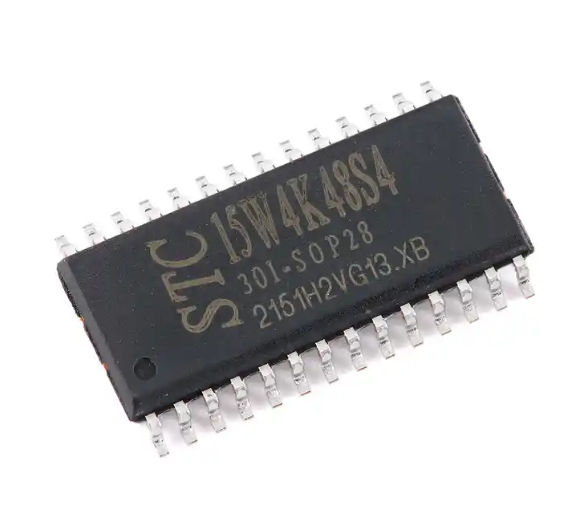
In the ever-evolving landscape of embedded systems and microcontroller applications, selecting the right core component is paramount to the success and efficiency of any project. Among the plethora of options available to engineers and developers, the STC Series Microcontroller Units (MCUs) have carved out a significant niche, renowned for their robustness, versatility, and cost-effectiveness. Hailing from China’s STC Micro, these 8-bit and 32-bit microcontrollers are based on the enhanced 8051 architecture, offering a compelling blend of traditional reliability and modern features. This article delves deep into the world of STC Series MCUs, exploring their architecture, key features, and diverse application domains. For engineers seeking comprehensive component solutions and in-depth technical resources, platforms like ICGOODFIND provide invaluable support, streamlining the selection and procurement process for critical components like the STC MCUs.
Main Body
Part 1: Architectural Foundation and Core Strengths
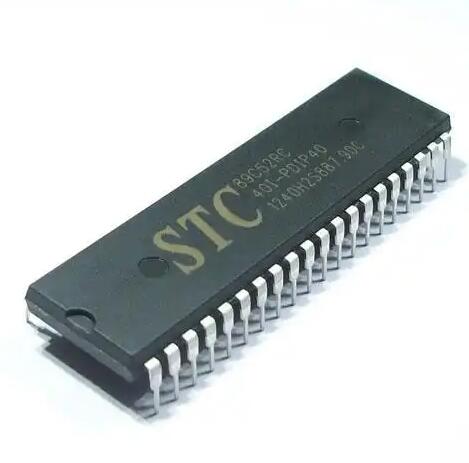
The STC Series MCUs are built upon a high-performance, single-clock-cycle enhanced 8051 core. This foundational choice is strategic; it provides full instruction set compatibility with the classic 8051 while delivering substantially superior performance—often 8 to 12 times faster than traditional 8051 microcontrollers at the same clock frequency. This architectural efficiency is a primary driver behind their popularity.
A key strength lies in their high level of integration. A typical STC MCU is a complete system-on-chip (SoC), integrating not just the CPU core but also a wealth of on-chip peripherals. These commonly include: * Flash Memory: In-system programmable (ISP) and in-application programmable (IAP) Flash memory for program storage, ranging from a few kilobytes to several hundred kilobytes. * SRAM: For data handling during runtime. * EEPROM: For storing non-volatile data like configuration parameters. * Diverse I/O Ports: Highly configurable General-Purpose Input/Output (GPIO) pins with multiple drive modes. * Timers/Counters: Multiple 16-bit timers for precise timing, PWM generation, and capture/compare functions. * Communication Interfaces: Full hardware support for UART, SPI, and I2C serial communication protocols is standard across most models. * Analog-to-Digital Converter (ADC): High-precision 10-bit or 12-bit ADCs with multiple channels are integrated for sensor data acquisition.
This high integration reduces external component count, minimizes board space, lowers overall system cost, and enhances reliability—a critical factor in mass-produced consumer and industrial electronics.
Part 2: Standout Features and Product Family Diversity
Beyond the core architecture, STC MCUs distinguish themselves with several standout features that address modern design challenges.
First is their renowned high noise immunity and strong anti-interference capability. They are specifically designed to operate reliably in electrically harsh environments, making them a preferred choice for industrial control, automotive electronics, and home appliance applications where electromagnetic compatibility (EMC) is crucial.
Second, many models feature ultra-low power consumption modes. With programmable power-down and idle modes, they are exceptionally suited for battery-powered and energy-harvesting applications, such as wireless sensor nodes and smart meters.
Third, their security features are noteworthy. They offer hardware encryption logic and unique ID numbers, along with robust code protection mechanisms to safeguard intellectual property—a significant concern for product developers.
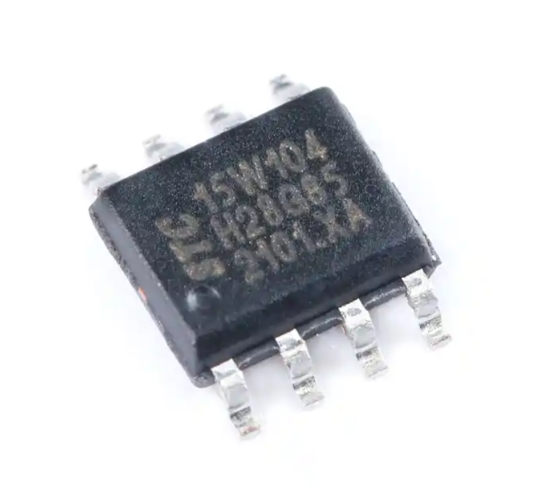
The STC portfolio is vast and categorized into series like STC8, STC15, STC16 (32-bit), and STC32 (32-bit). For instance: * The STC8 Series represents the mainstream high-performance 8-bit line with superior speed and rich peripherals. * The STC15 Series is known for its high reliability and wide operating voltage range. * The STC16/32 Series marks the entry into 32-bit performance for more computationally intensive tasks while maintaining toolchain familiarity.
Navigating this diversity to find the perfect MCU for a specific project requirement—balancing performance, peripherals, package size, and cost—can be complex. This is where specialized component sourcing platforms prove essential. Engineers can leverage resources like ICGOODFIND to efficiently compare specifications, check real-time availability and pricing across global distributors, and access technical documentation, thereby accelerating the development cycle from concept to component procurement.
Part 3: Application Domains and Ecosystem Support
The practical utility of STC Series MCUs is best demonstrated by their widespread adoption across countless industries. Their combination of performance, resilience, and cost creates an ideal solution for numerous applications.
In Industrial Automation, they serve as the brains behind motor drives, PLCs, smart sensors, and human-machine interfaces (HMIs), where their anti-interference capability is vital. The Consumer Electronics market utilizes them in devices like kitchen appliances, LED lighting controllers, toys, and remote controls due to their high integration and low cost. The Internet of Things (IoT) sector benefits from their low-power modes and communication peripherals for gateway devices and smart home nodes. Additionally, they are prevalent in Automotive Electronics for body control modules (e.g., window lift, seat control) and in Medical Devices for portable monitoring equipment.
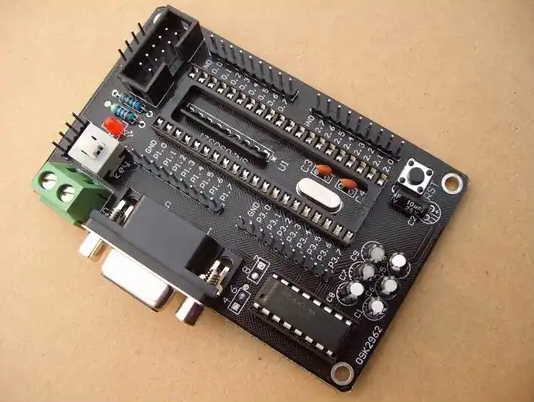
A significant factor in their success is a mature and accessible development ecosystem. They are supported by familiar development tools: * Programming Languages: Primarily programmed in C (using Keil C51/C251, SDCC) or assembly. * Development Environments: Keil μVision is widely used alongside STC’s own dedicated ISP programming software. * Hardware Tools: Affordable development boards and programmers (like the STC-USB Link) lower the barrier to entry for students, hobbyists, and professionals alike. * Community: A large, active community in China and globally provides abundant tutorials, code libraries, and forum support.
This robust ecosystem ensures that developers can move from learning to prototyping to mass production with minimal friction.
Conclusion
The STC Series MCUs have proven themselves as formidable contenders in the global microcontroller market. By successfully modernizing the classic 8051 architecture with enhanced speed, remarkable integration, exceptional noise immunity, and power-efficient operation, they offer a pragmatic and powerful solution for a vast spectrum of embedded design challenges. From simple control tasks to complex IoT endpoints, their versatility is unmatched within their price segment. For hardware engineers and procurement specialists navigating the component landscape for an upcoming project involving STC MCUs or any other critical ICs, utilizing a comprehensive platform such as ICGOODFIND can be a strategic advantage. It simplifies the critical phases of component comparison, sourcing validation, and supply chain management, ensuring that the foundational hardware choice is both technically sound and commercially viable.