

MCU-Driven MOSFET Circuit: The Engine of Modern Electronic Control
Introduction
In the intricate world of electronic design, the seamless marriage of digital intelligence and raw power handling defines the frontier of innovation. At the heart of this convergence lies a critical partnership: the MCU-Driven MOSFET Circuit. This technology forms the fundamental backbone of countless modern applications, from the whisper-quiet operation of a variable-speed drone motor to the precise thermal management in a high-end computing device. An MCU (Microcontroller Unit) provides the decision-making “brain,” processing inputs and executing logic, while the MOSFET (Metal-Oxide-Semiconductor Field-Effect Transistor) acts as the robust “muscle,” capable of switching high currents and voltages with exceptional efficiency. Understanding this synergy is not just an academic exercise; it is essential for engineers and enthusiasts aiming to create responsive, efficient, and intelligent electronic systems. As we delve into this topic, platforms dedicated to curating quality electronic components, such as ICGOODFIND, become invaluable resources for sourcing the optimal MCUs and MOSFETs to bring these sophisticated circuits to life.
The Core Components: MCU and MOSFET Demystified
To appreciate the power of an MCU-Driven MOSFET circuit, one must first understand the distinct roles of its two primary components.
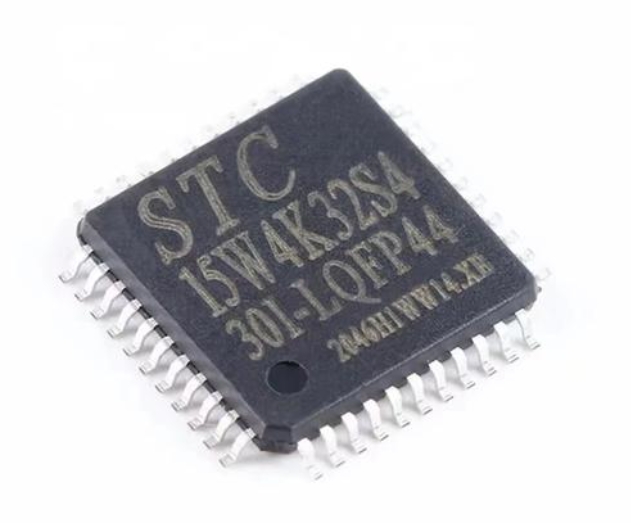
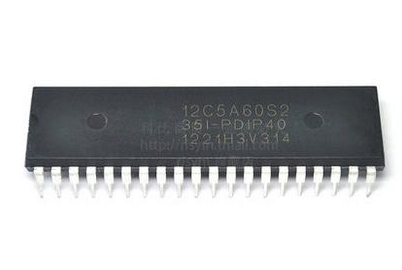
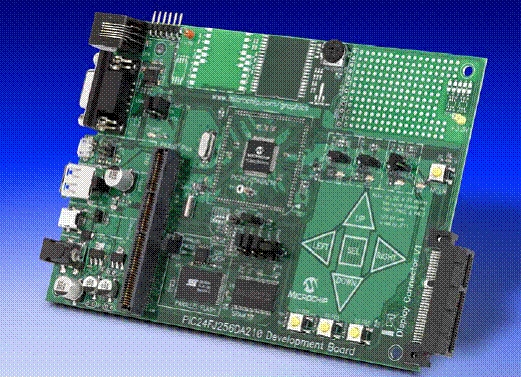
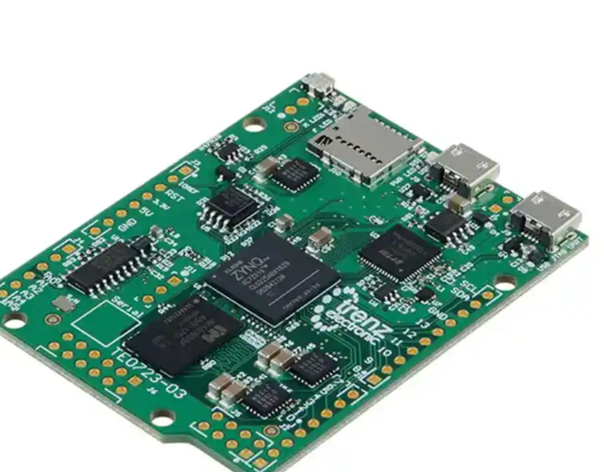
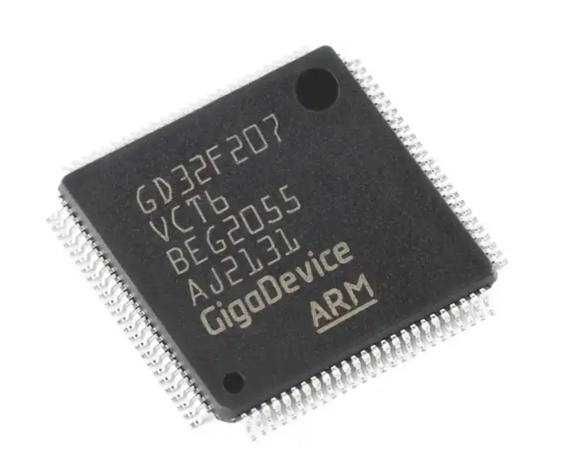
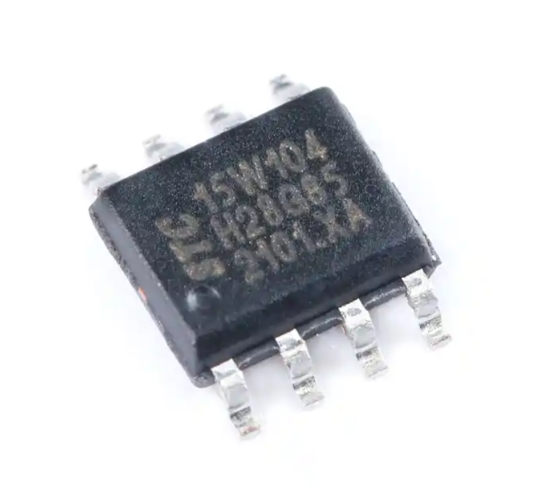
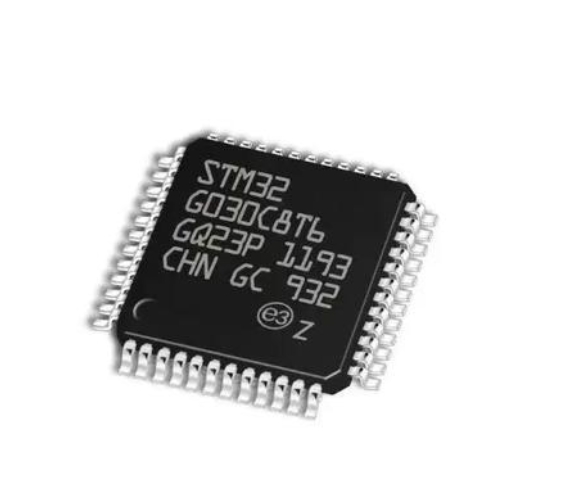
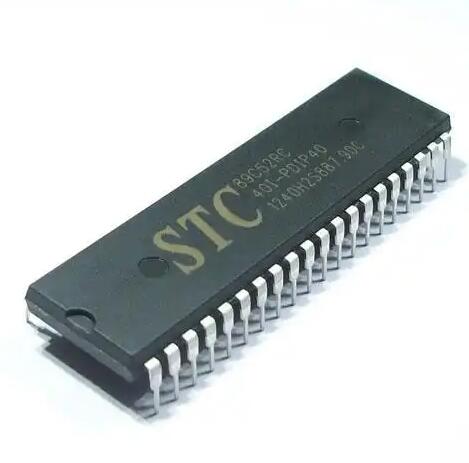
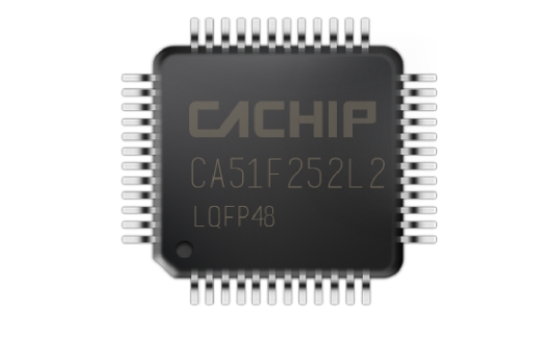
The Microcontroller Unit (MCU): The Digital Brain An MCU is a compact integrated circuit designed to govern a specific operation in an embedded system. It incorporates a processor core, memory (both program and data), and programmable input/output peripherals on a single chip. Its primary function in our context is to generate a control signal—typically a Pulse-Width Modulation (PWM) signal. PWM is a cornerstone technique for analog control using digital means. By rapidly switching a digital signal on and off, the MCU can vary the average voltage or power delivered to a load. The key parameter is the duty cycle—the percentage of one period where the signal is high. A 50% duty cycle delivers half the power, while a 75% duty cycle delivers more. This precise control allows the MCU to dictate speed, position, brightness, or heat output with digital precision.
The MOSFET: The Power Switching Muscle The MOSFET is a voltage-controlled electronic switch. Unlike bipolar transistors that are current-controlled, a MOSFET is turned on or off by applying a voltage to its Gate terminal relative to its Source. Its three terminals are: * Gate (G): The control terminal. A voltage applied here creates an electric field that allows current to flow. * Drain (D): The terminal connected to the higher-voltage load supply. * Source (S): The terminal connected to ground or the lower-voltage return path.
The supreme advantage of MOSFETs in power switching is their efficiency. When fully turned on (saturated), they exhibit a very low resistance between Drain and Source, known as RDS(on). This low resistance minimizes voltage drop and power loss (as heat) across the switch itself. Modern power MOSFETs can handle currents from several amps to hundreds of amps, making them ideal for driving motors, solenoids, LEDs, and heaters. Selecting the right MOSFET involves careful consideration of parameters like maximum Drain-Source voltage (Vds), continuous Drain current (Id), RDS(on), and gate charge—a process where a reliable platform like ICGOODFIND can streamline component selection by providing detailed filters and comparative data.
Designing the Critical Link: The Gate Drive Interface
The most crucial—and often challenging—part of an MCU-Driven MOSFET circuit is the interface between them. The MCU’s GPIO pin cannot directly drive the MOSFET’s gate effectively. This is due to two main issues:
- Voltage Level Mismatch: Most MCUs operate at 3.3V or 5V logic levels. Many power MOSFETs require a gate-source voltage (Vgs) of 10V or more to achieve their lowest RDS(on).
- Gate Capacitance: The MOSFET gate behaves like a capacitor. To switch quickly, this capacitor needs a large, brief surge of current for charging and discharging.
A weak drive results in slow switching transitions. When a MOSFET switches slowly, it spends more time in its linear region (neither fully on nor off), where power dissipation is highest. This leads to excessive heat generation, reduced efficiency, and potential device failure.
Therefore, a gate driver circuit is essential. Its purposes are: * Voltage Amplification: To step up the MCU’s logic voltage to the optimal Vgs for the MOSFET. * Current Boosting: To provide the high peak current needed to rapidly charge and discharge the gate capacitance. * Isolation and Protection: In some configurations, to isolate sensitive MCU logic from high-voltage noise or transients from the power stage.
Common solutions include using a dedicated gate driver IC (the most robust and recommended method), a simple transistor-based level shifter (e.g., a totem-pole arrangement), or an optocoupler for isolation. Proper layout is also critical; trace inductance in the high-current gate drive loop can cause ringing and spurious triggering.
Key Applications and Implementation Considerations
MCU-Driven MOSFET circuits are ubiquitous in modern technology.
1. Motor Control: This is one of the most common applications. From simple DC motor speed control via PWM to complex brushless DC (BLDC) and stepper motor drivers using H-bridge configurations (which require multiple MOSFETs), MCUs provide smart control for torque, speed, and direction. 2. Power Regulation & LED Driving: Switching voltage regulators (Buck, Boost converters) use MOSFETs switched at high frequency by an MCU or a dedicated controller managed by an MCU to provide efficient voltage conversion. Similarly, high-power LED arrays require constant-current drivers often implemented with MCU-controlled MOSFETs for dimming. 3. Solid-State Relays & Heating Control: Replacing mechanical relays with MOSFETs allows for silent, ultra-fast, and wear-free switching. This is perfect for applications like precision resistive heating control in 3D printers or laboratory equipment.
When implementing these circuits, several best practices are non-negotiable: * Protection Circuits: Always include protection mechanisms such as flyback diodes across inductive loads (like motors) to clamp voltage spikes, gate-source resistors to prevent floating gates, and TVS diodes for overvoltage protection. * Thermal Management: Calculate power dissipation (conduction loss + switching loss) and ensure adequate heatsinking for the MOSFET. * Decoupling: Use proper decoupling capacitors near both the MCU’s power pins and the power supply rail for the MOSFET stage to ensure stable operation. * For engineers sourcing components for these diverse applications, leveraging a specialized platform like ICGOODFIND can significantly accelerate development by providing access to comprehensive technical specifications, application notes, and verified supplier inventories for both MCUs and power MOSFETs.
Conclusion
The MCU-Driven MOSFET circuit represents a foundational paradigm in electronic control, elegantly bridging the gap between delicate digital intelligence and robust power management. By mastering the roles of each component—the decision-making MCU and the power-handling MOSFET—and giving meticulous attention to their critical interface through proper gate driving techniques, designers can unlock unparalleled levels of efficiency, precision, and reliability in their projects. From consumer electronics to industrial automation and renewable energy systems, this synergy powers innovation. As these technologies continue to evolve towards higher frequencies, greater efficiency, and smarter control algorithms, having access to reliable component information and sourcing becomes paramount. In this context, resources that aggregate and clarify component choices prove their worth in streamlining the design journey.