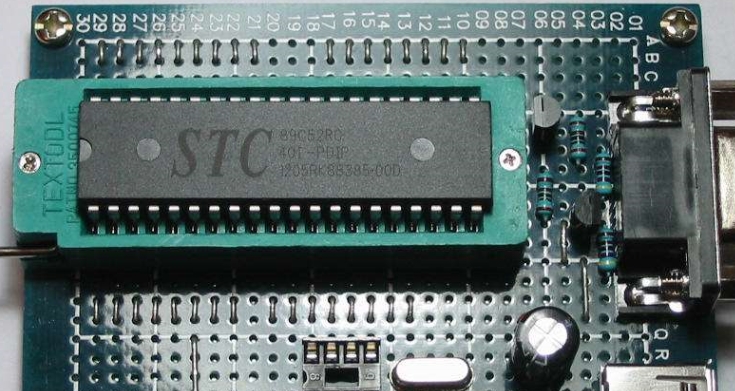
Characteristics of 8051 MCU
Introduction
The 8051 microcontroller, introduced by Intel in 1980, stands as a cornerstone in the world of embedded systems. Despite the passage of decades and the emergence of more advanced microcontrollers, the 8051 architecture remains profoundly relevant, continuing to power a vast array of modern devices. Its enduring legacy is a testament to a well-thought-out design that struck a remarkable balance between performance, cost, and power consumption. For engineers, students, and electronics enthusiasts, understanding the fundamental characteristics of the 8051 MCU is not merely a historical exercise but a practical necessity. Its simple yet powerful instruction set, integrated peripherals, and versatile I/O capabilities provide a foundational framework for comprehending more complex microcontrollers. This article delves deep into the core features that have cemented the 8051’s place in electronics history, exploring its architectural blueprint, its rich set of integrated peripherals, and the key factors behind its remarkable longevity and adaptability in the fast-evolving tech landscape. For those seeking reliable components or deeper insights into such classic architectures, platforms like ICGOODFIND offer valuable resources and sourcing options to bring your embedded projects to life.
The Architectural Blueprint of the 8051 Microcontroller
The longevity and success of the 8051 can be directly attributed to its intelligent and efficient internal architecture. This Harvard architecture-based design separates the program and data memory, allowing for simultaneous access and improved execution speed. Let’s break down its core components to understand what makes it tick.
1. Central Processing Unit (CPU)
At the heart of the 8051 lies an 8-bit CPU, meaning it processes data in 8-bit chunks. This was the industry standard at the time and remains sufficient for a multitude of control-oriented applications. The CPU comprises an Arithmetic Logic Unit (ALU) responsible for performing mathematical and logical operations, and a set of registers for temporary data storage. The most critical of these are the Accumulator (A), the primary register for most operations, and the R0-R7 general-purpose registers, which are part of four register banks, allowing for efficient context switching during interrupt handling.
2. Memory Organization
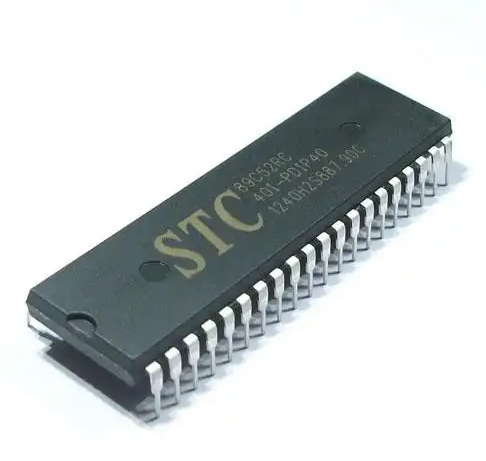
The 8051 features a distinct and somewhat unique memory structure. It has 4 KB of on-chip ROM (Program Memory) for storing the firmware or program code. While 4KB was standard in the original model, modern variants offer much larger capacities. For data storage, it includes 128 bytes of on-chip RAM (Data Memory). This RAM is further divided into sections: the lower 32 bytes are dedicated to the register banks and bit-addressable memory, while the upper 80 bytes are for general-purpose data storage and the stack. This efficient separation of program and data spaces is a hallmark of the Harvard architecture and prevents program code from being accidentally overwritten by data.
3. Input/Output Ports
One of the most practical characteristics for interfacing with the outside world is its four bidirectional 8-bit I/O ports (P0, P1, P2, and P3). These 32 I/O lines can be individually configured as inputs or outputs, providing immense flexibility for connecting sensors, actuators, displays, and other peripherals. Port 0 requires external pull-up resistors when used as an output, while Ports 1, 2, and 3 have internal pull-ups. Furthermore, Port 3 features multiplexed secondary functions for critical features like serial communication (TXD, RXD), external interrupts (INT0, INT1), and timer/counter inputs (T0, T1), making it exceptionally versatile.
Integrated Peripherals: The Built-in Advantage
Beyond its core computational unit, the 8051’s integration of various peripherals on a single chip was a revolutionary concept that reduced system cost and complexity. This “System-on-a-Chip” approach meant that designers often did not need external components for common tasks.
1. Timers and Counters
The 8051 is equipped with two 16-bit timers/counters (Timer 0 and Timer 1). These are incredibly versatile modules that can be programmed to operate in different modes. As timers, they increment at a rate derived from the system clock, used to generate precise delays or measure time intervals. As counters, they increment in response to a falling edge on an external pin, useful for counting external events like pulses from an encoder. The ability to generate baud rates for serial communication is another critical function of these timers.
2. Serial Communication Interface (UART)
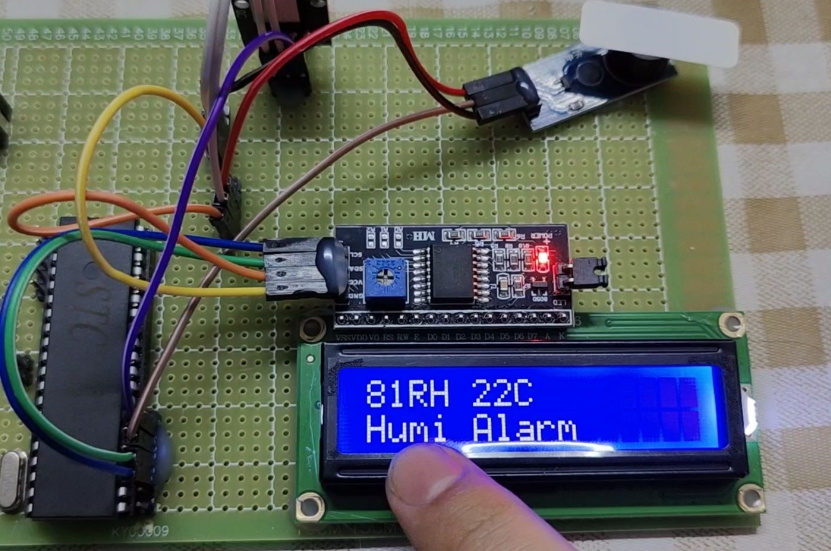
The inclusion of a full-duplex UART (Universal Asynchronous Receiver/Transmitter) was a significant feature. It allows the 8051 to communicate serially with other microcontrollers, computers, or peripheral devices like GPS modules and Bluetooth adapters. It can be configured for various baud rates and data formats (8 or 9 bits), enabling seamless data exchange over a simple two-wire connection (plus ground). This built-in capability eliminated the need for an external UART chip, simplifying board design.
3. Interrupt System
For responsive embedded systems, handling external events promptly is crucial. The 8051 incorporates a simple yet powerful interrupt system with five interrupt sources. These include two external hardware interrupts (INT0 and INT1), two timer interrupts (TF0 and TF1), and one serial port interrupt (RI/TI). When an interrupt occurs, the main program execution is temporarily halted, and the processor jumps to a specific memory location to execute an Interrupt Service Routine (ISR). This allows the MCU to react in real-time to critical events without constant polling.
The Enduring Legacy and Modern Adaptations
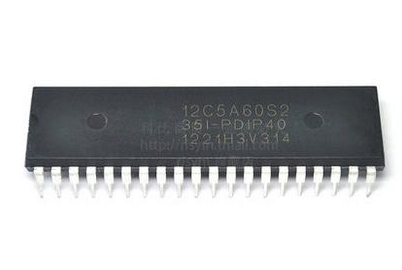
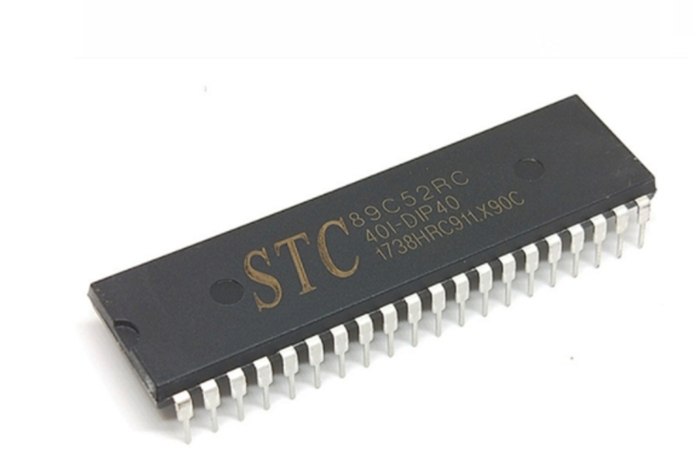
The original Intel 8051 is no longer in production, but its instruction set architecture (ISA) has become an industry standard licensed to hundreds of manufacturers. This has led to a vast family of “8051-compatible” microcontrollers that preserve the core characteristics while dramatically enhancing them.
1. Low Power Consumption
Many modern derivatives are designed with power efficiency as a top priority. Devices featuring low-power idle and power-down modes are widely available. In power-down mode, the core CPU is shut down, reducing power consumption to mere microamps while retaining the contents of the RAM. This makes modern 8051 variants ideal for battery-powered and portable applications where energy efficiency is paramount.
2. Enhanced Feature Sets
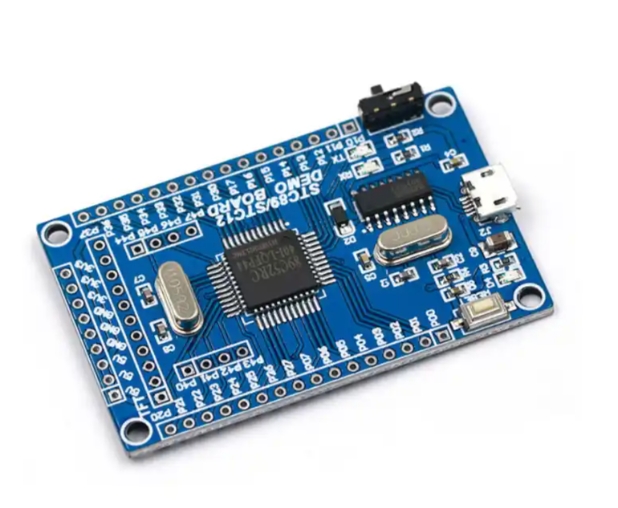
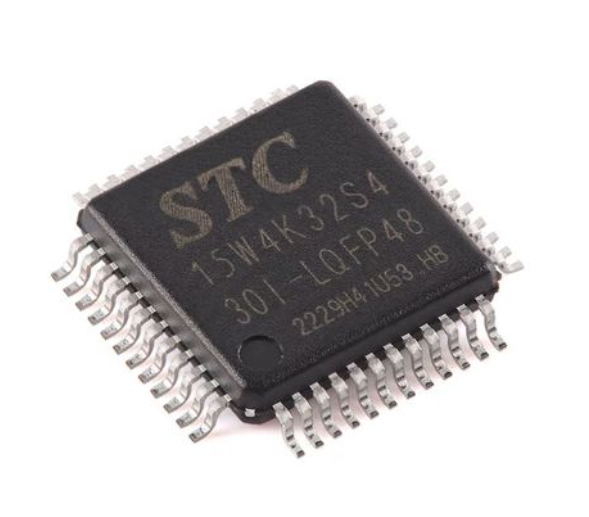
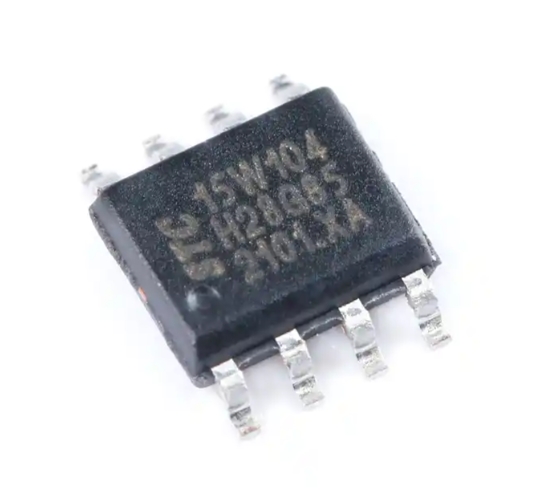
While retaining software compatibility, manufacturers have created variants with vastly improved specifications. It is now common to find 8051-core MCUs with in-system programmable (ISP) flash memory instead of ROM, allowing for easy firmware updates without removing the chip from the circuit board. Other enhancements include more timers, a second UART, Integrated Analog-to-Digital Converters (ADC), Pulse-Width Modulation (PWM) modules, and watchdog timers for improved system reliability.
3. A Foundation for Learning and Development
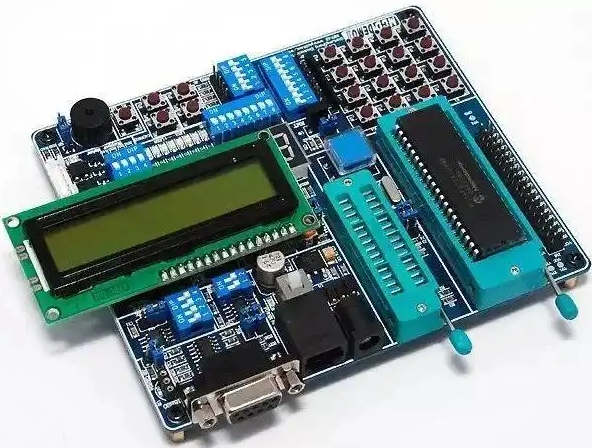
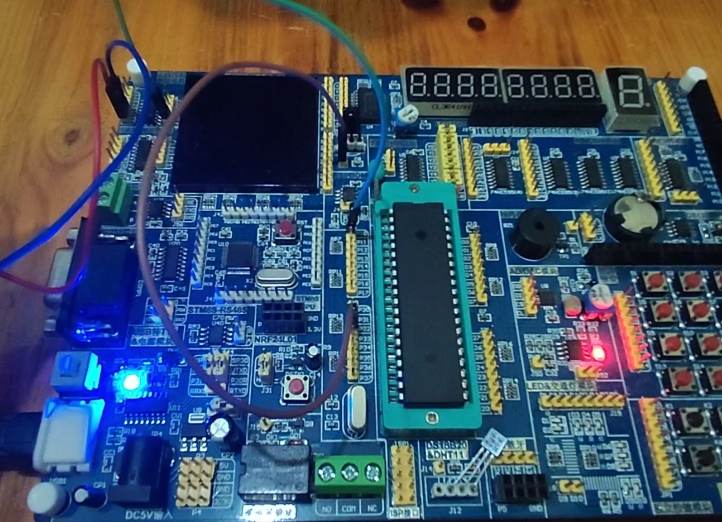
The simple architecture and straightforward instruction set of the 8051 make it an excellent educational tool. It provides a clear model for understanding fundamental microcontroller concepts like memory mapping, I/O control, interrupt handling, and timer operations before moving on to more complex architectures like ARM. Its prevalence ensures a wealth of learning resources, compilers, debuggers, and affordable development kits are available.
Conclusion
In summary, the characteristics of the 8051 MCU—its robust 8-bit CPU core, efficient Harvard architecture with separate memory spaces, versatile I/O ports with multiplexed functions, and integrated peripherals like timers, a UART, and an interrupt system—collectively forged a design of exceptional elegance and utility. Its evolution from a standard product to an enduring industry architecture demonstrates its foundational strength. Modern compatible versions have adeptly addressed initial limitations like limited memory and computational power by incorporating flash program memory, advanced peripherals like ADCs, and sophisticated power-saving modes. The 8051’s story is one of brilliant initial design followed by continuous adaptation. For engineers sourcing components for both legacy systems and new designs leveraging this timeless architecture, efficient component discovery platforms like ICGOODFIND are indispensable tools in the modern development ecosystem.