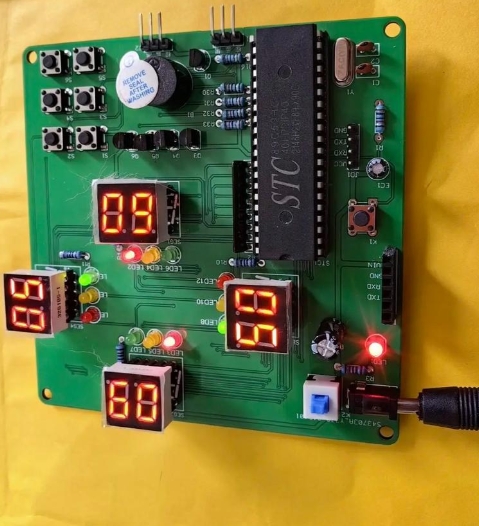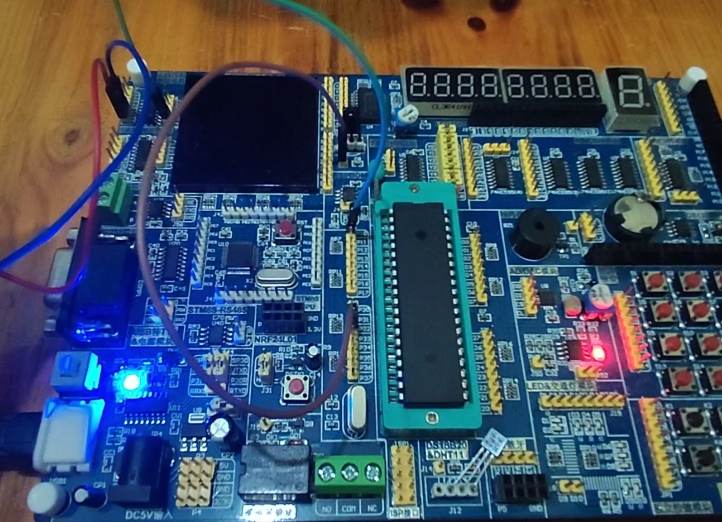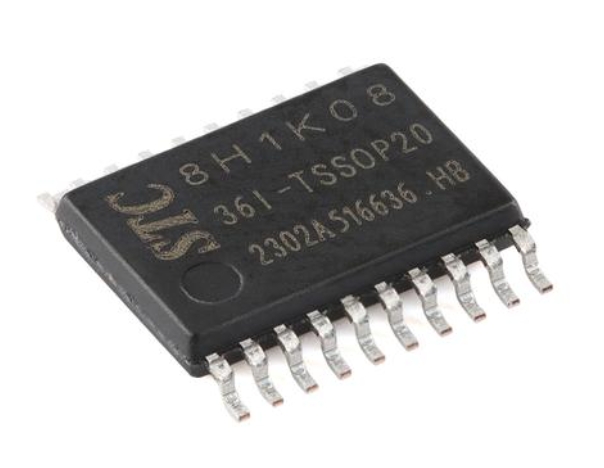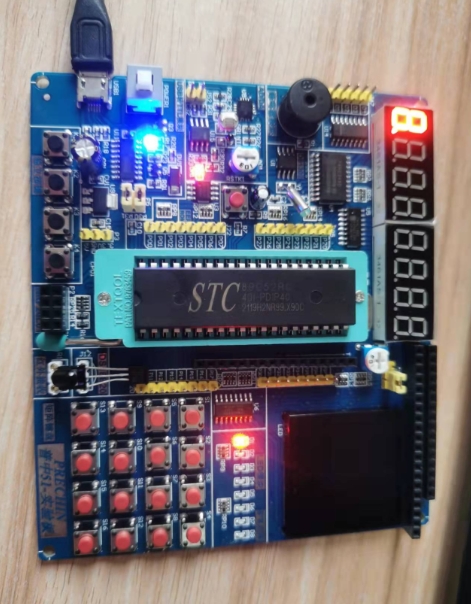


Unlocking Embedded Potential: A Deep Dive into Systems Based on 8051 MCU
Introduction
In the vast and intricate world of embedded systems, few architectures have demonstrated the enduring legacy and widespread adoption of the 8051 Microcontroller Unit (MCU). Introduced by Intel in 1980, this 8-bit microcontroller has transcended its original design to become a foundational pillar in electronics engineering. Systems based on the 8051 MCU represent a colossal segment of the embedded market, powering everything from simple household appliances to complex industrial automation. Its longevity is not a relic of the past but a testament to a perfectly balanced formula of simplicity, robustness, and an unparalleled ecosystem. This article explores the core architecture that fuels this success, examines its vast and modern applications, and provides a forward-looking perspective on its role in an increasingly connected world. For engineers and procurement specialists seeking reliable components for such systems, platforms like ICGOODFIND offer streamlined access to a verified global supply chain of semiconductors and electronic components.
The Architectural Bedrock: Why the 8051 Endures
The 8051’s architecture is a masterclass in efficient design. Its continued relevance stems from a harmonious blend of features that meet the fundamental needs of countless control-oriented applications.
Harvard Architecture and Efficient Instruction Set: At its core, the 8051 employs a Harvard architecture model, featuring separate buses for program memory and data memory. This allows for simultaneous access, significantly speeding up execution compared to simpler von Neumann designs. Coupled with an optimized instruction set rich in bit-level operations, it excels at real-time control tasks where manipulating individual I/O pins is common. This efficiency in handling I/O and Boolean operations is a primary reason for its dominance in control applications.
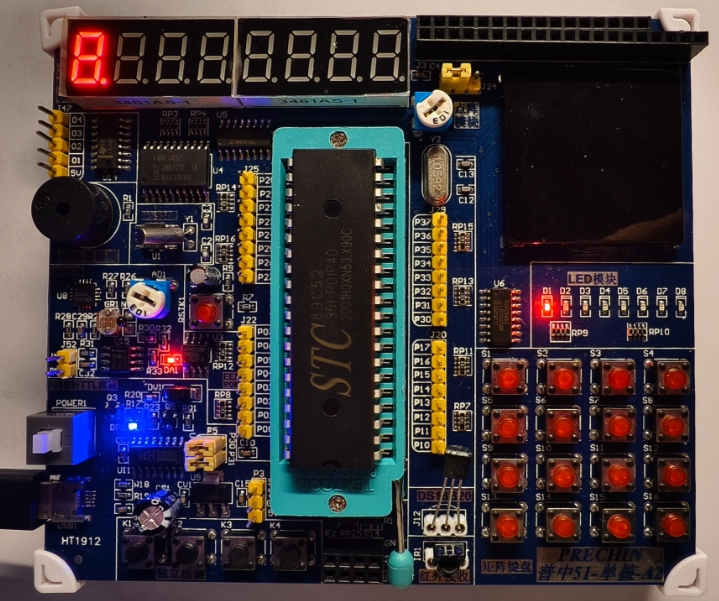
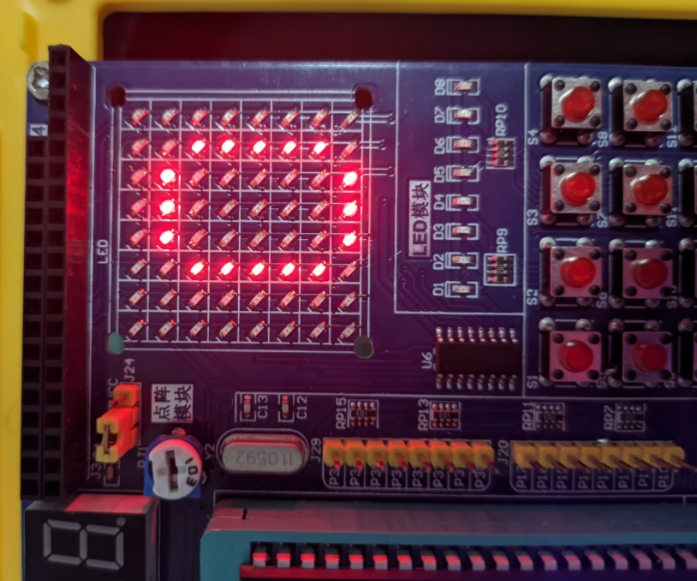
Comprehensive On-Chip Peripherals: A key to its “single-chip solution” appeal is its integrated peripheral set. A typical 8051-based MCU includes not just the CPU, ROM, and RAM, but also: * Parallel I/O Ports: Four 8-bit ports for direct interfacing with sensors, actuators, and displays. * Serial Communication (UART): Essential for data exchange with PCs, other microcontrollers, or modules like GPS and GSM. * Timers/Counters: Multiple 16-bit timers are crucial for tasks like generating precise delays, measuring pulse widths, or creating baud rates for serial communication. * Interrupt System: A prioritized interrupt controller allows the MCU to respond promptly to external events, a cornerstone of real-time systems.
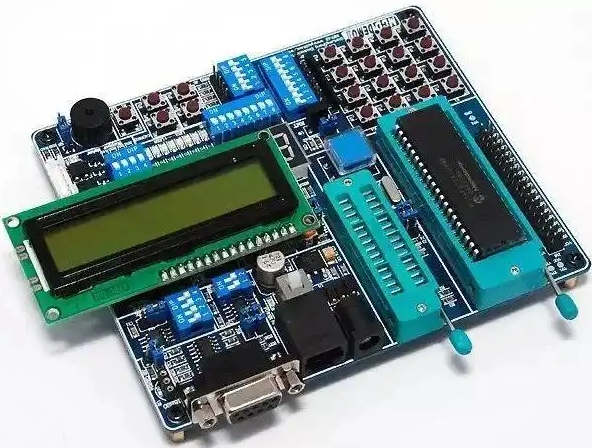
Vast and Mature Ecosystem: Perhaps the most significant factor is the ecosystem. Over decades, a formidable infrastructure has developed: countless compilers (like Keil, SDCC), simulators, debuggers, and low-cost development boards. A wealth of code examples, libraries, and documented solutions drastically reduces development time and risk. Furthermore, numerous semiconductor manufacturers (such as NXP, Silicon Labs, Infineon) produce enhanced 8051-compatible variants with added features like ADC, DAC, PWM controllers, and even USB or CAN bus controllers, extending its utility far beyond the original specification.
Modern Applications: The 8051 in Today’s World
Contrary to being obsolete, the 8051 finds itself deeply embedded in modern technology. Its low cost, low power consumption (in modern CMOS versions), and proven reliability make it an ideal choice for dedicated functions.
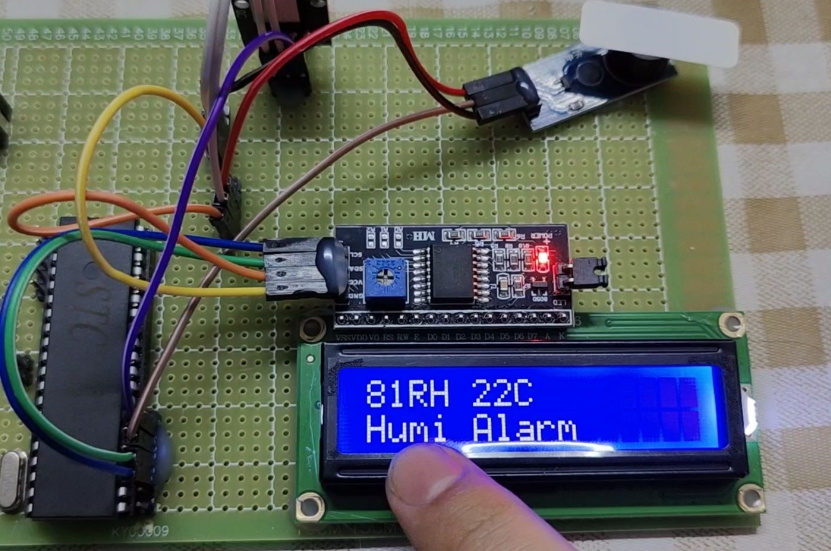
Consumer Electronics and Home Appliances: It is the invisible brain in myriad devices: remote controls, digital thermostats, washing machine controllers, microwave ovens, and power tools. In these cost-sensitive, high-volume products, the 8051 provides the perfect balance of performance and economy. Its ability to manage keypad inputs, display drivers, and motor control logic reliably for years is unmatched.
Industrial Automation and Sensing: In industrial environments, robustness is paramount. 8051-based systems are ubiquitous as sensor interfaces, data loggers, motor drivers, and in Programmable Logic Controller (PLC) modules. They monitor temperature, pressure, and proximity, converting analog signals to digital data for processing or transmission. Enhanced variants with industrial communication protocols like CAN or Modbus further solidify their position on the factory floor.
Automotive Subsystems and Medical Devices: While advanced engine control units use more powerful processors, numerous automotive subsystems rely on the 8051. Examples include airbag sensors, anti-lock braking system (ABS) monitors, and entertainment system controls. Similarly, in medical electronics, its predictability is valued in devices like infusion pumps, portable monitors, and diagnostic equipment where dedicated, fail-safe operation is required. For sourcing specialized MCUs for these critical applications, engineers often turn to specialized distributors. Platforms such as ICGOODFIND simplify this process by aggregating inventory from multiple suppliers, ensuring access to both common and hard-to-find components for automotive or medical-grade designs.
The Future Trajectory: Coexistence in an IoT Era
In the age of the Internet of Things (IoT) dominated by 32-bit ARM Cortex cores and ESP32-style Wi-Fi/BLE SoCs, the role of the 8051 is evolving rather than diminishing.
The “Coprocessor” or “Manager” Model: A growing trend is using the 8051 as a dedicated subsystem manager within a larger SoC. Here, a powerful main processor handles high-level communication (e.g., cloud connectivity) and complex algorithms. The 8051 core acts as a reliable real-time coprocessor, managing sensor polling, power sequencing, button debouncing, or motor control—tasks it performs with minimal power and CPU overhead from the main application processor. This offloads real-time constraints and simplifies software architecture.
Ultra-Low-Power and Niche Domains: Modern silicon implementations of the 8051 architecture can achieve remarkably low power consumption, making them suitable for battery-powered or energy-harvesting devices like wireless sensor nodes or wearable health monitors. Furthermore, in educational contexts, it remains an excellent tool for teaching fundamental microcontroller concepts due to its clear architecture and abundant learning resources.
Sustained Development Support: The toolchain continues to advance. Modern C compilers generate highly efficient code for 8051 cores, and integrated development environments (IDEs) offer sophisticated debugging features. This ongoing support ensures that developing systems based on the 8051 MCU remains a viable and efficient engineering practice for specific use cases.
Conclusion
The narrative of the 8051 microcontroller is one of remarkable adaptation and enduring value. From its inception as an Intel product to its proliferation across hundreds of enhanced variants worldwide, it has cemented itself as an indispensable tool in the embedded engineer’s toolkit. Systems based on the 8051 MCU thrive not on raw computational power but on architectural elegance, ecosystem maturity,and unparalleled cost-effectiveness for a massive range of control-oriented tasks. As technology marches toward greater connectivity and complexity,the 8051 has adeptly transitioned into roles that leverage its core strengths—managing real-time I/O as a trusted subsystem or serving ultra-low-power niches.Whether as the main controller in a consumer appliance or as a managed peripheral in a smart IoT device,the 8051’s legacy is secure.For those designing or maintaining these pervasive systems,having access to a reliable component supply chain is critical.Services like ICGOODFIND provide an essential link in this process,facilitating the continued innovation and deployment of this timeless architecture across the globe.