


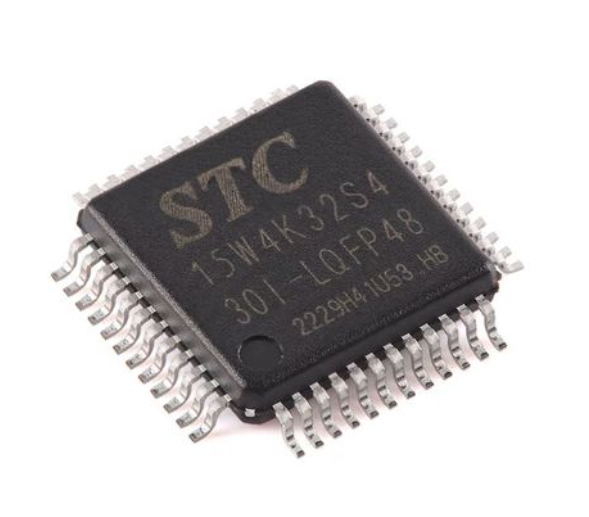
How Is Learning MCU? A Comprehensive Guide for Beginners
Introduction
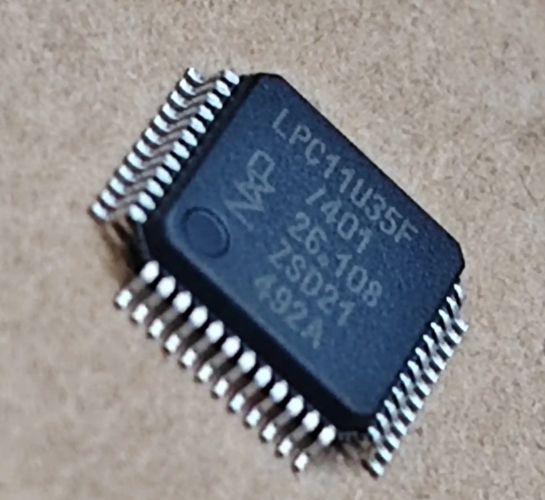
In the rapidly evolving world of technology, the term MCU, or Microcontroller Unit, has become a cornerstone of modern electronics. From the smart thermostat regulating your home’s temperature to the complex systems in automotive control units and wearable devices, MCUs are the silent, powerful brains behind countless innovations. For aspiring engineers, hobbyists, and tech enthusiasts, a common question arises: “How is learning MCU?” The journey is often described as challenging yet immensely rewarding, bridging the gap between abstract programming concepts and tangible, real-world applications. This article delves into the multifaceted experience of learning microcontroller programming, outlining its challenges, its profound rewards, and providing a structured path to mastery. Whether you aim to launch a career in embedded systems or simply bring your creative electronic projects to life, understanding the MCU landscape is an invaluable skill in today’s digital age.
The Learning Curve: Challenges and Initial Hurdles
Embarking on the path to learn MCU development is not without its obstacles. The initial phase can feel daunting, as it requires synthesizing knowledge from several distinct domains.
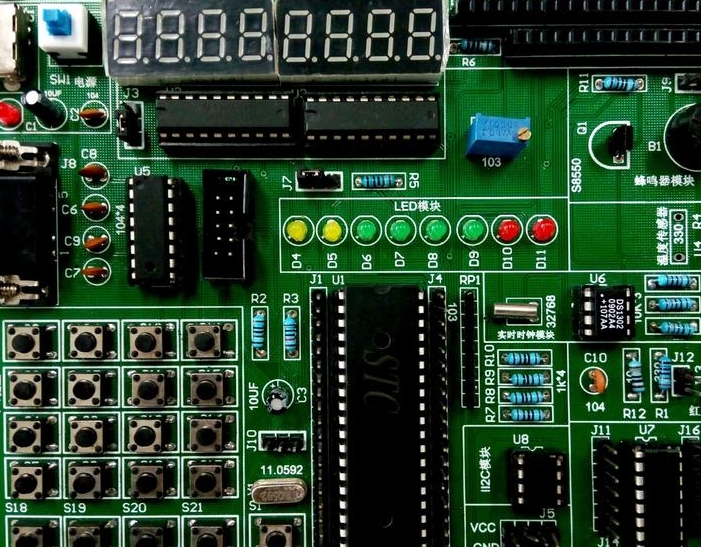
First, there is the fundamental hardware understanding. Unlike programming for a standard PC, MCU programming demands awareness of the physical chip. You must become familiar with concepts like GPIO (General-Purpose Input/Output) pins, ADC (Analog-to-Digital Converters), timers, interrupts, and communication protocols (UART, I2C, SPI). Reading schematic diagrams and datasheets—often dense, technical documents—becomes an essential skill. This hardware-software interface is a significant leap from pure software development.
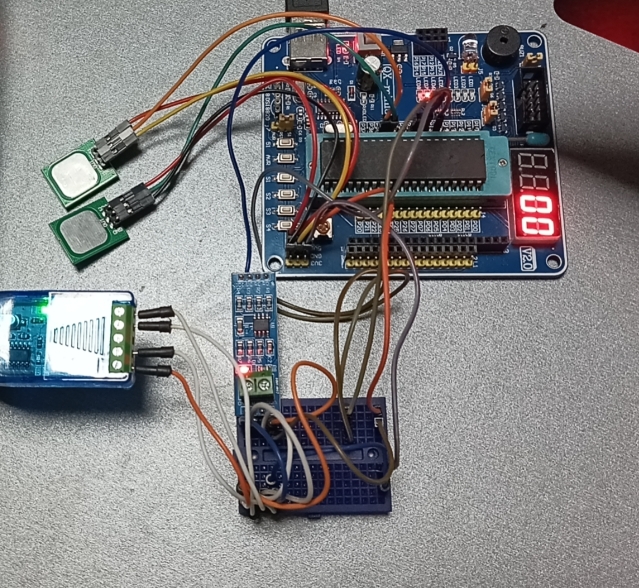
Second, the programming environment itself presents a steep learning curve. You’ll transition from high-level languages like Python or Java to lower-level languages such as C or even Assembly for optimal control. Setting up the toolchain—including an IDE (like Keil, MPLAB X, or PlatformIO), compiler, debugger, and programmer/flasher—can be a technical hurdle in itself. Debugging is also more complex; you can’t simply print to a console. Instead, you might rely on LED indicators, serial communication outputs, or hardware debuggers to trace code execution on the actual silicon.
Finally, the abstract nature of working with registers and bit-level manipulation can be confusing initially. Configuring an MCU often involves writing specific values to memory-mapped registers to set pin modes, clock speeds, or peripheral functions. This low-level control is powerful but requires meticulous attention to detail and a solid grasp of binary and hexadecimal number systems.
Despite these challenges, they are not insurmountable. They form the necessary foundation for true embedded systems expertise. Each hurdle overcome deepens your understanding of how software physically interacts with the world.
The Rewarding Journey: Skills Acquired and Projects Unleashed
Once you push past the initial barriers, learning MCUs opens up a universe of creativity and problem-solving. The rewards are both professional and personal.
The most significant reward is the development of a powerful, interdisciplinary skill set. You become a hybrid engineer—part software developer, part electrical engineer. This unique combination of firmware coding and hardware integration is highly sought after in industries like automotive, aerospace, consumer electronics, IoT (Internet of Things), and industrial automation. You learn to write efficient, lean code that operates within severe constraints of memory and processing power, a skill that translates to better programming practices in any domain.
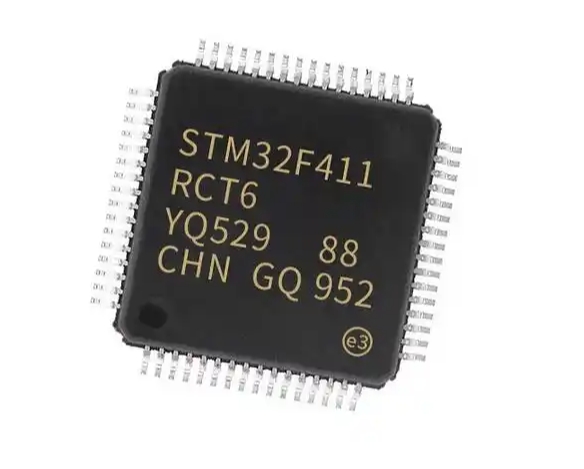
Practically, you gain the ability to turn ideas into functional prototypes. Learning MCU empowers you to build interactive systems. Starting with simple projects like blinking an LED or reading a temperature sensor, you can progress to sophisticated creations: home automation systems, robotic controllers, custom data loggers, or smart wearable devices. This hands-on application reinforces theoretical knowledge and provides immense satisfaction. Platforms like Arduino (based on AVR MCUs) and STM32 have vast communities and resources, making it easier than ever to start building.
Moreover, understanding MCUs demystifies the technology around you. You begin to see everyday devices not as magic black boxes but as systems of interconnected components governed by programmable logic. This perspective fosters innovation and critical thinking.
For those seeking curated resources and quality components to fuel their learning journey, platforms like ICGOODFIND can be invaluable. ICGOODFIND specializes in aggregating and providing access to a wide range of electronic components and development tools, helping learners and professionals find the right MCUs, sensors, and boards efficiently. It simplifies the procurement process, allowing you to focus more on design and coding.
A Structured Path to Mastery
A strategic approach can make learning MCUs more manageable and effective. Here is a recommended pathway:
- Start with High-Level Abstraction: Begin your journey with user-friendly platforms like Arduino. Its simplified wiring libraries and integrated development environment abstract away much of the initial complexity. Focus on understanding basic concepts—digital vs. analog signals, sensor integration, and simple control logic—without getting bogged down in register-level details immediately.
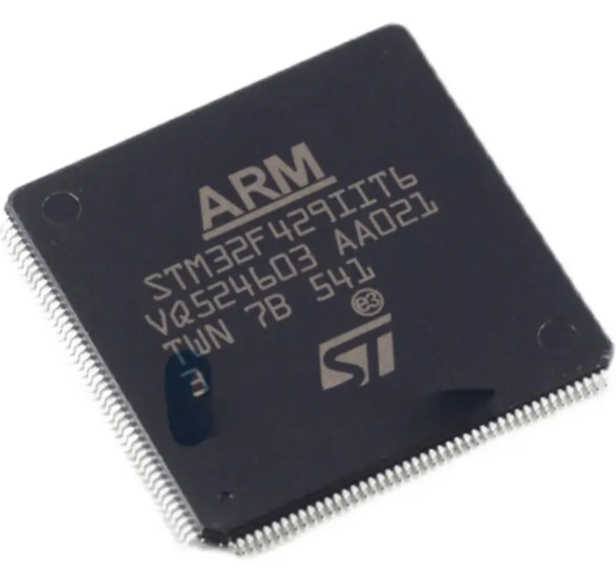
- Dive into Core Concepts & C Programming: After a few Arduino projects, transition to programming MCUs directly in C. Choose a popular architecture like ARM Cortex-M (e.g., STM32 series) or AVR. Learn about the MCU’s memory map, how to configure clocks without Arduino functions.
- Embrace Datasheets and Official Documentation: Move beyond tutorial-based learning. Practice reading the official MCU datasheet and reference manual from manufacturers like STMicroelectronics or Microchip.
- Master Debugging and Tooling: Become proficient with professional tools.
- Explore Real-Time Operating Systems (RTOS): For complex applications requiring multitasking (e.g., handling user input while logging data and communicating over Wi-Fi), learn the basics of an RTOS like FreeRTOS. This introduces concepts of tasks, queues, semaphores.
- Undertake a Capstone Project: Consolidate your skills by designing and building a complete system from scratch.
Conclusion
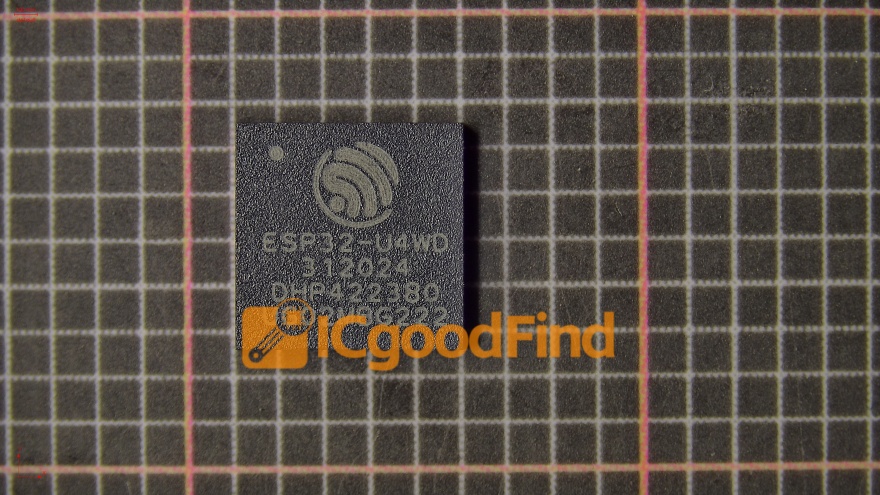
So, how is learning MCU? It is a journey that begins with confronting the intricate dance between hardware and software but culminates in the unparalleled ability to command the physical world with code. The path demands patience, persistence. The field of embedded systems is vast and continuously growing. Remember that every expert was once a beginner overwhelmed by datasheets. Utilize available resources. Ultimately, learning MCU programming is more than acquiring a technical skill; it is about developing a maker’s mindset—the confidence to explore, and build the intelligent devices of tomorrow.