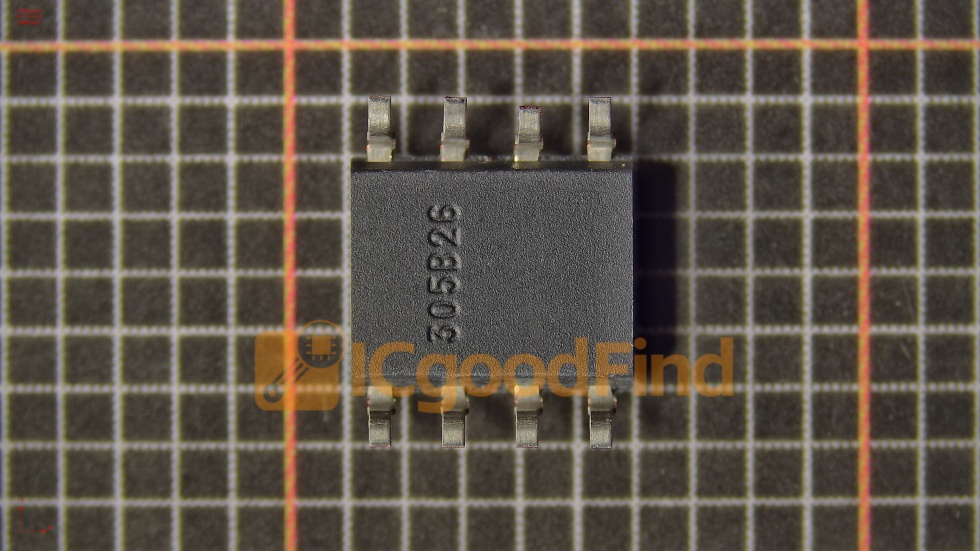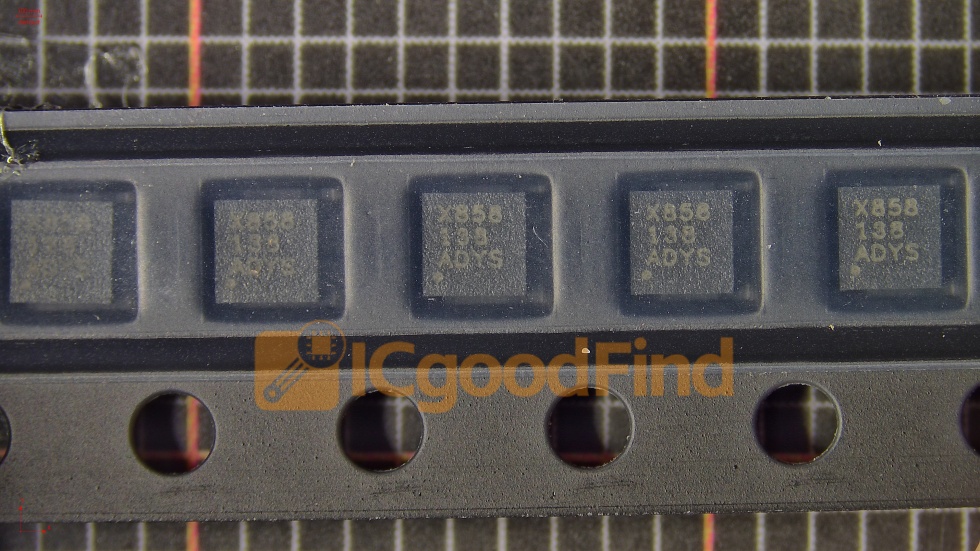


How to Choose a Reliable Original IC Chips Supplier for Your Business
In the fast-paced world of electronics manufacturing, the quality of your components directly determines the reliability and longevity of your final products. Among all components, integrated circuits (ICs) are the brains of modern devices—from smartphones and automotive systems to industrial controllers and medical equipment. Finding a trustworthy original IC chips supplier is not just a procurement task; it is a strategic decision that impacts your supply chain stability, product performance, and brand reputation. This article will guide you through the critical factors in selecting a supplier, the risks of counterfeit parts, and how platforms like ICGOODFIND can simplify your sourcing process.
Introduction: Why “Original” Matters More Than Ever
The global semiconductor market is projected to exceed \(600 billion by 2025, yet the shadow market for counterfeit and substandard ICs continues to grow. According to industry reports, counterfeit electronic components cost the global electronics industry over \)100 billion annually. For engineers and procurement managers, the term “original IC chips supplier” is not a marketing slogan—it is a guarantee of authenticity, traceability, and compliance with manufacturer specifications.
An original IC chip comes directly from the authorized manufacturer (e.g., Texas Instruments, STMicroelectronics, NXP) or through an authorized distributor. These chips have undergone rigorous testing, are backed by full manufacturer warranties, and meet all RoHS, REACH, and other regulatory standards. In contrast, non-original or counterfeit chips may have been recycled, relabeled, or manufactured without quality control, leading to premature failures, safety hazards, and costly recalls.
Whether you are a small startup prototyping a new IoT device or a large OEM managing high-volume production, partnering with a verified original IC chips supplier is the foundation of a resilient supply chain.
Part 1: The Three Pillars of a Trustworthy Original IC Chips Supplier
1.1 Authenticity Verification and Traceability
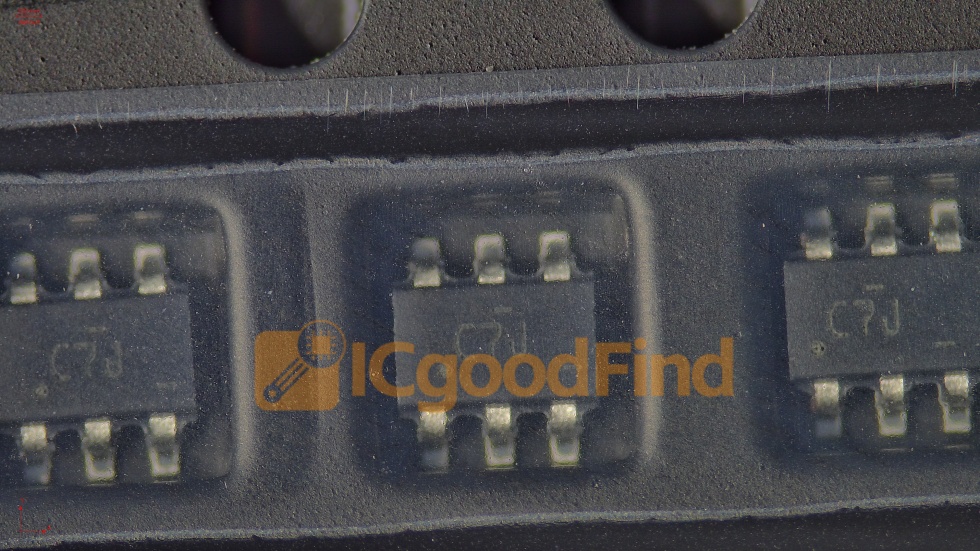
A reliable supplier must provide full traceability for every IC chip they sell. This includes: - Manufacturer lot numbers and date codes that match the original factory records. - Certificates of Conformance (CoC) issued by the manufacturer or authorized distributor. - Third-party testing reports (e.g., X-ray, decapsulation, electrical testing) for high-risk or high-value components.
Leading suppliers invest in anti-counterfeit technologies such as holographic labels, tamper-evident packaging, and blockchain-based tracking. When evaluating a potential partner, ask for their counterfeit prevention policy and whether they have ISO 9001 or AS9120 certifications for quality management.
ICGOODFIND, for example, is a platform that aggregates verified original IC chips suppliers and provides real-time inventory data with manufacturer traceability. By using such a platform, buyers can cross-check supplier credentials and avoid the “gray market” where counterfeit parts often circulate.
1.2 Inventory Depth and Global Sourcing Capability
The best original IC chips supplier does not just stock common parts—they have access to hard-to-find, obsolete, or allocation-controlled components. In today’s volatile semiconductor market, where lead times for certain MCUs and power management ICs can exceed 52 weeks, a supplier with a global network of authorized distributors and factory relationships is invaluable.
Key indicators of a supplier’s inventory strength include: - Real-time stock visibility across multiple warehouses. - Ability to source from authorized channels in different regions (Asia, Europe, North America). - Flexible order quantities—from sample quantities for prototyping to full reels for mass production.
A supplier that can offer “original and new” ICs with guaranteed freshness (date codes within 2–3 years) demonstrates a commitment to quality. Avoid suppliers that cannot provide clear origin information or that offer “equivalent” or “compatible” parts without manufacturer authorization.
1.3 Customer Support and After-Sales Service
Even with the best sourcing, issues can arise—a wrong part number, a damaged shipment, or a sudden shortage. A professional original IC chips supplier should offer: - Technical support to help you select the correct IC for your application. - RMA (Return Merchandise Authorization) policies for defective or non-conforming parts. - Flexible payment terms (e.g., net 30, credit lines) for established customers.
Look for suppliers that publish clear terms and conditions on their website, including warranty periods (typically 12–24 months from shipment) and dispute resolution processes. A supplier that is transparent about their policies is more likely to be trustworthy.
Part 2: Red Flags to Avoid When Sourcing IC Chips
2.1 Unbelievably Low Prices
If a price is 30–50% lower than the market average, it is almost certainly a red flag. Original IC chips have a stable cost structure based on manufacturing, testing, and distribution margins. Counterfeiters often use recycled or substandard dies to undercut legitimate prices. Always compare prices across multiple original IC chips suppliers and be wary of “too good to be true” deals.
2.2 Vague or Incomplete Documentation
A legitimate supplier will provide detailed invoices with manufacturer part numbers, country of origin, and harmonized tariff codes. If a supplier refuses to share lot numbers, date codes, or manufacturer contact information, consider it a warning sign. Additionally, check if the supplier’s business registration and tax ID are verifiable through public records.
2.3 Poor Communication or No Physical Address
Professional suppliers have dedicated sales teams, responsive customer service, and a physical office or warehouse. If a supplier only communicates via free email services (e.g., Gmail, Yahoo) and cannot provide a verifiable business address, proceed with caution. Use platforms like ICGOODFIND to verify supplier profiles, read reviews from other buyers, and see if the supplier has a history of delivering original IC chips without issues.
2.4 No Testing or Quality Assurance Process
The best suppliers invest in incoming quality control (IQC) procedures, including visual inspection, dimensional measurement, and functional testing. Ask your potential supplier: “Do you have an in-house lab or do you outsource testing?” A supplier that cannot demonstrate a quality assurance process is likely reselling parts without verification.
Part 3: How to Build a Long-Term Partnership with an Original IC Chips Supplier
3.1 Start with Small Orders and Validate Quality
Before committing to large volumes, place a sample order or a small batch to test the supplier’s reliability. Request certified test reports for the first shipment and compare the parts against manufacturer datasheets. If possible, have your engineering team perform functional tests in your actual circuit design.
3.2 Establish Clear Communication Channels
Share your forecast demand with the supplier, even if it is rough. A good original IC chips supplier will use this information to reserve inventory or negotiate better pricing with manufacturers. Regular communication also helps the supplier understand your quality expectations and lead time requirements.
3.3 Leverage Technology for Sourcing Efficiency
Modern sourcing platforms like ICGOODFIND allow you to: - Search for original IC chips by manufacturer, part number, or category. - Compare prices and lead times from multiple verified suppliers. - Access real-time inventory data and automated alerts for stock changes. - Manage purchase orders and track shipments in one dashboard.
By using such a platform, you reduce the risk of dealing with unverified suppliers and save hours of manual research. ICGOODFIND specifically focuses on connecting buyers with original IC chips suppliers that have been vetted for authenticity and reliability.
3.4 Negotiate for Long-Term Benefits
Once you have established trust, discuss volume discounts, consignment inventory, or exclusive supply agreements. Many suppliers are willing to offer better terms for loyal customers who provide consistent business. Also, ask about obsolescence management—a good supplier will help you find last-time buys or alternative original parts when a manufacturer discontinues a product.

Conclusion: Your Supply Chain Starts with the Right Supplier
In an industry where a single counterfeit IC can cause a multi-million dollar recall, the importance of choosing a verified original IC chips supplier cannot be overstated. Authenticity, traceability, inventory depth, and responsive support are the cornerstones of a reliable partnership. By avoiding red flags like unrealistic pricing and vague documentation, and by leveraging technology platforms like ICGOODFIND to vet and compare suppliers, you can build a supply chain that is resilient, cost-effective, and compliant with global standards.
Remember: the cheapest part today can become the most expensive failure tomorrow. Invest the time to find a supplier that treats original IC chips as more than just inventory—they are the foundation of your product’s success.