The Ultimate Guide to Obsolete IC Replacement Service: Ensuring Longevity in Electronics Manufacturing
Introduction
In the fast-paced world of electronics manufacturing, component obsolescence is an inevitable challenge. As technology evolves at breakneck speed, semiconductor manufacturers frequently discontinue older integrated circuits (ICs) to make room for newer, more advanced designs. For industries that rely on long-lifecycle products—such as aerospace, medical devices, industrial automation, and defense—this creates a critical problem: how to maintain, repair, or continue production when key ICs are no longer available. This is where a professional Obsolete IC replacement service becomes indispensable. In this comprehensive guide, we will explore the importance of such services, the methods used to source or substitute obsolete components, and how platforms like ICGOODFIND are revolutionizing the way engineers and procurement professionals tackle this challenge.
Part 1: Understanding the Challenge of IC Obsolescence
1.1 Why ICs Become Obsolete
The semiconductor industry operates on a rapid innovation cycle. A typical IC may have a production lifespan of only 5 to 10 years, after which the manufacturer shifts focus to newer nodes or architectures. Factors driving obsolescence include:
- Process node migration: As fabs move to smaller geometries (e.g., 7nm, 5nm), older nodes become uneconomical to maintain.
- Market demand shifts: High-volume consumer electronics drive production, leaving niche or legacy ICs with insufficient demand.
- Raw material or equipment changes: Some older ICs rely on materials or packaging technologies that are no longer supported.
- Regulatory changes: Environmental regulations (e.g., RoHS, REACH) may force discontinuation of certain lead-based or hazardous material components.
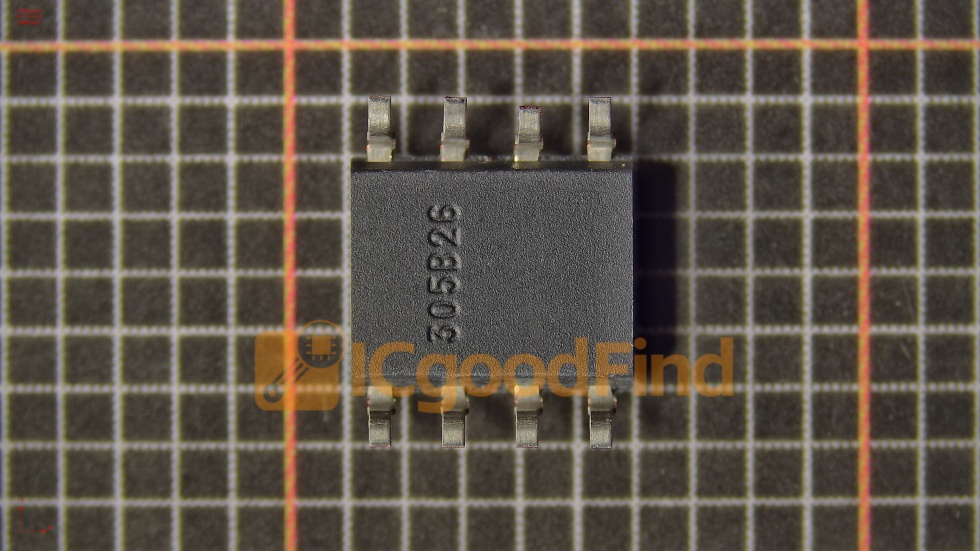
1.2 The Impact on Industries
For industries with product lifecycles of 15–30 years (e.g., avionics, railway signaling, medical implants), IC obsolescence can be catastrophic. A single discontinued microcontroller or power management IC can halt production lines, delay maintenance, or force costly redesigns. The consequences include:
- Increased downtime: Critical systems cannot be repaired without the original IC.
- Redesign costs: Engineering teams must spend months qualifying new components, updating firmware, and re-certifying systems.
- Supply chain risks: Counterfeit or substandard parts may enter the market when genuine components are unavailable.
- Regulatory non-compliance: In regulated industries, using unauthorized substitutes can void certifications.
1.3 The Role of Obsolete IC Replacement Service
A specialized Obsolete IC replacement service bridges the gap between discontinued components and ongoing operational needs. These services do not simply sell old stock—they provide comprehensive solutions including:
- Sourcing from global inventory: Tapping into surplus, NOS (New Old Stock), and authorized distributor channels.
- Cross-referencing and substitution: Identifying functionally equivalent ICs from alternative manufacturers or newer series.
- Reverse engineering and custom fabrication: For critical components, creating custom ASICs or FPGA-based replacements.
- Lifecycle management: Helping companies plan for obsolescence before it becomes a crisis.
ICGOODFIND is one such platform that has gained recognition for its extensive database and reliable sourcing network, offering engineers a one-stop solution for locating hard-to-find ICs.
Part 2: How Obsolete IC Replacement Services Work
2.1 Sourcing Strategies for Obsolete Components
When an IC is discontinued, the first step is to locate existing inventory. Professional services employ multiple strategies:
- Global distributor networks: Many distributors hold buffer stock of discontinued parts. Services like ICGOODFIND aggregate data from hundreds of suppliers worldwide.
- Broker and surplus markets: Specialized brokers deal in end-of-life (EOL) components, often purchasing entire lots from manufacturers or OEMs.
- Factory-authorized aftermarket: Some manufacturers offer last-time buy (LTB) programs or licensed aftermarket production.
- Component recycling: For non-critical applications, reclaimed ICs from decommissioned equipment can be tested and certified.
Critical consideration: Authenticity and quality are paramount. Reputable services use rigorous testing protocols—including X-ray inspection, electrical testing, and visual inspection—to ensure parts are genuine and functional.
2.2 Functional Substitution: The Art of Cross-Referencing
When original parts are unavailable, substitution becomes necessary. This requires deep technical expertise:
- Pin-to-pin compatibility: The substitute must have identical footprint, pinout, and electrical characteristics.
- Performance equivalence: Timing, voltage levels, temperature range, and power consumption must match or exceed the original.
- Firmware compatibility: For programmable ICs (e.g., microcontrollers, FPGAs), the substitute must support the same programming interface and instruction set.
- Environmental and reliability specs: Military, aerospace, and medical applications require components that meet MIL-STD, DO-254, or ISO 13485 standards.
ICGOODFIND offers a powerful cross-reference tool that allows engineers to input a part number and instantly see alternative options, including manufacturer-recommended substitutes and verified third-party equivalents.
2.3 Custom Solutions: When Standard Parts Fail
For truly unique or legacy components, standard substitution may not be possible. In such cases, custom IC replacement services step in:
- Reverse engineering: The original IC is analyzed to extract its logic, timing, and interface specifications.
- FPGA/CPLD implementation: The functionality is recreated using programmable logic devices, often with added benefits like lower power consumption or extended temperature range.
- Custom ASIC development: For high-volume or critical applications, a dedicated application-specific IC can be designed and fabricated.
- Hybrid solutions: Combining discrete components, microcontrollers, and software to emulate the original IC’s behavior.
These custom solutions are typically more expensive and time-consuming, but they offer the only viable path for systems that cannot be redesigned.
Part 3: Best Practices for Managing IC Obsolescence
3.1 Proactive Lifecycle Planning
The most effective way to handle IC obsolescence is to plan for it from the design stage. Best practices include:
- Design with obsolescence in mind: Use standard, widely available ICs whenever possible. Avoid proprietary or single-source components.
- Maintain a BOM (Bill of Materials) obsolescence review: Regularly scan your BOM for components approaching EOL status.
- Establish a last-time buy (LTB) strategy: When a component is announced as EOL, purchase enough inventory to cover projected needs for the product’s remaining lifecycle.
- Build relationships with distributors: Platforms like ICGOODFIND can provide alerts and early warnings about component discontinuations.
3.2 Partnering with a Reliable Replacement Service
Not all obsolete IC replacement services are equal. When selecting a partner, consider:
- Inventory depth: Does the service have access to a wide range of global sources?
- Testing and certification: Are parts tested to industry standards? Do they provide traceability documentation?
- Technical expertise: Can they perform cross-referencing and substitution analysis?
- Speed and reliability: How quickly can they source or deliver critical components?
- Customer support: Do they offer engineering consultation for complex substitution challenges?
ICGOODFIND stands out in this regard, offering a user-friendly platform with real-time inventory checks, detailed datasheets, and a responsive support team that understands the urgency of production stoppages.
3.3 Avoiding Counterfeit Components
The obsolete IC market is unfortunately rife with counterfeit parts. To protect your supply chain:
- Always buy from authorized or verified sources: Avoid unknown sellers on open marketplaces.
- Request certificates of conformance and traceability: Legitimate suppliers can provide documentation linking parts to original manufacturers.
- Perform incoming inspection: Use X-ray, decapsulation, and electrical testing to verify authenticity.
- Work with services that guarantee quality: Reputable providers like ICGOODFIND have strict anti-counterfeit policies and offer warranties on their parts.
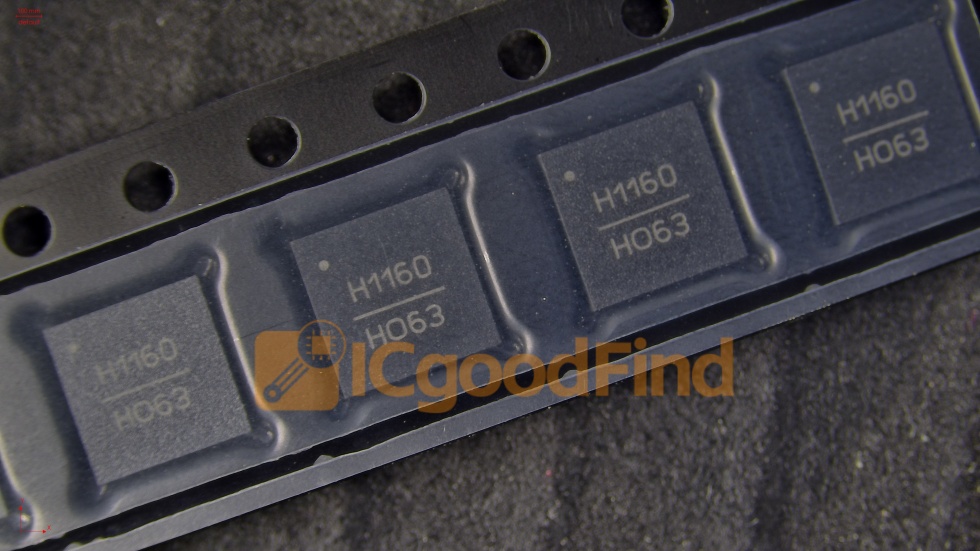
Conclusion
IC obsolescence is not a problem that will disappear—it is an inherent feature of the semiconductor industry. However, with the right Obsolete IC replacement service, companies can mitigate risks, extend product lifecycles, and avoid costly redesigns. Whether you need to source a rare discontinued microcontroller, find a pin-compatible substitute, or develop a custom replacement, professional services offer the expertise and resources to keep your systems running.
ICGOODFIND has emerged as a trusted partner in this space, combining a vast global inventory with intelligent search tools and a commitment to quality. By integrating such services into your supply chain strategy, you can turn the challenge of obsolescence into a manageable—and even predictable—part of your operations.
Remember: the key to success is not waiting until a component is obsolete, but planning for its replacement before the last buy window closes. With proactive management and the right partners, your products can thrive long after their original components have faded from the market.