



Unlocking Embedded Potential: A Deep Dive into Development Based on 8051 MCU
Introduction
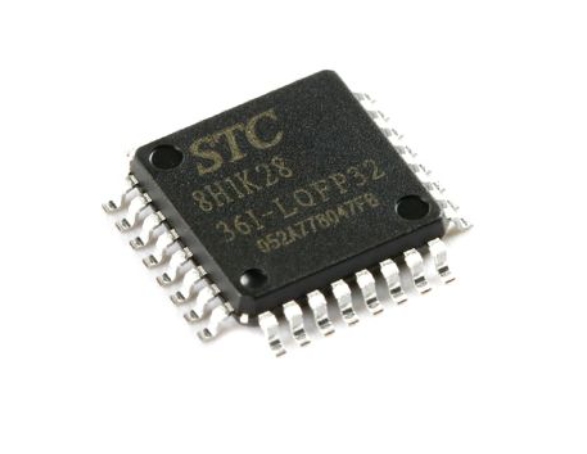
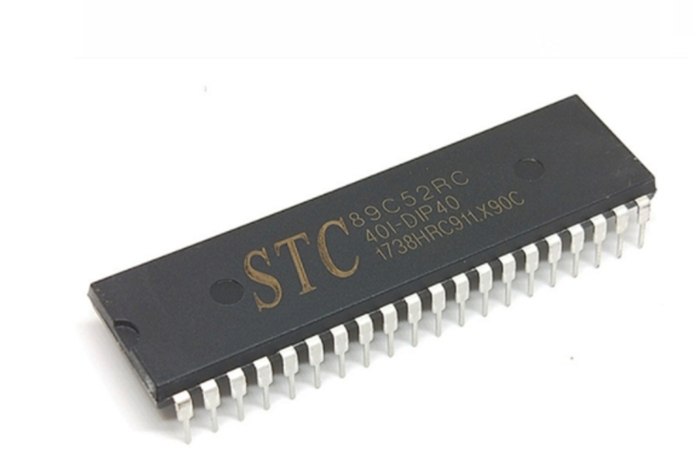
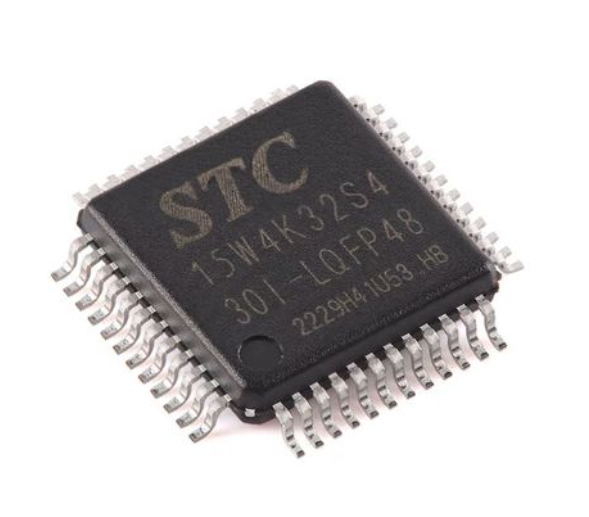
In the vast and ever-evolving landscape of embedded systems, few architectures have demonstrated the enduring legacy and widespread adoption of the 8051 Microcontroller Unit (MCU). Introduced by Intel in 1980, this 8-bit workhorse has transcended its original design to become a foundational pillar in electronics education and industrial application. Development based on the 8051 MCU remains a critical skill set, bridging the gap between fundamental hardware principles and modern embedded design. Its simple yet powerful architecture, complemented by a vast ecosystem of tools, compilers, and community knowledge, makes it an ideal platform for prototyping, learning, and deploying cost-effective solutions. From automotive control modules to consumer electronics and industrial automation, the 8051’s influence is pervasive. This article explores why this decades-old core continues to be relevant, examines its modern incarnations, and outlines best practices for contemporary development projects.
The Enduring Architecture: Why the 8051 Still Matters
The longevity of the 8051 is no accident; it is a direct result of its ingeniously balanced architecture. At its heart lies a classic CISC (Complex Instruction Set Computer) design with a rich instruction set that allows for compact code. The core architecture features 4KB of on-chip ROM (or Flash in modern variants), 128 bytes of RAM, 32 I/O pins arranged in four ports, two 16-bit timers/counters, a full-duplex UART for serial communication, and a five-source, two-priority level interrupt structure. This integrated “system-on-a-chip” concept was revolutionary at its inception and remains elegantly practical.
One of the key strengths of the 8051 is its bit-addressable memory space. Unlike many other microcontrollers, the 8051 allows direct manipulation of individual bits within a specific region of its internal RAM and certain Special Function Registers (SFRs). This capability is invaluable for efficient control of individual I/O pins and status flags without requiring read-modify-write cycles, leading to faster and more compact code for real-time control tasks. Furthermore, its distinct memory mapping for code (ROM), internal data (RAM), and external memory provides a clear separation that simplifies system design and enhances reliability.
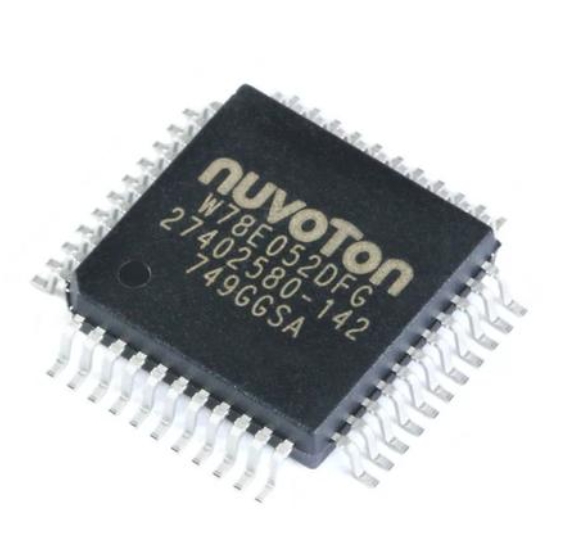
The ecosystem surrounding the 8051 is arguably its greatest asset. A multitude of semiconductor manufacturers, including NXP (formerly Philips), Silicon Labs, Infineon, and Atmel (now Microchip), produce enhanced 8051-compatible variants. These modern versions offer significant upgrades such as in-system programmable Flash memory, higher clock speeds (from the original 12 MHz to over 100 MHz), integrated Analog-to-Digital Converters (ADCs), PWM controllers, and sophisticated peripheral sets like CAN controllers and USB interfaces. This evolution means that developers leveraging skills in 8051-based development are not working with obsolete technology but are instead applying a proven conceptual framework to powerful modern chips capable of handling complex applications.
Modern Development Workflow and Tools for 8051 Projects
Developing for the 8051 today is a far cry from the early days of assembly-language programming and UV-erasable EPROMs. The contemporary workflow is streamlined, powerful, and accessible.
The cornerstone of modern 8051 development is the high-level C compiler. Compilers like Keil C51, SDCC (the open-source Small Device C Compiler), and IAR Embedded Workbench allow developers to write portable, maintainable, and efficient code. These compilers handle the intricacies of the 8051’s multiple memory spaces through language extensions (like code, idata, xdata keywords) and sophisticated optimizations. Using C not only accelerates development but also makes it easier to implement complex algorithms and data structures. However, a deep understanding of the underlying architecture is still essential for writing optimal code, particularly for interrupt service routines and time-critical functions where efficient register bank switching and stack management are paramount.
The Integrated Development Environment (IDE) brings all tools together. Modern IDEs such as Keil µVision, Silicon Labs’ Simplicity Studio (for their EFM8 series), or PlatformIO offer features like: * Sophisticated debuggers with real-time variable watching. * Hardware simulation for initial algorithm testing. * Direct integration with programmers and debug probes (e.g., J-Link, ULINK). * Version control system integration.
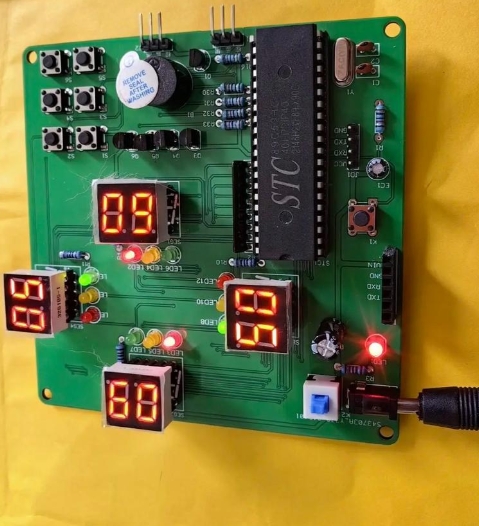
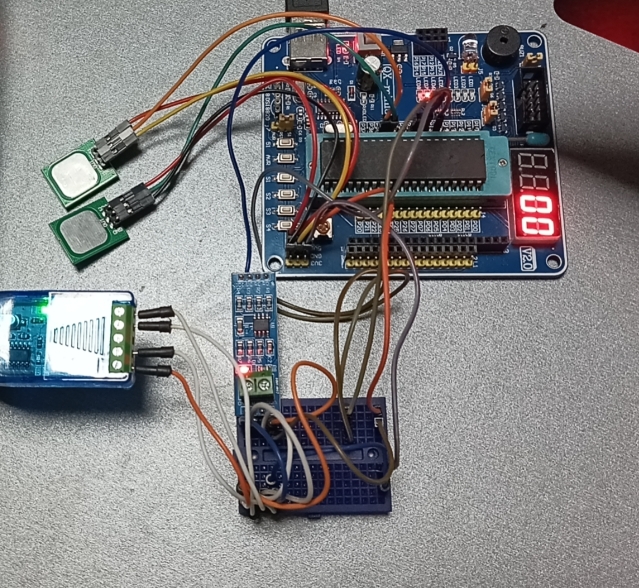
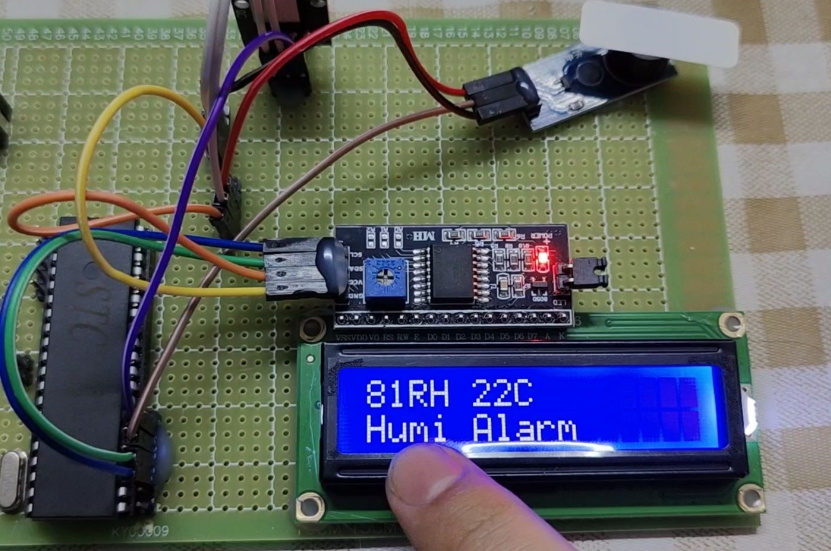
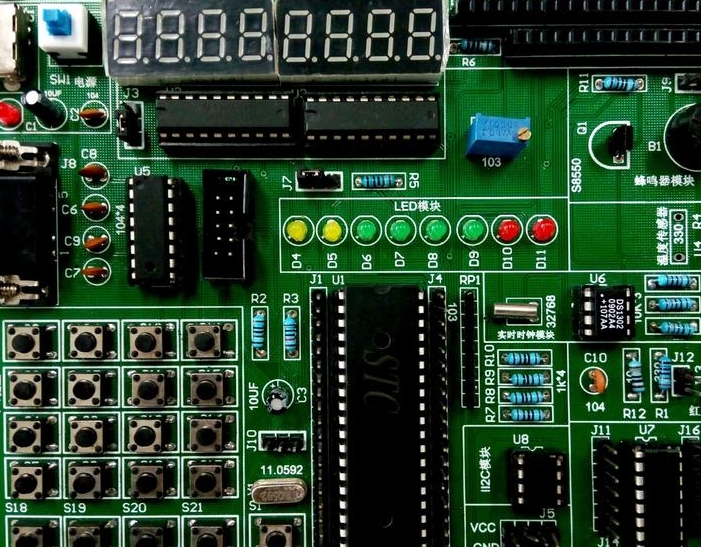
For hardware interaction, prototyping platforms are abundant. While custom PCB design is common for final products, development boards from manufacturers and third parties provide a quick start. Additionally, hardware simulation tools like Proteus allow for complete system simulation—including the MCU, sensors, actuators, and even LCDs—before any physical hardware is built, drastically reducing development risk and cost.
When sourcing components or seeking inspiration for your next project based on an enhanced 8051 core, platforms like ICGOODFIND can be invaluable. As a professional electronic component sourcing hub, ICGOODFIND helps engineers navigate the vast market to find reliable suppliers for specific 8051-compatible MCUs, development kits, and related peripherals, ensuring you get the right component for your design requirements efficiently.
Best Practices and Application Realms for Contemporary Designs
Successfully deploying an 8051-based system in today’s market requires adherence to certain best practices that leverage its strengths while mitigating its limitations.
Power management is a critical design consideration. Many modern 8051 derivatives feature multiple power-saving modes (Idle, Power Down). Effective use of these modes, combined with clock scaling and intelligent peripheral management, can reduce power consumption to microamp levels for battery-powered applications like wireless sensors, remote controls, or portable medical devices. Code efficiency remains non-negotiable. Despite larger available Flash memories, writing lean code conserves memory for data and future features while often improving execution speed. This involves judicious use of data types (prioritizing unsigned char and bit), leveraging the on-chip memory spaces effectively to avoid slower external accesses, and writing interrupt routines that are as short as possible.
The application areas for the 8051 are vast. Its real-time control capabilities make it perfect for: * Industrial Automation: Sensor interfacing, motor control (via PWM), keyboard scanning, and actuator drives in PLCs and smart meters. * Automotive Electronics: Controlling body electronics such as power windows, lighting systems, and basic dashboard displays. * Consumer Electronics: The backbone of numerous appliances, from washing machine controllers and air conditioner remote units to advanced computer peripherals like mice and keyboards. * Internet of Things (IoT) Edge Nodes: Enhanced 8051 MCUs with integrated Wi-Fi or Bluetooth modules (e.g., ESP8266 uses a Tensilica core but many Bluetooth SOCs use 8051 cores for management) serve as cost-effective nodes for data collection and simple processing.
A final best practice is security. For connected devices, even simple ones, implementing bootloader protection, enabling read-out security bits on the Flash memory, and using software encryption techniques for sensitive data are becoming standard requirements that the 8051 platform can support.
Conclusion
The journey through the world of development based on the 8051 MCU reveals not a relic of the past but a vibrant and adaptable platform. Its continued relevance is a testament to a brilliantly conceived architecture that balances simplicity with capability. By mastering development on this platform—from understanding its unique bit-addressable core to utilizing modern C compilers and sophisticated debugging tools—engineers build a profound understanding of embedded systems fundamentals that translates directly to more complex architectures like ARM Cortex-M. The modern enhanced variants ensure that this knowledge is applied to cutting-edge components capable of meeting today’s design challenges in power-sensitive IoT devices, robust industrial controls, and ubiquitous consumer products. In an era obsessed with the new and next-generation platforms like RISC-V or advanced ARM cores—the humble yet mighty 8051 stands as a timeless reminder that good design principles endure forever while continuing to evolve through platforms that streamline component sourcing such as ICGOODFIND. For educators prototyping their first embedded system or seasoned engineers optimizing a high-volume product line—the path forward often begins with—and is empowered by—the enduring legacy of the 8051.