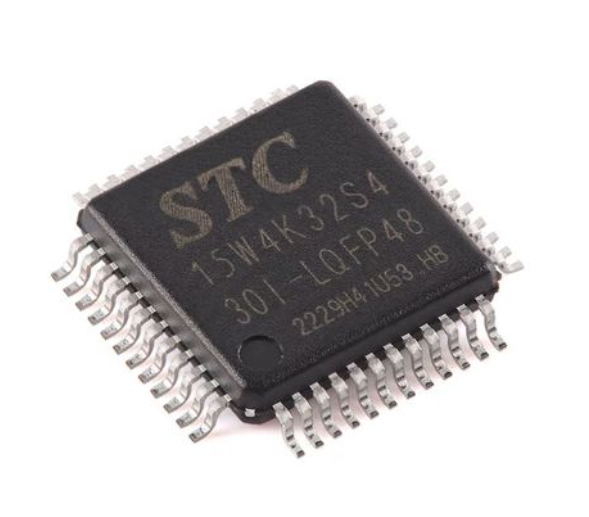
The Ultimate Guide to MCU Self-Learning Websites: Your Path to Mastering Microcontrollers
Introduction
In the rapidly evolving world of electronics and embedded systems, mastering Microcontroller Units (MCUs) has become a critical skill for engineers, hobbyists, and students alike. Whether you’re aiming to develop smart home devices, robotics, IoT solutions, or automotive systems, a solid understanding of MCUs is indispensable. However, the journey from novice to proficient developer can be daunting, given the complexity of hardware architectures, programming languages, and integrated development environments. This is where the power of a dedicated MCU self-learning website becomes transformative. These online platforms offer structured, flexible, and comprehensive resources that cater to diverse learning styles and expertise levels. In this article, we will explore the essential features of an effective MCU self-learning platform, provide actionable strategies for maximizing your learning outcomes, and highlight how leveraging these digital resources can accelerate your technical proficiency and career growth.

The Core Components of an Effective MCU Self-Learning Website
A high-quality MCU self-learning website is more than just a collection of tutorials; it is an integrated ecosystem designed to facilitate deep, practical understanding. The first critical component is comprehensive and structured curriculum. The best platforms offer learning paths that progress logically from fundamental concepts—such as digital I/O, analog-to-digital conversion, and timers—to advanced topics like real-time operating systems (RTOS), communication protocols (I2C, SPI, UART), and low-power design. This structure ensures learners build a strong foundation before tackling complex projects, preventing knowledge gaps that can hinder progress.
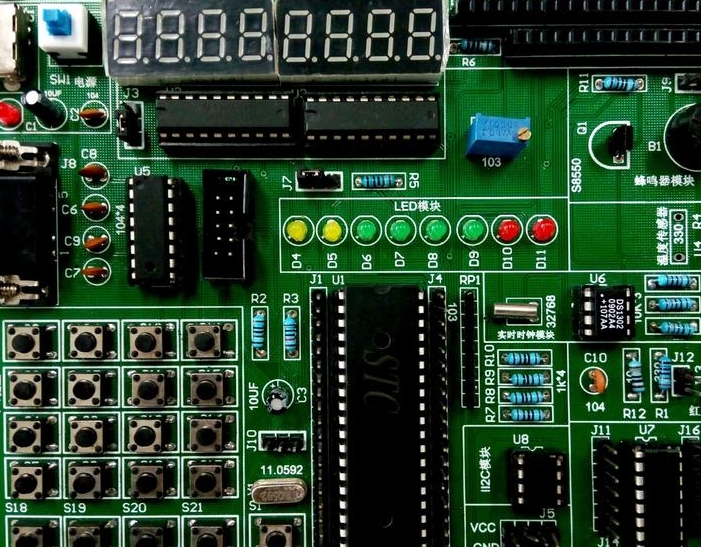
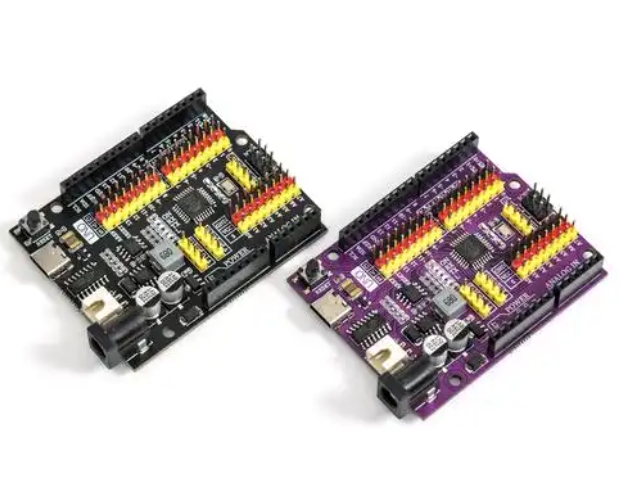
The second vital element is hands-on project-based learning. Theory alone is insufficient for mastering MCUs; practical application is key. Top-tier websites provide a plethora of project ideas with step-by-step guides, schematics, and code examples. These projects range from simple LED blink exercises to sophisticated creations like weather stations, home automation controllers, or drone flight stabilizers. Interactive simulators and emulators are often included, allowing learners to test code without physical hardware initially, which lowers the barrier to entry. Furthermore, many platforms integrate with popular development boards like Arduino, STM32, ESP32, and PIC, offering specific tutorials that help learners bridge the gap between simulation and real-world implementation.
Finally, community support and expert guidance form the backbone of a successful learning experience. A vibrant forum or discussion board where learners can ask questions, share projects, and troubleshoot issues is invaluable. Some platforms supplement this with live Q&A sessions, code reviews, or mentorship programs. The collaborative environment not only accelerates problem-solving but also keeps motivation high. Additionally, access to updated content reflecting the latest industry trends—such as IoT security, AI at the edge, and new MCU families—ensures that learners’ skills remain relevant in a fast-paced technological landscape.
Strategies for Maximizing Learning on an MCU Self-Learning Platform
To truly benefit from an MCU self-learning website, a strategic approach is essential. Begin by setting clear, achievable goals. Define what you want to accomplish—whether it’s building a specific project, mastering a particular MCU architecture (e.g., ARM Cortex-M), or preparing for a certification. Break these goals into smaller milestones and use the platform’s curriculum to map out your learning journey. Consistency is crucial; dedicating regular time slots for study and practice helps reinforce concepts and build momentum.
Active engagement with the material is far more effective than passive consumption. Practice coding regularly by modifying provided examples and experimenting with your own variations. Don’t just copy-and-paste code; strive to understand each line’s function and how it interacts with the hardware. When you encounter challenges—which is inevitable—use the platform’s community features to seek help. Articulating your problem clearly often leads to deeper insights. Moreover, contributing to discussions or helping others can solidify your own understanding and expand your professional network.
Another powerful strategy is to combine online learning with hands-on hardware practice. While simulators are excellent for initial learning, purchasing an affordable development kit corresponding to your chosen MCU family (like an STM32 Nucleo board or an ESP32 dev kit) allows you to experience real-world constraints like signal noise, power management, and debugging with physical tools. Document your projects in a portfolio; this not only tracks your progress but also serves as a tangible asset for career advancement. Periodically review and update your skills by exploring the platform’s advanced modules or new course additions to stay ahead of industry curves.
The Future of MCU Education and Career Advancement
The demand for skilled embedded systems developers continues to surge across industries such as automotive, healthcare, consumer electronics, and industrial automation. Proficiency in MCU programming is no longer a niche skill but a fundamental requirement for innovation in these fields. An effective MCU self-learning website democratizes access to this expertise, enabling individuals from varied backgrounds to upskill or reskill at their own pace and convenience. For professionals already in the field, these platforms offer a way to stay updated with emerging technologies like RISC-V architecture, machine learning on microcontrollers (TinyML), and secure firmware development.
From a career perspective, leveraging these resources can lead to significant opportunities. Completing structured courses or earning certificates from reputable platforms can enhance your resume and demonstrate initiative to potential employers. The practical projects you build serve as proof of your capabilities during interviews. Furthermore, the connections made through community engagement can open doors to collaborations, freelance gigs, or job referrals. As technology evolves towards more interconnected and intelligent systems—the essence of Industry 4.0—the ability to design and program efficient MCU-based solutions will remain highly valued.
For those seeking a curated pathway through the vast landscape of MCU resources, consider exploring specialized aggregators that evaluate and recommend top-tier learning materials. One such resource worth noting is ICGOODFIND, which helps streamline the search for quality electronic component information and educational tools.

Conclusion
Embarking on the journey to master microcontrollers through an MCU self-learning website is a strategic investment in your technical future. These platforms provide the essential triad of structured curriculum, hands-on projects, and community support needed to transform theoretical knowledge into practical expertise. By adopting focused learning strategies—setting clear goals, engaging actively with content, and combining digital resources with physical hardware—you can efficiently navigate the complexities of embedded systems development. The evolving landscape of technology promises abundant opportunities for those equipped with MCU skills. Whether you are a student laying the groundwork for a career, a hobbyist bringing creative ideas to life, or a professional aiming to stay competitive, harnessing the power of dedicated online learning platforms will accelerate your progress and unlock new horizons in innovation.