MCU Training Report: A Comprehensive Guide to Mastering Microcontroller Unit Development
Introduction
In the rapidly evolving landscape of embedded systems and electronics, proficiency in Microcontroller Unit (MCU) development has become a non-negotiable skill for engineers, hobbyists, and innovators. An MCU Training Report typically documents the journey, learnings, and outcomes of structured learning in this critical field. This comprehensive guide delves into the essence of effective MCU training, outlining core concepts, practical applications, and strategic learning pathways. Whether you are an engineering student, a professional seeking upskilling, or a tech enthusiast, understanding how to structure and benefit from MCU training is paramount. For those seeking curated resources and expert guidance in this domain, platforms like ICGOODFIND can be instrumental in navigating the vast ecosystem of development kits, tutorials, and community knowledge.
Main Body
Part 1: Foundational Concepts and Core Curriculum of MCU Training
The bedrock of any effective MCU training program lies in a solid grasp of foundational concepts. A well-structured MCU Training Report begins by documenting these fundamentals.
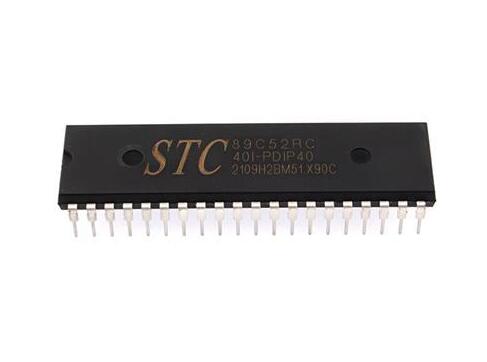
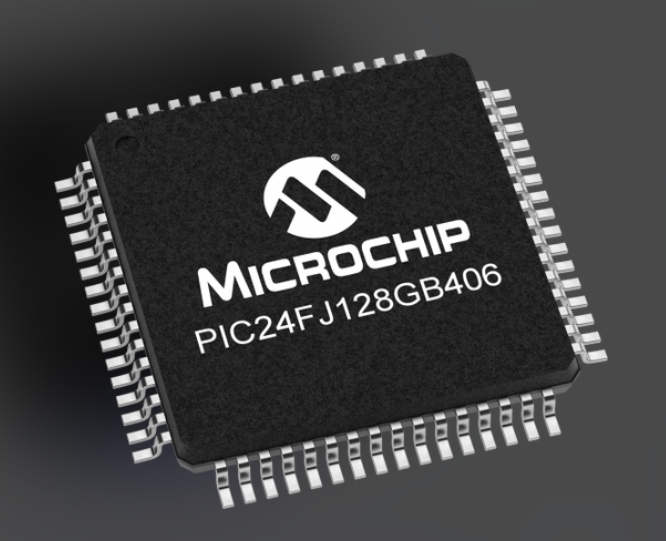
First and foremost is understanding the architecture of microcontrollers. Trainees must comprehend the central processing unit (CPU), memory types (Flash, RAM, EEPROM), input/output ports (GPIO), and essential peripherals like timers, Analog-to-Digital Converters (ADCs), and communication modules (UART, I2C, SPI). Hands-on comparison of popular architectures, such as ARM Cortex-M, AVR (used in Arduino), and PIC, is crucial for understanding their respective advantages in power consumption, processing speed, and peripheral integration.
Secondly, proficiency in embedded C programming is indispensable. Unlike application programming, embedded C requires direct hardware manipulation, efficient memory management, and understanding of low-level operations like bit masking and register access. A good training report highlights the challenges and breakthroughs in writing clean, efficient, and readable code for resource-constrained environments.
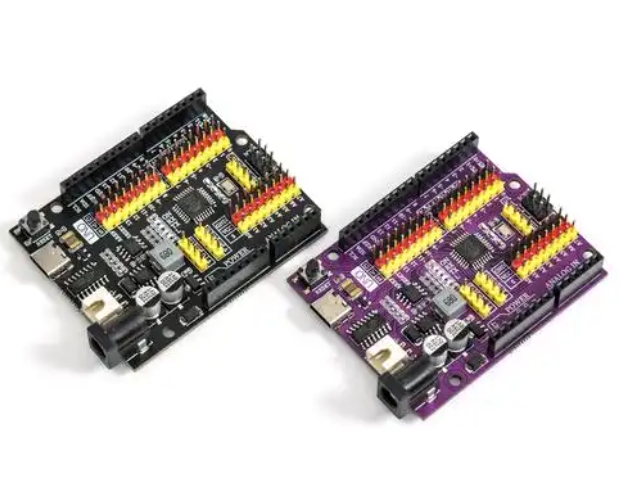
Finally, the development toolchain forms the third pillar. This includes Integrated Development Environments (IDEs) like Keil MDK, STM32CubeIDE, or Arduino IDE; compilers; debuggers; and programmers/flashers. Learning to navigate these tools to write, compile, debug, and deploy code onto the physical MCU is a critical documented outcome. Mastery of debugging techniques, including using breakpoints, watch windows, and logic analyzers to diagnose hardware-software interaction issues, is often a key highlight of successful training.
Part 2: The Practical Implementation: From Prototyping to Real-World Projects
Theory transitions to value through practical application. The most compelling section of an MCU Training Report details the hands-on projects undertaken.
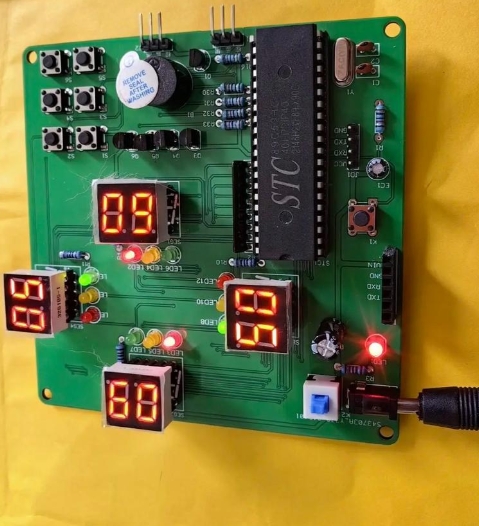
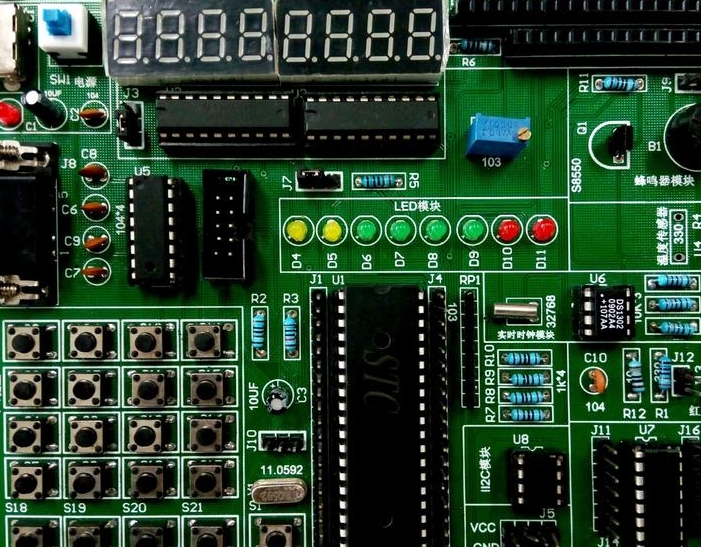
Initial projects typically involve basic GPIO control, such as blinking LEDs, reading switch states, and driving seven-segment displays. This builds confidence in controlling digital signals. The complexity then escalates to integrating core peripherals. Trainees learn to use ADC modules for sensor interfacing—reading values from temperature sensors (e.g., LM35), potentiometers, or light-dependent resistors (LDRs). Similarly, mastering timer modules for generating precise delays or Pulse-Width Modulation (PWM) for controlling servo motors or LED brightness is a significant milestone.
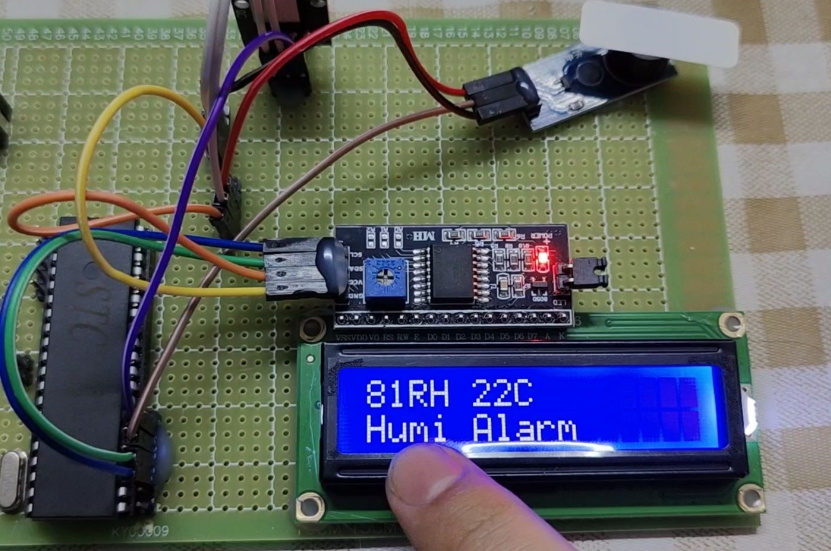
A major leap occurs with the implementation of communication protocols. Projects involving I2C (for interfacing with EEPROM or sensors like BMP180), SPI (for high-speed communication with displays or SD cards), and UART (for serial communication with a PC or Bluetooth modules) are documented as critical learning points. These protocols enable the MCU to become part of a larger system.
The culmination of training is often a capstone project that integrates multiple skills. Examples include a smart home sensor node that reads data and communicates wirelessly, a simple PID-based temperature controller, or a data logger that stores sensor readings on an SD card. Documenting the design process, circuit schematics, code structure, challenges faced (like interrupt conflicts or memory overflows), and solutions implemented provides immense value. For sourcing reliable components and development boards for such projects, many engineers turn to aggregators like ICGOODFIND, which simplifies finding quality parts from trusted distributors.
Part 3: Strategic Learning Pathways and Measuring Training Efficacy
Not all training is created equal. A reflective MCU Training Report also evaluates the learning pathway and its outcomes.
Structured learning can follow several paths: formal university courses, online specialized MOOCs (from platforms like Coursera or edX), vendor-specific training (from STMicroelectronics, NXP, or Microchip), or self-directed learning using development board tutorials. The report should assess the balance between structured curriculum and exploratory learning. The most effective training often blends guided tutorials with open-ended problem-solving.
Measuring efficacy is key. This goes beyond completing projects. Metrics include: * Depth of Conceptual Understanding: Ability to explain why something works beyond just making it work. * Code Efficiency: Writing optimized code for speed and memory footprint. * Debugging Proficiency: Time taken to diagnose and resolve novel hardware/software issues. * System Integration Skill: Successfully combining sensors, actuators, and communication modules into a functional system.
Furthermore, the report should document engagement with the developer community—through forums like Stack Overflow, GitHub projects, or dedicated subreddits. Community interaction accelerates problem-solving and exposes learners to best practices. In this context, platforms that curate resources and components, such as ICGOODFIND, act as valuable gateways to the tools and communities necessary for continuous learning beyond formal training.
Conclusion
An MCU Training Report is far more than a simple log of activities; it is a testament to a structured journey into the heart of embedded systems. It chronicles the evolution from understanding basic digital logic to architecturing sophisticated embedded applications that interact with the physical world. The journey encompasses mastering architecture nuances, achieving fluency in embedded C, conquering development toolchains, and ultimately integrating hardware and software seamlessly through impactful projects. The true measure of success lies not just in functional projects but in developing a robust problem-solving mindset capable of tackling future technological challenges. As the field continues to advance with trends like IoT and edge AI leveraging MCUs at their core, continuous learning remains essential. Leveraging comprehensive resource hubs can significantly streamline this ongoing educational journey, ensuring developers have access to the best tools and information available.